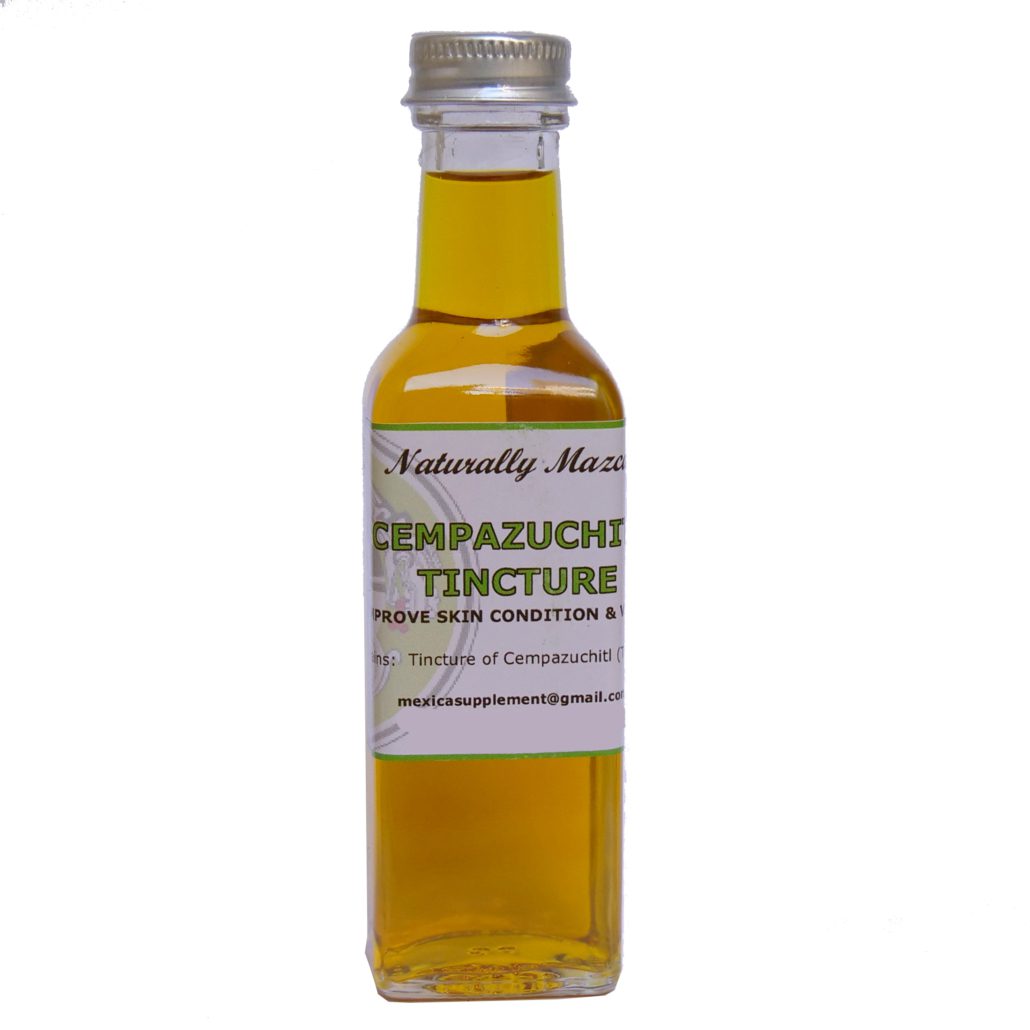
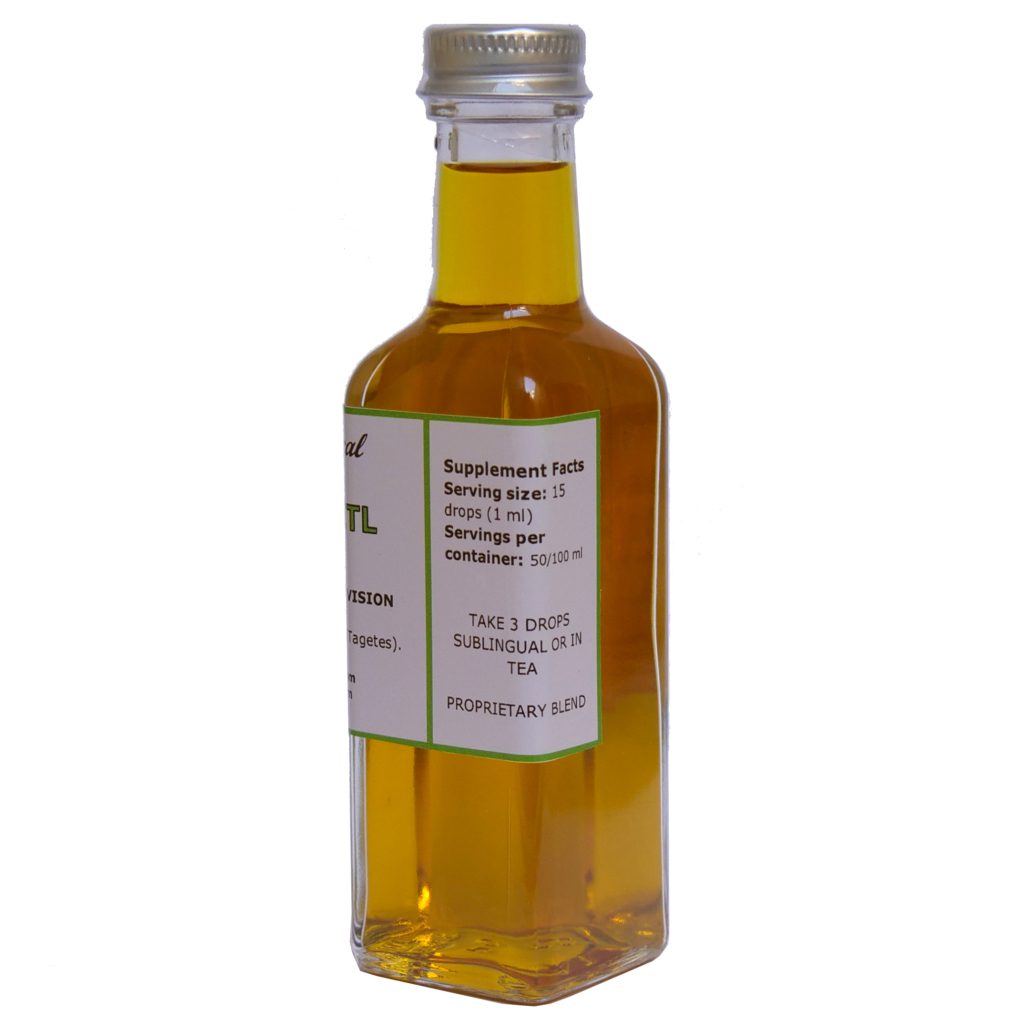
Description
Cempazuchitl, also known as Tagetes, is one of dozens of species in the sunflower and marigold family. It has had a multitude of applications over hundreds of years. However, it has not been approved by the FDA, which prohibits the promotion of non-approved products for health and medical uses. Some of the primary attributed claims include:
- The leaves, petals, and whole plant are described as digestive, diuretic, febrifuge, hypotensive, narcotic, anesthetic, sedative, and stimulant.
- Used internally in many parts of the world for sore eyes, diarrhea, nausea, indigestion, colic, hiccups, rheumatism, malaria, and fevers.
- Well known as an insect repellent. It has also been used externally to treat scorpion bites and to remove ticks.
- Reported to depress the central nervous system, with some claims of anesthetic and hallucinogenic properties.
- Cempazuchitl Yellow Petal was widely used in western Mexico to improve vision and skin health.
- The whole plant was traditionally dried and used as a tea by Indigenous peoples for treating scorpion bites, fever, dengue, and diarrhea. It was also used as an aphrodisiac. Leaves were softened in water and taken internally to relieve hiccups.
- Huichol Indians from the Sierra Madre Mountains reportedly experienced visions when smoking the herb in combination with fermented tarragon tea, prepared similarly to Sinicuichi.
- People struck by lightning were traditionally treated with extracts of Tagetes lucida, one of the most widely used plants for gastrointestinal disorders in Latin America.
- In Mexico, a fresh herbage of Tagetes lucida is used as a tea to relieve abdominal pain, calm the stomach, relax the nerves, and alleviate hangover symptoms. It is also used as a stimulant.
- Crushed ice mixed with plant leaves was added to water or wine and consumed as an aphrodisiac—a use known since Spanish colonial times.
- In India, juice from freshly pressed leaves is administered for eczema, while in Argentina, it is used topically for skin irregularities.
Precautions / Side Effects
No significant problems have been reported with moderate use. However, clinical data is still limited. Use during pregnancy is not recommended without medical advice. The plant may cause an
allergic reaction in individuals sensitive to the Asteraceae/Compositae family, which includes ragweed, chrysanthemums, marigolds, daisies, and more. If you have
allergies, consult your
healthcare provider before use.
Additional Information
Improved Vision through a Supplement from Mexican Marigolds
Overview of the Antimicrobial Activity of Tagetes minuta and Future Perspectives
Traditional Uses, Phytochemistry and Pharmacological Activities of Tagetes Patula L.
World Journal of Pharmaceutical Science