
Nutrient Absorption
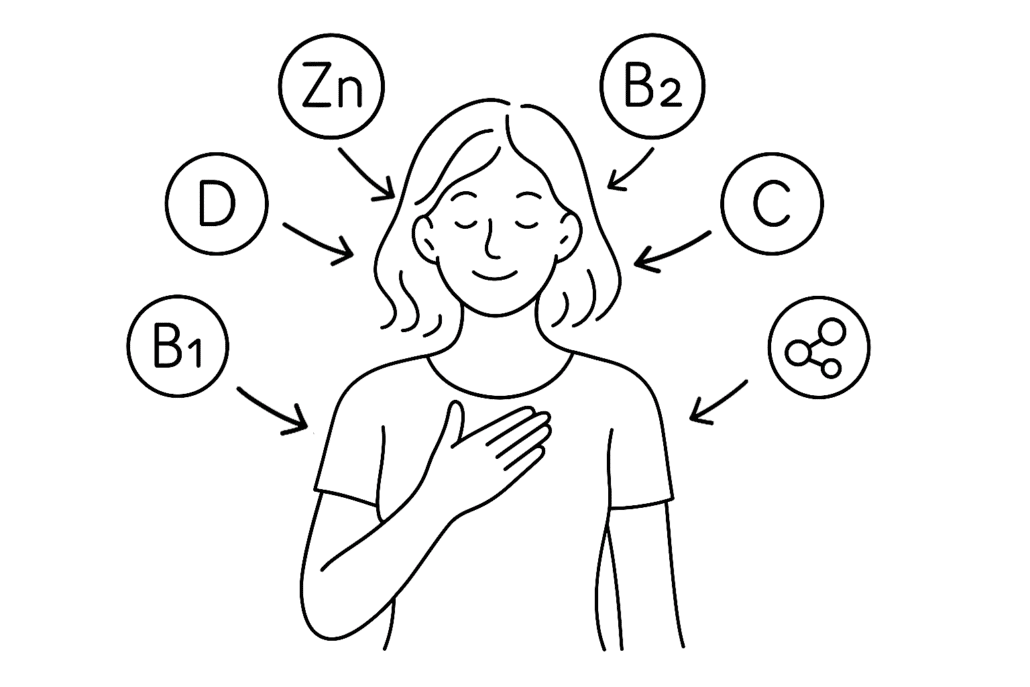
Get the most nutrition out of the food you eat: a tasty pizza or double-patty cheeseburger is not going to cut it!
We nourish our bodies by providing our bones with calcium to keep them strong, our muscles with protein to grow and repair, and our heart, brain, liver, kidneys, and thyroid with vitamins and minerals from fruits and vegetables.
Symptoms of nutrient deficiencies include fatigue, hair loss, dull and dry hair, and poor skin. When neglected, these deficiencies can lead to serious health problems.
For nutrients to be absorbed, food must undergo mechanical and chemical digestion. It begins in the mouth, where digestive enzymes in saliva start breaking down food. Chewing thoroughly is essential. In the stomach, proteins break down into amino acids and carbohydrates into glucose for energy or storage. The nutrients are then absorbed in the small intestine and delivered by the circulatory system to where they’re needed. Excess is stored or eliminated.
For optimal absorption, a healthy digestive system is critical. Poor gut health leads to poor nutrient absorption. Conditions like IBS, celiac disease, or other gastrointestinal issues can hinder digestion. Processed foods are often nutrient-poor, and high-sugar foods can deplete nutrients—especially magnesium. Medications such as antacids, blood pressure meds, antidepressants, and hormone therapies can also interfere with nutrient levels. Stress and alcohol further disrupt digestion and absorption.
Stress increases the body’s need for certain nutrients, including vitamin C, B vitamins, and magnesium. When these become depleted, symptoms like fatigue and irritability appear, along with digestive changes and dull skin, nails, and hair.
To maximize absorption:
- Eat a variety of colorful foods—such as roasted carrots, green pepper, zucchini, and celery in salads.
- Pair plant-based iron sources (like legumes and dried fruit) with vitamin C-rich foods (oranges, salsas, cauliflower) to enhance iron bioavailability.
- Include healthy fats in every meal to absorb fat-soluble vitamins A, D, E, and K. Use oil-based dressings like olive oil, and add nuts, seeds, and avocados to meals.
Polyunsaturated fat sources include:
- Avocado
- Flaxseed
- Fatty fish: salmon, tuna, mackerel, herring, trout, sardines
- Sunflower, sesame, and pumpkin seeds
- Walnuts
Turmeric is a powerful anti-inflammatory herb. Its active ingredient, curcumin, is fat-soluble. For best absorption, consume turmeric with healthy fats and black pepper (piperine). Even a small amount of pepper can dramatically increase bioavailability.
Support gut health with probiotics to aid digestion and nutrient absorption. Probiotic-rich foods include kefir, kombucha, sauerkraut, and Maz-Mix digestive live fermentation drink.
Hydration is key—water helps transport nutrients in the blood. Avoid tea and coffee with meals, as polyphenols can block nutrient absorption, particularly iron. Choose instead fruit and vegetable juices that contain natural digestive enzymes, such as pineapple, melon, and papaya.
Alcohol damages the lining of the stomach and intestines and reduces digestive enzyme activity, impairing nutrient absorption. Stress increases cortisol levels, which slows digestion and interferes with the breakdown and uptake of food.
Nutrients are essential for critical biochemical reactions in the body. Our health depends on consistent intake of macronutrients, micronutrients, and water to function optimally.
#NutrientAbsorption
#DigestiveHealth
#Micronutrients
#HealthyFats
#Probiotics
#IronAbsorption
#Curcumin
#VitaminsAndMinerals
#GutHealth
#FoodAsMedicine
#AntiInflammatoryDiet
#Hydration

