
Are we human or bacteria & viruses?
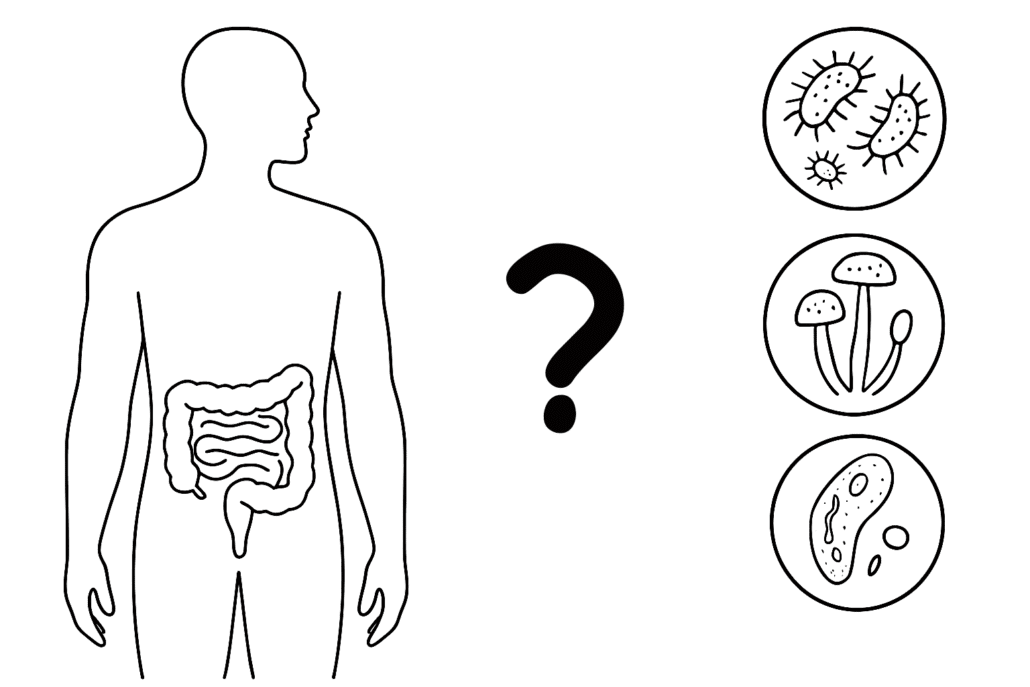
The human body is not a solitary structure of cells—it is a thriving ecosystem, home to trillions of microorganisms. From the skin to the gut, every inch of us is shared with lifeforms so small they are invisible to the naked eye. Here are some staggering numbers to consider:
The Microbial Breakdown
-
Archaea (Archaebacteria): Around 209 species of archaea have been identified, divided into three major groups: Euryarchaeota, Crenarchaeota, and Korarchaeota. These microorganisms are abundant on human skin, comprising over 4% of an individual’s skin microbiota.
-
Bacteria: The human body contains an estimated 39 trillion bacteria, outnumbering our own human cells.
-
Fungi: Fungi inhabit our oral cavities and other bodily environments. While approximately 148,000 fungal species have been classified, estimates suggest that the total number may range between 2.2 and 3.8 million species worldwide.
-
Protists (Protozoa and Algae): Protozoa are present in and on the human body throughout life. Some species are considered part of our normal microbiota, while others can be pathogenic.
-
Viruses: More than 380 trillion viruses live within us, collectively known as the human virome. These are not the deadly viruses we often hear about, but rather an integral part of our internal ecosystem.
Who Really Runs the Show?
We often think of ourselves as being at the top of the food chain, but these numbers suggest otherwise. The human body contains roughly 30 trillion human cells, yet we host around 100 trillion microorganisms—more than three times as many. Most reside in the gut, where the intestinal microbiota includes over 1,200 species of bacteria, playing critical roles in digestion, immunity, and metabolism.
The Invisible Majority
Despite their importance, microbes have historically been overlooked. Being invisible and poorly understood, they’ve often been treated as enemies rather than allies. This has led to a combative relationship—killing them off with antibiotics, disinfectants, and hand sanitizers—often without realizing the collateral damage.
Among these tiny inhabitants are bacteriophages—viruses that infect bacteria living within us. They are incredibly abundant, yet we know remarkably little about their functions or impact on human health.
The Microbiome and Modern Illness
Emerging research reveals strong connections between our microbiome and chronic conditions such as allergies, obesity, and autoimmune diseases. Studies are increasingly emphasizing the importance of microbial exposure during birth, breastfeeding, and interaction with nature, all of which help shape a healthy immune system.
Microbes in Industry and Innovation
As science advances, microbes are being reimagined not as threats but as partners. Entire industries are now springing up around microbiome-based innovations in nutrition, skincare, mental health, and preventive medicine. The mapping of the human microbiome is one of the most exciting frontiers in biology today.
The Post-Pandemic Dilemma
The COVID-19 pandemic (SARS-CoV-2) has heightened our reliance on antibacterial gels and disinfectants. These products, while essential in fighting viral spread, don’t distinguish between harmful pathogens and beneficial microbes. This raises an important question: Are we unintentionally harming our own microbiomes in the process?
We’ve now come to recognize that not all microbes are bad. In fact, many are essential for our health—helping us digest food, regulate inflammation, and protect against infection. But our attempts to sanitize every surface and every hand may be disrupting this delicate balance.
A Call for Balance
We stand at a crossroads: do we continue our war against all microbes, or do we learn to coexist with our microscopic partners? The prudent path forward is one of wisdom—embracing the knowledge that we are not alone in our bodies, and that our health depends on harmony with the trillions of microbial lifeforms we host.
Let us generate awareness, rethink our habits, and foster a more balanced and respectful relationship with the invisible majority that shapes our lives.

