
The Natural Rhythm of Life
The Circadian Rhythm
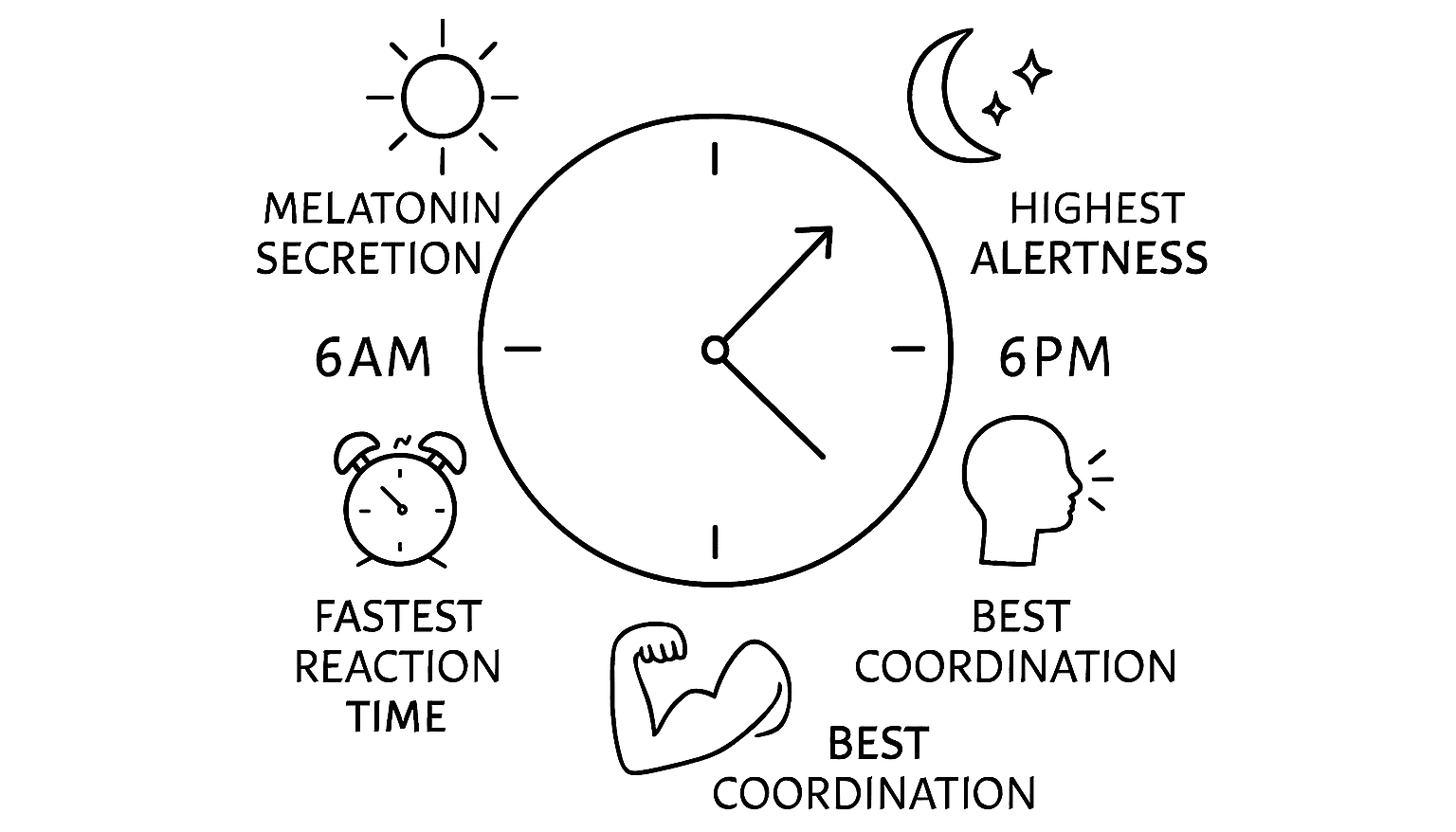
The word “circadian” comes from Latin, meaning “around the day.” The circadian rhythm is a natural, internal biological process that regulates the sleep-wake cycle and repeats roughly every 24 hours—but it does much more than that.
Circadian rhythms are physical, mental, and behavioral changes that follow a daily cycle, responding to light and darkness. Sleeping at night and being awake during the day is a common light-related circadian rhythm found in most living beings, including animals, microbes, and plants. The study of these rhythms is known as chronobiology.
Why a Healthy Circadian Rhythm Matters
A healthy circadian rhythm supports overall wellness and longevity. When disrupted, it can lead to a range of chronic conditions, such as:
- ADHD
- Asthma
- Obesity
- Arthritis
- Stroke
- Cancer
- Insomnia
- Depression
- Diabetes
- Hypertension
- Kidney disease
Understanding the Body’s Internal Clocks
Biological clocks are innate timing devices composed of proteins that interact within nearly every cell, tissue, and organ in the body. These clocks are not the same as circadian rhythms—but they produce and regulate them.
The body’s master clock is located in the brain and is known as the suprachiasmatic nucleus (SCN). This cluster of approximately 25,000 neurons resides in the hypothalamus and receives input from the eyes. It synchronizes biological clocks throughout the body.
The Role of Light and Melatonin
Although internal, circadian rhythms are heavily influenced by external signals, especially daylight. Light exposure can trigger or suppress genes related to the molecular structure of biological clocks. The SCN controls melatonin production—a hormone that makes us sleepy—based on the amount of light received through the optic nerves. Less light (as in the evening) signals the brain to produce more melatonin.
Circadian Rhythm Disorders
Circadian rhythm disorders occur when our internal body clock is misaligned. Common symptoms include:
- Trouble falling or staying asleep
- Waking up in the night and struggling to return to sleep
- Daytime fatigue or unrestful sleep
What Can Disrupt Circadian Rhythms?
- Shift work
- Jet lag or time zone changes
- Use of stimulants or sleep medications
- Irregular sleep schedules or sleep disorders like DSPS
- Stress, mental health issues
- Hormonal changes (e.g., pregnancy, menopause)
Treatments for Circadian Rhythm Disorders
The goal of treatment is to align your sleep schedule with your lifestyle. Approaches may include:
- Bright light therapy: Exposure to light at specific times to reset your rhythm
- Sleep hygiene: Optimizing bedtime routines and environments
- Chronotherapy: Gradually shifting sleep times
- Lifestyle changes: Limiting light exposure and avoiding caffeine in the evening
- Medications: Stimulants or sleep aids to regulate the cycle
Tips for Supporting Natural Rhythms
Circadian rhythms affect sleep, hormone release, digestion, temperature, and other vital functions. Even minor disruptions can lead to long-term issues. Excess screen time from mobile devices, especially at night, may negatively affect circadian rhythms. Research suggests those struggling with weight loss may benefit from aligning meals and fluids between 6 a.m. and 6 p.m. Herbal teas and tinctures should be consumed in the morning. It’s also recommended to avoid electronics at least one hour before bedtime to support healthy sleep cycles.
In summary, circadian rhythms are more than just sleep patterns—they orchestrate our physical, emotional, and mental well-being. By nurturing these rhythms through consistent routines, daylight exposure, and healthy lifestyle habits, we align ourselves with the natural flow of life and promote long-term wellness.
#CircadianRhythm
#NaturalSleep
#Chronobiology
#SleepHealth
#BiologicalClock
#NaturalHealing
#LightTherapy
#NaturallyMazcal
The Circadian Rhythm

