The Natural Rhythm of Life
The Circadian Rhythm
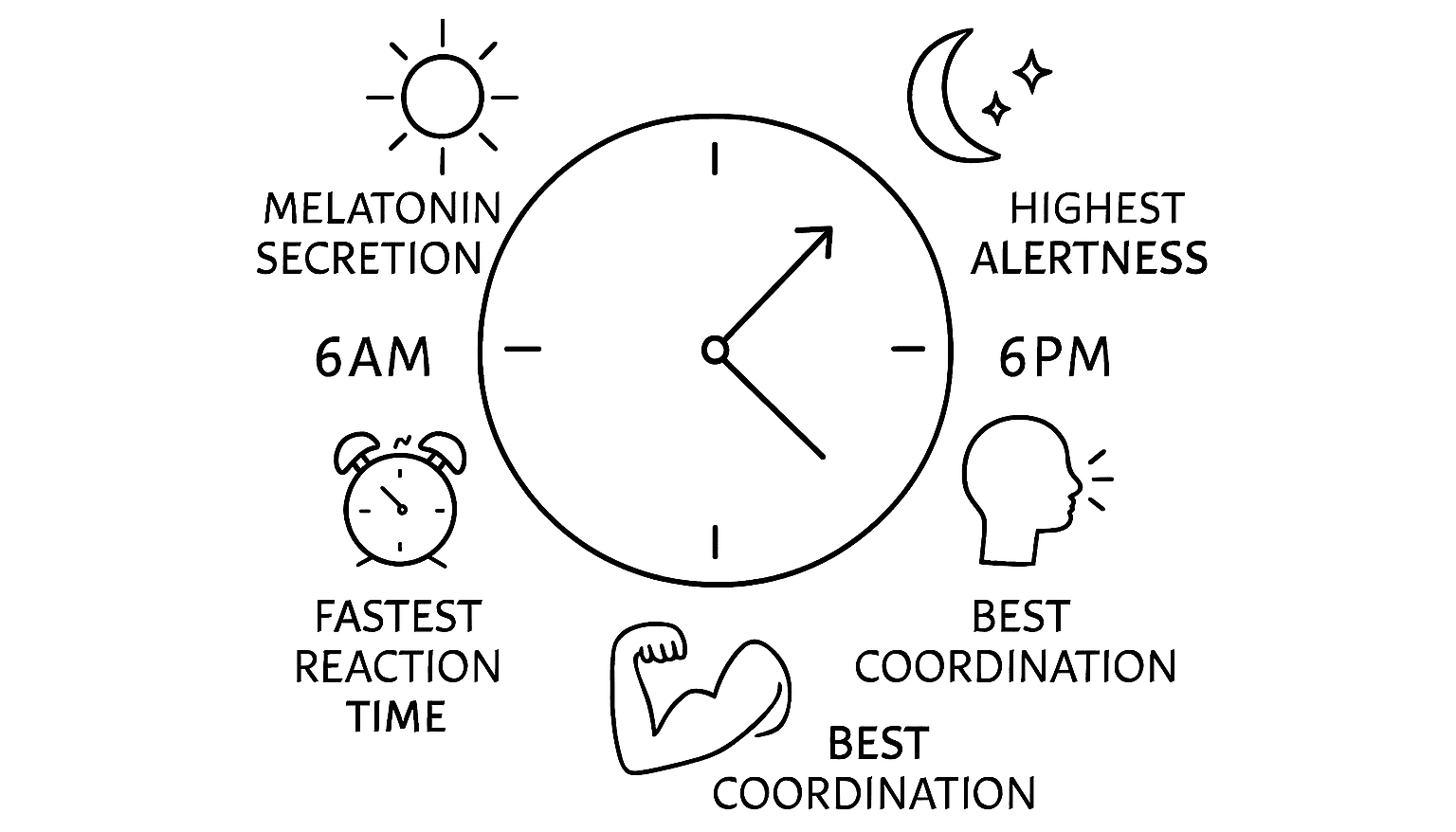
The word “circadian” comes from Latin, meaning “around the day.” The circadian rhythm is a natural, internal biological process that regulates the sleep-wake cycle and repeats roughly every 24 hours—but it does much more than that.

Circadian rhythms are physical, mental, and behavioral changes that follow a daily cycle, responding to light and darkness. Sleeping at night and being awake during the day is a common light-related circadian rhythm found in most living beings, including animals, microbes, and plants. The study of these rhythms is known as chronobiology.

Why a Healthy Circadian Rhythm Matters

A healthy circadian rhythm supports overall wellness and longevity. When disrupted, it can lead to a range of chronic conditions, such as:

  • ADHD
  • Asthma
  • Obesity
  • Arthritis
  • Stroke
  • Cancer
  • Insomnia
  • Depression
  • Diabetes
  • Hypertension
  • Kidney disease

Understanding the Body’s Internal Clocks

Biological clocks are innate timing devices composed of proteins that interact within nearly every cell, tissue, and organ in the body. These clocks are not the same as circadian rhythms—but they produce and regulate them.

The body’s master clock is located in the brain and is known as the suprachiasmatic nucleus (SCN). This cluster of approximately 25,000 neurons resides in the hypothalamus and receives input from the eyes. It synchronizes biological clocks throughout the body.

The Role of Light and Melatonin

Although internal, circadian rhythms are heavily influenced by external signals, especially daylight. Light exposure can trigger or suppress genes related to the molecular structure of biological clocks. The SCN controls melatonin production—a hormone that makes us sleepy—based on the amount of light received through the optic nerves. Less light (as in the evening) signals the brain to produce more melatonin.

Circadian Rhythm Disorders

Circadian rhythm disorders occur when our internal body clock is misaligned. Common symptoms include:

  • Trouble falling or staying asleep
  • Waking up in the night and struggling to return to sleep
  • Daytime fatigue or unrestful sleep

What Can Disrupt Circadian Rhythms?

  • Shift work
  • Jet lag or time zone changes
  • Use of stimulants or sleep medications
  • Irregular sleep schedules or sleep disorders like DSPS
  • Stress, mental health issues
  • Hormonal changes (e.g., pregnancy, menopause)

Treatments for Circadian Rhythm Disorders

The goal of treatment is to align your sleep schedule with your lifestyle. Approaches may include:

  • Bright light therapy: Exposure to light at specific times to reset your rhythm
  • Sleep hygiene: Optimizing bedtime routines and environments
  • Chronotherapy: Gradually shifting sleep times
  • Lifestyle changes: Limiting light exposure and avoiding caffeine in the evening
  • Medications: Stimulants or sleep aids to regulate the cycle

Tips for Supporting Natural Rhythms

Circadian rhythms affect sleep, hormone release, digestion, temperature, and other vital functions. Even minor disruptions can lead to long-term issues. Excess screen time from mobile devices, especially at night, may negatively affect circadian rhythms. Research suggests those struggling with weight loss may benefit from aligning meals and fluids between 6 a.m. and 6 p.m. Herbal teas and tinctures should be consumed in the morning. It’s also recommended to avoid electronics at least one hour before bedtime to support healthy sleep cycles.

In summary, circadian rhythms are more than just sleep patterns—they orchestrate our physical, emotional, and mental well-being. By nurturing these rhythms through consistent routines, daylight exposure, and healthy lifestyle habits, we align ourselves with the natural flow of life and promote long-term wellness.


#CircadianRhythm
#NaturalSleep
#Chronobiology
#SleepHealth
#BiologicalClock
#NaturalHealing
#LightTherapy
#NaturallyMazcal

Sleep Apnea & the Importance of Sleep

Sleep is essential for good health. Lack of sleep increases the risk of obesity, diabetes, cardiovascular disease, and other chronic illnesses. It may also elevate the risk of dementia, which can eventually lead to Alzheimer’s disease.

Understanding Obstructive Sleep Apnea (OSA)

OSA is a common sleep disorder that occurs when the upper airway repeatedly collapses during sleep, interrupting normal breathing. It affects people of all ages, though the risk increases with age.

In adults, the most common cause of OSA is excess weight or obesity. Soft tissue in the mouth and throat can relax too much during sleep, leading to airway obstruction.

Men with OSA often snore loudly—likened to a truck engine. In contrast, women may experience insomnia, fatigue, headaches, depression, and anxiety—symptoms often overlooked or misattributed, especially during menopause.

Treatment Options for Sleep Apnea

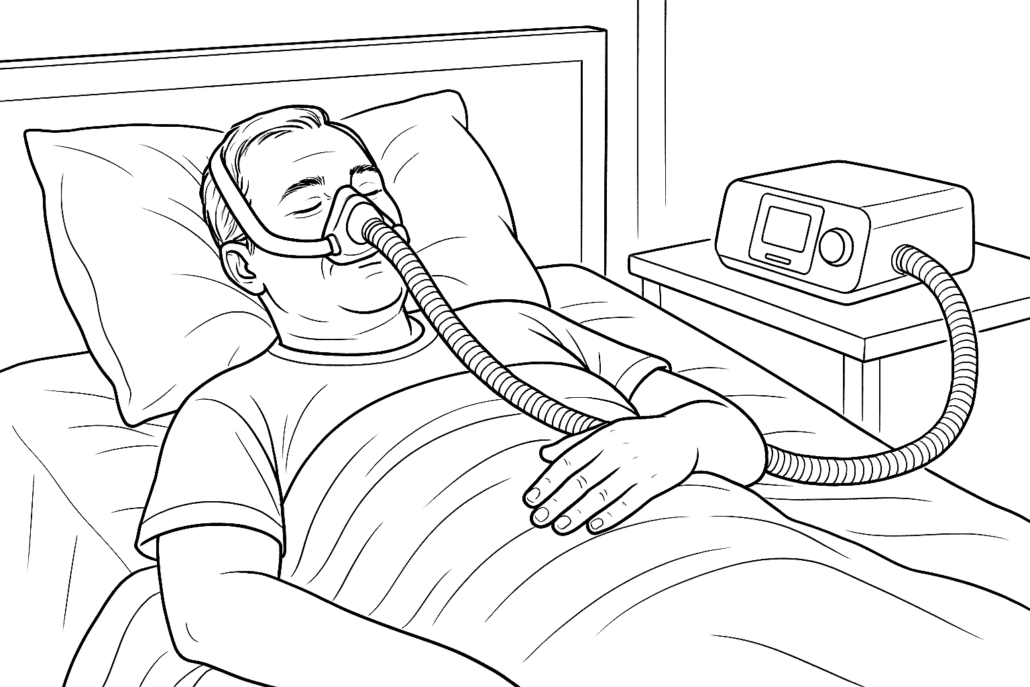
Positive airway pressure (PAP) therapy uses compressed air to keep airways open during sleep. It has been shown to reduce the likelihood of dementia, including Alzheimer’s disease, in older adults with OSA.

The most common form, continuous positive airway pressure (CPAP), delivers a steady stream of air through a mask. While effective, CPAP machines can be noisy and uncomfortable. Cold, dry air may irritate the eyes and sinuses, but adding a heated humidifier can help—just avoid setting it too high to prevent condensation buildup.

Left untreated, OSA can be life-threatening, increasing the risk of sudden cardiac death. Addressing sleep issues is critical for long-term health.

Lifestyle Changes for Sleep Apnea

  • Lose excess weight
  • Practice yoga or regular exercise to boost energy, heart health, and sleep quality
  • Modify sleep position—sleep on your side or stomach rather than your back
  • Use a humidifier with temperature control
  • Quit smoking

Herbal Remedies for Sleep Apnea

  • Chamomile: Take as a tincture or tea to improve sleep quality
  • Valerian root: Used for centuries to treat sleep disorders
  • Lemon balm: A citrus-scented mint family herb for stress, anxiety, and insomnia
  • Passionflower and Valerian: Combined tinctures enhance sleep quality
  • Magnolia and Tila flower tincture: Help with anxiety and insomnia
  • Tila flower and St. John’s Wort: Ease stress and improve sleep
  • Tart cherry juice: Helpful when you have trouble falling asleep
  • Kiwi and romaine lettuce: May improve sleep time and efficiency
  • Nettle tincture: A natural antihistamine during allergy season; may cause drowsiness
  • Walnuts: Contain melatonin—ideal as a bedtime snack

#SleepApnea
#BetterSleep
#OSA
#NaturalRemedies
#HerbalSleepAid
#CPAP
#TilaFlower
#NaturallyMazcal

Pain Relief Using Essential Oils, Naturally

When medications are not easing your pain, you might consider going natural by using alternative remedies. Essential oils are a traditional and natural way to relieve pain.

Essential oils are highly fragrant substances extracted from the petals, stems, roots, bark, and other parts of plants. They are obtained through steam distillation, a centuries-old method that uses heat to evaporate the volatile compounds. During condensation, the oils separate due to their hydrophobic nature.

There is evidence that essential oils can help treat depression, inflammation, headaches, localized pain, respiratory issues, and sleep disorders.

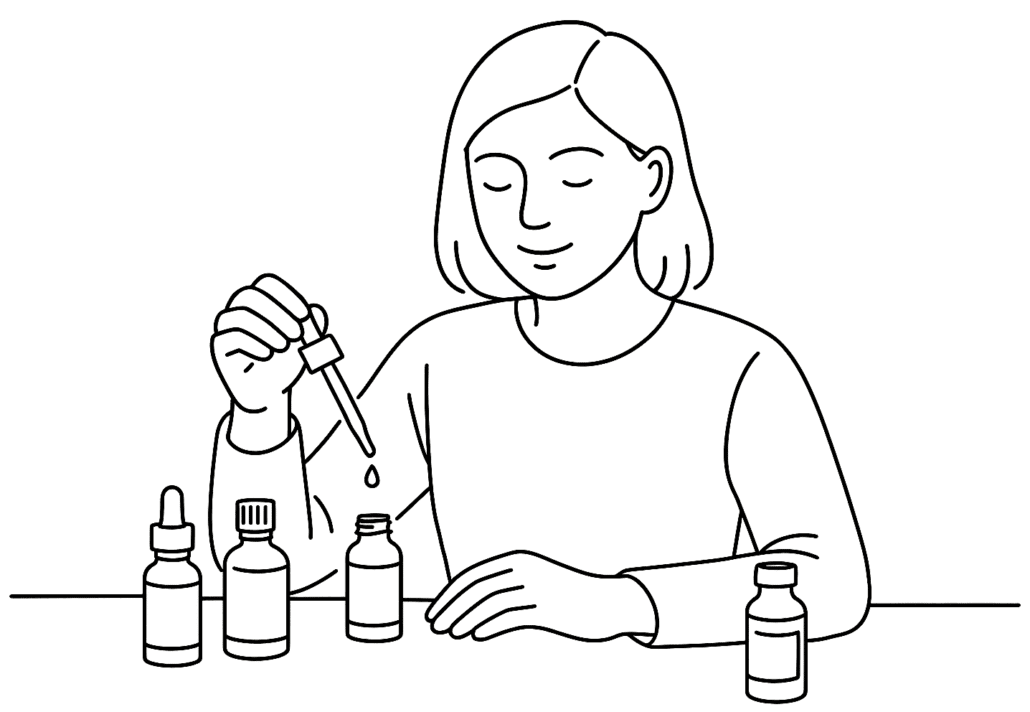
Essential oils can be inhaled or applied topically when mixed with a carrier oil. Never apply undiluted essential oils directly to the skin, and do not ingest them, as they are toxic. Always perform a skin patch test before use. If you don’t experience irritation or discomfort within 12 to 24 hours, the oil is likely safe for use.

Recommended Essential Oils for Pain Relief

  • Cinnamon Leaf: Contains cinnamaldehyde, which reduces inflammation and acts as an antimicrobial. It helps stimulate circulation, reduce stress, relieve pain, fight infections, and improve digestion.
  • Lavender: Acts as an analgesic and anti-inflammatory. When applied topically, it provides pain relief comparable to prescription medications like Tramadol. Inhaling lavender can reduce migraine headache severity.
  • Red Rose: Helps alleviate menstrual discomfort, stress, and anxiety. It has antibacterial and antifungal properties, stimulates libido, and reduces depressive symptoms.
  • Bergamot: Used in aromatherapy to treat neuropathic pain, which is often resistant to opioid medications.

How to Use Essential Oils for Pain Relief

Dilute essential oils with a carrier oil such as apricot kernel, avocado, coconut, grapeseed, sweet almond, or sesame oil. Use only a few drops of essential oil—typically 10 drops per tablespoon of carrier oil.

Massaging diluted essential oil into the skin can help loosen muscles and alleviate pain. You can self-massage or use a professional.

For menstrual relief, blend cinnamon, clove, rose, and lavender in sweet almond oil. For terminal patients, massaging bergamot, lavender, and frankincense can reduce pain and depression. A combination of red rose and cinnamon leaf can ease tendon and rheumatoid arthritis pain quickly and effectively.

For inhalation, add a few drops of essential oil to a diffuser and inhale the steam, or place drops in a bowl of hot water, cover your head with a towel, and breathe in the vapors.

For a hot bath, dissolve five drops of essential oil into one ounce of carrier oil. Soaking allows the oils to absorb through the skin, and the steam provides additional aromatherapy benefits. Avoid very hot baths to prevent dizziness.

Risks and Warnings

Use caution when trying any new essential oil. Always dilute with a carrier oil. Do not apply undiluted oils directly to the skin, especially if pregnant, nursing, or if you have a medical condition.

Possible side effects include:

  • Skin irritation
  • Skin inflammation
  • Sun sensitivity
  • Allergic reaction

Some essential oils or commercial blends may include additional ingredients that could cause adverse reactions. Avoid applying oils around the eyes, lips, or open wounds.

Essential oils can enhance physical, emotional, and mental well-being. Each oil has a unique scent and set of benefits. Incorporating them into your pain management routine may offer natural support with minimal risk, and you can adjust usage as needed.