
Pesticide and Herbicide Consequences in Our Food Supply
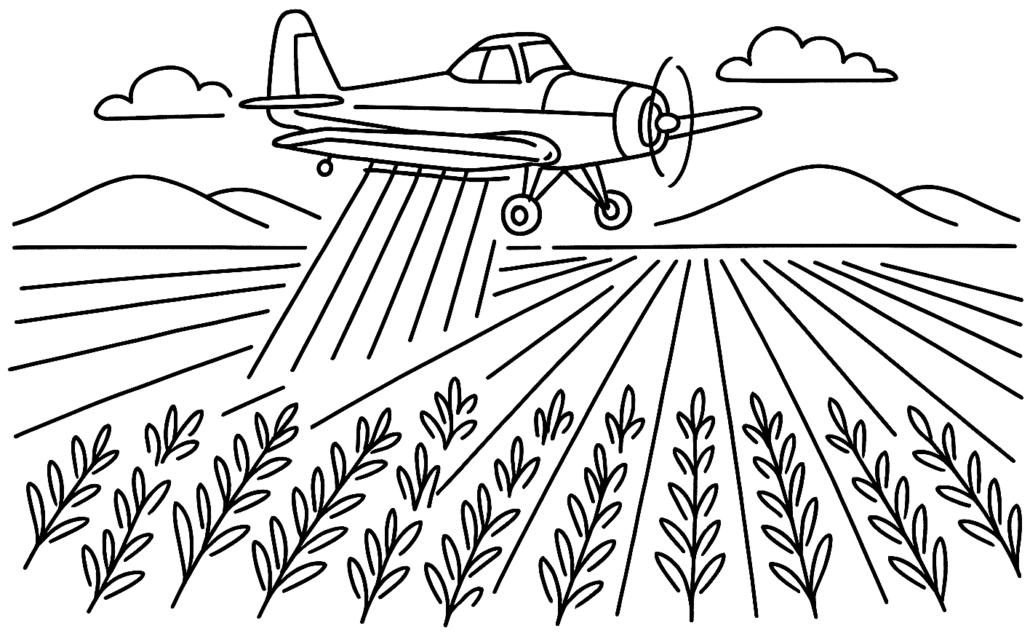
Pesticides and herbicides are toxic to humans and have been linked to serious health effects, including cancer, damage to the immune and nervous systems, disrupted sleep, and metabolic disorders such as diabetes.
These chemicals are widely used in food production to control insects, bacteria, mold, fungus, rodents, and weeds. One of the most well-known herbicides, Roundup®, contains the active ingredient glyphosate and was introduced by Monsanto in 1974. Glyphosate is now one of the most widely used herbicides globally. In addition to post-harvest weed control, some farmers use glyphosate as a desiccant to force crops to ripen early before harvest.
Glyphosate has been classified as a probable carcinogen by major international health organizations. It is the subject of thousands of lawsuits brought by individuals diagnosed with cancer after years of exposure. In one landmark case, a school groundskeeper was awarded $289 million in damages after the jury determined that repeated exposure to Roundup® caused his non-Hodgkin’s lymphoma.
Glyphosate acts as an endocrine disruptor, interfering with hormone regulation. Studies have shown that at high doses, it may induce breast cancer in human cells and cause damage to blood cells. Even at low levels, glyphosate can increase oxidative DNA damage, raising the risk of cell mutations.
Now more than ever, it’s important to choose pesticide- and herbicide-free produce. While buying conventional fruits and vegetables may save money short-term, the long-term health costs can be significant. Pesticide exposure has been linked to disrupted sleep, which is critical to brain function, detoxification, and overall health. During sleep, cerebrospinal fluid clears waste from the brain. Poor sleep is associated with increased risk of heart disease and cancer.
Two common pesticides, carbaryl and carbofuran, have been shown to interfere with sleep and hormone regulation. Although these are banned in many countries due to toxicity, they are still permitted in the U.S. and used in agricultural production in other countries, including Mexico. Residues from these chemicals can remain in plants, food, and wildlife.
Choosing organic produce helps reduce pesticide intake and protect the environment. While organic options can be costly, there are alternatives. In Puerto Vallarta, for example, fresh and affordable organic vegetables can be found at weekly open-air markets, or Tianguis, which offer direct-from-the-farm produce.
Another solution is to grow your own food through organic gardening. It’s simple to get started, even for beginners. Organic gardening avoids synthetic fertilizers and pesticides while using natural methods to support plant health.
Tips for Starting an Organic Garden
- Choose a location that receives 6 to 8 hours of sunlight daily.
- Use nutrient-rich soil and maintain it with mulch.
- Select plant varieties suitable for your local climate.
- Practice crop rotation to maintain soil health.
- Water efficiently and regularly.
- Enjoy your fresh, organic harvest!
Growing your own food is a rewarding way to reduce chemical exposure, save money, and reconnect with nature.
#Pesticides
#Herbicides
#Glyphosate
#OrganicFood
#Roundup
#NonHodgkinLymphoma
#EndocrineDisruptors
#SleepHealth
#OrganicGardening
#VictoryGarden
#GrowYourOwn
#ChemicalFreeLiving
#HealthAndWellness
#Tianguis
#PuertoVallartaMarkets

