
Liver Regeneration – Naturally
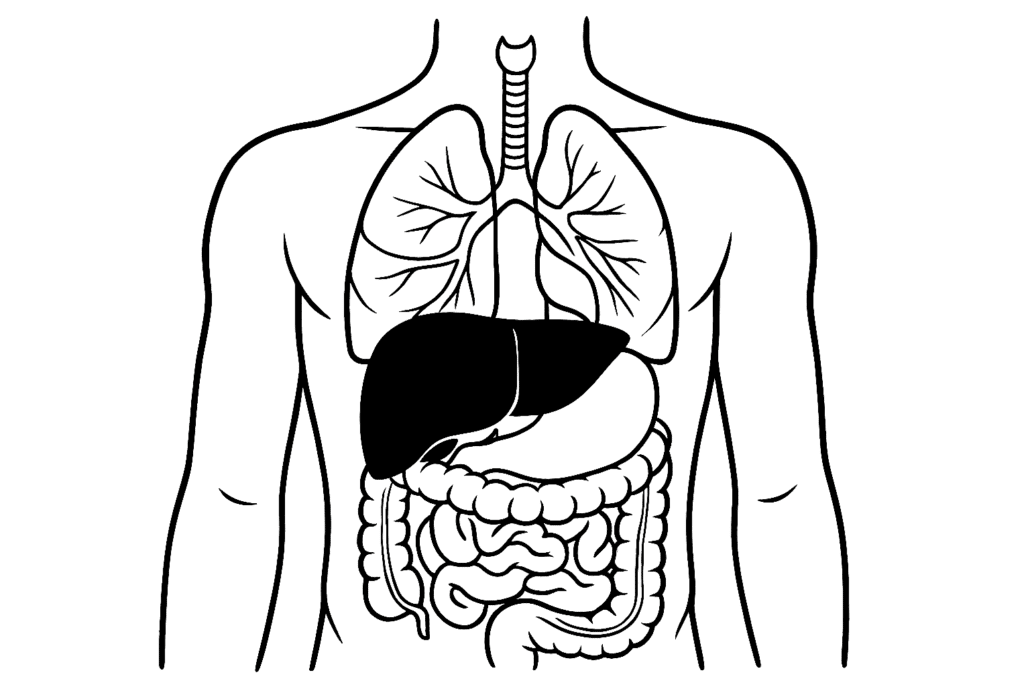
The liver is the largest internal organ in the human body, located on the upper right side of the belly, beneath the rib cage. It has two large lobes and is made of lobules—specialized tissues that transport blood and cells. The liver receives blood from both the gastrointestinal tract and the heart through two main veins. It connects with other digestive organs via a network of tubes that collect bile, digest food, and remove waste.
As the central detoxification organ, the liver constantly communicates with the body, receiving information about nutrient levels and potential threats like medications, heavy metals, and toxins. A healthy liver ensures efficient metabolism, strong circulation, hormone balance, clean blood, and proper digestion.
Benefits of a Healthy Liver
- A positive mood and sharper mind
- Clear skin
- Fresh breath and oral health
- Relief from sinus pain
- Fewer infections
- Increased energy levels
- Improved digestion and regularity
- Stronger immunity
Main Functions of the Liver
- Breaks down and removes excess hormones
- Filters blood from the digestive tract, stores blood, enables blood clotting, and removes damaged blood cells
- Produces bile
- Converts nutrients for absorption
- Distributes nutrients throughout the body and maintains ideal levels
- Eliminates toxic waste
- Stores essential vitamins and minerals
- Regulates fat conversion; creates triglycerides and cholesterol
- Converts carbohydrates into glucose for energy storage
Liver Regeneration Capacity
The liver has an exceptional ability to regenerate—even with only 25% of it remaining healthy, regeneration is still possible. However, severe scarring inhibits regeneration and may lead to liver failure.
Types and Symptoms of Liver Disease
Liver disease is a major global health issue. In North America, one in ten people is affected. Common liver diseases include:
- Alcoholic liver disease: Caused by heavy alcohol consumption
- Cirrhosis: Scar tissue replaces healthy cells
- Non-alcoholic fatty liver disease: Often linked to obesity, metabolic syndrome, and type 2 diabetes
- Liver cancer
- Liver failure: Occurs when scarring becomes so severe that liver function stops
Symptoms may be absent in early stages, but as inflammation and scarring worsen, signs become more noticeable:
- Abdominal pain, typically in the center or upper right
- Bloating and gas
- Easy bruising, acne, and excessive sweating
- Confusion and difficulty concentrating
- Constipation
- Dark urine, pale or tar-colored stool
- Dry, dark skin patches (neck, underarms)
- Fatigue
- Enlargement or shrinking of the liver
- Nausea, vomiting, loss of appetite, weight loss
- Swelling in the legs and ankles
- Yellowing of the skin (jaundice)
- Overall weakness
Natural Ways to Regenerate the Liver
Juicing vegetables enhances nutrient absorption and supports liver detoxification. Ideal vegetables include:
- Asparagus
- Broccoli
- Brussels sprouts or cabbage
- Cauliflower
- Celery
- Beets
- Carrots
- Cucumber
- Leafy greens like kale, spinach, dandelion, watercress
Herbs also play an essential role in liver health:
- Parsley, mint, cilantro, and basil: Support the digestive system
- Ginger root: Anti-inflammatory and aids digestion—use in stir-fries, soups, or salads
- Dandelion: Promotes bile flow, acts as a diuretic, and supports toxin removal
- Milk thistle: A powerful detoxifier that rebuilds liver cells and protects against alcohol, pollution, and heavy metal damage
Maintaining liver health is key to overall wellness. Support your liver naturally through a nutrient-dense diet, detoxifying herbs, and lifestyle choices that minimize toxin exposure.

