
Heavy Metals Toxicity
Detox Naturally
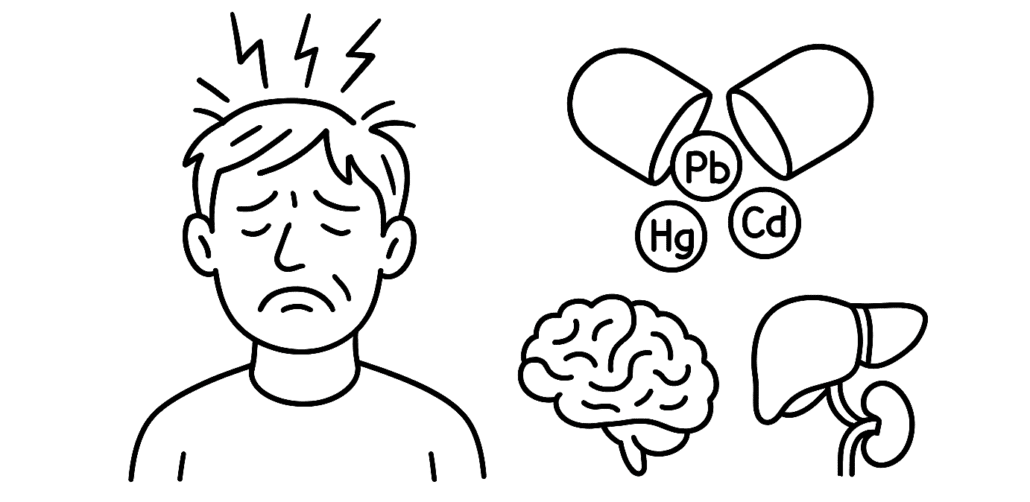
Heavy metals are considered systemic toxicants; they poison multiple areas of the body and induce organ damage at any level of exposure.
Exposure to heavy metals has been linked to Alzheimer’s disease, alopecia (hair loss), depression, fatigue, glucose intolerance, nutrient malabsorption, Parkinson’s disease, inadequate testosterone production, and vision problems.
We should be most concerned about aluminum, arsenic, cadmium, chromium, lead, and mercury. Exposure to these toxic metals comes from our environment, workplace, food, or water supply.
For example, the effects of mercury-laden fillings are alarming. These fillings are one of the top contributing causes of mercury poisoning, which can result in tremors, insomnia, headaches, nerve damage, kidney problems, and respiratory failure.
Recognizing Exposure
How can we identify exposure to any of these toxic metals? One common sign is chronic low energy, as heavy metals interfere with mitochondrial ATP production—the basic unit of energy in your cells—and disrupt enzyme function, which is essential for metabolism.
Understanding the symptoms and chronic conditions associated with heavy metal toxicity is critical to diagnosis and treatment.
Focus on Aluminum Toxicity
Today, we’ll focus on aluminum toxicity. Exposure to aluminum is common through food, water, and even air. It can also come from aluminum cookware, cans, overuse of antacids, antiperspirants, and cosmetics.
Hair analysis shows that nearly 80% of people tested have elevated aluminum levels in their hair.
Aluminum is linked to numerous health issues including Alzheimer’s disease, Parkinson’s disease, anemia, colic, and dental caries, yet it remains classified as a non-carcinogen.
Doctors may prescribe the chelating medication deferoxamine to treat aluminum toxicity.
Aluminum and Breast Cancer
The potential connection between aluminum in deodorants and breast cancer is especially concerning. Aluminum is known to cause neurotoxicity—damage to the central and/or peripheral nervous system.
Recent studies confirm that many people are still exposed to dangerous levels of aluminum. It’s essential to monitor all sources of exposure, including deodorant, cooking tools, and packaging materials.
Common Sources of Aluminum Exposure
- Cosmetics and personal care products
- Food packaging
- Cooking tools: Researchers warn that uncoated aluminum cookware and aluminum-based cosmetics may cause individuals to exceed safe exposure limits.
How to Avoid Aluminum Exposure
- Cosmetics and Personal Care: Check your deodorant and toothpaste first, then examine products like eye shadow, mascara, eyeliner, blush, nail polish, sunscreen, hair dye, face masks, and hairspray.
- Use Alum Crystal: Consider switching to an Alum Crystal deodorant, made of the natural mineral salt potassium alum, which has antimicrobial properties and has been used for centuries.
- Avoid Aluminum Cookware: Do not prepare or store food in uncoated aluminum pots, pans, or foil, especially acidic or salty foods, which accelerate leaching.
- Be Cautious with Takeout: Many restaurants use aluminum foil or containers for leftovers. Transfer your food to safer containers as soon as possible.
Detoxification and Elimination
- Chelation Therapy: The most effective medical treatment for heavy metal toxicity, where chelating agents bind to metals so they can be excreted.
- High-Dose Vitamin C: Can also act as a natural chelating agent.
- Urinary Elimination: Aluminum is primarily excreted through urine. Milk thistle tonic and dandelion root tincture, along with adequate water intake, aid the detox process.
- Skin Detox: Take hot baths with Epsom salts to encourage toxin elimination through the skin.
- Water Purification: To remove aluminum from drinking water, use reverse osmosis, distillation, or deionization filtration methods.

