
Adrenal Fatigue and Cortisol
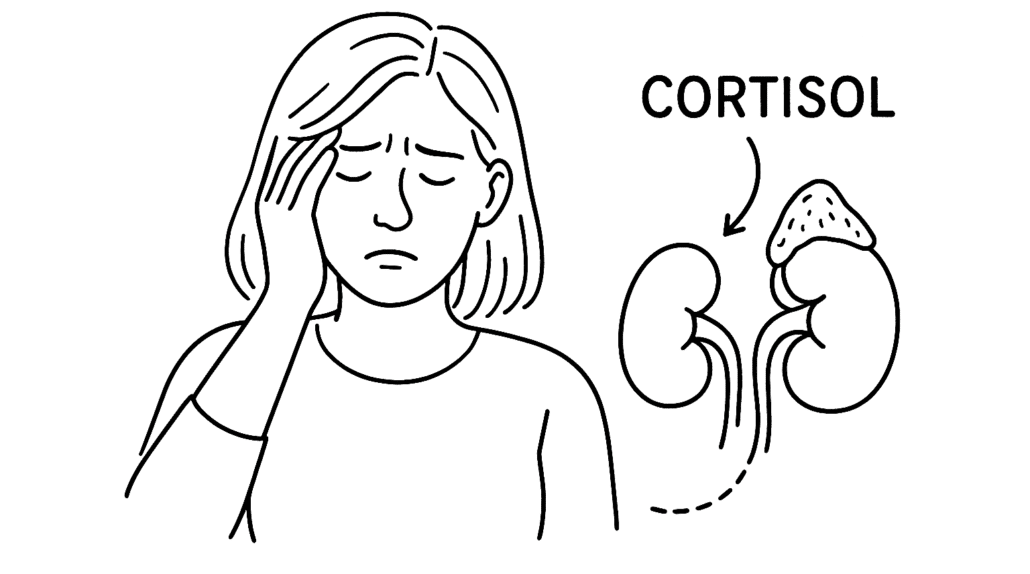
Cortisol is an important steroid hormone that regulates a wide range of vital processes throughout the body, including metabolism and the immune response. It also has a significant role in helping the body respond to stress.
Adrenal fatigue was proposed as a new condition in 1998 by Dr. James L. Wilson, a naturopath. He assumed that overstimulation of the adrenal glands by long-term stress could lead to a varying level of the stress hormone cortisol in the bloodstream.
Adrenal glands are two thumb-sized organs sitting above our kidneys which are part of the endocrine system. Known as the suprarenal glands, involved in producing over 50 hormones that drive almost every bodily function, many of which are essential for life.
The adrenal glands work closely with the hypothalamus and the pituitary gland in a system known as the hypothalamus-pituitary-adrenal axis. In addition, the thyroid and heart are all vibrationally connected.
Adrenal glands play a huge role in stress response. Our adrenal glands are responsible for harmonizing hormones this way:
When our brain registers a threat, whether emotional, mental or physical, the adrenal cortex releases corticosteroids to dampen processes like digestion, immune system response and many functions not needed for immediate survival.
The adrenal medulla releases cortisol and adrenaline hormones react to the threat: blood rushes to the brain, heart and muscles, inducing an immediate survival fight-or-flight response.
Symptoms and what to do about it.
When your cortisol levels climb too high, you’re bound for adrenal fatigue. Learn to know when you’re approaching adrenal burnout,
Our hormones are essential for our store of energy. When your hormones are out of balance, your adrenal health suffers.
When we are under constant stress, our adrenals have weakened due to adrenal fatigue. Overcome this problem by making lifestyle changes to readjust cortisol levels.
There are three major phases of adrenal fatigue:
Phase one – Cortisol levels are too high all the time. You can feel good during this stage, have a lot of energy. Neglecting to make any diet or lifestyle changes, you’ll move into Phase two.
Phase two – At this point, your cortisol levels will start to drop too low, and you will begin to experience fatigue and other symptoms.
Phase three – At this stage, your cortisol levels are very low virtually all of the time. You will feel exhausted and have no energy to do any work or daily activities.
Adrenal health and gut health are intimately connected.
The two most critical adrenal hormones also help regulate the digestive tract by strengthening the immune system and reducing inflammation. Dehydroepiandrosterone (DHEA) and cortisol are the most abundant hormones in the human body. Adrenals released are end products of a closely coordinated endocrine response to stress. Both mediate short- and long-term stress responses and enable physiological and behavioral adjustments necessary for maintaining homeostasis.
Detrimental effects of chronic or repeated elevations in cortisol on behavioral and emotional health.
Cortisol and DHEA are made throughout the body, but the adrenal glands primarily produce them.
Cortisol is the primary anti-inflammatory hormone in the gut. If your cortisol levels are too high or low, you might experience chronic digestive issues due to gut inflammation which can also lead to inflammation in other areas of your body.
DHEA is essential for our immune system as it helps fight and prevent infections in our gut. We are exposed to pathogenic bacteria regularly, and DHEA helps protect our bodies against harmful bacteria.
Having the right amounts of cortisol and DHEA is crucial for healthy adrenals, digestion, and immune functioning.
Adrenal Fatigue Symptoms
Cortisol is involved in other key body functions that can alert us of apparently unrelated issues indicating stress on the adrenals and are many. Here are some:
Chronic infections from bacteria or fungus, dizziness or light-headedness upon standing, dry skin, easily startled, excessive sweating from any activity. Feeling tired and wired simultaneously, easily irritated, knee weakness or pain and heart palpitations.
- Spiked Blood Sugar: Cortisol is linked to blood sugar regulation; if your blood sugar is too high or low, it may signify cortisol issues.
- Low Blood Pressure: If your blood pressure tends to be too low, that’s a good sign that your cortisol output is too low.
- Poor Sleep; If you have trouble falling asleep or not feeling rested when you wake up, it could signify cortisol dysregulation.
- Infertility: Adrenal hormones help regulate sex hormones. If you’re having difficulty getting pregnant, you may need to address your adrenals.
- Lower back pain
- Muscle twitches
- Premature aging
- Low libido
- Sensitivity to light
- Salt cravings
- Sweet, sugar, and carb cravings
Learn to Support Your Adrenals
Restoring your adrenals is possible through healthy lifestyle adjustments, diet, and supplementation.
- Lower stress levels. Do not get upset about trivial issues. Self-care practices, do yoga poses for adrenal fatigue! Meditate.
- Eliminate sugar and processed food that put a lot of stress on the adrenals. Eliminate gluten, dairy, and soy from your diet, as these foods cause inflammation.
- Eat a natural, whole foods-based diet. Eat animal protein, healthy fats, vegetables, and fruits.
- Get quality sleep. We need 7-8 hours of quality sleep every night to strengthen the adrenals. Go to bed by 10 every night.
- Reduce coffee. Coffee wears out your adrenals. Take a break by drinking plenty of fresh water or herbal tea. Limit yourself to one cup of coffee in the morning.
Supplements That Support the Adrenals
Some vitamins can help boost adrenal health. Focus on eating more foods that contain these vitamins.
Maz-Mix, a supplement fermentation developed to rebuild your gut; it replaces bad bacteria with good probiotics and prebiotics, provides 26 amino acids, including the nine essentials, plus omega 3, fiber, vitamin C, and veggie protein.
Vitamin C is directly related to cortisol output and is found in its highest concentration in the adrenal glands. Choosing a Vitamin C with bioflavonoids can help aid in the absorption of the vitamin.
B Vitamins are necessary for gut health and overall well-being. In particular, Pantothenic Acid, or B5, is essential for the adrenal glands as it creates every hormone in the body. Vitamin B5 also helps with anxiety, stress and the production of cortisol.
Adaptogenic Herbs are available in tinctures, capsules or tea, such as Ashwagandha, Ginseng, Maca, Licorice and Rhodiola to support the adrenals. These herbs are considered adaptogenic because they adapt to the state of your body. They will raise cortisol if your cortisol is too low, or lower it if it is too high.
When you are experiencing any type of chronic stress (physical, mental, emotional) for a prolonged period, I suggest getting your adrenals tested by Dr. Rose Backman and Sherry Carter. Once you support your adrenals through diet, lifestyle, and supplementation, you can begin to heal your body, regain your energy, and feel vibrant again.

