Chilcoatl

Overview

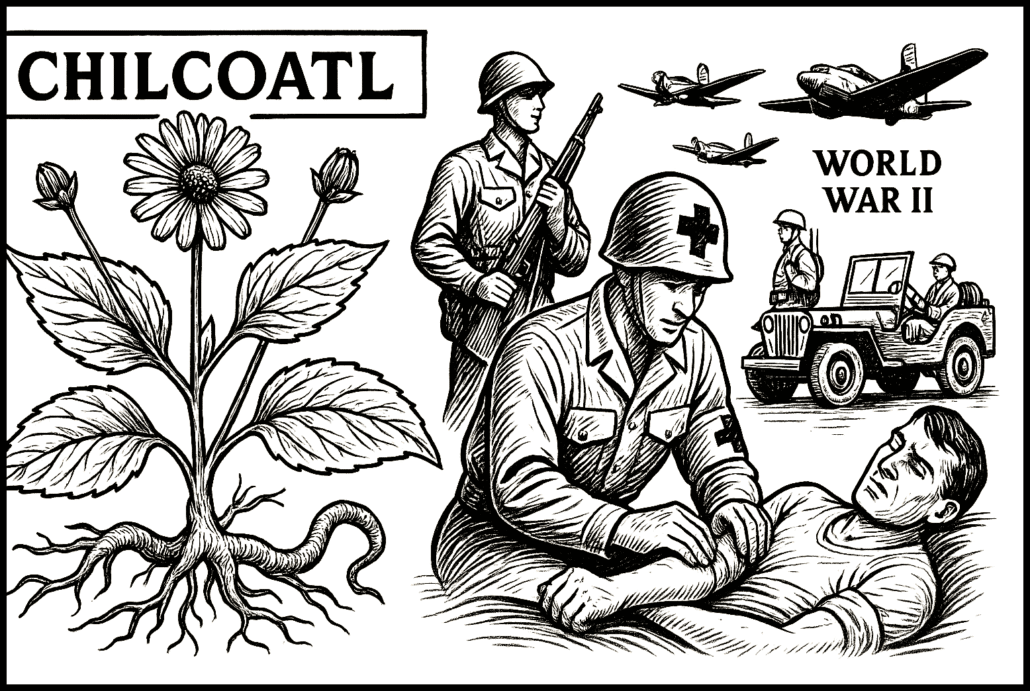
Chilcoatl (Heliopsis longipes, Asteraceae: Heliantheae) is a rare and powerful medicinal plant that thrives only in the volcanic soils of central Mexico. Its name comes from the Nahuatl language of the Aztecs: chil meaning “spicy,” and cóatl meaning “serpent.” The plant’s roots twist like a snake when pulled from the ground, inspiring its ancient name.

This remarkable root has been used for centuries to help combat stubborn infections, including Helicobacter pylori—a bacteria linked to gastritis, ulcers, and hernias—and the fungus Candida albicans, responsible for chronic candidiasis. It is also used against onychomycosis (the fungus that turns toenails yellow). Chilcoatl can be prepared as teas, creams, extracts, tinctures, tonics, and powders, offering versatile natural healing applications.

Traditional Use & Healing Legacy

Chilcoatl’s use dates back thousands of years among the Aztec (Mexica), Olmec, and Toltec civilizations. Revered as a sacred medicine, it was relied upon to treat pain, infection, and inflammation both internally and externally. Ancient healers discovered its ability to act as a natural antibiotic, analgesic, and anesthetic—qualities that continue to make it a valued herbal remedy today.

Modern herbalists still use it to help alleviate arthritis, reduce inflammation, and support the respiratory and digestive systems. In Mexico’s traditional medicine, Chilcoatl remains a key ally against parasites, bacterial infections, and chronic fungal overgrowths.

Bioactive Potential (Reported)

The active ingredients of the Chilcoatl root demonstrate a remarkable range of biological activity. Its natural compounds exhibit antibacterial, antiviral, antifungal, and analgesic properties that rival many pharmaceutical agents—without synthetic side effects. Studies and traditional use suggest it possesses the following properties:

  • Analgesic (pain relief)
  • Antipyretic (reduces fever)
  • Antinociceptive (alters pain perception)
  • Broad-spectrum antibiotic (active against many bacteria)
  • Antifungal (effective against diverse fungi)
  • Antiviral (inhibits viral infections)
  • Local anesthetic (numbs tissue safely)
  • Antioxidant (neutralizes free radicals)
  • Anti-inflammatory (reduces swelling and pain)
  • Anti-wrinkle (protects and revitalizes skin)
  • Bactericidal (kills harmful bacteria)
  • Accelerates wound healing

Physiological and Digestive Effects

Chilcoatl’s effects on the body go beyond antimicrobial action. It is known to stimulate both the nervous and immune systems while increasing salivation, which helps maintain a healthy pH in the mouth and stomach. Digestive enzymes such as amylase and lipase become more active, promoting proper digestion and reducing acidity and reflux. These same salivary effects may also relieve dry mouth (Sjögren’s syndrome) and enhance the release of endorphins, supporting emotional balance and mental clarity.

Topical and Anti-Infective Applications

Applied externally, Chilcoatl provides rapid relief from insect bites, including wasps, mosquitoes, and bees. Its antiseptic and anesthetic qualities make it useful for healing cuts, burns, and skin irritations. Traditional practitioners also employ it to manage certain forms of skin cancer such as melanomas and carcinomas, and as part of holistic cancer-support protocols. Additionally, it is used for buccal and vaginal infections, and to address both external and internal fungal conditions.

Historical Note

During World War II, American soldiers stationed in the Pacific suffered more from infections and parasites than from enemy fire. According to historical accounts, a Mexican healer among the troops used Chilcoatl root to treat an injured comrade. The wound healed quickly, catching the attention of U.S. medics, who observed its remarkable antiseptic and anesthetic effects. Soon, both the U.S. Army and the Department of Agriculture investigated the plant for potential use in military medicine. The demand for Chilcoatl root nearly drove the species to extinction, but wild populations have since recovered in the highlands of Mexico.

Plant Chemistry

Chilcoatl root contains exceptionally high levels of Afinine and over 100 distinct olefinic alkamides, more than any other known plant. These compounds are known for their broad bioactive potential, contributing to the plant’s extraordinary healing reputation. Modern studies compare its alkamide profile to that of Echinacea, though Chilcoatl often demonstrates stronger physiological activity. These natural compounds may help modulate inflammation, support immunity, and accelerate tissue repair.


#Chilcoatl
#HeliopsisLongipes
#NaturalMedicine
#HerbalRemedies
#Antimicrobial
#Antifungal
#Antiviral
#ImmuneSupport
#DigestiveHealth
#HPPylori
#Candida
#Onychomycosis
#SkinHealing
#HerbolariaMexicana
#AztecMedicine
#TraditionalHealing
#MexicanHerbalWisdom
#PlantBasedHealing
#HolisticRemedies
#NaturalAntibiotic
Sore Throat, Cough, & Laryngitis Relief

Sore Throat, Cough, & Laryngitis Relief

Catching a cold can be miserable. Constant nose-blowing leaves your skin raw, while relentless coughing robs you—and those around you—of sleep. A sore throat can make something as simple as drinking water feel like torture.

Many people reach for over-the-counter (OTC) cold remedies to ease the symptoms. But what if these remedies do more harm than good?

The Hidden Dangers Of OTC Cold Medicines

Recent research shows that several common cold medications can have damaging effects on the brain and respiratory system. Some ingredients found in OTC cold medicines—such as dextromethorphan, guaifenesin, acetaminophen, and benzocaine—have been shown to:

  • Damage upper respiratory cells
  • Prolong cold symptoms
  • Potentially contribute to dementia and brain shrinkage

A study of 18 commonly sold sore throat medications found that all but one caused inflammation or cellular damage in at least one area of measurement.

Aspirin—often overlooked in cold treatment—performed better than most OTC options at a precise low dosage (6 mg). However, higher doses became pro-inflammatory, and even low doses carry risks such as stomach irritation, nausea, and cramping.

The Natural Way: Herbs That Heal

Fortunately, natural remedies offer safer, effective alternatives for relieving sore throats, persistent coughs, and laryngitis. Some of the most accessible remedies include:

  • Honey – Soothes sore throats, reduces coughing, and speeds recovery from upper respiratory infections. Honey outperforms both antibiotics and OTC medications in many clinical studies.
  • Apple Cider Vinegar with Lemon and Honey – Supports immunity, clears mucous, and soothes the throat naturally.
  • Healing Teas – Warm herbal teas can ease pain, reduce inflammation, and clear congestion. Consider:
    • Passion fruit and onion tea
    • Ginger, garlic, and cinnamon infusions
    • Golden milk (turmeric and milk)
    • Lemon leaf tea
    • Chamomile – Known for its anti-inflammatory, antioxidant, and astringent properties

Introducing Dragon’s Blood Super Syrup

To address these symptoms holistically, we developed Dragon’s Blood Super Syrup—a powerful blend of herbs rooted in three ancient healing traditions:

  • Ayurveda (India)
  • Traditional Chinese Medicine (TCM)
  • Herbolaria Mexicana as practiced by the Olmec, Toltec, Maya, and Aztec civilizations

This formula provides fast and effective relief from:

  • Sore throat
  • Persistent cough
  • Phlegm buildup
  • Laryngitis (voice loss)

Key Herbal Ingredients In Dragon’s Blood Syrup

  • Honey – Acts as the base, delivering both flavor and natural antibacterial action.
  • Chilcoatl – A traditional Mexican root used to eliminate viruses, fungi, and bacteria on contact. Known for its broad-spectrum antimicrobial effects.
  • Turmeric (Curcuma longa) – Contains curcumin, a compound with potent anti-inflammatory and antioxidant properties. Also shown to support heart and brain health and alleviate arthritis and depression symptoms.
  • Piperine – A bioactive compound found in black pepper. Enhances the absorption of curcumin and contributes its own anti-inflammatory, antioxidant, and immune-supporting effects.

Together, these ingredients form a powerful, herbal-based alternative to chemical-laden cold remedies. Not only do they ease symptoms, but they also support your body’s natural healing processes.

Relief Without Risk

Unlike synthetic medicines that often come with side effects or worsen inflammation, natural remedies—especially those developed with wisdom from centuries-old herbal traditions—work with your body to restore balance and promote healing.

If you’re battling sore throat, lingering cough, or voice loss, reach for nature’s medicine cabinet and try Dragon’s Blood Super Syrup—the herbal solution backed by science, history, and healing tradition.


Frequently Asked Questions

1. What are natural remedies for sore throat and cough?

Natural remedies include honey, ginger, turmeric, garlic, onion tea, and herbal blends like Dragons Blood Super Syrup. These soothe the throat, reduce inflammation, and help eliminate infection without harmful side effects.

2. Why should I avoid over-the-counter cold medications?

Many OTC cold medications have been shown to damage respiratory cells, prolong illness, or even contribute to long-term risks like dementia. Natural alternatives often provide relief without these risks.

3. How does honey compare to traditional cough medicines?

Honey outperforms many OTC remedies in clinical studies, providing better relief from cough and sore throat while also aiding immune function and healing.

4. What is Dragons Blood Super Syrup and how does it work?

Dragons Blood Super Syrup is a natural blend combining Ayurvedic, Traditional Chinese Medicine, and Herbolaria Mexicana. It includes honey, turmeric, chilcoatl, and piperine to reduce inflammation, fight microbes, and soothe throat and respiratory symptoms.

5. Can herbal remedies help with laryngitis and voice loss?

Yes, herbs like chilcoatl, turmeric, and honey soothe inflammation, support tissue regeneration, and fight infection—key factors in recovering from laryngitis and vocal strain.


#NaturalMedicine
#HerbalRemedies
#SoreThroatRelief
#DragonBloodSyrup
#CoughTreatment
#LaryngitisRelief
#ChilcoatlRoot
#TurmericHealing
#PiperineBenefits
#AncientHerbology
#UpperRespiratoryRelief
#HoneyForCough
#MazcalRemedies
#HerbolariaMexicana

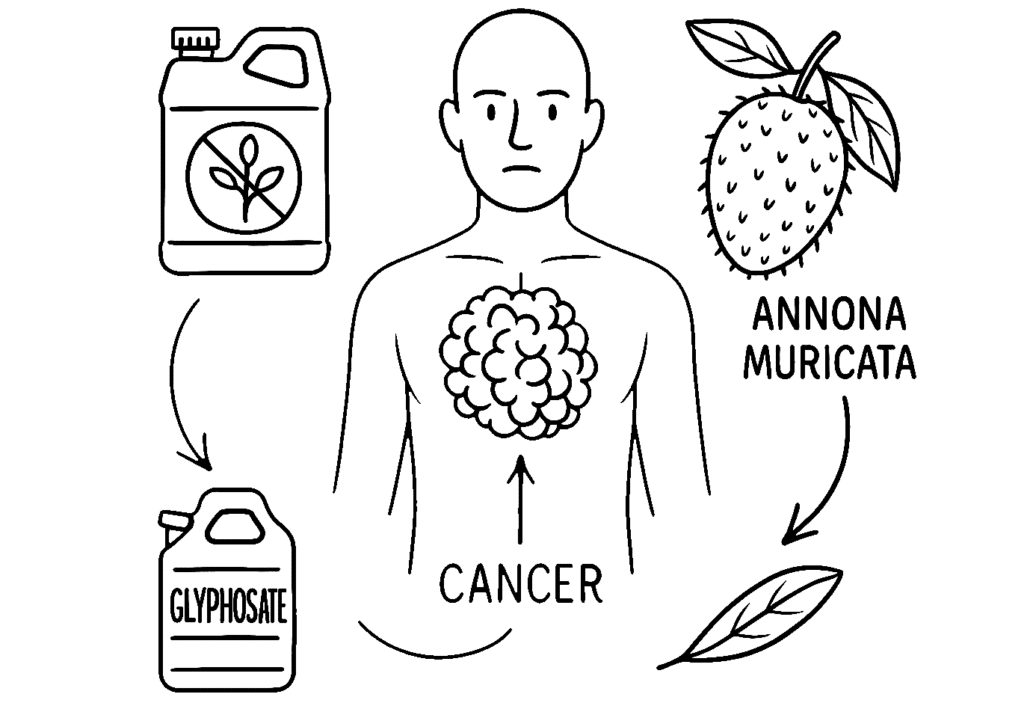
Cancer, Glyphosate, & Annona Muricata

Cancer begins when an error occurs during cell division that causes a mutation—an alteration in the DNA of a cell. These mutations can result in abnormal behavior where cells:

  • Start dividing when they should not
  • Continue dividing without stopping
  • Remain alive when they should naturally die (apoptosis)

This leads to a dangerous accumulation of cells that divide more quickly than they die, forming tumors or spreading throughout the body. For cancer to progress, these cells must also hide from the immune system and hijack nutrients needed for healthy cellular function.

Once established, cancer interferes with normal organ function and drains the body’s energy and resources. The type and severity of cancer vary depending on which cells are affected and how rapidly they grow or spread.

The Rise Of Cancer And Modern Exposure Risks

Since the 1980s, cancer rates—and cancer-related deaths—have increased. Many researchers now believe that one of the contributing factors is glyphosate, the active ingredient in the herbicide Roundup.

Glyphosate is a water-soluble, broad-spectrum herbicide used globally in agriculture. It’s known to contaminate water sources, food, and even rainfall. According to research from the University of Washington, glyphosate exposure increases the risk of non-Hodgkin’s lymphoma by over 40%. Glyphosate has now polluted the Mississippi River basin so heavily that it’s said to form a toxic pool in the Gulf of Mexico the size of Rhode Island.

Common Cancer Treatments

Conventional cancer therapies include:

  • Topical treatments (for skin cancers)
  • Chemotherapy
  • Radiotherapy
  • Targeted therapy
  • Immunotherapy
  • Herbal and holistic approaches

While modern treatments can be effective, they are often invasive, expensive, and come with severe side effects. The average cost of surgery and treatment for cancer can exceed USD $125,000. For some, herbal medicine offers a gentler and more affordable path to healing.

My Healing Journey

I was diagnosed with metastatic prostate cancer in 2001 and given three years to live. Instead of following the conventional route, I turned to natural herbal therapy. After following a strict herbal protocol, I reduced my PSA levels from 16 to 0.5. In another case, I witnessed a PSA drop from 77 to 0.6 using the same approach.

The core of this healing protocol included potent herbal tinctures made from:

  • Annona muricata (Soursop/Graviola)
  • Moringa – a powerhouse of vitamins and antioxidants
  • Neem – known for its antifungal, antibacterial, and anti-cancer properties
  • Black cumin seed (Nigella sativa) – contains thymoquinone, a compound studied for cancer inhibition
  • Chilcoatl – a traditional Mexican herb with anti-inflammatory and detoxifying properties

I also adopted an alkaline diet and eliminated dairy and refined carbohydrates, which helped restore my internal balance and reduce inflammation.

Annona Muricata: A Potent Plant Ally

Known commonly as Soursop or Graviola, Annona muricata is a tropical fruit-bearing tree native to South America and widely used in Mexican herbal medicine (Herbolaria Mexicana). Its leaves, bark, and fruit contain acetogenins—powerful natural compounds that target cancer cells while leaving healthy cells untouched.

Scientific studies have confirmed that compounds in Annona muricata can:

  • Induce apoptosis (programmed death of cancer cells)
  • Inhibit cancer cell replication
  • Prevent tumor growth
  • Support immune function

It has been shown to be particularly effective against cancers of the prostate, breast, pancreas, and colon. Some estimates suggest its anti-cancer potency may be up to 10,000 times stronger than chemotherapy drugs, without harming non-cancerous cells.

Holistic Lifestyle Shifts

In addition to herbal remedies, recovery from cancer requires a full lifestyle commitment:

  • Adopt an anti-inflammatory, alkaline diet
  • Avoid processed foods, dairy, and sugar
  • Engage in light daily movement and deep breathing exercises
  • Limit stress and prioritize restful sleep
  • Use detox herbs to support the liver and kidneys

Examples of detox-supportive herbs include dandelion root, burdock root, milk thistle, and red clover.

Honoring Herbal Traditions

The knowledge of healing plants like Annona muricata has been passed down for generations by indigenous healers in Mexico and across Latin America. Today, modern science is beginning to confirm what traditional medicine has long known: nature provides powerful tools for healing.


#CancerHealing
#AnnonaMuricata
#SoursopBenefits
#HerbolariaMexicana
#GlyphosateRisks
#NaturalMedicine
#AntiCancerHerbs
#ProstateCancerRecovery
#MoringaHealing
#BlackCumin
#NeemBenefits
#HolisticCancerTreatment

Cutaneous Candidiasis


Candidiasis is a yeast infection caused by an imbalance of Candida albicans, a type of fungus (yeast) that typically lives in moist areas of our body such as the genitals, mouth, and skin.

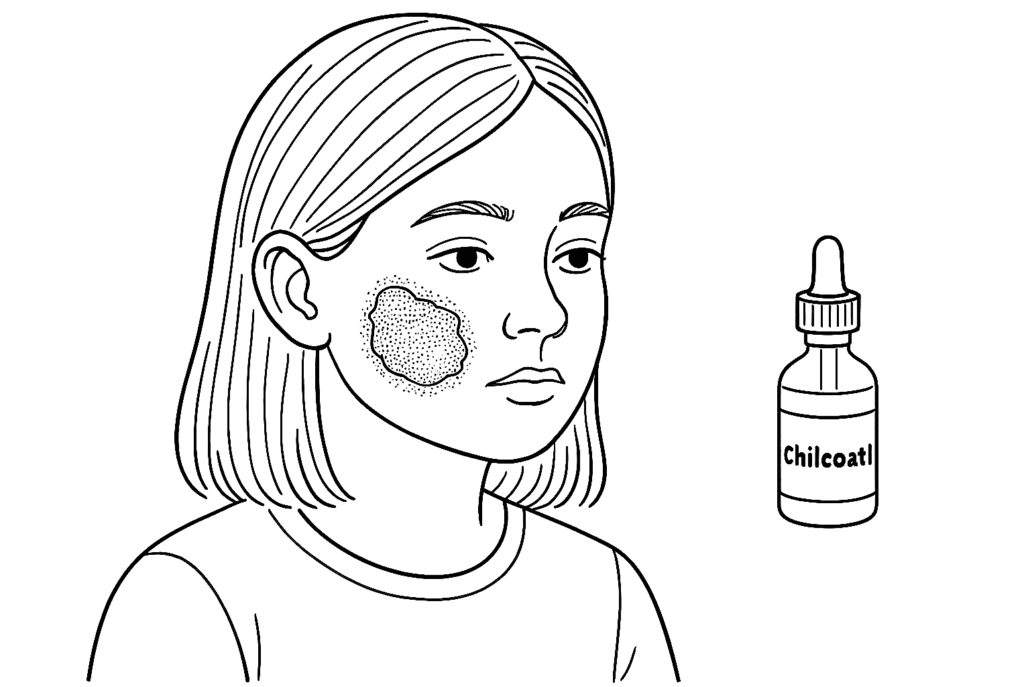
A few years ago, a poor family approached me worried about their daughter’s face; she had a fungal infection on her cheek. When I saw her, the fungal skin infection looked bright red with a more intense color at the border.

Some medications work to treat fungal infections. They can either kill fungi directly or prevent them from growing and thriving. Antifungal drugs are available as over-the-counter treatments or prescription medications and come in various forms, including creams or ointments.

I was surprised that the specialists who inspected the infection wanted over 50,000 pesos to perform surgery. Because of limited income, they could not begin to pay for the surgical procedure. I donated the materials to eliminate the fungal infection from her face. Fast forward four years — the child is now an adolescent, and when I checked her face, her cheek was free of infection, and there were no scars. That made me feel good.

Chilcoatl: A Potent Natural Remedy

The material I donated was a tincture and a cream called CHILCOATL, scientific name Heliopsis longipes (Asteraceae: Heliantheae). I have mentioned this incredible root before.

Chilcoatl can eliminate difficult viral, chronic bacterial, and fungal infections such as H. pylori, a tough bacteria responsible for gastritis, hernias, and gastric ulcers. It eliminates all hard-to-kill fungi, including Candida albicans, the leading cause of chronic candidiasis, and can also eradicate yellow toenails from a harmful fungus called onychomycosis.

Chilcoatl is a rare plant found only in specific volcanic soils in central Mexico. The word Chilcoatl comes from Nahuatl, the language of the Aztecs: chil = spicy; coatl = serpent. It was named so because the roots of the plant resemble a snake when pulled from the ground.

Aztec (Mexica), Olmec, and Toltec healers used the powerful root for millennia because of its many benefits against all kinds of ills. It can cure many internal and external injuries and sicknesses.

Traditional and Modern Uses of Chilcoatl

Chilcoatl is a traditional Mexican medicine used against parasites and to alleviate tooth pain. It is used in tinctures, creams, and various forms to:

  • Eliminate arthritis
  • Combat all types of infections of the respiratory and digestive systems
  • Act as an analgesic and a local non-steroid anesthetic

Proven Healing Benefits

The active ingredients of Chilcoatl root (Heliopsis longipes) have the following bioactive potential:

  • Analgesic (pain killer)
  • Antipyretic (fever reducer)
  • Anti-nociceptive (modifies pain perception)
  • Broad-spectrum antibiotic (acts against many bacteria)
  • Antifungal (inhibits fungal growth)
  • Antiviral (stops virus-caused infection)
  • Local anesthetic
  • Antioxidant
  • Anti-inflammatory
  • Anti-wrinkle
  • Bactericide
  • Accelerates healing by a factor of four

Benefits to the Central Nervous and Digestive Systems

Chilcoatl has significant effects on the central nervous system (CNS), with considerable potential to stimulate and strengthen the immune system.

It enables the production of saliva, which generates several beneficial effects in the organs. Saliva contains digestive enzymes (amylase and lipase) that help buffer and neutralize the pH of the stomach and oral cavity.

Chilcoatl can:

  • Control reflux, acidity, and gastritis
  • Eliminate dry mouth and Sjögren’s Syndrome
  • Promote secretion of endorphins

Other Healing Applications

Chilcoatl provides fast relief from insect bites (wasps, mosquitoes, bees), heals deep cuts, and cures skin cancers such as melanoma and carcinoma. It is also part of a cancer protocol.

It cures buccal and vaginal infections and is effective against both external and internal fungus.

A Bit of History

During World War II, American soldiers fighting in the Pacific died more from infections and parasites than from bullets. A Mexican healer among the troops used Chilcoatl root to save his friend. Field medics noticed the rapid recovery and the plant’s healing power.

The U.S. Army and the U.S. Department of Agriculture began using Chilcoatl to save hundreds of soldiers from bacterial, viral, and parasitic infections. Its antiseptic and anesthetic effects reduced pain and sped up healing. At the time, U.S. demand nearly drove the plant to extinction. Thankfully, wild Chilcoatl survived.

Chilcoatl Plant Chemistry

Chilcoatl contains the highest amount of Afinine found in any plant, including echinacea. Science has shown it has up to 100 times more olefinic alkamides than any other plant, granting it extraordinary curative power.

Collateral Damage: Your Face & Mouth

While a face mask is usually not the sole cause of a skin infection, the combination of summer heat, humidity and tight-fitting mask-fabric intensifies underlying conditions and worsens fungal or bacterial infections.

We already have yeast on our skin. A yeast infection occurs in the right setting, such as a warm, moist environment, but is often related to other factors including diabetes, compromised immune system, a recent course of antibiotics, or poor hygiene that allows the yeast to grow unrestrained.

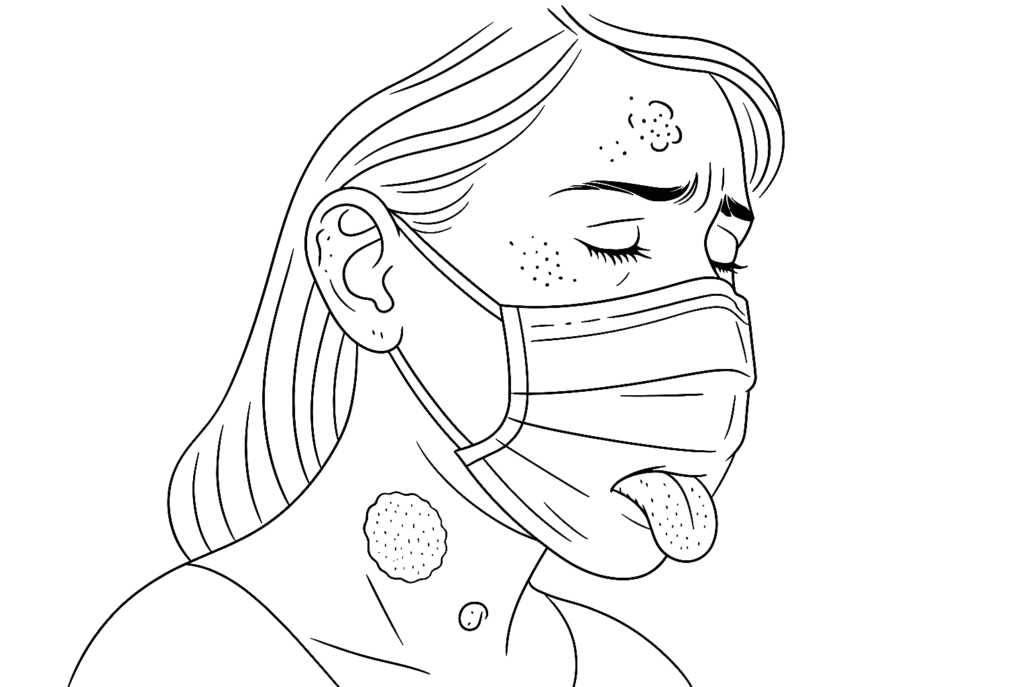
For example, a yeast infection is a fungal infection resulting from a yeast called Candida, and people are having the following problems:

  • White tongues with black or dark spots
  • Acne flare-ups
  • small blisters in the corners of the mouth
  • Yellow smelly tongue
  • Sores on top of the ears
  • Sores on the chin
  • Dry, irritated skin

The mask-wearing could be giving you mouth fungus and fungus-related blisters and unusual skin blemishes in addition to ear, nose and throat problems and infections.

Here’s How Candida Works

Hot air gets trapped inside the mask and can be a source of mouth sores and other issues. Face masks trap warm moisture that is produced when we exhale. For people with acne, this can lead to flareups. For others, this warm moist environment creates the perfect condition for naturally occurring yeast and bacteria to flourish and grow more plentiful. This overgrowth of yeast and bacteria can result in inflammation of the lips, resulting in cracking and sores at the mouth’s corner.

Candida yeast loves the humid climate captured by your mask. Plus, if your lips are always dry, the urge to compulsively lick them will only make the persistent yeast more at home. If moisture and saliva get trapped in your mouth’s corners, they become a breeding ground for Candida. As the yeast grows, your tongue turns white and smelly and becomes redder underneath and inflamed.

Here’s How to Help Your Face and Mouth

Since giving up the mask isn’t exactly an option these days, there are ways to treat unusually irritated skin near the ears, chin and jawline. The diagnosis? A yeast infection, yes, on our face, potentially caused by the masks we been wearing during the pandemic.

To treat the Candida fungal infection condition, apply Chilcoatl natural anti-fungal, antibiotic, antiviral cream. It can also be used for sores on top of the ears, on the chin and for dry, irritated skin. It is designed to be absorbed by the skin quickly and moisturizes and deeply hydrates while repairing fungal damage. It also reduces acne flare-ups. Don’t use lip gloss or chopsticks, because these types of products can actually worsen the problem.

For white tongue with black or dark spots, small blisters in the corner of the mouth and yellow smelly tongue use Chilcoatl spray to reduce fungus problems, including Candida. Chilcoatl is the skin care regimen to follow in this summer of COVID-19, which is also the summer of Candida.

Is the face mask needed protection? Many studies are available and more coming, which say it is not, I encourage you to see a video on YouTube by Doctor Kelly Victory. The name of that video is, “The Truth about COVID-19”. Fortunately, and unfortunately, we live in Mexico, and the masks are state-mandated, so we will continue to use them.