
Effective Versus Ineffective Nutrition
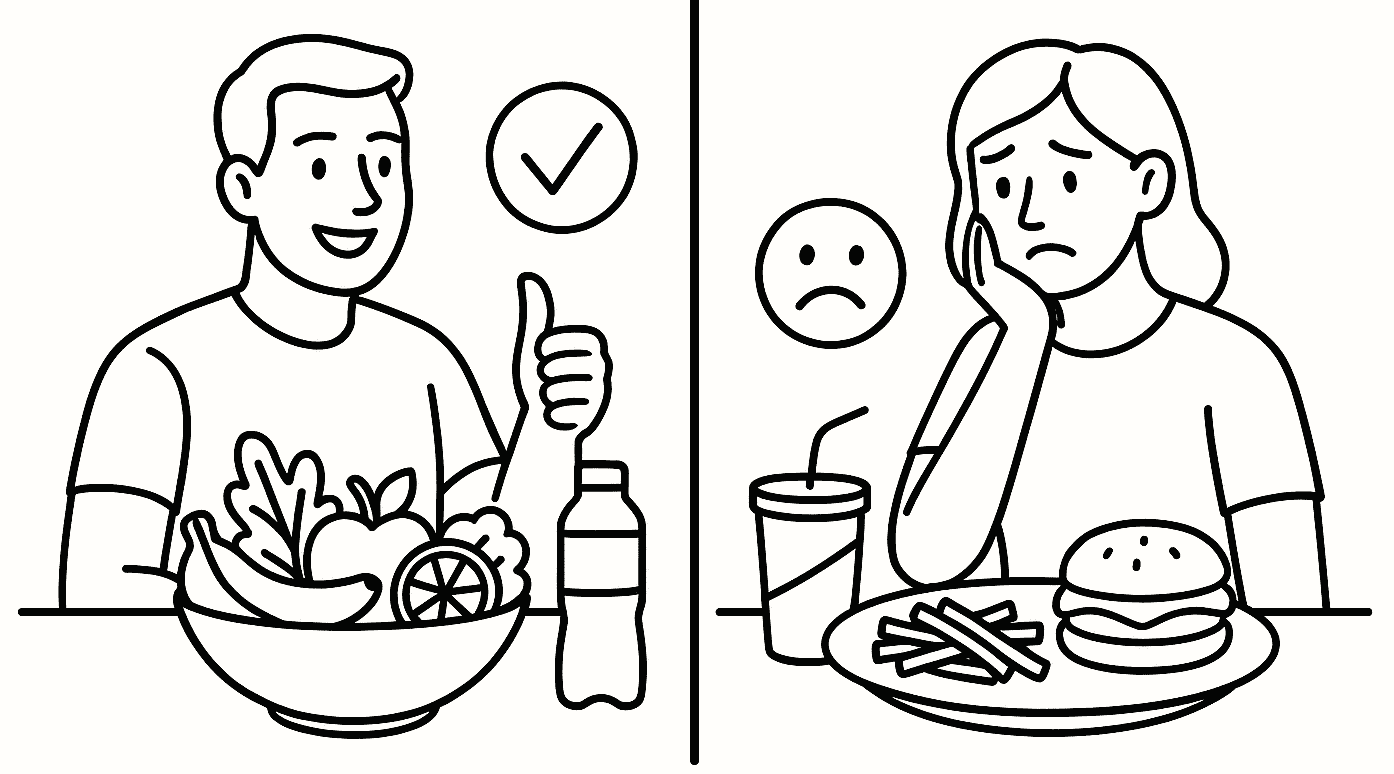
Lose Weight the Right Way
You may be looking for a fast way to lose weight, and there’s no shortage of fad diets around. These “diets” may provide short-term results, but they are difficult to sustain and ultimately deprive you of the essential nutrients that only balanced eating can offer.
It’s Easy to Spot a Fad Diet
Typically, a fad diet shares some or all of the following characteristics:
- Promises a quick fix
- Promotes “magic” foods or combinations of foods
- Implies that food can change body chemistry
- Excludes or severely restricts food groups or nutrients, such as carbohydrates
- Has rigid rules that focus only on weight loss
- Makes claims based on a single study or testimonials
Fad Diets Can Cause Health Problems
Fad diets that restrict food groups or nutrients may cause you to miss out on the protective health effects of a balanced eating plan. We don’t know whether fad diets are safe over the long term or if they increase the risk of certain diseases.
Because they often eliminate key foods, fad diets may lead to symptoms such as:
- Dehydration
- Weakness and fatigue
- Nausea and headaches
- Constipation
A Balanced Eating Plan for Adults
With a balanced eating plan, it’s what you leave in that makes all the difference. For a successful balanced diet, you should:
- Eat plenty of vegetables, legumes, and red and yellow fruits
- Include range-fed meat, wild-caught fish, and farm-raised poultry
- Drink plenty of water
- Limit saturated fat and moderate your total fat intake
- Choose reduced-fat food varieties where possible
- Choose foods low in salt
- Limit alcohol intake — a glass of red wine with food is acceptable
- Eliminate all sugars and sugar-sweetened foods and drinks
Body Weight
A stable body weight means the kilojoules (energy) you consume match the kilojoules your body uses. If your weight is increasing, it may indicate you’re eating too much, doing too little physical activity, or both.
Energy Values of Food Components
- Fat: 37 kJ/g
- Protein: 17 kJ/g
- Carbohydrates: 16 kJ/g
- Alcohol: 29 kJ/g
Carbohydrates: Your Body’s Fuel
Carbohydrates provide energy (kilojoules) for the body. Foods rich in carbohydrates include:
- Red and yellow fruits
- Vegetables, potatoes, and corn
- Legumes such as dried beans, peas, and lentils
- Wild grains like amaranth, chia, chan, and wild rice
These foods are low in fat, rich in vitamins and minerals, and are ideal for a healthy eating plan. Legumes, fruit, and vegetables are also excellent sources of dietary fiber.
Protein Builds New Cells
Protein is an essential nutrient required throughout life to build, maintain, and renew tissues and cells. Protein sources include:
- Animal protein: Meat, chicken, fish, eggs, dairy
- Plant protein: Tofu, nuts, seeds (e.g., chia), lentils, dried beans, and peas
Fat Helps Nutrient Absorption
Fat is necessary for many body functions — it protects organs, helps with hormone production, and allows the body to absorb nutrients. However, many people consume too much fat, leading to weight gain and heart disease.
Healthier fats are unsaturated fats, found in:
- Sunflower, safflower, peanut, and olive oils
- Nuts and seeds
- Avocado
These are much healthier than the saturated fats found in biscuits, cakes, and fried foods.
Be Active Every Day
Once you adopt a healthy eating pattern, you’ll feel more energized and naturally want to be more active. Tips for daily physical activity:
- View movement as an opportunity, not a burden
- Accumulate at least 30 minutes of moderate-intensity activity most days
- Incorporate vigorous exercise regularly for added benefits
A Healthy Lifestyle Is Essential
Changing your habits can be difficult at first, but becomes easier over time. Tips to ease the transition:
- Combine healthy eating with an active lifestyle
- Make small, sustainable changes
- Fill up on low-kilojoule, nutritious foods
- Watch portion sizes
- Eat until you’re satisfied — not overly full
- Only eat when you’re hungry
- Listen to your hunger cues — they can vary daily
- Eat slowly and enjoy your food
- Have regular meals: breakfast, lunch, and dinner
Eliminate Unhealthy Snacks
Avoid foods such as biscuits, cakes, potato chips, desserts, pastries, soft drinks, and high-fat snacks like pies, pasties, and sausage rolls.
Feel Good About Yourself
Don’t compare yourself to unrealistic media images. Life pressures — from work to family — can make it hard to stay healthy, but adopting balanced eating habits will help you feel better about yourself.
Fad dieting is one pressure you don’t need. Healthy food and regular activity will boost your energy and overall health. You’ll also set a good example for your children and support your family’s health by offering nutritious meals.
Once nutritious foods and regular movement become part of your everyday routine, the idea of dieting will start to seem unnecessary and even strange.

