
Varicose Veins
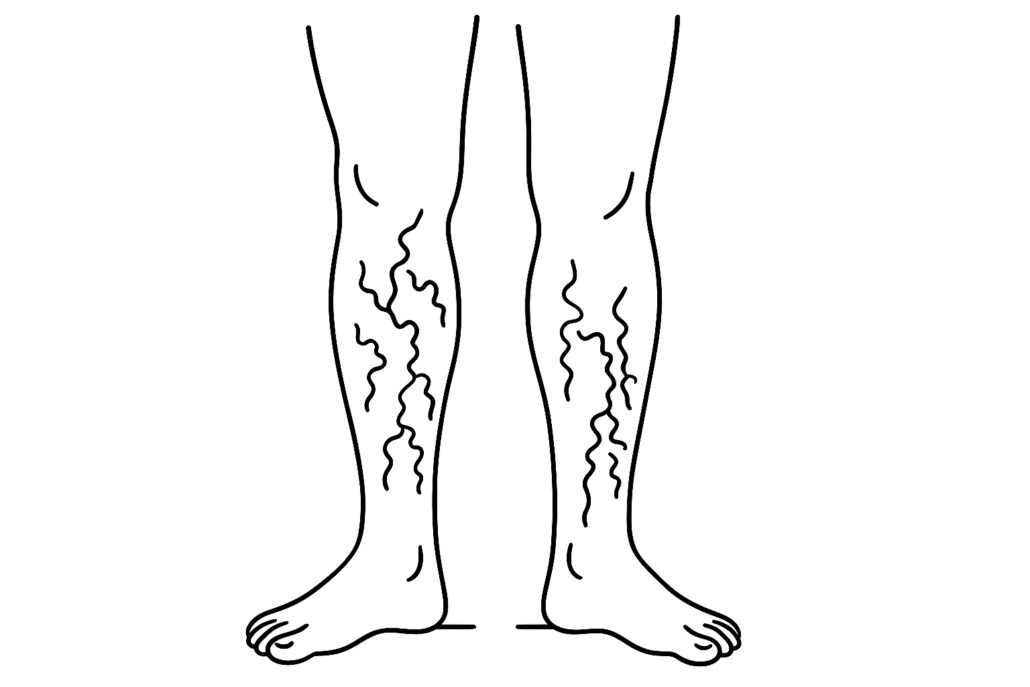
Bulging leg veins are not only unsightly but often painful. Fortunately, they can be treated naturally to reduce their appearance and discomfort.
Varicose veins occur when leg veins become enlarged and overfilled with blood. These veins appear swollen, raised, bluish-purple or red, and often develop on the lower legs, especially in women.
The condition is caused by malfunctioning vein valves. These valves normally keep blood flowing in one direction—toward the heart. When they fail, blood pools in the veins, leading to swelling and enlargement. Since leg veins are farthest from the heart, gravity makes it harder for blood to flow upward.
Common causes include pregnancy, menopause, aging (over 40), prolonged standing, and obesity.
Symptoms of Varicose Veins
- Visible, misshapen veins on the legs
- Pain, swelling, and heaviness in the legs
- Achiness around enlarged veins
- In severe cases, skin ulcers
Diagnosis and Medical Treatments
Without treatment, varicose veins typically worsen. In severe cases, complications such as ulcers, blood clots, or ruptured veins can occur. Doctors may recommend invasive procedures, including:
- Ultrasound – Noninvasive test to examine blood flow
- Venogram – X-ray after injecting dye to assess for blockages
- Vein ligation and stripping – Surgical removal of varicose veins
- Sclerotherapy – Chemical injection to seal larger veins
- Microsclerotherapy – Similar treatment for smaller veins
- Laser surgery – Light energy used to block off a vein
- Endovenous ablation – Heat and radiofrequency seal veins
- Endoscopic vein surgery – Minimally invasive scope-assisted vein treatment
Lifestyle and Dietary Changes
- Avoid prolonged standing
- Maintain a healthy weight
- Exercise regularly to improve circulation
- Wear compression stockings
Weight loss reduces pressure on the veins and decreases discomfort. Compression stockings help alleviate aching and swelling. Additionally, certain dietary changes can support vein health:
- Reduce sodium intake to avoid water retention
- Increase potassium-rich foods like almonds, pistachios, lentils, white beans, potatoes, leafy greens, and fish (salmon, tuna)
- Eat more flavonoid-rich foods to improve blood flow and reduce pressure in veins. These include onions, bell peppers, spinach, broccoli, citrus fruits, grapes, cherries, apples, blueberries, cacao, and garlic.
Additional lifestyle tips include wearing loose-fitting clothes, avoiding high heels, elevating the legs, and gentle leg massage. Frequent movement throughout the day helps keep blood flowing.
Herbal Natural Remedies
- Grape Seed Extract – Relieves symptoms of poor circulation, including varicose veins
- Bilberry (Vaccinium myrtillus) – Contains anthocyanosides, known for antioxidant and vein-strengthening benefits
- Centella Asiatica – Improves microcirculation and reduces leg heaviness, pain, and edema
- Horse Chestnut Extract – Eases itching and heaviness in chronic venous insufficiency
- Chamomile (Matricaria chamomilla) – Strengthens venous walls, reduces inflammation and visibility of varicose veins
- Ginkgo Biloba – Enhances capillary blood flow, supports microcirculation, and helps relieve cold extremities
#naturalremedies
#circulation
#flavonoids
#centellaasiatica
#horsechestnut
#chamomile
#microcirculation
#compressionstockings
#veinhealth

