
COVID-19: Herbal Therapy,
Clinical and Scientific Data
Part 2 of 3
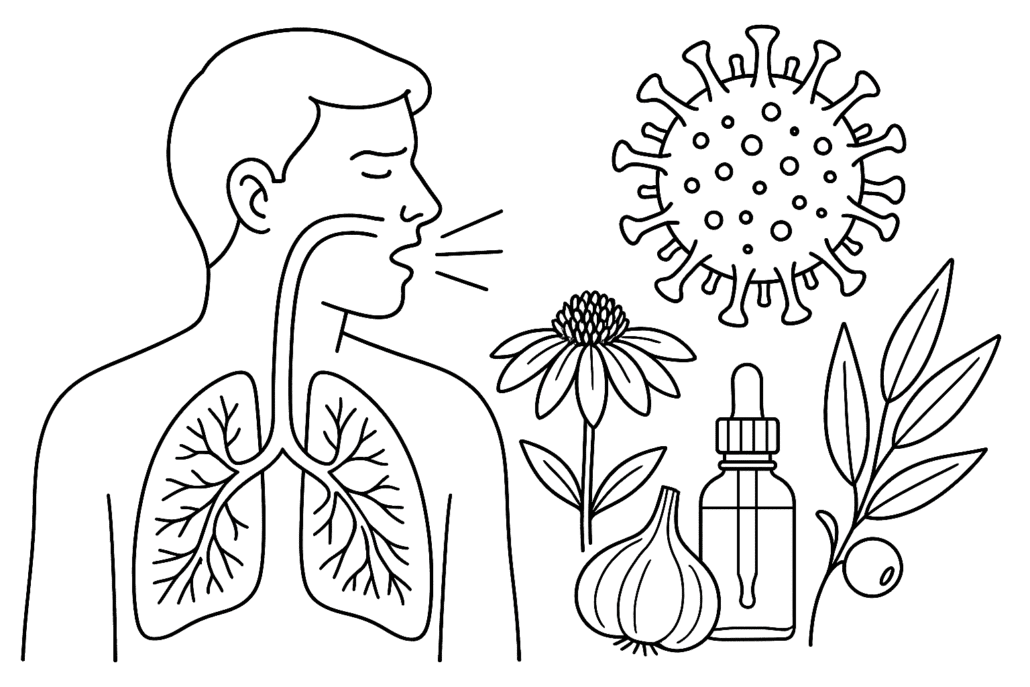
Scientific Evidence for Herbal Medicines in Respiratory Conditions
Herbs are beneficial to relieve symptoms related to respiratory conditions (cold/flu) and support symptomatic healing.
The lungs are the organs most affected by COVID-19 because the virus accesses host cells via the receptor for the enzyme
angiotensin-converting enzyme 2 (ACE2), which is most abundant on the surface of type II alveolar cells of the lungs.
Whether or not you have been vaccinated, the symptoms are the same, since they are lung-based problems. The symptoms are:
cough, fever, sore throat, loss of smell and taste, shortness of breath, fatigue, headache, muscle pain, chills.
For over 3,000 years, Ayurveda (Indian medicine), Traditional Chinese Medicine (TCM), and
Herbolaria Mexicana have used herbs as medicine.
Increased side effects from pharmaceuticals, lack of curative treatments for several chronic diseases, high cost of new drugs,
microbial resistance, and emerging diseases such as COVID-19 are some reasons for renewed public interest in
complementary and alternative medicines.
Herbs for Respiratory Conditions
Due to space limitations, this report is divided into three sections. The herbs used to treat lung and upper respiratory problems are many.
- Garlic – Allium sativum L. – Amaryllidaceae. Parts used: Bulbs
- Marsh Mallow – Althaea officinalis L. – Malvaceae. Parts used: Aerial parts
- Myrrh – Commiphora molmol Engle. Parts used: Sap
- Bitterweed, King of Bitters, Creat, Chiretta, Indian Echinacea – Cymbopogon citratus. Parts used: Aerial parts
- Echinacea – E. angustifolia – Asteraceae. Parts used: Aerial parts, rootstock
- Eucalyptus – Eucalyptus globulus Labill. Parts used: Leaves, essential oil
- Sweet Fennel – Foeniculum vulgare Mill. – Apiaceae. Parts used: Fruit
- Licorice – Glycyrrhiza glabra L. – Fabaceae. Parts used: Roots
Marsh Mallow – Althaea officinalis L.
Indications: Respiratory disease symptoms, especially dry, irritable coughs and irritation of the oral and pharyngeal mucosa.
Chemical Composition: Mucilage polysaccharides such as galacturonorhamnans (rhamnogalacturonan), arabinans, glucans, arabinoglucans (mainly acidic polysaccharides); flavonoids (e.g., isoscutellarein, hypolaetin, kaempferol, luteolin derivatives); phenolic acids; coumarin (scopoletin); tannins.
Posology (based on traditional use): 0.5–5.0 g in 150 ml of water as a macerate, three times daily. Marshmallow root syrup is commonly used at 2.0–8.0 ml per day.
Preclinical Evidence
This herbal medicine has been experimentally proven to relieve respiratory disease symptoms, notably cough. An aqueous extract of marshmallow roots inhibited tracheobronchial smooth muscle contractions in rats dose-dependently.
The antitussive effects of oral rhamnogalacturonan (50 mg/kg) were tested in non-anesthetized cats. The polysaccharide significantly reduced effort, cough frequency, and intensity of cough attacks. Its effects were also compared with non-narcotic antitussives.
Clinical Evidence
Randomized Clinical Trial: 63 adults with dry cough (associated with ACE inhibitors) took 20 drops, three times a day, of either marshmallow root preparation or placebo for four weeks. The marshmallow group showed significantly reduced cough severity.
Large-scale Trial: In a study of 822 patients with dry cough from pharyngeal irritation, A. officinalis aqueous root extract (in lozenges and syrup) improved symptoms within 10 minutes and was well tolerated. Only three minor adverse events were reported in the syrup group.
Overall Clinical Evidence: High for cough treatment.
Safety
Toxicity: None reported. Overall safety rating: High.
Warnings & Precautions: Mucilage may delay the absorption of other drugs. Avoid taking preparations of A. officinalis 30 minutes to 1 hour before or after medications, vitamins, or minerals. Macerates should be used immediately after preparation.
Overall Assessment
Althaea officinalis preparations can suppress cough and soothe respiratory tract irritation through anti-inflammatory effects. While traditional use as a cold remedy lacks robust clinical backing, the available evidence supports its use in relieving early COVID-19 symptoms.
Clinical evidence: High. Safety profile: High.
Clinical and Scientific Data
Part 2 of 3

