Face and Neck Creams Simplified

Understanding Skin Types And Choosing The Right Botanical Creams

There are three primary skin types: oily, dry, and balanced (or normal). Each requires specific care to maintain a healthy, youthful appearance—especially as we age. Today, we’ll explore the facial and neck skin types of aging men and women, focusing on herbal-based creams designed for wrinkle reduction and skin regeneration.

Dry Skin: Nourishment And Hydration

Dry skin often results from a lack of hydration and insufficient skin nutrition. Without an appropriate moisturizing barrier, water escapes the skin, leading to tightness, flakiness, and premature aging.

Solution: A well-formulated botanical face cream can support cellular cohesion and build a moisture barrier to lock hydration in. Look for ingredients like watermelon rind extract, moringa, almond oil, and Sodium PCA to deeply nourish and repair dry skin.

Oily Skin: Balance, Not Deprivation

Oily skin typically appears shiny and may have enlarged pores. A common misconception is that oily skin doesn’t need moisture—this is false. Stripping away natural oils often worsens the problem by prompting the skin to produce even more oil.

Solution: Use a hydrating, non-comedogenic cream rich in herbs that calm oil production while delivering moisture. Avoid pore-clogging synthetic oils and instead opt for herbal blends with olive leaf, neem, and fig oil.

Balanced Skin: Maintaining Harmony

Balanced or normal skin has minimal pores and a mix of oily and dry areas. The goal is to maintain hydration in dry zones while avoiding oil buildup in others.

Solution: Choose light, herbal-based creams with a high water content and ingredients like apple rind, lentil extract, and red mushroom extract to support both sebum control and hydration.

Why Most Creams Fail — And What Works

Many commercial face creams—regardless of price—only moisturize the skin’s outer surface. Deep hydration and skin regeneration require transdermal formulations that reach the collagen and elastin matrix layers of the skin. The key is in herbal actives that penetrate, nourish, and repair sun and wind damage at the cellular level.

Introducing Mazcal Cosmetica Natural Botanical Creams

These creams use organic botanical extracts and nutrient-rich oils from nature’s pharmacy, including:

  • Watermelon rind
  • Lentil and apple fruit extracts
  • Olive leaf, neem, and moringa
  • Almond oil, coconut oil, Ricinus fig oil
  • Mushroom extracts, citric acid, acetyl alcohol
  • Sodium PCA for intense moisture retention

Featured Products And Benefits

Crepey Cream

This formula targets the elastin matrix, helping reduce fine lines and restore skin elasticity. Combining watermelon rind, lentil fruit, and apple extract, it provides 24-hour hydration and noticeably improves skin cohesion and moisture retention in just two weeks of consistent use.

Night Cream

Powered by protein peptides, vitamin C, and Cempazuchitl (Mexican marigold), this cream rebuilds the collagen matrix and tightens sagging areas such as crow’s feet and nasolabial folds. For best results, pair with a gentle facial massage technique to firm jowls and sculpt the chin and jawline.

Snail Cream (Helix Aspersa)

This unique formula uses snail mucin extract to accelerate wound healing and reduce scars, stretch marks, wrinkles, sunspots, and acne. Rich in glycoproteins, hyaluronic acid, and antimicrobial peptides, it strengthens the skin barrier while promoting elasticity, firmness, and texture.

Neem Scrub

This exfoliating face and body scrub uses Neem to kill bacteria, reduce breakouts, and purify the skin. Combined with coconut micro granules and a collagen base, it scrubs away blackheads and dead cells, leaving the skin refreshed and clear.

Sunburn Skin Cream

Ideal for treating sunburn and burns from heat exposure, this cream contains Tepezcohuite (the “skin tree” of Mexico), revered for its regenerative properties. It reduces inflammation, restores elasticity, and protects against oxidative stress and environmental damage.

Wrinkle Away System

Wrinkle Away Cream I – Exfoliate

This herbal exfoliant combines vitamin C micro granules in a Ricinus fig oil base with Ginseng, Cempazuchitl, and Chilcoatl—a potent antibacterial herb. It sloughs off sun-damaged skin and removes fungi, viruses, and bacteria to unveil smoother, younger-looking skin.

Wrinkle Away Cream II – Regenerate

This daily-use cream delivers lasting hydration while conditioning all skin types. Its optimized delivery system allows botanical extracts like fig oil, lentil, and apple to penetrate deeply and stimulate regeneration.

The Natural Alternative To Botox

The combination of Crepey Cream and Night Cream offers a non-invasive alternative to Botox—without needles, high cost, or toxic ingredients. With regular use, these botanicals can restore skin tone, smooth texture, and rejuvenate the face and neck, helping you reclaim the glow of your younger self.


#BotanicalSkincare
#HerbalBeauty
#MazcalCosmetica
#NaturalAntiAging
#CrepeySkin
#NeemScrub
#SnailCreamBenefits
#HerbalFaceCreams
#TepezcohuiteHealing
#WrinkleAway
#MoringaSkinCare
#NaturalCollagenBoost
#Cempazuchitl
#HealthySkinNaturally
Skin Problems

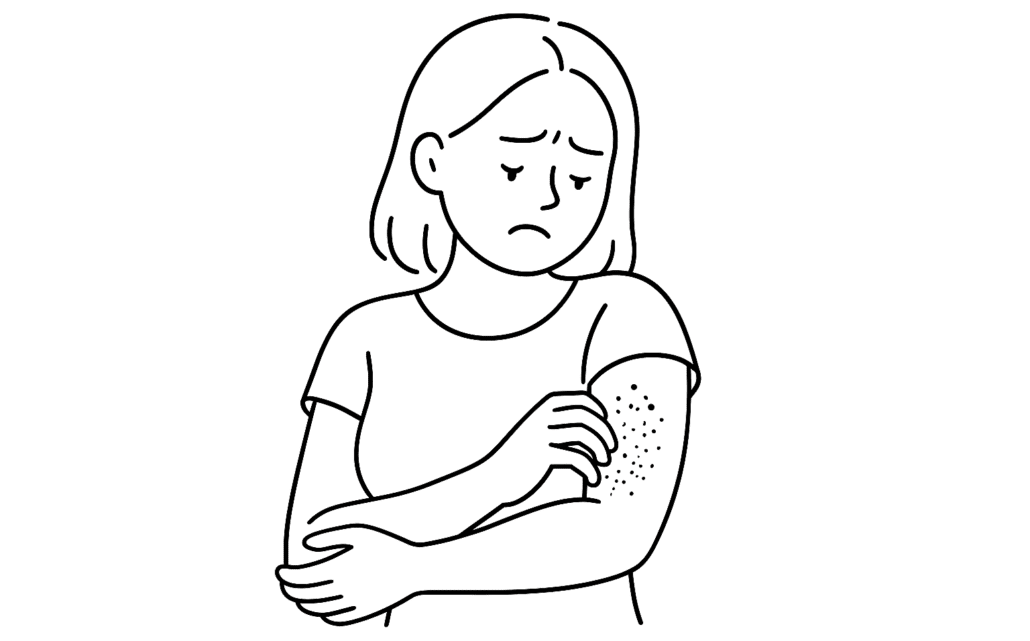
I have published several articles about skin problems in the past, including carcinoma, melanoma and shingles. I want to review several other skin conditions and how to tend to them.

Vitiligo and White Patches

Vitiligo is a long-term condition where pale white patches develop on the skin. It’s caused by the lack of melanin, the pigment that gives color to your skin, hair, and eyes. Vitiligo can affect any skin area, but it commonly appears on the face, neck, hands, and skin creases.

Vitiligo occurs when melanocytes stop making melanin. Without melanin, white patches form. Treatment depends on severity and may include topical creams, ultraviolet light therapy, oral medications, or skin grafts.

Turmeric (Curcuma longa) is one of the most frequently used herbs for vitiligo. When mixed with mustard oil, turmeric stimulates pigmentation. Apply this mixture to affected areas for 20 minutes. Other helpful herbs include Angelica Sinensis, Ligusticum wallichii, Tribulus Terrestris, Polygonum multiflorum, Fructus psoraleae, Radix Paeoniae Rubra, Rehmannia glutinosa, Glossy Privet Fruit, Eclipta alba, Salvia miltiorrhiza, Liquorice, and Angelica dahurica.

Calcium and vitamins D and E deficiencies can cause white patches. While harmless, they suggest a need for sun exposure and a more balanced diet.

Remedies for White Patches

  • Drink water and consume food from copper vessels
  • Eat figs regularly
  • Drink ginger juice to boost blood flow to white patches
  • Dry and powder pomegranate leaves and apply topically

Understanding Psoriasis and Eczema

Thick white scales are typical of psoriasis, a chronic autoimmune condition causing overproduction of skin cells. The dead skin builds up into silvery-white scales.

Skin lesions associated with vitamin B12 deficiency include hyperpigmentation, vitiligo, angular stomatitis, and hair changes. Unresponsive skin lesions may indicate a B12 deficiency, often due to malabsorption.

Psoriasis and vitiligo may spread slowly over years. Regular use of coconut oil on white patches can help fight fungi, bacteria, and inflammation.

Actinic Keratosis

Actinic keratosis (AK) is considered a pre-cancerous skin condition that may develop into squamous cell carcinoma. Early detection allows for treatment before progression.

How to Spot Actinic Keratosis

  • Texture: Flat to slightly raised, scaly, crusty, or rough. May develop a horn shape.
  • Color: Red, tan, pink, skin-colored, brown, or silvery.
  • Size: From tiny spots to an inch in diameter.
  • Location: Commonly on sun-exposed areas such as the face, lips, ears, scalp, neck, shoulders, and hands.

AKs are often felt more easily than seen. Affected skin may feel dry, raw, painful, itchy, or inflamed. In rare cases, ulceration, bleeding, or persistent sores occur. Red bumps and thick, scaly patches can appear on the forehead, scalp, and hands.

What You Can Do

If you have a history of unprotected sun exposure or live in a sunny climate, monitor your skin for unusual changes. Develop sun-safe habits. Use Naturally Mazcal skin creams and sun protection. Avoid exposure between 10 AM and 4 PM, use a broad-spectrum UVA/UVB sunscreen like Naturally Mazcal Sun Protectant Day Cream, and wear sun-protective clothing.


#SkinHealth
#VitiligoRemedies
#EczemaRelief
#PsoriasisSupport
#ActinicKeratosis
#HerbalHealing
#SunSafety
#NaturallyMazcal

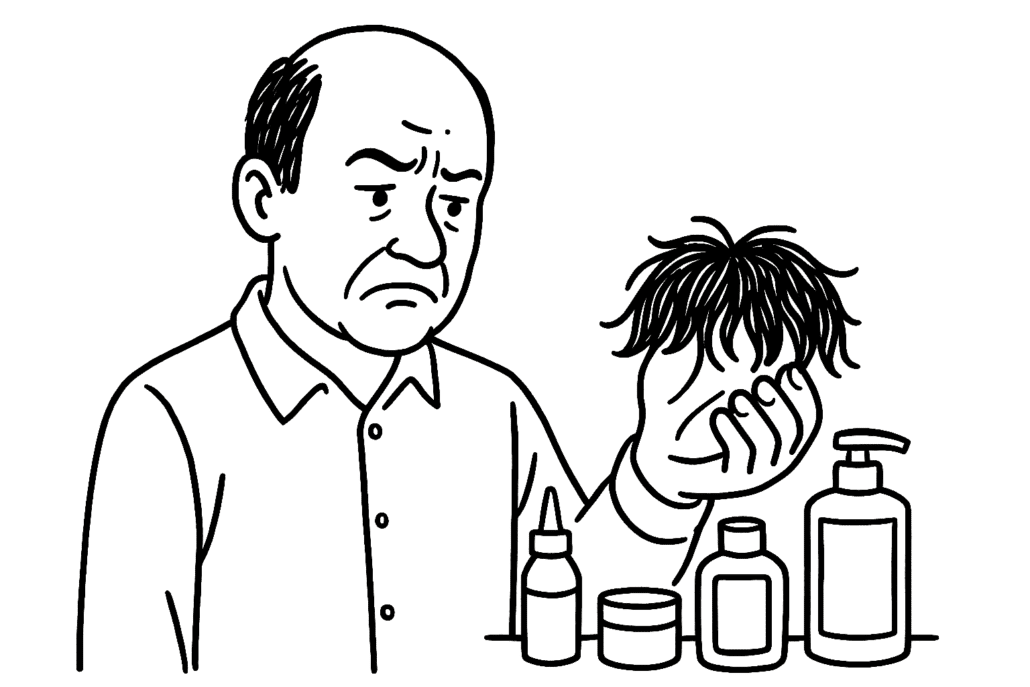
Stop Hair Loss Naturally

Why does hair fall out? The hair on your head goes through a life cycle that involves growth, resting, and shedding. It’s natural to lose some hair, but if you experience sudden loss, patchy thinning, or overall shedding, don’t panic—keep reading.

Some shedding is temporary and can respond well to changes in diet, natural remedies, or lifestyle adjustments. By age 40, both men and women may experience hereditary hair loss, such as androgenic alopecia (male pattern baldness) or female pattern baldness.

Other Causes Of Hair Loss

  • Medical conditions such as surgery, alopecia, scalp infections, or hair-pulling disorder (trichotillomania)
  • Hormonal changes from pregnancy, childbirth, menopause, or thyroid disorders
  • Medications for cancer (chemotherapy), high blood pressure, depression, or arthritis
  • Physical or emotional stress
  • Styling practices including tight ponytails or cornrows

Understanding Hair

Hair follicles are tiny openings in the skin that grow hair. The average person has about 100,000 follicles on the scalp. The root is composed of protein cells and nourished by blood vessels. Hair grows out of the skin and is nourished by sebaceous glands that produce oil for the scalp and strands.

Hair Growth Cycles

  • Anagen (Growth) Phase: Hair actively grows from the root.
  • Catagen (Transition) Phase: Growth slows, and the follicle shrinks.
  • Telogen (Resting) Phase: Old hair falls out, making way for new hair from the same follicle.

Hair follicles go through these phases independently, creating a continuous cycle.

Diet Tips To Prevent Hair Loss

  • Follow an alkaline diet rich in raw, organic vegetables and herbs like rosemary, parsley, basil, and leafy greens.
  • Consume protein-rich foods such as eggs, nuts, beans, fish, chia, herbal Maz-mix, chicken, and turkey.
  • Include vitamin-rich foods like sweet potatoes, sweet peppers, spinach (vitamin A); berries and citrus (vitamin C); and foods high in vitamin D, iron, zinc, and selenium.
  • Biotin (vitamin H or B7) supports fatty acid synthesis essential for the hair life cycle.

Hair Habits That Support Growth

  • Washing: Cleanse hair daily with an herbal or natural shampoo to maintain scalp health. Avoid synthetic shampoos that can dry hair and cause breakage.
  • Styling: Avoid tight hairstyles that pull on roots. Let your hair air dry. Limit heat from curling irons or straighteners.
  • Processing: Avoid chemical treatments like perms or coloring agents that contain ammonia or peroxide.

Medical Treatments For Hair Loss

  • Laser Therapy: Also called red light therapy, used to support regrowth after chemotherapy.
  • Platelet-Rich Plasma (PRP): Injecting PRP into the scalp may stimulate growth.
  • Minoxidil (Rogaine): Effective in about 50% of users. Side effects can include irritation, acne, blurred vision, or irregular heartbeat.
  • Finasteride (Propecia): Prescription medication for hair loss. Not suitable for pregnant women or those trying to conceive.

Natural Remedies For Hair Growth

If you’re looking to regrow lost hair or strengthen what you have, try these proven natural solutions:

  • Saw Palmetto: Extract from palm fruit that supports hair growth in men and women.
  • Ginseng: Contains phytochemicals that stimulate hair growth.
  • Coconut Oil: Protects hair from UV damage and breakage. Massage into scalp for improved blood flow.
  • Olive Oil: Deeply conditions and protects against dryness and breakage. Apply 2 tablespoons, leave for 30 minutes, then wash out.
  • Red Onion Juice: Shown to promote regrowth in alopecia sufferers.
  • Scalp Massage: Just 4 minutes daily helps increase circulation and stimulate growth.
  • Stinging Nettle (Urtica Dioica): Tinctures support hair regrowth.
  • Yoga: Stress-related hair loss may improve with regular practice.

All hair regrowth treatments require time. Results may begin in a month, but full benefits can take up to a year.

Face & Neck Creams Simplified – Naturally

The first step in choosing the right face or neck cream is knowing your skin type.

Understanding Your Skin Type

There are three main skin types: oily, dry, or a combination of both (also referred to as balanced or normal skin).

What Is Your Goal?

When choosing a cream, it’s important to define your skincare goal. In this article, we’ll focus on anti-wrinkle creams and skin regeneration for individuals aged 26 to 70 and older. Topics like anti-spot creams or specialty products for skin conditions will be covered in future articles.

Dry Skin

Dry skin results from a lack of hydration and essential nutrients. A suitable cream for dry skin should provide deep moisture, promote cellular cohesion, and form a protective barrier to prevent dehydration. Ingredients like ginseng can help revitalize and moisturize skin, increasing flexibility and reducing the risk of wrinkles.

For dry skin, serums with water-based, highly moisturizing formulas are ideal for nighttime use. Facial oils are also beneficial and can be applied before bed for added nourishment.

Oily Skin

Oily skin is a common concern for both men and women. It often presents with enlarged pores and a greasy appearance. Diet and lifestyle can influence oil production, so avoiding certain foods and using the right skincare products is essential.

A common misconception is that oily skin doesn’t need hydration. In fact, oily skin does require moisture. The key is to choose oil-free, water-based moisturizers. Look for serums or silicone-based products that contain more water than oil.

Balanced or Normal Skin

Balanced skin typically shows closed pores and a combination of dry and oily areas. The ideal cream should help maintain this balance—hydrating the dry areas without increasing oiliness in the shiny zones. Look for products with a high water content for optimal moisture.

Anti-Wrinkle Face Creams

Mature skin often benefits from anti-wrinkle creams, whether for day or night use. These creams should include ingredients that support skin regeneration, reduce fine lines, and restore firmness.

Face Creams for Dark Spots

Facial spots are usually caused by melanin imbalances and are more common in spring and summer due to sun exposure. It’s important to consult a dermatologist if new or irregularly shaped spots appear, especially if they are dark or asymmetrical.

Creams designed to treat facial spots contain ingredients that help regulate melanin and provide sun protection to prevent future discoloration.

Final Recommendation

For dry skin, consider serums and facial oils before bedtime. For oily skin, lightweight serums or silicone-based products with a higher water ratio are ideal. Always choose creams based on your specific skin type and personal goals.

Collateral Damage: Your Face & Mouth

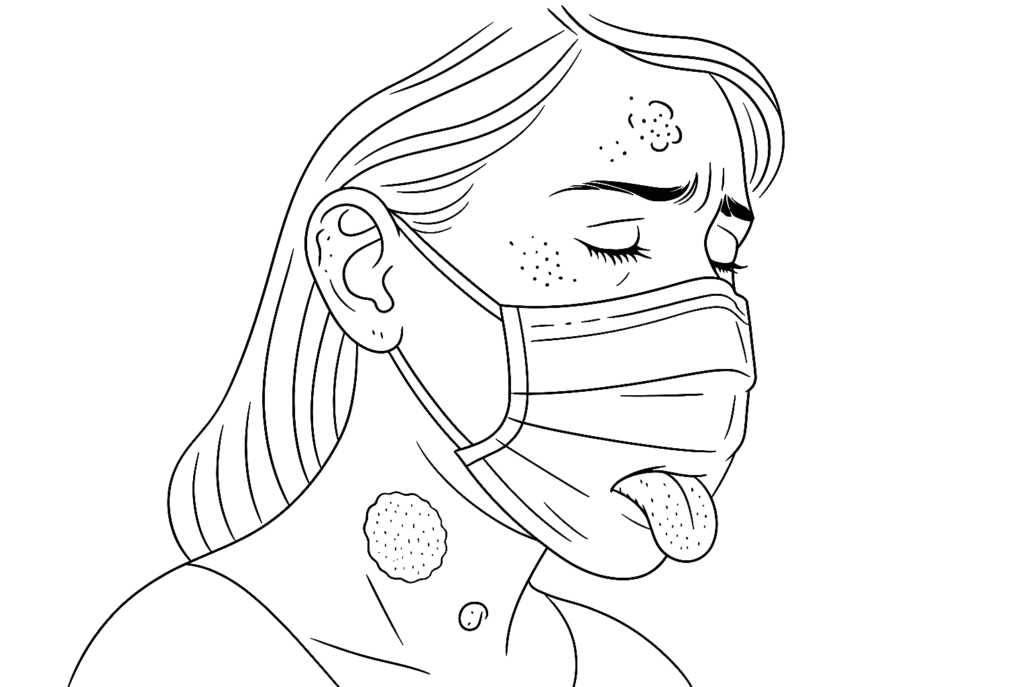
While a face mask is usually not the sole cause of a skin infection, the combination of summer heat, humidity and tight-fitting mask-fabric intensifies underlying conditions and worsens fungal or bacterial infections.

We already have yeast on our skin. A yeast infection occurs in the right setting, such as a warm, moist environment, but is often related to other factors including diabetes, compromised immune system, a recent course of antibiotics, or poor hygiene that allows the yeast to grow unrestrained.

For example, a yeast infection is a fungal infection resulting from a yeast called Candida, and people are having the following problems:

  • White tongues with black or dark spots
  • Acne flare-ups
  • small blisters in the corners of the mouth
  • Yellow smelly tongue
  • Sores on top of the ears
  • Sores on the chin
  • Dry, irritated skin

The mask-wearing could be giving you mouth fungus and fungus-related blisters and unusual skin blemishes in addition to ear, nose and throat problems and infections.

Here’s How Candida Works

Hot air gets trapped inside the mask and can be a source of mouth sores and other issues. Face masks trap warm moisture that is produced when we exhale. For people with acne, this can lead to flareups. For others, this warm moist environment creates the perfect condition for naturally occurring yeast and bacteria to flourish and grow more plentiful. This overgrowth of yeast and bacteria can result in inflammation of the lips, resulting in cracking and sores at the mouth’s corner.

Candida yeast loves the humid climate captured by your mask. Plus, if your lips are always dry, the urge to compulsively lick them will only make the persistent yeast more at home. If moisture and saliva get trapped in your mouth’s corners, they become a breeding ground for Candida. As the yeast grows, your tongue turns white and smelly and becomes redder underneath and inflamed.

Here’s How to Help Your Face and Mouth

Since giving up the mask isn’t exactly an option these days, there are ways to treat unusually irritated skin near the ears, chin and jawline. The diagnosis? A yeast infection, yes, on our face, potentially caused by the masks we been wearing during the pandemic.

To treat the Candida fungal infection condition, apply Chilcoatl natural anti-fungal, antibiotic, antiviral cream. It can also be used for sores on top of the ears, on the chin and for dry, irritated skin. It is designed to be absorbed by the skin quickly and moisturizes and deeply hydrates while repairing fungal damage. It also reduces acne flare-ups. Don’t use lip gloss or chopsticks, because these types of products can actually worsen the problem.

For white tongue with black or dark spots, small blisters in the corner of the mouth and yellow smelly tongue use Chilcoatl spray to reduce fungus problems, including Candida. Chilcoatl is the skin care regimen to follow in this summer of COVID-19, which is also the summer of Candida.

Is the face mask needed protection? Many studies are available and more coming, which say it is not, I encourage you to see a video on YouTube by Doctor Kelly Victory. The name of that video is, “The Truth about COVID-19”. Fortunately, and unfortunately, we live in Mexico, and the masks are state-mandated, so we will continue to use them.