Pain Relief Using Essential Oils, Naturally
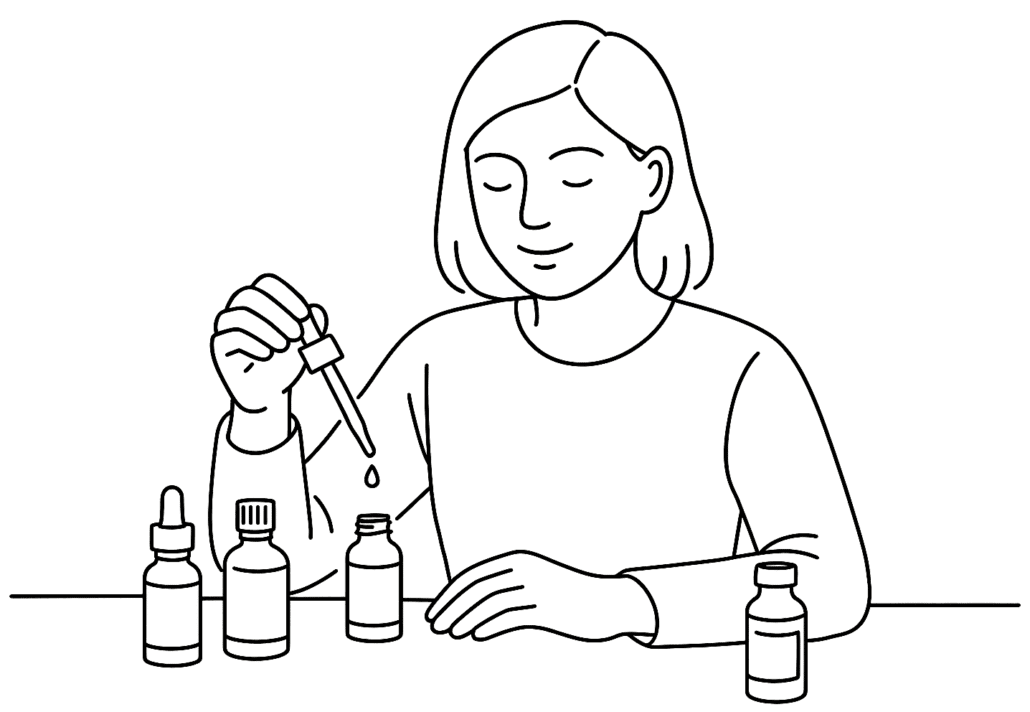
When medications are not easing your pain, you might consider going natural by using alternative remedies. Essential oils are a traditional and natural way to relieve pain.

Essential oils are highly fragrant substances extracted from the petals, stems, roots, bark, and other parts of plants. They are obtained through steam distillation, a centuries-old method that uses heat to evaporate the volatile compounds. During condensation, the oils separate due to their hydrophobic nature.

There is evidence that essential oils can help treat depression, inflammation, headaches, localized pain, respiratory issues, and sleep disorders.

Essential oils can be inhaled or applied topically when mixed with a carrier oil. Never apply undiluted essential oils directly to the skin, and do not ingest them, as they are toxic. Always perform a skin patch test before use. If you don’t experience irritation or discomfort within 12 to 24 hours, the oil is likely safe for use.

Recommended Essential Oils for Pain Relief

  • Cinnamon Leaf: Contains cinnamaldehyde, which reduces inflammation and acts as an antimicrobial. It helps stimulate circulation, reduce stress, relieve pain, fight infections, and improve digestion.
  • Lavender: Acts as an analgesic and anti-inflammatory. When applied topically, it provides pain relief comparable to prescription medications like Tramadol. Inhaling lavender can reduce migraine headache severity.
  • Red Rose: Helps alleviate menstrual discomfort, stress, and anxiety. It has antibacterial and antifungal properties, stimulates libido, and reduces depressive symptoms.
  • Bergamot: Used in aromatherapy to treat neuropathic pain, which is often resistant to opioid medications.

How to Use Essential Oils for Pain Relief

Dilute essential oils with a carrier oil such as apricot kernel, avocado, coconut, grapeseed, sweet almond, or sesame oil. Use only a few drops of essential oil—typically 10 drops per tablespoon of carrier oil.

Massaging diluted essential oil into the skin can help loosen muscles and alleviate pain. You can self-massage or use a professional.

For menstrual relief, blend cinnamon, clove, rose, and lavender in sweet almond oil. For terminal patients, massaging bergamot, lavender, and frankincense can reduce pain and depression. A combination of red rose and cinnamon leaf can ease tendon and rheumatoid arthritis pain quickly and effectively.

For inhalation, add a few drops of essential oil to a diffuser and inhale the steam, or place drops in a bowl of hot water, cover your head with a towel, and breathe in the vapors.

For a hot bath, dissolve five drops of essential oil into one ounce of carrier oil. Soaking allows the oils to absorb through the skin, and the steam provides additional aromatherapy benefits. Avoid very hot baths to prevent dizziness.

Risks and Warnings

Use caution when trying any new essential oil. Always dilute with a carrier oil. Do not apply undiluted oils directly to the skin, especially if pregnant, nursing, or if you have a medical condition.

Possible side effects include:

  • Skin irritation
  • Skin inflammation
  • Sun sensitivity
  • Allergic reaction

Some essential oils or commercial blends may include additional ingredients that could cause adverse reactions. Avoid applying oils around the eyes, lips, or open wounds.

Essential oils can enhance physical, emotional, and mental well-being. Each oil has a unique scent and set of benefits. Incorporating them into your pain management routine may offer natural support with minimal risk, and you can adjust usage as needed.
Chronic Inflammation Relief, Naturally

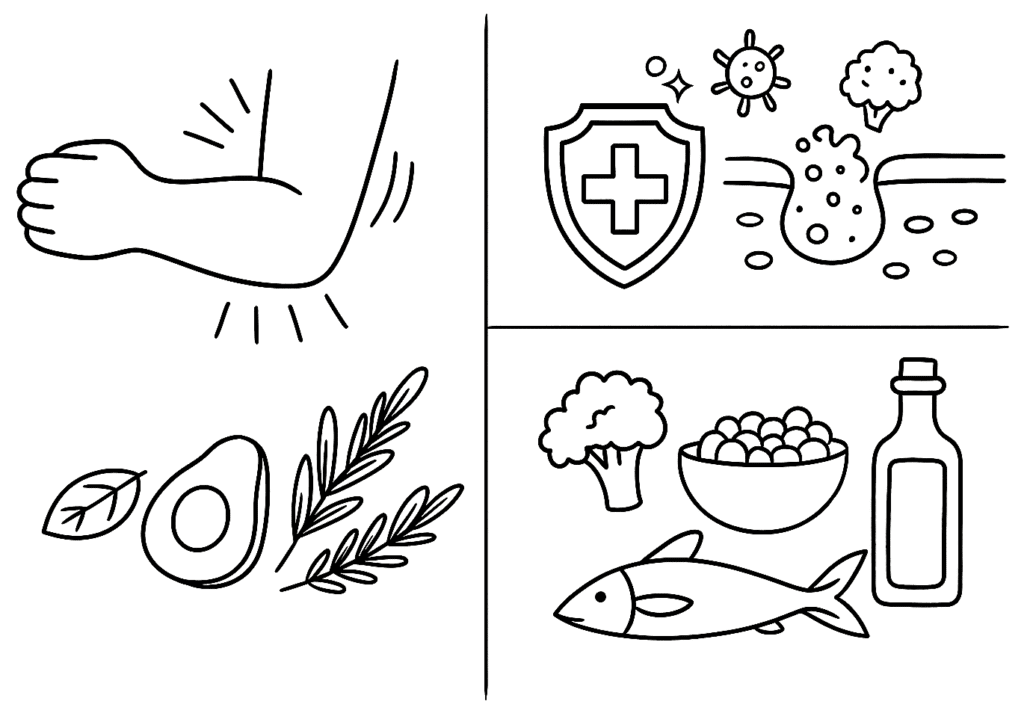
Inflammation is classified into two main types:

  • Acute– occurs for about two weeks
  • Chronic – slower, less severe and lasts longer than six weeks

What is Inflammation?

It is part of the body’s innate immune response against damaged cells, viruses, bacteria, etc. It removes harmful or foreign invaders and heals itself. Without inflammation, wounds would just aggravate, and infections could be deadly.

What does the inflammation process look like? First, chemicals from white blood cells are released into the bloodstream to guard your body against foreign substances releasing chemicals into the area of injury or infection. This increased blood flow leads to redness and a feeling of warmth in the affected area. The chemical release can also trigger fluid leakage in surrounding tissues, which causes swelling. Nerves are often stimulated during this process and can cause temporary pain.

Inflammation can be mistaken for infection, but the two are quite different. Infection can cause inflammation due to harmful substances, and inflammation is the body’s response to infection. In this way, inflammation is mostly good.

Acute inflammation often occurs because of an injury to the external body or skin. Symptoms include:

  • Immobility
  • Heat (affected area feel warm to the touch)
  • Pain
  • Redness
  • Swelling

Symptoms and signs of chronic inflammation:

  • Abdominal pain
  • Chest pain
  • Fatigue
  • Fever
  • Mouth sores
  • Rash
  • Joint pain

Chronic Inflammation can Cause:

  • enlargement and loss of kidney function
  • swelling and loss of blood vessel function and muscules

The leading causes of inflammation are a poor diet, stress, food allergies, and a sedentary lifestyle leading to weight gain. Being overweight can mean a state of long-term, low-grade inflammation. Negative personality traits like smoking, eating unhealthy foods and a lack of exercise encourage inflammation. Harmful bacteria produce microbiome problems and contribute to inflammatory conditions like arthritis, depression, and neurological ills.

Inflammatory Diseases Include:

  • Acute bronchitis
  • Asthma
  • Crohn’s disease
  • Chronic peptic ulcer
  • Hepatitis
  • Ingrown infected toenail
  • Heart disease
  • Rheumatoid arthritis
  • Lupus
  • Sinusitis
  • Sore throat due to a cold or flu
  • Periodontitis
  • Ulcerative colitis

Foods that can Cause Inflammation in the Body”

  • Sugar, sucrose and fructose.
  • Saturated fats found in fast foods and fried products, processed snack foods, frozen breakfast products, cookies, donuts, crackers and margarine.
  • Omega-6 fatty acids are essential in moderation, but excess consumption produces pro-inflammatory chemicals found in oils from corn, safflower, sunflower, soy, peanut and vegetable, mayonnaise and salad dressings.
  • Refined carbohydrates/white flour products including bread, rolls, crackers and cereals, are brutally lacking in nutrients and are advanced glycation end (AGE) products that trigger inflammation.
  • People with celiac disease should avoid gluten.
  • Casein
  • Aspartame
  • Alcohol – excessive intake is harmful to the liver.

Corticosteroids, such as cortisone and prednisone, are prescribed for chronic inflammation like arthritis and asthma. When used on a short-term basis, side effects include fluid retention, increased appetite, weight gain, insomnia, and mood changes.

Long-term effects include osteoporosis, high blood pressure, diabetes, weight gain, infections, cataracts, glaucoma, muscle weakness and thinning of the skin.

Natural Anti-Inflammatory Foods, Herbs and Spices

  • Ensure your diet is loaded with foods high in antioxidants to reduce levels of LDL “bad” cholesterol and lowering the risks of heart disease, Parkinson’s, Alzheimer’s and cancer.
  • Vegetables – three servings/day of beets, carrots, cruciferous vegetables (broccoli, cabbage, cauliflower and kale), dark, leafy greens, onions, peas, salad greens, sea vegetables and squashes.
  • Fruits – three servings/day of apples, all berries, nectarines, oranges, pears, grapefruit, pineapple, plums, pomegranates.
  • Water – at least two liters/day.
  • Beans and Legumes – two servings/day of black beans, black-eyed peas, chickpeas or lentils.
  • Healthy Fats – five servings/day of avocados and extra virgin olive oil.
  • Herbs and Spices – unlimited!
  • Protein – organic eggs, grass-fed meats, healthy cheeses, organic poultry and cultured/raw dairy.
  • Green Tea – an excellent natural anti-inflammatory, three cups/day.
  • Red wine contains quercetin, a potent anti-inflammatory, anti-carcinogenic and antiviral; also, resveratrol reduces inflammation and oxidative stress while also acting as a neuro-protectant. Drink no more than two drinks/day.

Herbs and Spices that Combat Inflammation

  • Ginger
  • Garlic
  • Turmeric
  • Cardamom
  • Black pepper
  • Ginseng
  • Green tea
  • Rosemary

Black Tourmaline and Pain

Black Tourmaline is widely known to help relieve stress, reduce inflammation, improve circulation, strengthen the body’s immune system and increase mental alertness. It also has a detoxifying effect on organs and body tissues.

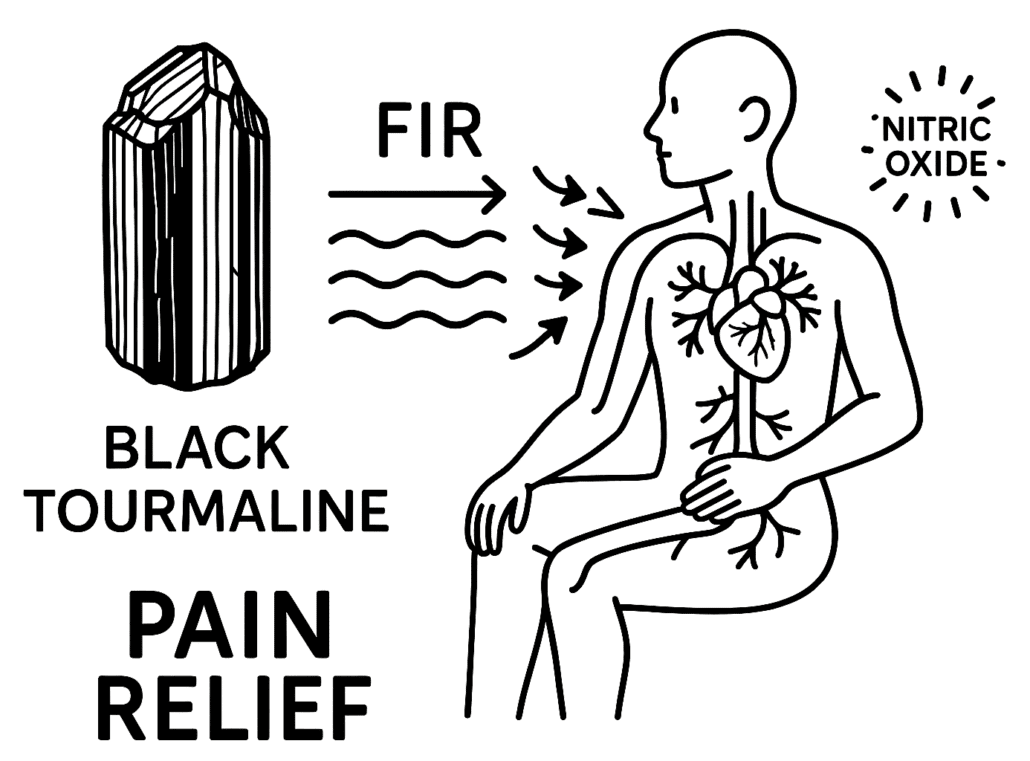
Black tourmaline produces Far Infrared Rays (FIR). These are waves of energy that, when absorbed by the body, gently soothe and detoxify. They also increase blood flow by expanding capillaries, promoting blood oxygenation and distributing nutrients, hormones and oxygen to the body’s tissues and organs more effectively.

Far Infrared is an invisible light wave that nourishes every cell in the body and intensely promotes the production of the “Miracle Molecule” Nitric Oxide

Nitric Oxide specifically signals blood vessels to increase in width, thereby improving circulation that fosters anti-inflammation.

People notice dramatic effects in pain reduction, balance, flexibility and strength by improving vascular function

The natural electrical current that flows through tourmaline is a flow of electrons originating from the sun. The sun bathes the earth in a continuous stream of negatively charged electrons, which enter the positively charged side of the tourmaline material and exit from the oppositely charged side. With this current flowing through it at all times, tourmaline is like a battery with unlimited life, one that never runs out!

Many products include magnets to direct the negative ions at specific articulating areas where black tourmaline is the active ingredient. There are bands, neck braces, belts and shoulder and knee braces. I wear a black tourmaline pendant around my neck.

NASA has patents on products developed to help astronauts have a normal lymphatic system regardless of whether they are confined to a chair in a rocket for a long time.

Healing Properties of Tourmaline

Black Tourmaline is part of the Tourmaline family. It is also known as Schorl and is a type of silicate crystal. It is commonly found in trigonal crystal systems and is made of Sodium Iron Aluminum Borate Silicate. Black Tourmaline means grounding and protection, and while it may seem stripped of color, it’s a powerful stone for those who want to wear a constant cloak of protection. Potent, inky black, and with strong grounding forces, this jet-colored stone is a swallower of negative energies. It effectively helps the wearer absolve dark feelings, turning these anxious vibrations into a positive spin that nurtures the soul.

Black Tourmaline is found in many parts of the world, including Brazil, Mexico, Pakistan and the US. The first piece of Black Tourmaline was discovered in the year 1400, deep in the rugged heart of Saxony, Germany. Its unique properties make up the protective stone known for keeping negative energy away.

Every piece of Black Tourmaline is perfectly unique. Yet, all hold the inky shade of black. Sometimes, the darkness seems to capture wispy grey veins or appear almost blue and deeply iridescent when held in the light. Common formations of Tourmaline are Dravite and Schorl. Dravite tends to be a browner shade, earthly and rich, whereas Schorl is the dark midnight shade of onyx.

Physical Healing Properties of Black Tourmaline

The most famed benefit of the Black Tourmaline stone has to be its protective properties. Whether dealing with a dose of negativity from a person, blocking EMFs, and worrying environmental factors, wearing Black Tourmaline is akin to always carrying a shield. Black Tourmaline has many physical benefits for those whose bodies could use an extra dose of toughness. Helping circulation, reducing the negative imprint of lung problems, boosting metabolism, and effectively cutting down on muscle aches and pains are just a few things that Black Tourmaline can do. As a great supporter of all organ systems and the immune system. If you are sensitive to electromagnetic forces, then Black Tourmaline can be the stone you need. Laptops, phones, and TV screens all give off pollution that can cause chaos in those prone to EMF sensitivity. Happily, Black Tourmaline can stop EMF, forming a protective barrier and soaking up the pollution.

If you have any comments or questions about this column, contact me by email or find me at Arte Viviente (Living Art), Libertad 303, Centro Vallarta, Tuesday, Wednesday and Saturday, from 3 to 5 pm.

Moringa leaf and powder and a wide array of tinctures, tonics, and herbal supplements are available. At Arte Viviente, you can find many organic products and supplements, 38 different spices, organic coffees, turmeric tincture, plus honey. Also, Ceylon cinnamon, apple cider vinegar with the Mother, Superfoods such as Maz-mix digestive formula, a fermentation product with probiotics and prebiotics.