
Fibromyalgia:
Understanding the Condition
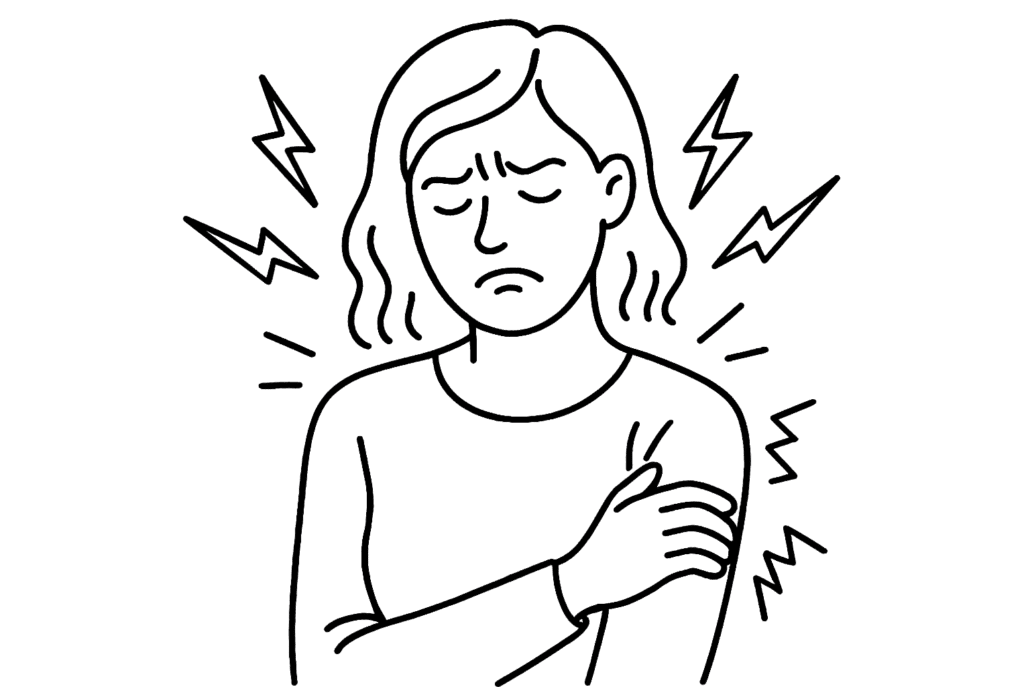
What is Fibromyalgia?
Fibromyalgia is a long-term (chronic) condition that causes musculoskeletal pain, areas of tenderness, fatigue, and disturbances in sleep and cognition. It’s often misunderstood and misdiagnosed due to its similarity with other conditions and lack of definitive tests. However, awareness and understanding have improved significantly in recent years.
Common Symptoms
- Muscle and bone pain
- Regions of tenderness
- Fatigue
- Nonrestorative sleep
- Headaches
- Depression and anxiety
- Difficulty focusing (“fibro fog”)
- Abdominal pain, dry eyes, and bladder issues
People with fibromyalgia may experience misinterpretation or overreaction to normal pain signals due to brain chemistry changes or central pain sensitization.
Gender Differences
Women are more frequently diagnosed and often experience more severe symptoms such as widespread pain and IBS. However, diagnostic updates are helping identify more men with fibromyalgia, reducing gender disparities.
Diagnosis Criteria
Previously diagnosed by tenderness in 11 of 18 trigger points, fibromyalgia is now identified by multisite musculoskeletal pain lasting three months or more, with no other identifiable condition.
Where Fibromyalgia Hurts
- Chest pain: May resemble heart attack symptoms due to inflammation in cartilage connecting ribs to the sternum.
- Back pain: Common and can overlap with arthritis.
- Leg pain: Burning, deep, throbbing pain or crawling sensations often linked to restless leg syndrome.
Causes and Risk Factors
- Genetics and family history
- Past infections and trauma
- Chronic stress
- Hormonal or nervous system imbalances
Although inflammation isn’t typically present, the condition may overlap with autoimmune diseases like RA and lupus.
Treatment Options
- Medications: Includes antidepressants (e.g., Cymbalta, Savella), anti-seizure medications (e.g., Lyrica, Gabapentin), and pain relievers (e.g., acetaminophen). NSAIDs may help but require caution due to potential side effects.
- Therapy: Physical, occupational, and cognitive behavioral therapy (CBT) can reduce stress and improve daily functioning.
- Lifestyle: Gentle exercise, sleep management, and mindfulness techniques are beneficial.
Natural Remedies
- Acupuncture
- Yoga or tai chi
- Meditation and massage
- 5-HTP supplements
- Balanced diet and hydration
Diet and Nutrition
No specific diet has been proven to treat fibromyalgia, but a balanced, plant-rich diet with limited sugar and processed foods can help manage symptoms. Avoid potential triggers like MSG or gluten if they worsen symptoms.
Living with Fibromyalgia
Daily symptoms can significantly affect quality of life. A strong support system, self-compassion, and proactive healthcare partnerships are essential for effective management.
Facts and Statistics
- Approximately 4 million adults in the U.S. are diagnosed
- Mostly affects middle-aged women but can occur in men and children
- May include remission periods
#fibromyalgia
#chronicpain
#naturaltreatment
#fibrofog
#invisibleillness
#musclepain
#dietandhealth
#fibromyalgiasupport
Understanding the Condition

