Liver Regeneration – Naturally

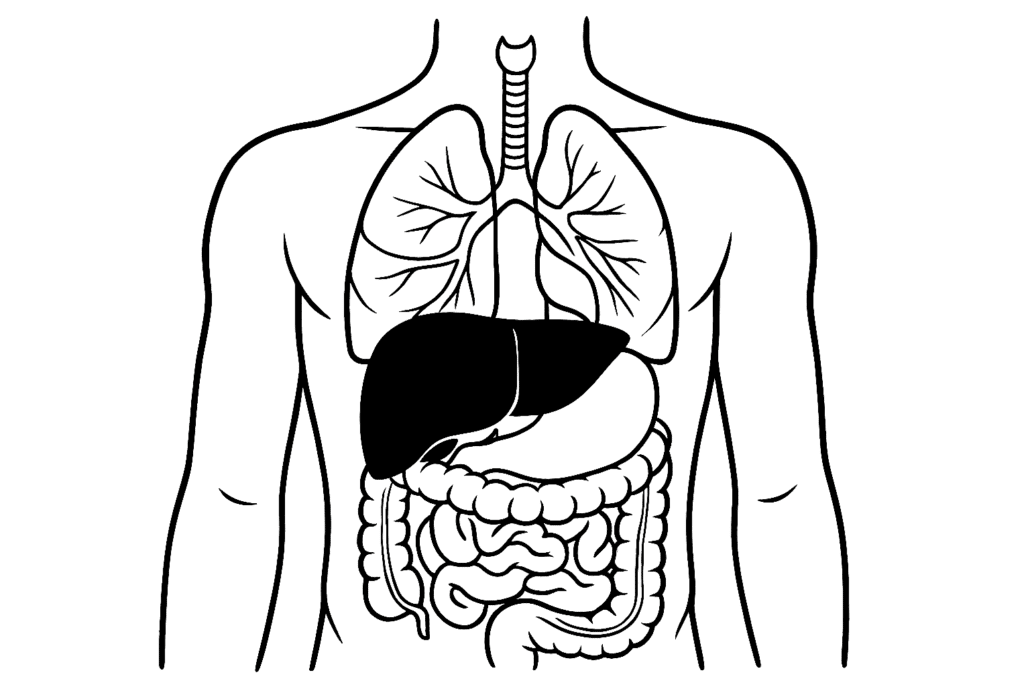
The liver is the largest internal organ in the human body, located on the upper right side of the belly, beneath the rib cage. It has two large lobes and is made of lobules—specialized tissues that transport blood and cells. The liver receives blood from both the gastrointestinal tract and the heart through two main veins. It connects with other digestive organs via a network of tubes that collect bile, digest food, and remove waste.

As the central detoxification organ, the liver constantly communicates with the body, receiving information about nutrient levels and potential threats like medications, heavy metals, and toxins. A healthy liver ensures efficient metabolism, strong circulation, hormone balance, clean blood, and proper digestion.

Benefits of a Healthy Liver

  • A positive mood and sharper mind
  • Clear skin
  • Fresh breath and oral health
  • Relief from sinus pain
  • Fewer infections
  • Increased energy levels
  • Improved digestion and regularity
  • Stronger immunity

Main Functions of the Liver

  • Breaks down and removes excess hormones
  • Filters blood from the digestive tract, stores blood, enables blood clotting, and removes damaged blood cells
  • Produces bile
  • Converts nutrients for absorption
  • Distributes nutrients throughout the body and maintains ideal levels
  • Eliminates toxic waste
  • Stores essential vitamins and minerals
  • Regulates fat conversion; creates triglycerides and cholesterol
  • Converts carbohydrates into glucose for energy storage

Liver Regeneration Capacity

The liver has an exceptional ability to regenerate—even with only 25% of it remaining healthy, regeneration is still possible. However, severe scarring inhibits regeneration and may lead to liver failure.

Types and Symptoms of Liver Disease

Liver disease is a major global health issue. In North America, one in ten people is affected. Common liver diseases include:

  • Alcoholic liver disease: Caused by heavy alcohol consumption
  • Cirrhosis: Scar tissue replaces healthy cells
  • Non-alcoholic fatty liver disease: Often linked to obesity, metabolic syndrome, and type 2 diabetes
  • Liver cancer
  • Liver failure: Occurs when scarring becomes so severe that liver function stops

Symptoms may be absent in early stages, but as inflammation and scarring worsen, signs become more noticeable:

  • Abdominal pain, typically in the center or upper right
  • Bloating and gas
  • Easy bruising, acne, and excessive sweating
  • Confusion and difficulty concentrating
  • Constipation
  • Dark urine, pale or tar-colored stool
  • Dry, dark skin patches (neck, underarms)
  • Fatigue
  • Enlargement or shrinking of the liver
  • Nausea, vomiting, loss of appetite, weight loss
  • Swelling in the legs and ankles
  • Yellowing of the skin (jaundice)
  • Overall weakness

Natural Ways to Regenerate the Liver

Juicing vegetables enhances nutrient absorption and supports liver detoxification. Ideal vegetables include:

  • Asparagus
  • Broccoli
  • Brussels sprouts or cabbage
  • Cauliflower
  • Celery
  • Beets
  • Carrots
  • Cucumber
  • Leafy greens like kale, spinach, dandelion, watercress

Herbs also play an essential role in liver health:

  • Parsley, mint, cilantro, and basil: Support the digestive system
  • Ginger root: Anti-inflammatory and aids digestion—use in stir-fries, soups, or salads
  • Dandelion: Promotes bile flow, acts as a diuretic, and supports toxin removal
  • Milk thistle: A powerful detoxifier that rebuilds liver cells and protects against alcohol, pollution, and heavy metal damage

Maintaining liver health is key to overall wellness. Support your liver naturally through a nutrient-dense diet, detoxifying herbs, and lifestyle choices that minimize toxin exposure.
Heavy Metals Toxicity


Detox Naturally

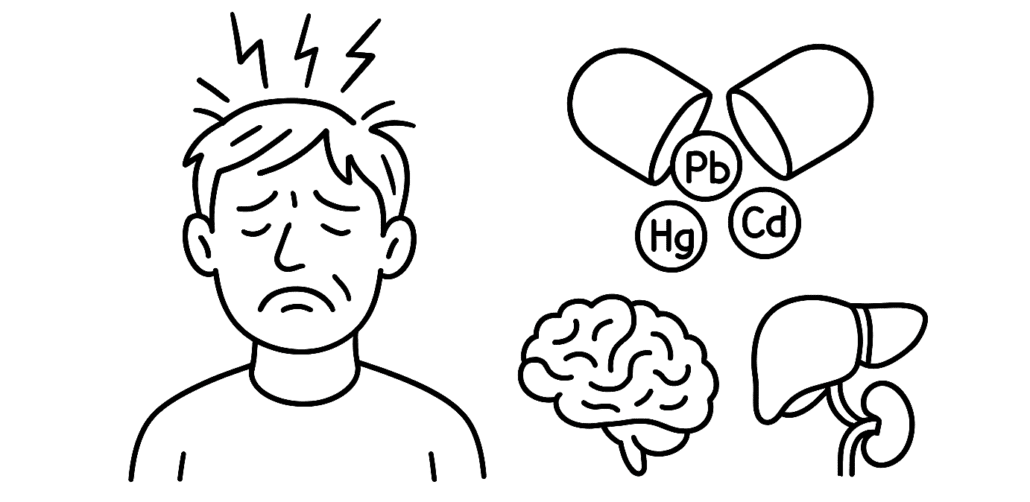
Heavy metals are considered systemic toxicants; they poison multiple areas of the body and induce organ damage at any level of exposure.

Exposure to heavy metals has been linked to Alzheimer’s disease, alopecia (hair loss), depression, fatigue, glucose intolerance, nutrient malabsorption, Parkinson’s disease, inadequate testosterone production, and vision problems.

We should be most concerned about aluminum, arsenic, cadmium, chromium, lead, and mercury. Exposure to these toxic metals comes from our environment, workplace, food, or water supply.

For example, the effects of mercury-laden fillings are alarming. These fillings are one of the top contributing causes of mercury poisoning, which can result in tremors, insomnia, headaches, nerve damage, kidney problems, and respiratory failure.

Recognizing Exposure

How can we identify exposure to any of these toxic metals? One common sign is chronic low energy, as heavy metals interfere with mitochondrial ATP production—the basic unit of energy in your cells—and disrupt enzyme function, which is essential for metabolism.

Understanding the symptoms and chronic conditions associated with heavy metal toxicity is critical to diagnosis and treatment.

Focus on Aluminum Toxicity

Today, we’ll focus on aluminum toxicity. Exposure to aluminum is common through food, water, and even air. It can also come from aluminum cookware, cans, overuse of antacids, antiperspirants, and cosmetics.

Hair analysis shows that nearly 80% of people tested have elevated aluminum levels in their hair.

Aluminum is linked to numerous health issues including Alzheimer’s disease, Parkinson’s disease, anemia, colic, and dental caries, yet it remains classified as a non-carcinogen.

Doctors may prescribe the chelating medication deferoxamine to treat aluminum toxicity.

Aluminum and Breast Cancer

The potential connection between aluminum in deodorants and breast cancer is especially concerning. Aluminum is known to cause neurotoxicity—damage to the central and/or peripheral nervous system.

Recent studies confirm that many people are still exposed to dangerous levels of aluminum. It’s essential to monitor all sources of exposure, including deodorant, cooking tools, and packaging materials.

Common Sources of Aluminum Exposure

  • Cosmetics and personal care products
  • Food packaging
  • Cooking tools: Researchers warn that uncoated aluminum cookware and aluminum-based cosmetics may cause individuals to exceed safe exposure limits.

How to Avoid Aluminum Exposure

  • Cosmetics and Personal Care: Check your deodorant and toothpaste first, then examine products like eye shadow, mascara, eyeliner, blush, nail polish, sunscreen, hair dye, face masks, and hairspray.
  • Use Alum Crystal: Consider switching to an Alum Crystal deodorant, made of the natural mineral salt potassium alum, which has antimicrobial properties and has been used for centuries.
  • Avoid Aluminum Cookware: Do not prepare or store food in uncoated aluminum pots, pans, or foil, especially acidic or salty foods, which accelerate leaching.
  • Be Cautious with Takeout: Many restaurants use aluminum foil or containers for leftovers. Transfer your food to safer containers as soon as possible.

Detoxification and Elimination

  • Chelation Therapy: The most effective medical treatment for heavy metal toxicity, where chelating agents bind to metals so they can be excreted.
  • High-Dose Vitamin C: Can also act as a natural chelating agent.
  • Urinary Elimination: Aluminum is primarily excreted through urine. Milk thistle tonic and dandelion root tincture, along with adequate water intake, aid the detox process.
  • Skin Detox: Take hot baths with Epsom salts to encourage toxin elimination through the skin.
  • Water Purification: To remove aluminum from drinking water, use reverse osmosis, distillation, or deionization filtration methods.