
Vision Decline Help
Naturally
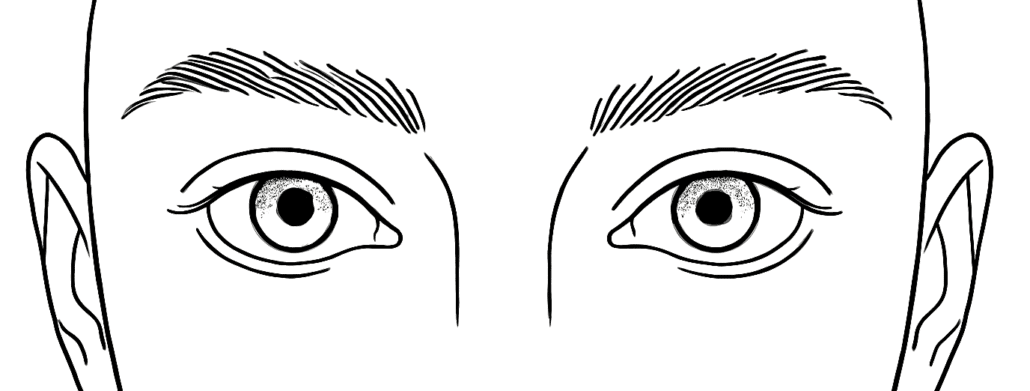
Mainstream medicine often dismisses vision decline as a normal part of aging. But while common, deteriorating eyesight isn’t necessarily natural or healthy.
How Healthy Eyes Work
- Light enters through the lens.
- The lens focuses the image onto the retina at the back of the eye.
- The retina sends visual signals along the optic nerve to the brain.
- The lens flexes to focus: relaxed for distant objects, tight for close-up.
As we age, our lenses lose flexibility, making it harder to focus on nearby objects. Protective molecules in the lens become stiff and brittle.
The Real Problem: ROS Toxins
Reactive Oxygen Species (ROS) are toxic byproducts that form even during normal body functions. While small amounts serve a purpose, excess ROS are harmful and contribute to:
- Glaucoma
- Diabetic retinopathy
- Age-related macular degeneration
ROS toxins are unavoidable—found in plastics, processed foods, tap water, and more.
Blue Radiation Threat
Modern light sources such as LED bulbs, smartphone screens, TVs, and computers emit blue UV light that strains the eyes and speeds up lens degradation. Blue light is especially damaging for adults over 30, increasing the load of vision-destroying toxins in the lens.
Why Modern Treatments Fall Short
- Eyeglasses only bend light. They don’t repair the lens or retina and may worsen vision over time due to stronger prescriptions.
- Laser surgery is costly, risky, and offers only a temporary fix.
In contrast, ancient cultures protected their vision using natural remedies found in flowers. Science is now catching up.
Flower-Based Natural Remedies
While carrots offer minimal eye protection due to limited carotenoids, two flowers stand out for their potent vision benefits:
- Cempasúchil (Tagetes erecta) – Also known as dwarf marigold, this vibrant orange flower native to Mexico is rich in carotenoids that protect the eyes from Blue Radiation. The same pigments responsible for its color also shield your vision.
- Saffron (Crocus sativus L.) – Contains crocin and crocetin, carotenoid compounds with powerful anti-inflammatory, antioxidant, neuroprotective, and macula-regenerating effects. Studies show saffron may also support mood, heart health, and immune function.
These flowers can be consumed in tea or taken as tinctures (sublingually) to support and potentially restore healthy vision.
#naturalvision
#maculadegeneration
#rosfree
#bluelightprotection
#cempasuchil
#saffronbenefits
#eyestrainrelief
#carotenoids
#herbalremedies
Naturally

