
Gout And Uric Acid Relief – Naturally
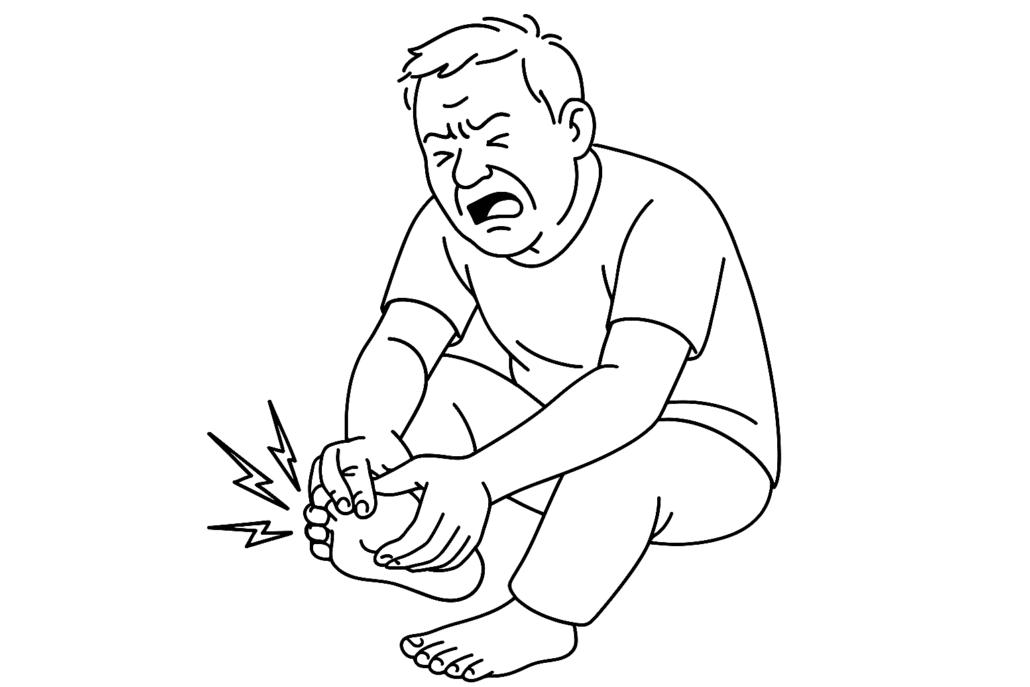
Gout is a type of arthritis caused by excessive uric acid in the body. It usually appears suddenly with intense pain, often affecting the joint at the base of the big toe. It may also impact joints in the fingers, elbows, wrists, heels, or knees. Affected joints become red, inflamed, and stiff, with limited mobility. Recurrent episodes can lead to chronic gout and permanent joint damage. Some individuals also develop small, painful white lumps beneath the skin called tophi, which are deposits of urate crystals.
Severe pain typically lasts about three days with treatment and up to 14 days without. With chronic gout, the tophi can grow large and interfere with joint function.
Pharmaceutical Management
There are many pharmaceutical options available to manage gout. Anti-inflammatory drugs, steroids, and medications such as ibuprofen (Advil, Motrin) are commonly used. If flare-ups become frequent, your doctor may order a blood test to check uric acid levels. High levels may lead to prescriptions like Zyloprim, Allopurinol, or Uloric.
Common Medications For Gout
- Nonsteroidal anti-inflammatory drugs (NSAIDs)
- Corticosteroids
- Colchicine
These medications help reduce inflammation and pain during an acute gout attack. However, they also carry side effects:
- NSAIDs: May cause diarrhea, nausea, ulcers, and kidney or liver issues. Examples include Bufferin, Celebrex, Ibuprofen, Indocin, Ketoprofen, and Naproxen.
- Corticosteroids: May lead to diabetes, osteoporosis, high blood pressure, cataracts, infections, and bone damage.
- Colchicine (Colcrys): Helps prevent urate crystal formation but can cause nausea, vomiting, and diarrhea.
Understanding The Root Cause
Uric acid is a waste product formed when the body breaks down purines — natural compounds found in our bodies and in many foods. When uric acid builds up and is not properly eliminated through urine, it can crystallize in the joints and cause gout.
Diet And Uric Acid
Your diet plays a critical role in uric acid production. A low-purine diet helps reduce the frequency and severity of gout attacks. An alkaline diet or a Mediterranean or traditional Mexican diet has been shown to lower uric acid due to its anti-inflammatory and antioxidant effects.
Maintaining a healthy weight also reduces the risk of gout. Even modest weight loss can lower uric acid levels without the need for dietary purine restriction.
Foods To Avoid
- Alcohol (beer, whiskey, gin, vodka, rum, tequila — red wine is okay in moderation)
- Full-fat dairy products
- Sugar, sweetened snacks, and sodas
- Red meat, processed meats, and fatty poultry
- Organ meats (liver, kidney)
- Seafood such as anchovies, herring, sardines, mussels, scallops, trout, haddock, mackerel, and tuna
- White bread and refined carbs
Recommended Foods
- Low-fat milk, yogurt, and cheese
- Coffee
- Eggs
- Whole fruits and vegetables
- Potatoes
- Nuts
- Foods rich in vitamin C (especially cherries and red berries)
Lifestyle Tips For Gout Relief
- Drink at least two liters of water daily
- Exercise regularly (avoid high-impact activities during flare-ups)
- Rest and elevate the affected joint
- Apply ice packs for up to 20 minutes to reduce swelling
- Use a bed cradle or light sheet to prevent pressure on the joint at night
Natural Alternatives And Supplements
Several natural remedies and herbal supplements may help relieve symptoms and lower uric acid levels without harsh side effects. These include:
- Devil’s Claw – Anti-inflammatory and pain-relieving
- Milk Thistle – Supports liver detoxification
- Nettle – Natural anti-inflammatory
- Cola de Caballo (Horsetail) – Diuretic and detoxifying
- Bromelain – Anti-inflammatory enzyme from pineapple
- Turmeric – Powerful anti-inflammatory
- Apple Cider Vinegar (with “mother”) – Aids detoxification and alkalinity
These supplements can support your body’s natural healing process and help manage gout without the side effects commonly seen in pharmaceuticals.

