
Sleep Apnea & the Importance of Sleep
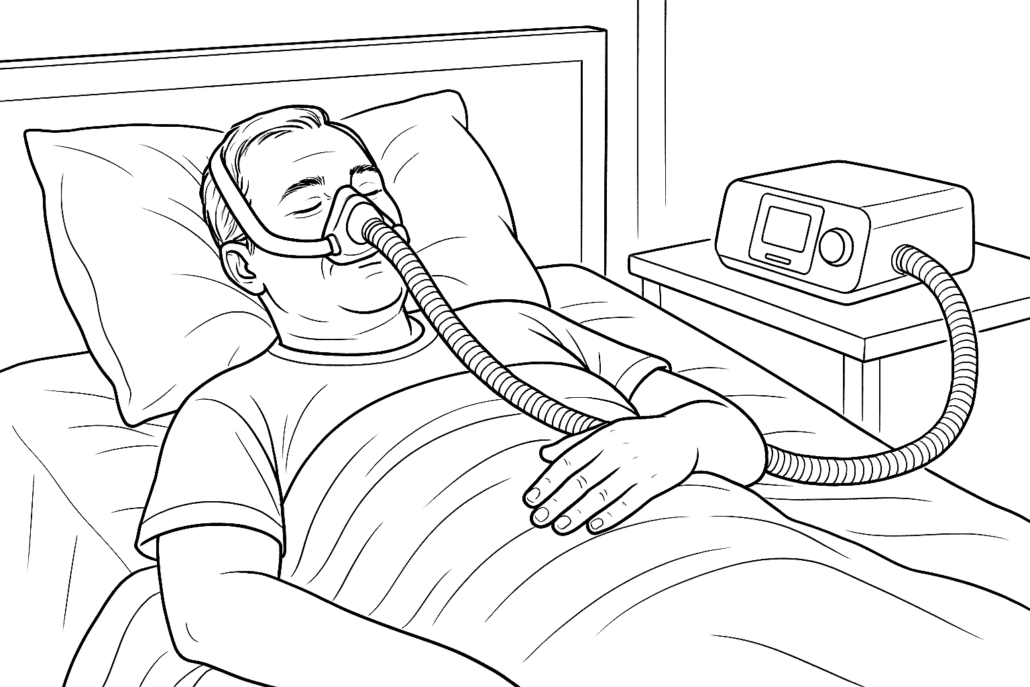
Sleep is essential for good health. Lack of sleep increases the risk of obesity, diabetes, cardiovascular disease, and other chronic illnesses. It may also elevate the risk of dementia, which can eventually lead to Alzheimer’s disease.
Understanding Obstructive Sleep Apnea (OSA)
OSA is a common sleep disorder that occurs when the upper airway repeatedly collapses during sleep, interrupting normal breathing. It affects people of all ages, though the risk increases with age.
In adults, the most common cause of OSA is excess weight or obesity. Soft tissue in the mouth and throat can relax too much during sleep, leading to airway obstruction.
Men with OSA often snore loudly—likened to a truck engine. In contrast, women may experience insomnia, fatigue, headaches, depression, and anxiety—symptoms often overlooked or misattributed, especially during menopause.
Treatment Options for Sleep Apnea
Positive airway pressure (PAP) therapy uses compressed air to keep airways open during sleep. It has been shown to reduce the likelihood of dementia, including Alzheimer’s disease, in older adults with OSA.
The most common form, continuous positive airway pressure (CPAP), delivers a steady stream of air through a mask. While effective, CPAP machines can be noisy and uncomfortable. Cold, dry air may irritate the eyes and sinuses, but adding a heated humidifier can help—just avoid setting it too high to prevent condensation buildup.
Left untreated, OSA can be life-threatening, increasing the risk of sudden cardiac death. Addressing sleep issues is critical for long-term health.
Lifestyle Changes for Sleep Apnea
- Lose excess weight
- Practice yoga or regular exercise to boost energy, heart health, and sleep quality
- Modify sleep position—sleep on your side or stomach rather than your back
- Use a humidifier with temperature control
- Quit smoking
Herbal Remedies for Sleep Apnea
- Chamomile: Take as a tincture or tea to improve sleep quality
- Valerian root: Used for centuries to treat sleep disorders
- Lemon balm: A citrus-scented mint family herb for stress, anxiety, and insomnia
- Passionflower and Valerian: Combined tinctures enhance sleep quality
- Magnolia and Tila flower tincture: Help with anxiety and insomnia
- Tila flower and St. John’s Wort: Ease stress and improve sleep
- Tart cherry juice: Helpful when you have trouble falling asleep
- Kiwi and romaine lettuce: May improve sleep time and efficiency
- Nettle tincture: A natural antihistamine during allergy season; may cause drowsiness
- Walnuts: Contain melatonin—ideal as a bedtime snack
#SleepApnea
#BetterSleep
#OSA
#NaturalRemedies
#HerbalSleepAid
#CPAP
#TilaFlower
#NaturallyMazcal

