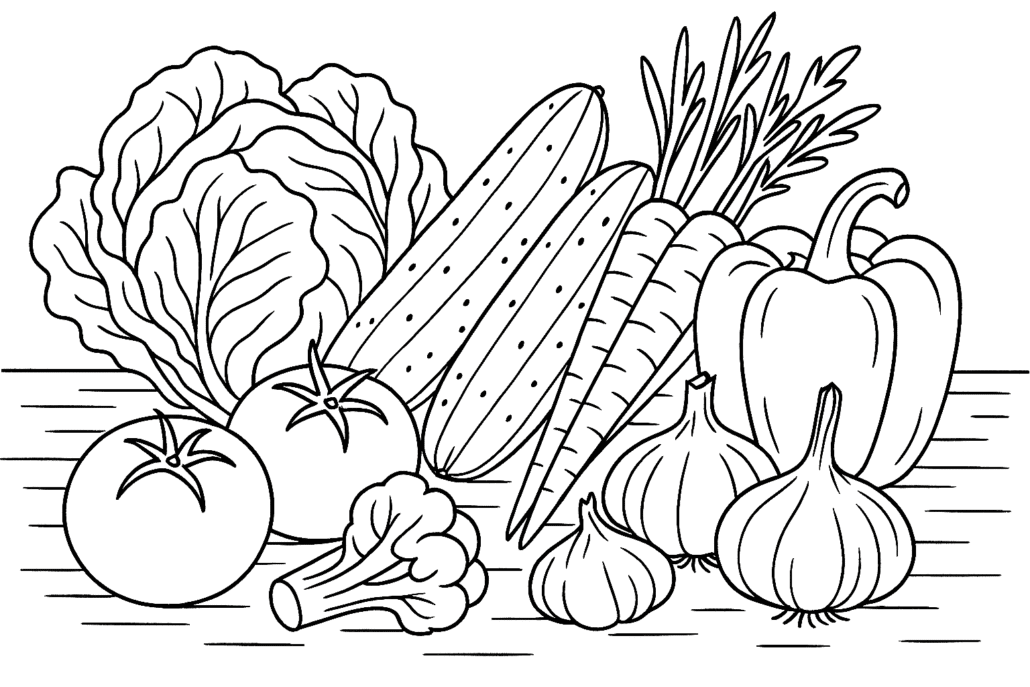
Veggie Power

The importance of consuming vegetables is paramount to maintaining a healthy body at any age. Yet most people don’t get enough fresh vegetables in their diet, missing out on valuable antioxidants, fiber, and essential nutrients.

All adults and children should eat at least two to three cups of vegetables and two cups or more of fruit daily. However, statistics show that only about 10% of people meet the recommended intake. This shortfall leads to a lack of essential vitamins, minerals, and fiber needed for optimal health and increases the risk of chronic illness and weight gain.

Although fresh organic produce can be more expensive, the long-term cost of poor nutrition is far higher—measured in sickness, medical bills, and lost vitality. Fast food and restaurant culture, along with busy, stressful lives, make fresh food preparation feel like a burden. Washing, peeling, chopping, and cooking are often seen as chores—so instead, many turn to junk food and sugary drinks for convenience.

Studies show that individuals with higher education levels and better nutritional knowledge tend to make healthier choices, including eating more vegetables and fruits. In fact, vegetables have an even greater protective effect on long-term health than fruits. One study found that people who consumed five to seven servings of vegetables per day had a 36% lower risk of dying from any cause compared to those who ate less than one serving.

Vegetables are also essential for gut health. Their fiber breaks down into short-chain fatty acids that nourish beneficial bacteria in the digestive tract. Most vegetables are naturally low in carbs and calories, and their fiber content helps you feel full, supports blood sugar regulation, and contributes to healthy cholesterol and blood pressure levels.

Plants also contain a vast array of antioxidants and phytochemicals that support healthy cells, bones, heart function, brain health, and eye health. Leafy green vegetables, for instance, have been shown to activate genes responsible for producing immune cells known as innate lymphoid cells in the gut. Higher vegetable intake is also linked to improved mood, mental clarity, and energy levels.

In today’s busy world, we don’t always have fresh vegetables on hand. Many people skip them altogether and opt for quick options like frozen pizza. Fortunately, there are alternatives. High-quality vegetable powders can be added to smoothies, soups, or hot water for a quick nutrient boost.

One such product is the Veggie Power powder, available at Arte Viviente in downtown Puerto Vallarta. It contains over 30 powerful vegetables, herbs, and spices, including broccoli, kale, spinach, ginger, cinnamon, turmeric (curcuma), and moringa. This green superfood blend is rich in:

  • Antioxidants like superoxide dismutase and beta-carotene
  • Phyto-pigments such as chlorophyll, phycocyanin, and carotenoids
  • Plant sterols like beta-sitosterol
  • Essential minerals including potassium, calcium, iron, phosphorus, and magnesium
  • Vitamins B1, B2, B6, B12, pantothenic acid, and folic acid

It also helps balance the acid-forming foods in your diet such as processed meats, eggs, dairy, sweetened foods, breads, cereals, and acidic beverages like coffee, alcohol, and soft drinks. These acid-forming foods can disrupt your body’s pH balance and impair health over time.

Veggie Power powder delivers a concentrated dose of phytonutrients that support a healthy immune system, improve digestion, boost mental clarity, and enhance overall metabolic function. It is a practical solution for busy individuals who want to support their health naturally—even when they don’t have time to cook.


#VeggiePower
#EatYourGreens
#Superfoods
#HealthyEating
#PlantBasedHealth
#Phytonutrients
#ImmuneSupport
#GutHealth
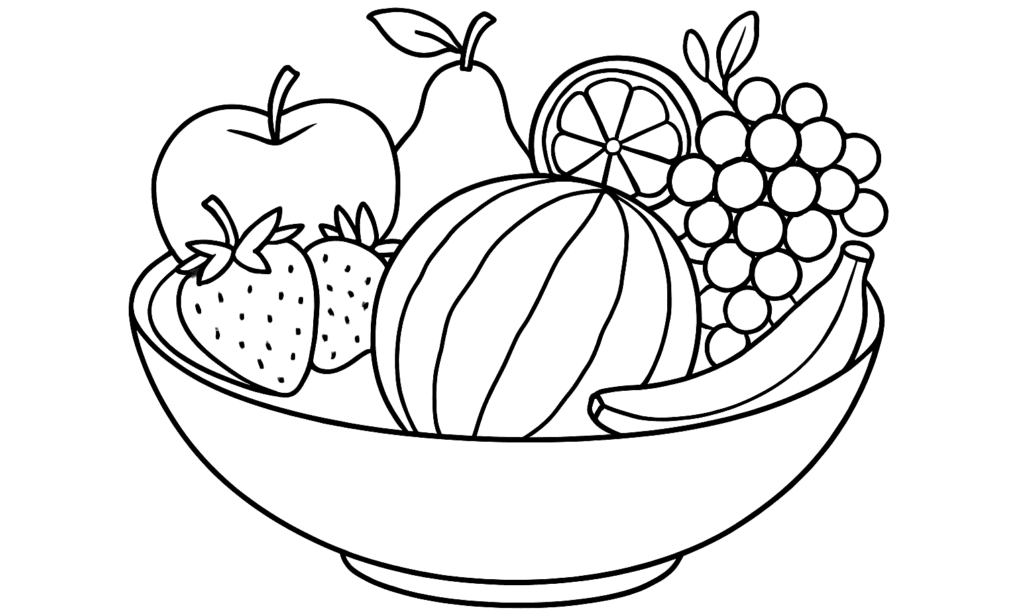
When Is the Best Time to Eat Fruit?

Eating fruit is a powerful way to supply essential nutrients to the body. Fruits are rich in antioxidants, natural sugars like fructose, vitamins, minerals, and dietary fiber. A daily intake of fruits, vegetables, and leafy greens supports vibrant health and energy.

But when is the best time to eat fruit? There are many misconceptions on this topic. Drawing from over 60 years of personal observation and research, I’d like to clarify what actually matters.

Common Myths Debunked

One common myth is that fruit should not be eaten at night. Another is that fruit in the evening will make you sick or fat. Neither of these is true. The real issue depends on the type of fruit, how it’s consumed, and how much you eat.

Overeating fruit—like overeating anything—can lead to weight gain due to excess calorie intake. The body’s energy demands decrease at night, so if you’re on a weight-loss plan, it’s wise to choose fruits that are lower in calories in the evening.

Fruit and Weight Gain

Gaining weight from eating fruit at night is usually the result of consuming more calories than your body can burn. The type of fruit, portion size, and what you eat alongside it all influence the outcome. For weight management, consider lighter, hydrating fruits at night.

Best Fruits for the Morning

Berries such as blueberries, strawberries, raspberries, and blackberries are excellent morning choices. They are low in calories, high in fiber, and packed with disease-fighting antioxidants. They provide a fresh and energizing start to the day.

Timing Citrus and Acidic Fruits

Acidic fruits like lemons, oranges, grapefruits, tangerines, and kiwis are best consumed earlier in the day—ideally before 5 p.m. If you have a sensitive stomach or digestive issues, these fruits may irritate your system when eaten at night. Whole fruits are always preferable to juices, as the fiber helps balance the insulin response and moderates the effect on blood sugar.

Papaya: A Special Case

Papaya offers unique benefits when eaten on an empty stomach in the morning. Its high water and fiber content can relieve constipation, soothe heartburn, and ease symptoms of irritable bowel syndrome. Papaya also contains the enzyme papain, which aids digestion—particularly of proteins—and helps reduce inflammation, pain, and muscle soreness.

Hydrating Fruits for the Evening

Fruits high in water content such as watermelon, melon, apples, and pears are ideal for nighttime consumption. They support digestion, promote hydration, and help the body detoxify overnight, leading to better rest and recovery.

Moderation Matters

Too much fruit, even healthy varieties, can cause gastrointestinal discomfort due to fiber and natural acids. For most adults, 2 to 3 cups of fruit per day is a balanced and beneficial intake. The key is variety, moderation, and mindful timing.


#FruitNutrition
#HealthyEating
#WhenToEatFruit
#PapayaBenefits
#NaturalDigestion
#MorningNutrition
#NighttimeFruit
#GutHealth

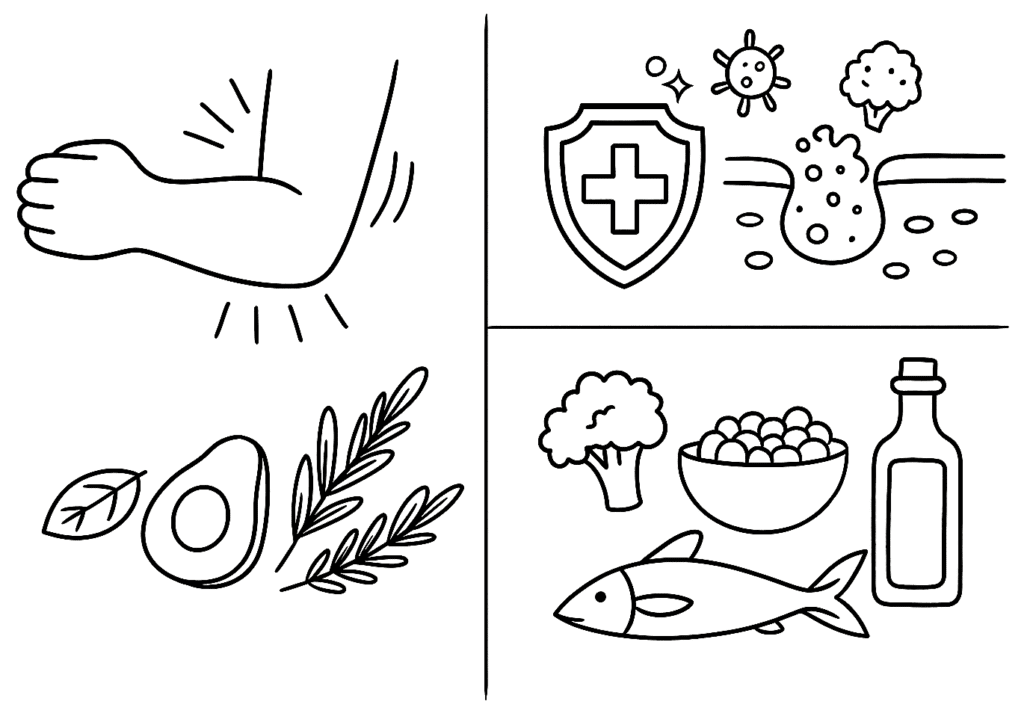
Chronic Inflammation Relief, Naturally

Inflammation is classified into two main types:

  • Acute– occurs for about two weeks
  • Chronic – slower, less severe and lasts longer than six weeks

What is Inflammation?

It is part of the body’s innate immune response against damaged cells, viruses, bacteria, etc. It removes harmful or foreign invaders and heals itself. Without inflammation, wounds would just aggravate, and infections could be deadly.

What does the inflammation process look like? First, chemicals from white blood cells are released into the bloodstream to guard your body against foreign substances releasing chemicals into the area of injury or infection. This increased blood flow leads to redness and a feeling of warmth in the affected area. The chemical release can also trigger fluid leakage in surrounding tissues, which causes swelling. Nerves are often stimulated during this process and can cause temporary pain.

Inflammation can be mistaken for infection, but the two are quite different. Infection can cause inflammation due to harmful substances, and inflammation is the body’s response to infection. In this way, inflammation is mostly good.

Acute inflammation often occurs because of an injury to the external body or skin. Symptoms include:

  • Immobility
  • Heat (affected area feel warm to the touch)
  • Pain
  • Redness
  • Swelling

Symptoms and signs of chronic inflammation:

  • Abdominal pain
  • Chest pain
  • Fatigue
  • Fever
  • Mouth sores
  • Rash
  • Joint pain

Chronic Inflammation can Cause:

  • enlargement and loss of kidney function
  • swelling and loss of blood vessel function and muscules

The leading causes of inflammation are a poor diet, stress, food allergies, and a sedentary lifestyle leading to weight gain. Being overweight can mean a state of long-term, low-grade inflammation. Negative personality traits like smoking, eating unhealthy foods and a lack of exercise encourage inflammation. Harmful bacteria produce microbiome problems and contribute to inflammatory conditions like arthritis, depression, and neurological ills.

Inflammatory Diseases Include:

  • Acute bronchitis
  • Asthma
  • Crohn’s disease
  • Chronic peptic ulcer
  • Hepatitis
  • Ingrown infected toenail
  • Heart disease
  • Rheumatoid arthritis
  • Lupus
  • Sinusitis
  • Sore throat due to a cold or flu
  • Periodontitis
  • Ulcerative colitis

Foods that can Cause Inflammation in the Body”

  • Sugar, sucrose and fructose.
  • Saturated fats found in fast foods and fried products, processed snack foods, frozen breakfast products, cookies, donuts, crackers and margarine.
  • Omega-6 fatty acids are essential in moderation, but excess consumption produces pro-inflammatory chemicals found in oils from corn, safflower, sunflower, soy, peanut and vegetable, mayonnaise and salad dressings.
  • Refined carbohydrates/white flour products including bread, rolls, crackers and cereals, are brutally lacking in nutrients and are advanced glycation end (AGE) products that trigger inflammation.
  • People with celiac disease should avoid gluten.
  • Casein
  • Aspartame
  • Alcohol – excessive intake is harmful to the liver.

Corticosteroids, such as cortisone and prednisone, are prescribed for chronic inflammation like arthritis and asthma. When used on a short-term basis, side effects include fluid retention, increased appetite, weight gain, insomnia, and mood changes.

Long-term effects include osteoporosis, high blood pressure, diabetes, weight gain, infections, cataracts, glaucoma, muscle weakness and thinning of the skin.

Natural Anti-Inflammatory Foods, Herbs and Spices

  • Ensure your diet is loaded with foods high in antioxidants to reduce levels of LDL “bad” cholesterol and lowering the risks of heart disease, Parkinson’s, Alzheimer’s and cancer.
  • Vegetables – three servings/day of beets, carrots, cruciferous vegetables (broccoli, cabbage, cauliflower and kale), dark, leafy greens, onions, peas, salad greens, sea vegetables and squashes.
  • Fruits – three servings/day of apples, all berries, nectarines, oranges, pears, grapefruit, pineapple, plums, pomegranates.
  • Water – at least two liters/day.
  • Beans and Legumes – two servings/day of black beans, black-eyed peas, chickpeas or lentils.
  • Healthy Fats – five servings/day of avocados and extra virgin olive oil.
  • Herbs and Spices – unlimited!
  • Protein – organic eggs, grass-fed meats, healthy cheeses, organic poultry and cultured/raw dairy.
  • Green Tea – an excellent natural anti-inflammatory, three cups/day.
  • Red wine contains quercetin, a potent anti-inflammatory, anti-carcinogenic and antiviral; also, resveratrol reduces inflammation and oxidative stress while also acting as a neuro-protectant. Drink no more than two drinks/day.

Herbs and Spices that Combat Inflammation

  • Ginger
  • Garlic
  • Turmeric
  • Cardamom
  • Black pepper
  • Ginseng
  • Green tea
  • Rosemary