Veggie Power

The importance of consuming vegetables is paramount to maintaining a healthy body at any age. Yet most people don’t get enough fresh vegetables in their diet, missing out on valuable antioxidants, fiber, and essential nutrients.

All adults and children should eat at least two to three cups of vegetables and two cups or more of fruit daily. However, statistics show that only about 10% of people meet the recommended intake. This shortfall leads to a lack of essential vitamins, minerals, and fiber needed for optimal health and increases the risk of chronic illness and weight gain.

Although fresh organic produce can be more expensive, the long-term cost of poor nutrition is far higher—measured in sickness, medical bills, and lost vitality. Fast food and restaurant culture, along with busy, stressful lives, make fresh food preparation feel like a burden. Washing, peeling, chopping, and cooking are often seen as chores—so instead, many turn to junk food and sugary drinks for convenience.

Studies show that individuals with higher education levels and better nutritional knowledge tend to make healthier choices, including eating more vegetables and fruits. In fact, vegetables have an even greater protective effect on long-term health than fruits. One study found that people who consumed five to seven servings of vegetables per day had a 36% lower risk of dying from any cause compared to those who ate less than one serving.

Vegetables are also essential for gut health. Their fiber breaks down into short-chain fatty acids that nourish beneficial bacteria in the digestive tract. Most vegetables are naturally low in carbs and calories, and their fiber content helps you feel full, supports blood sugar regulation, and contributes to healthy cholesterol and blood pressure levels.

Plants also contain a vast array of antioxidants and phytochemicals that support healthy cells, bones, heart function, brain health, and eye health. Leafy green vegetables, for instance, have been shown to activate genes responsible for producing immune cells known as innate lymphoid cells in the gut. Higher vegetable intake is also linked to improved mood, mental clarity, and energy levels.

In today’s busy world, we don’t always have fresh vegetables on hand. Many people skip them altogether and opt for quick options like frozen pizza. Fortunately, there are alternatives. High-quality vegetable powders can be added to smoothies, soups, or hot water for a quick nutrient boost.

One such product is the Veggie Power powder, available at Arte Viviente in downtown Puerto Vallarta. It contains over 30 powerful vegetables, herbs, and spices, including broccoli, kale, spinach, ginger, cinnamon, turmeric (curcuma), and moringa. This green superfood blend is rich in:

  • Antioxidants like superoxide dismutase and beta-carotene
  • Phyto-pigments such as chlorophyll, phycocyanin, and carotenoids
  • Plant sterols like beta-sitosterol
  • Essential minerals including potassium, calcium, iron, phosphorus, and magnesium
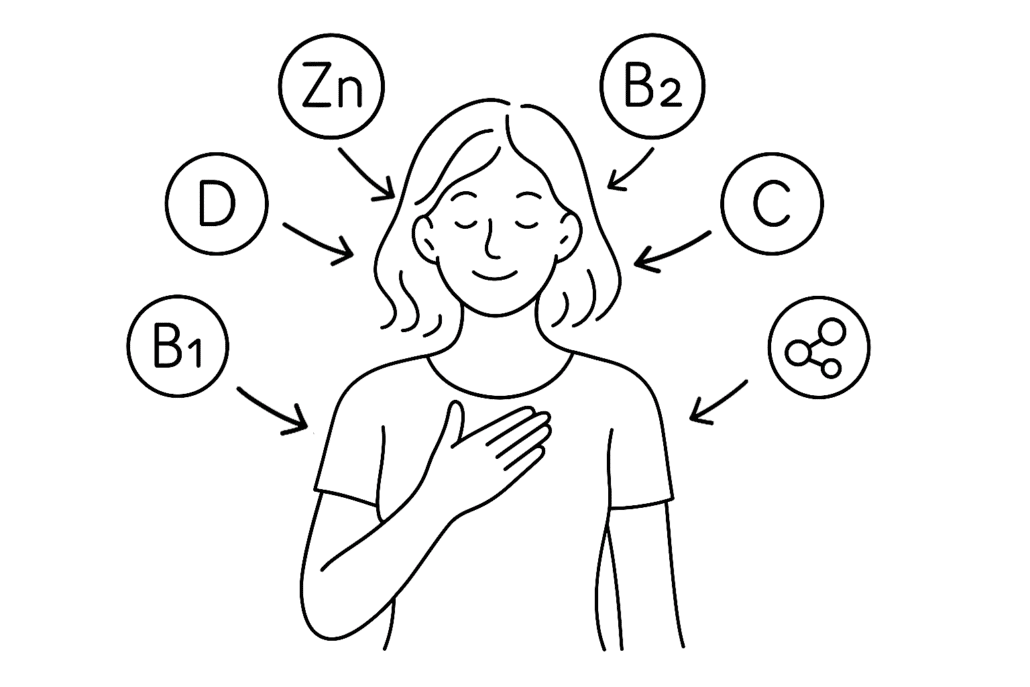
  • Vitamins B1, B2, B6, B12, pantothenic acid, and folic acid

It also helps balance the acid-forming foods in your diet such as processed meats, eggs, dairy, sweetened foods, breads, cereals, and acidic beverages like coffee, alcohol, and soft drinks. These acid-forming foods can disrupt your body’s pH balance and impair health over time.

Veggie Power powder delivers a concentrated dose of phytonutrients that support a healthy immune system, improve digestion, boost mental clarity, and enhance overall metabolic function. It is a practical solution for busy individuals who want to support their health naturally—even when they don’t have time to cook.


#VeggiePower
#EatYourGreens
#Superfoods
#HealthyEating
#PlantBasedHealth
#Phytonutrients
#ImmuneSupport
#GutHealth

When Is the Best Time to Eat Fruit?

Eating fruit is a powerful way to supply essential nutrients to the body. Fruits are rich in antioxidants, natural sugars like fructose, vitamins, minerals, and dietary fiber. A daily intake of fruits, vegetables, and leafy greens supports vibrant health and energy.

But when is the best time to eat fruit? There are many misconceptions on this topic. Drawing from over 60 years of personal observation and research, I’d like to clarify what actually matters.

Common Myths Debunked

One common myth is that fruit should not be eaten at night. Another is that fruit in the evening will make you sick or fat. Neither of these is true. The real issue depends on the type of fruit, how it’s consumed, and how much you eat.

Overeating fruit—like overeating anything—can lead to weight gain due to excess calorie intake. The body’s energy demands decrease at night, so if you’re on a weight-loss plan, it’s wise to choose fruits that are lower in calories in the evening.

Fruit and Weight Gain

Gaining weight from eating fruit at night is usually the result of consuming more calories than your body can burn. The type of fruit, portion size, and what you eat alongside it all influence the outcome. For weight management, consider lighter, hydrating fruits at night.

Best Fruits for the Morning

Berries such as blueberries, strawberries, raspberries, and blackberries are excellent morning choices. They are low in calories, high in fiber, and packed with disease-fighting antioxidants. They provide a fresh and energizing start to the day.

Timing Citrus and Acidic Fruits

Acidic fruits like lemons, oranges, grapefruits, tangerines, and kiwis are best consumed earlier in the day—ideally before 5 p.m. If you have a sensitive stomach or digestive issues, these fruits may irritate your system when eaten at night. Whole fruits are always preferable to juices, as the fiber helps balance the insulin response and moderates the effect on blood sugar.

Papaya: A Special Case

Papaya offers unique benefits when eaten on an empty stomach in the morning. Its high water and fiber content can relieve constipation, soothe heartburn, and ease symptoms of irritable bowel syndrome. Papaya also contains the enzyme papain, which aids digestion—particularly of proteins—and helps reduce inflammation, pain, and muscle soreness.

Hydrating Fruits for the Evening

Fruits high in water content such as watermelon, melon, apples, and pears are ideal for nighttime consumption. They support digestion, promote hydration, and help the body detoxify overnight, leading to better rest and recovery.

Moderation Matters

Too much fruit, even healthy varieties, can cause gastrointestinal discomfort due to fiber and natural acids. For most adults, 2 to 3 cups of fruit per day is a balanced and beneficial intake. The key is variety, moderation, and mindful timing.


#FruitNutrition
#HealthyEating
#WhenToEatFruit
#PapayaBenefits
#NaturalDigestion
#MorningNutrition
#NighttimeFruit
#GutHealth

You Are What You Eat

It’s true—our bodies are largely made up of the food and drinks we consume. In that literal sense, we are what we eat. Yet for years, mainstream advice on healthy eating has been confusing and contradictory. Coffee was once discouraged due to caffeine, but is now considered protective. Meat and eggs have fallen in and out of favor. With such conflicting advice, many people have given up trying to eat healthily at all.

The consequences are staggering: over 60% of Americans and 65% of Mexicans are now overweight. The challenge is that healthy nutrition is complex—but fortunately, many research studies provide a reliable guide.

The Mediterranean and Traditional Mexican Diets

These diets emphasize high intake of:

  • Fruits
  • Nuts
  • Beans
  • Avocados
  • Olive oil
  • Fish
  • Vegetables

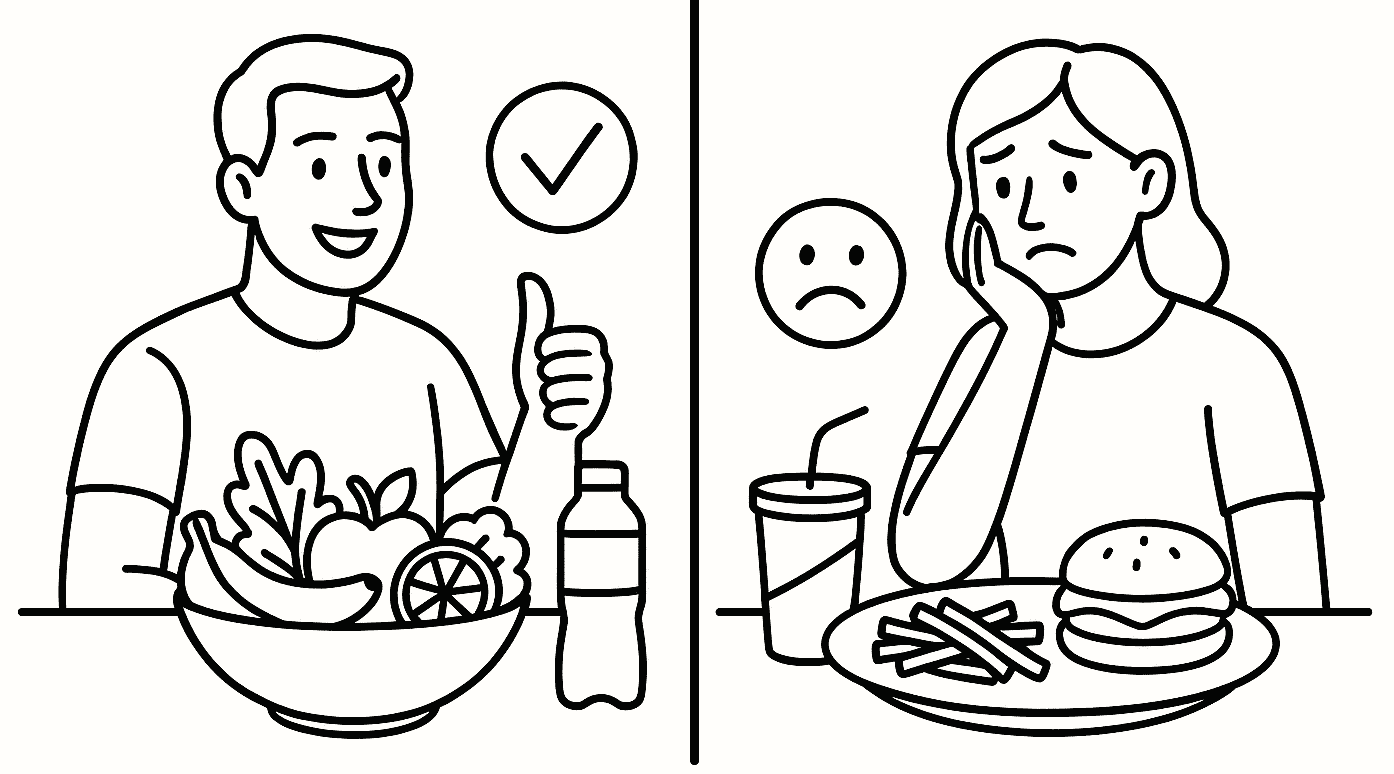
They also recommend minimizing consumption of beef, dairy, soda, candy, processed meats, and pastries. Think grapes, guacamole, nuts, and salads—not pizza, French fries, and doughnuts.

Scientific studies show that adopting a Mediterranean or Mexican-style diet can lead to noticeable health improvements in a relatively short time. By contrast, continuing to eat bacon cheeseburgers, sugary drinks, and baked goods increases the risk of obesity, diabetes, and heart disease.

The Problem with GMOs

Eating healthy is harder today because much of our food is genetically modified. GMO grains like corn, soy, rice, and wheat—commonly used to feed livestock—are often treated with glyphosate, the active ingredient in Roundup®. This water-soluble herbicide has been linked to DNA mutations and an increased risk of cancer. One in four people now develops cancer, particularly in areas of heavy glyphosate use.

While GMOs can make crops more disease-resistant or herbicide-tolerant, they may weaken our immune system and disrupt hormone regulation. Researchers have linked GMOs to:

  • Organ damage
  • Infertility
  • Birth defects
  • Endocrine disorders
  • Increased cancer risk

GMO crops were marketed with promises of better yields, nutrition, and flavor. But in reality, yields have declined, many small farmers have gone out of business, and flavor and nutrition have not improved. The once-vibrant family farm is now rare, and meat production is dominated by factory farms where animals never roam free.

What Can You Do?

Avoid GMO foods whenever possible. Choose natural and organic options. Return to simple, earth-grown foods. Combine this with a lifestyle that emphasizes movement, rest, hydration, and community.

There is growing evidence that the Mediterranean and Mexican diets—when paired with other healthy habits—can extend life, increase happiness, and reduce pain. Longevity matters, but not just in years—it’s about living a healthy, meaningful life.


#youarewhatyoueat
#mediterraneandiet
#mexicandiet
#healthylifestyle
#naturalfoods
#glyphosate
#gmoawareness
#organicliving
#wholefoods
#preventcancer

Undernourishment of the Obese Rich
and Underfed Poor

The U.S. and Mexico share a common problem: many people are simultaneously overweight and undernourished, while others live in poverty with not enough to eat.

The outcomes are sometimes visible and sometimes hidden. Both the wealthy and the poor consume excessive amounts of junk food and sugary drinks—foods full of empty calories. The rich often indulge for comfort, while the poor consume what they can afford.

Some nutritionists oversimplify the issue, claiming that the solution lies in everyone eating healthy, nutrient-dense foods. But today’s realities make that utopian advice difficult to follow. First, truly nutritious foods—such as organic vegetables, range-fed animal meats, and wild-caught fish—are expensive and difficult to obtain in densely populated areas. Second, recent global events, including pandemic-related fear and broken supply chains, have triggered food shortages and misguided health restrictions.

Many health problems begin at childbirth. Wealthier parents often avoid breastfeeding, while poorer mothers tend to breastfeed out of necessity. Breastfeeding transfers vital hormones and immunity from mother to child. However, if a mother’s diet is nutritionally poor, even her milk may lack essential nutrients, leading to stunted growth in children. On the other hand, many bottle-fed children become obese by adulthood due to cheap, high-calorie foods. An overweight teenager in a wealthy country like the U.S. may still be severely deficient in the micronutrients essential for optimal health.

The ideal diet includes fruits, vegetables, whole grains, and beans. Yet much of the population in the U.S. and Mexico has developed a preference for snacks loaded with refined carbs, sugar, and ultra-processed ingredients. These poor diets now contribute to more deaths than smoking and are linked to chronic microbiome damage and lifelong disorders, including:

  • Inflammatory Bowel Disease (IBD)
  • Irritable Bowel Syndrome (IBS)
  • Obesity
  • Type 2 Diabetes
  • Atopic Dermatitis (eczema), often accompanied by asthma or hay fever

There is no pharmaceutical cure for eczema, but a cream and tincture made from Chilcoatl (Heliopsis longpipes) can help reduce symptoms.

Natural foods can correct most undernourishment and microbiome issues. An alkaline diet lowers inflammation and increases good bacteria in the gut, while antioxidant-rich foods protect against oxidative damage.

Anti-Inflammatory Foods

  • Organic or Mexican-grown vegetables: Rich in phytonutrients that reduce symptoms of arthritis, Alzheimer’s, cancer, heart disease, and diabetes. Include beets, carrots, broccoli, cabbage, cauliflower, dark leafy greens, kale, spinach, onions, peas, salad greens, sea vegetables, and squashes.
  • Fresh fruits: Antioxidants help prevent cancer and support brain health. Eat avocados, apples, berries, cherries, nectarines, oranges, pears, grapefruit, plums, pomegranates, and strawberries.
  • Herbs, spices, and teas: Use turmeric, ginger, basil, oregano, thyme, green tea, and organic coffee.
  • Probiotics: Populate the gut with good bacteria. Try fermented foods like kefir and cultured vegetables, or Maz-Mix, a multi-herb, omega-3-rich probiotic/prebiotic formula with 22 amino acids.
  • Wild-caught fish, cage-free chicken, and pasture-raised meats: Higher in omega-3s and rich in zinc, selenium, and B vitamins.
  • Healthy fats: Include grass-fed butter, coconut oil, extra virgin olive oil, nuts, and seeds.
  • Ancient grains and legumes: Consume two to three servings daily of nutrient-dense Aztec plants such as quelite, amaranth, quinoa, black beans, chickpeas, lentils, and black rice.
  • Moderation foods: Enjoy small amounts of red wine and dark chocolate (high in cocoa) daily.

#obesity
#malnutrition
#junkfood
#micronutrients
#guthealth
#alkalinediet
#antiinflammatory
#herbalremedies
#probiotics
#eczema

The Importance of Vitamin D – Naturally

Vitamin D (also known as “calciferol”) is essential to our health. A deficiency in this vital nutrient can lead to serious health problems. Humans can produce Vitamin D endogenously when the skin is exposed to ultraviolet (UV) rays from sunlight, which triggers synthesis—earning it the nickname “the sunshine vitamin.” It is also naturally found in certain foods, can be added to others, and is available as a dietary supplement. Given its importance, there is no reason to be deficient in Vitamin D. It plays a key role in regulating mood, supporting immune cells, and more. It is estimated that more than 50% of the North American population is deficient.

I live in Puerto Vallarta, Jalisco, Mexico, where we enjoy over 300 days of sunshine per year. Many visitors from northern parts of the U.S. and Canada aren’t so lucky, which is likely one reason they flock to our sunny city during winter months.

People with darker skin tones and older adults have a reduced ability to synthesize Vitamin D and should include dietary sources or supplements to avoid deficiency. The recommended dietary allowance (RDA) for Vitamin D is 600 IU for children and adults up to 70 years of age, and 800 IU for adults over 70.

From March through September, most people can get enough Vitamin D from sunlight and a healthy diet. However, from October to February, when sun exposure is limited, supplementation may be necessary. Caution is required—consuming more than 100 micrograms (4,000 IU) per day over time can cause calcium buildup in the body (hypercalcaemia), potentially damaging the bones, kidneys, and heart.

Benefits of Vitamin D

  • Aids Weight Loss: Low Vitamin D levels are common in individuals with high body fat. Supplementing can enhance weight loss and fat metabolism.
  • Increases Bone Strength: Vital for calcium absorption and phosphorus metabolism, which are key to bone stability and strength.
  • Improves Mental Health: Supports brain health and has been linked to reduced risk of depression, anxiety, Alzheimer’s, bipolar disorder, and schizophrenia. Low levels are tied to impaired cognitive function in older adults.
  • Boosts Immune Function: Vitamin D3 is critical to immune cell function. Low levels are associated with increased susceptibility to respiratory infections.
  • Fights Cancer Cells: Plays a role in tumor suppression and cell regulation. Deficiency has been linked to increased risk of cancers including breast, colorectal, ovarian, kidney, prostate, and stomach cancer.

Foods Rich in Vitamin D

  • Beef liver
  • Cod
  • Egg yolks
  • Herring
  • Mackerel
  • Red meat
  • Tuna
  • Sardines
  • Wild-caught salmon

In summary, Vitamin D is vital for nearly every aspect of our physical and mental health. From bone strength to immune resilience and even cancer prevention, its influence is far-reaching. Whether through safe sun exposure, mindful diet choices, or supplementation when necessary, ensuring adequate Vitamin D intake is a cornerstone of natural health and disease prevention.


#VitaminD
#NaturalHealth
#SunshineVitamin
#ImmuneSupport
#BoneHealth
#MentalWellness
#CancerPrevention
#NaturallyMazcal

Nutrient Absorption

Get the most nutrition out of the food you eat: a tasty pizza or double-patty cheeseburger is not going to cut it!

We nourish our bodies by providing our bones with calcium to keep them strong, our muscles with protein to grow and repair, and our heart, brain, liver, kidneys, and thyroid with vitamins and minerals from fruits and vegetables.

Symptoms of nutrient deficiencies include fatigue, hair loss, dull and dry hair, and poor skin. When neglected, these deficiencies can lead to serious health problems.

For nutrients to be absorbed, food must undergo mechanical and chemical digestion. It begins in the mouth, where digestive enzymes in saliva start breaking down food. Chewing thoroughly is essential. In the stomach, proteins break down into amino acids and carbohydrates into glucose for energy or storage. The nutrients are then absorbed in the small intestine and delivered by the circulatory system to where they’re needed. Excess is stored or eliminated.

For optimal absorption, a healthy digestive system is critical. Poor gut health leads to poor nutrient absorption. Conditions like IBS, celiac disease, or other gastrointestinal issues can hinder digestion. Processed foods are often nutrient-poor, and high-sugar foods can deplete nutrients—especially magnesium. Medications such as antacids, blood pressure meds, antidepressants, and hormone therapies can also interfere with nutrient levels. Stress and alcohol further disrupt digestion and absorption.

Stress increases the body’s need for certain nutrients, including vitamin C, B vitamins, and magnesium. When these become depleted, symptoms like fatigue and irritability appear, along with digestive changes and dull skin, nails, and hair.

To maximize absorption:

  • Eat a variety of colorful foods—such as roasted carrots, green pepper, zucchini, and celery in salads.
  • Pair plant-based iron sources (like legumes and dried fruit) with vitamin C-rich foods (oranges, salsas, cauliflower) to enhance iron bioavailability.
  • Include healthy fats in every meal to absorb fat-soluble vitamins A, D, E, and K. Use oil-based dressings like olive oil, and add nuts, seeds, and avocados to meals.

Polyunsaturated fat sources include:

  • Avocado
  • Flaxseed
  • Fatty fish: salmon, tuna, mackerel, herring, trout, sardines
  • Sunflower, sesame, and pumpkin seeds
  • Walnuts

Turmeric is a powerful anti-inflammatory herb. Its active ingredient, curcumin, is fat-soluble. For best absorption, consume turmeric with healthy fats and black pepper (piperine). Even a small amount of pepper can dramatically increase bioavailability.

Support gut health with probiotics to aid digestion and nutrient absorption. Probiotic-rich foods include kefir, kombucha, sauerkraut, and Maz-Mix digestive live fermentation drink.

Hydration is key—water helps transport nutrients in the blood. Avoid tea and coffee with meals, as polyphenols can block nutrient absorption, particularly iron. Choose instead fruit and vegetable juices that contain natural digestive enzymes, such as pineapple, melon, and papaya.

Alcohol damages the lining of the stomach and intestines and reduces digestive enzyme activity, impairing nutrient absorption. Stress increases cortisol levels, which slows digestion and interferes with the breakdown and uptake of food.

Nutrients are essential for critical biochemical reactions in the body. Our health depends on consistent intake of macronutrients, micronutrients, and water to function optimally.


#NutrientAbsorption
#DigestiveHealth
#Micronutrients
#HealthyFats
#Probiotics
#IronAbsorption
#Curcumin
#VitaminsAndMinerals
#GutHealth
#FoodAsMedicine
#AntiInflammatoryDiet
#Hydration

Heavy Metals Toxicity


Detox Naturally

Heavy metals are considered systemic toxicants; they poison multiple areas of the body and induce organ damage at any level of exposure.

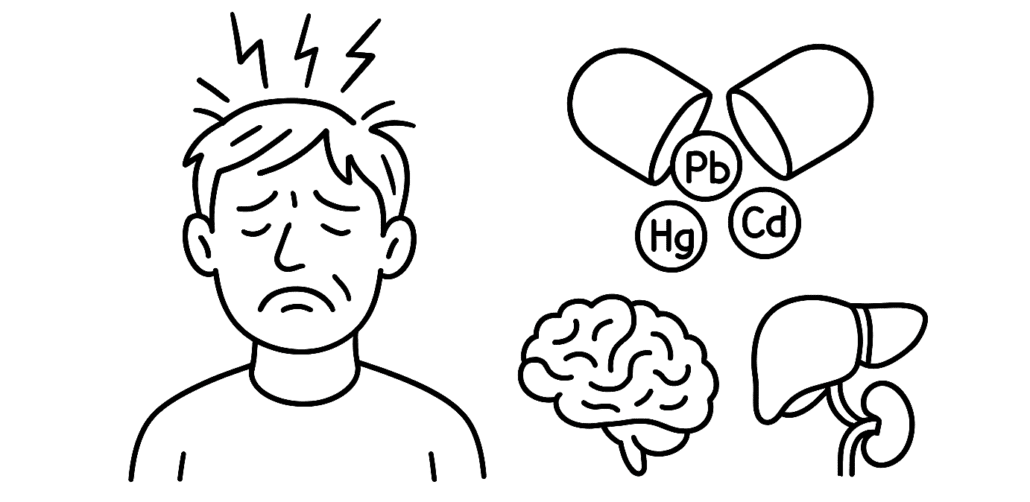
Exposure to heavy metals has been linked to Alzheimer’s disease, alopecia (hair loss), depression, fatigue, glucose intolerance, nutrient malabsorption, Parkinson’s disease, inadequate testosterone production, and vision problems.

We should be most concerned about aluminum, arsenic, cadmium, chromium, lead, and mercury. Exposure to these toxic metals comes from our environment, workplace, food, or water supply.

For example, the effects of mercury-laden fillings are alarming. These fillings are one of the top contributing causes of mercury poisoning, which can result in tremors, insomnia, headaches, nerve damage, kidney problems, and respiratory failure.

Recognizing Exposure

How can we identify exposure to any of these toxic metals? One common sign is chronic low energy, as heavy metals interfere with mitochondrial ATP production—the basic unit of energy in your cells—and disrupt enzyme function, which is essential for metabolism.

Understanding the symptoms and chronic conditions associated with heavy metal toxicity is critical to diagnosis and treatment.

Focus on Aluminum Toxicity

Today, we’ll focus on aluminum toxicity. Exposure to aluminum is common through food, water, and even air. It can also come from aluminum cookware, cans, overuse of antacids, antiperspirants, and cosmetics.

Hair analysis shows that nearly 80% of people tested have elevated aluminum levels in their hair.

Aluminum is linked to numerous health issues including Alzheimer’s disease, Parkinson’s disease, anemia, colic, and dental caries, yet it remains classified as a non-carcinogen.

Doctors may prescribe the chelating medication deferoxamine to treat aluminum toxicity.

Aluminum and Breast Cancer

The potential connection between aluminum in deodorants and breast cancer is especially concerning. Aluminum is known to cause neurotoxicity—damage to the central and/or peripheral nervous system.

Recent studies confirm that many people are still exposed to dangerous levels of aluminum. It’s essential to monitor all sources of exposure, including deodorant, cooking tools, and packaging materials.

Common Sources of Aluminum Exposure

  • Cosmetics and personal care products
  • Food packaging
  • Cooking tools: Researchers warn that uncoated aluminum cookware and aluminum-based cosmetics may cause individuals to exceed safe exposure limits.

How to Avoid Aluminum Exposure

  • Cosmetics and Personal Care: Check your deodorant and toothpaste first, then examine products like eye shadow, mascara, eyeliner, blush, nail polish, sunscreen, hair dye, face masks, and hairspray.
  • Use Alum Crystal: Consider switching to an Alum Crystal deodorant, made of the natural mineral salt potassium alum, which has antimicrobial properties and has been used for centuries.
  • Avoid Aluminum Cookware: Do not prepare or store food in uncoated aluminum pots, pans, or foil, especially acidic or salty foods, which accelerate leaching.
  • Be Cautious with Takeout: Many restaurants use aluminum foil or containers for leftovers. Transfer your food to safer containers as soon as possible.

Detoxification and Elimination

  • Chelation Therapy: The most effective medical treatment for heavy metal toxicity, where chelating agents bind to metals so they can be excreted.
  • High-Dose Vitamin C: Can also act as a natural chelating agent.
  • Urinary Elimination: Aluminum is primarily excreted through urine. Milk thistle tonic and dandelion root tincture, along with adequate water intake, aid the detox process.
  • Skin Detox: Take hot baths with Epsom salts to encourage toxin elimination through the skin.
  • Water Purification: To remove aluminum from drinking water, use reverse osmosis, distillation, or deionization filtration methods.

Effective Versus Ineffective Nutrition

Lose Weight the Right Way

You may be looking for a fast way to lose weight, and there’s no shortage of fad diets around. These “diets” may provide short-term results, but they are difficult to sustain and ultimately deprive you of the essential nutrients that only balanced eating can offer.

It’s Easy to Spot a Fad Diet

Typically, a fad diet shares some or all of the following characteristics:

  • Promises a quick fix
  • Promotes “magic” foods or combinations of foods
  • Implies that food can change body chemistry
  • Excludes or severely restricts food groups or nutrients, such as carbohydrates
  • Has rigid rules that focus only on weight loss
  • Makes claims based on a single study or testimonials

Fad Diets Can Cause Health Problems

Fad diets that restrict food groups or nutrients may cause you to miss out on the protective health effects of a balanced eating plan. We don’t know whether fad diets are safe over the long term or if they increase the risk of certain diseases.

Because they often eliminate key foods, fad diets may lead to symptoms such as:

  • Dehydration
  • Weakness and fatigue
  • Nausea and headaches
  • Constipation

A Balanced Eating Plan for Adults

With a balanced eating plan, it’s what you leave in that makes all the difference. For a successful balanced diet, you should:

  • Eat plenty of vegetables, legumes, and red and yellow fruits
  • Include range-fed meat, wild-caught fish, and farm-raised poultry
  • Drink plenty of water
  • Limit saturated fat and moderate your total fat intake
  • Choose reduced-fat food varieties where possible
  • Choose foods low in salt
  • Limit alcohol intake — a glass of red wine with food is acceptable
  • Eliminate all sugars and sugar-sweetened foods and drinks

Body Weight

A stable body weight means the kilojoules (energy) you consume match the kilojoules your body uses. If your weight is increasing, it may indicate you’re eating too much, doing too little physical activity, or both.

Energy Values of Food Components

  • Fat: 37 kJ/g
  • Protein: 17 kJ/g
  • Carbohydrates: 16 kJ/g
  • Alcohol: 29 kJ/g

Carbohydrates: Your Body’s Fuel

Carbohydrates provide energy (kilojoules) for the body. Foods rich in carbohydrates include:

  • Red and yellow fruits
  • Vegetables, potatoes, and corn
  • Legumes such as dried beans, peas, and lentils
  • Wild grains like amaranth, chia, chan, and wild rice

These foods are low in fat, rich in vitamins and minerals, and are ideal for a healthy eating plan. Legumes, fruit, and vegetables are also excellent sources of dietary fiber.

Protein Builds New Cells

Protein is an essential nutrient required throughout life to build, maintain, and renew tissues and cells. Protein sources include:

  • Animal protein: Meat, chicken, fish, eggs, dairy
  • Plant protein: Tofu, nuts, seeds (e.g., chia), lentils, dried beans, and peas

Fat Helps Nutrient Absorption

Fat is necessary for many body functions — it protects organs, helps with hormone production, and allows the body to absorb nutrients. However, many people consume too much fat, leading to weight gain and heart disease.

Healthier fats are unsaturated fats, found in:

  • Sunflower, safflower, peanut, and olive oils
  • Nuts and seeds
  • Avocado

These are much healthier than the saturated fats found in biscuits, cakes, and fried foods.

Be Active Every Day

Once you adopt a healthy eating pattern, you’ll feel more energized and naturally want to be more active. Tips for daily physical activity:

  • View movement as an opportunity, not a burden
  • Accumulate at least 30 minutes of moderate-intensity activity most days
  • Incorporate vigorous exercise regularly for added benefits

A Healthy Lifestyle Is Essential

Changing your habits can be difficult at first, but becomes easier over time. Tips to ease the transition:

  • Combine healthy eating with an active lifestyle
  • Make small, sustainable changes
  • Fill up on low-kilojoule, nutritious foods
  • Watch portion sizes
  • Eat until you’re satisfied — not overly full
  • Only eat when you’re hungry
  • Listen to your hunger cues — they can vary daily
  • Eat slowly and enjoy your food
  • Have regular meals: breakfast, lunch, and dinner

Eliminate Unhealthy Snacks

Avoid foods such as biscuits, cakes, potato chips, desserts, pastries, soft drinks, and high-fat snacks like pies, pasties, and sausage rolls.

Feel Good About Yourself

Don’t compare yourself to unrealistic media images. Life pressures — from work to family — can make it hard to stay healthy, but adopting balanced eating habits will help you feel better about yourself.

Fad dieting is one pressure you don’t need. Healthy food and regular activity will boost your energy and overall health. You’ll also set a good example for your children and support your family’s health by offering nutritious meals.

Once nutritious foods and regular movement become part of your everyday routine, the idea of dieting will start to seem unnecessary and even strange.