Reduce High Blood Pressure… Naturally

High blood pressure can lead to costly and invasive procedures like open-heart surgery ($80,000), coronary bypass ($150,000), balloon angioplasty or stents ($112,000), and a lifetime of prescription drugs such as statins, which may deplete the body of CoQ10 and contribute to heart failure. Fortunately, there are natural, effective alternatives.

The Problem with Prescription Drugs

Pharmaceutical companies offer an endless list of expensive blood pressure medications—diuretics, calcium channel blockers, ACE inhibitors—prescribed to over 76 million patients in North America. Often, doctors begin treatment without addressing diet, exercise, or lifestyle changes. Once medication begins, many patients find themselves switching between drugs, suffering side effects like headaches, dizziness, coughs, fatigue, leg cramps, rashes, and constipation.

According to the National Institutes of Health, many commonly prescribed blood pressure drugs don’t work: NIH Study. The American Heart Association also acknowledges that some medications may increase heart attack risk.

Natural Herbal Alternatives

Our ancestors used herbs to manage blood pressure naturally. Herbal tinctures and nutrient-rich foods help reduce arterial inflammation, soften vessels, and direct calcium away from arteries into the bones, restoring healthy circulation.

Effective Herbal Solutions

  • Green Tea Tincture: Contains catechins that reduce inflammation and help normalize blood pressure.
  • Red Wine: Contains resveratrol, an antioxidant that supports cardiovascular health and healthy arteries.
  • Blueberries: Rich in antioxidants that reduce inflammation, soften stiff arteries, and support blood flow.
  • Fermented Beets: Boost nitric oxide (NO) production, which dilates blood vessels and lowers blood pressure.
  • Vitamin K2: Found in leafy greens like spinach and kale; helps direct calcium into bones instead of arteries.
  • Tiff Seeds: Aid in cholesterol balance and circulation.
  • Moringa Tincture: Lowers cholesterol, reduces inflammation, and regulates blood sugar levels.
  • Neem Tincture: Supports immune health, reduces blood pressure, and helps prevent blood clotting.
  • Turmeric Tincture (Curcuma longa): Contains curcumin, a potent anti-inflammatory and antioxidant compound.
  • Annona Muricata: Leaf extract with antihypertensive properties, rich in bioactive alkaloids.

Understanding High Blood Pressure

High blood pressure (hypertension) often has no noticeable symptoms but can lead to serious health risks like strokes or heart attacks. Common causes include:

  • Smoking
  • Obesity
  • Lack of exercise
  • High salt intake
  • Excess alcohol
  • Chronic stress
  • Age and genetics

Symptoms may include chest pounding, dizziness, or lightheadedness. A normal blood pressure range is 90/60 mmHg to 120/80 mmHg. High blood pressure is defined as 140/90 mmHg or higher, or 150/90 mmHg for those over 80.

Natural Strategies to Lower Blood Pressure

  • Exercise regularly
  • Reduce sodium intake
  • Limit alcohol (1–2 drinks per day)
  • Manage stress through relaxation techniques
  • Drink plenty of water—adding magnesium and calcium can increase benefits
  • Try lemon or lime juice in water for an added natural boost
  • Take low-dose aspirin at bedtime to potentially lower pressure

With awareness and lifestyle changes, it is possible to naturally manage or even reverse high blood pressure without relying solely on pharmaceuticals. Herbal tinctures, dietary shifts, and regular movement offer safe, time-tested solutions for long-term cardiovascular health.


#NaturalHealing
#BloodPressureSupport
#HerbalRemedies
#HeartHealth
#NitricOxideBoost
#MoringaBenefits
#AntiInflammatoryDiet
#PlantBasedMedicine
#GreenTeaBenefits
#FermentedBeets

Prostate Cancer:
Prevention & Natural Reversal

Prostate cancer is the most common form of cancer in men. The prostate is a walnut-sized gland that produces seminal fluid, which mixes with semen from the testes. Unfortunately, prostate cancer symptoms are not always noticeable until the disease has progressed.

Common Symptoms of Prostate Cancer

  • Weak urine stream, leakage, or burning sensation when urinating
  • Frequent nighttime urination or inability to urinate
  • Pain in the pelvis, thighs, back, rectum, and groin
  • Erectile dysfunction or difficulty maintaining an erection
  • Painful ejaculation and reduced semen volume
  • Blood in the urine or semen

Natural Prevention Strategies

To prevent prostate cancer naturally, consider making the following lifestyle changes:

  • Stop smoking and avoid recreational drugs
  • Consume alcohol in moderation
  • Get regular sunlight exposure
  • Maintain a nutrient-dense diet rich in organic vegetables and fruits
  • Exercise regularly to boost blood flow and mood
  • Eliminate processed foods, sugar, fast food, and factory-farmed meat and dairy

Aim to eat at least two cups of varied vegetables daily, especially leafy greens and cruciferous vegetables like broccoli, cabbage, kale, and cauliflower. Other beneficial foods include avocados, sweet potatoes, tomatoes, peppers, mushrooms, sea vegetables, herbs, spices, olive oil, green tea, cocoa, and spirulina. Fresh fruits such as oranges, berries, mangoes, and pineapple are also important.

Include wild-caught fish rich in omega-3 fatty acids and foods high in zinc and selenium, such as grass-fed beef, liver, sardines, turkey, Brazil nuts, pumpkin and sunflower seeds, and dark chocolate.

Mental and Emotional Support

Prostate cancer and its treatment can cause stress, anxiety, and depression. Managing stress through mind-body practices like yoga, meditation, prayer, art, music, dance, and time in nature can improve well-being and immune function.

Conventional Medical Treatments

Following a diagnosis, conventional treatments may include:

  • Active surveillance for low-risk cases
  • Hormone therapy to reduce testosterone and DHT
  • Radiation therapy to target cancer cells
  • Chemotherapy if cancer has spread or hormone therapy fails
  • Cryosurgery to freeze cancer cells
  • Immunotherapy to strengthen immune response
  • Radical prostatectomy to remove the prostate gland and surrounding tissue
  • Integrative therapy combining standard care with complementary practices

Life After Prostate Removal

Prostate removal often results in urinary and sexual dysfunction. Though commonly recommended, this approach is highly profitable to the medical industry. I was told in both Mexico and the US that I wouldn’t survive more than three years without surgery. That was in 2001. I refused surgery and chose a natural herbal treatment protocol instead.

Research shows that post-surgical survival averages between 3 to 6 years, with few living longer. This route also leads to costly hospitalization, medications, and loss of quality of life.

A Natural Alternative

I chose to fight prostate cancer using powerful plant-based remedies. Tinctures and herbal formulas offer healing properties that target cancer and other chronic diseases. Effective herbs include:

  • Annona muricata
  • Curcuma longa
  • Moringa oleifera
  • Azadirachta indica
  • LingZhi (Reishi mushroom)
  • Turkey tail mushroom
  • Ginseng
  • Maca root
  • Rhodiola rosea

I made the choice to eliminate prostate cancer naturally—and you can too.


#prostatecancer
#naturalhealing
#plantmedicine
#herbalremedies
#preventcancer
#menshealth
#antiinflammatory
#prostatehealth
#nontoxicliving
#nutrition
#adaptogens
#zinc
#selenium
#naturaltreatment
#integrativemedicine

Prevent Coronavirus and Other Infections

To protect yourself from viruses, bacteria, and fungi—whether inhaled, touched, swallowed, or residing on the skin—it’s essential to strengthen your immune system. Whether or not these microscopic invaders cause illness depends largely on the strength of your body’s defenses.

A well-balanced and fully functioning immune system can neutralize or eliminate harmful organisms before they pose a threat. Interestingly, pathogens can detect the state of your immune system and may remain dormant until your defenses are compromised—such as during periods of stress, nutrient deficiency, or chronic illness.

Our immune system is an intricate network of organs, tissues, and cells designed to identify and remove pathogens, neutralize environmental toxins, and eliminate damaged or abnormal cells. Immune cells originate in the bone marrow and circulate through the blood and lymphatic system to defend the body.

When the immune system is underactive, the body becomes vulnerable to infections and even cancer. When overactive, it may result in allergic reactions or autoimmune disorders, where the immune system attacks its own healthy cells. Maintaining balance is key: the immune system must distinguish between beneficial and harmful substances using “antigens” found on bacteria, fungi, viruses, and even healthy body cells.

Our immune system constantly adapts to fight evolving threats. It includes two main parts: the innate immune system, which provides general protection, and the adaptive immune system, which targets specific pathogens based on memory from past exposures. These systems work in tandem to keep us healthy.

Natural Ways to Boost Immunity

Below are natural herbs, oils, and supplements that support immune health:

Chilcoatl

Chilcoatl contains powerful chemical constituents with antibacterial, antiviral, and antifungal properties. It strengthens the immune system, helps prevent recurring infections, and stimulates overall immune function.

Vitamin C

Vitamin C promotes the production and function of white blood cells and helps the body produce antibodies that neutralize harmful microbes. It’s essential for a healthy immune response.

Elderberry

Used for centuries, elderberry is effective against colds, flu, inflammation, and allergies. It helps reduce the duration and severity of symptoms and strengthens immune defenses.

Colloidal Silver

Historically used as a broad-spectrum antimicrobial, colloidal silver supports immune health and can be applied topically to heal wounds and infections. Caution: do not use for more than 12 consecutive days to avoid side effects.

Probiotics

Probiotics are beneficial bacteria that promote gut health, support detoxification, and strengthen immunity. A healthy gut is essential for nutrient absorption and immune regulation.

Ginger

Ginger helps break down toxins, stimulates circulation, and cleanses the lymphatic system. Its antimicrobial and anti-inflammatory effects support immune defense.

Ginseng

Ginseng enhances immune homeostasis and boosts resistance to illness. It regulates key immune cells and contains compounds that fight bacterial and viral infections.

Vitamin D

Vitamin D modulates immune responses. Deficiency is linked to increased risk of infection and autoimmune conditions. It promotes immune tolerance and protective immunity.

Myrrh

Myrrh resin has antiseptic, antibacterial, and antifungal effects. Historically used to treat wounds and inflammation, it strengthens the immune system and supports healing.

Oregano

Oregano oil or tincture has powerful antifungal, antibacterial, antiviral, and anti-parasitic effects. Compounds like carvacrol and thymol make it a natural infection fighter.

Medicinal Mushrooms

Mushrooms are nutrient-dense and rich in immune-supportive compounds. Especially beneficial varieties include Turkey Tail, Maitake, Shiitake, and Tremella mushrooms.


#ImmuneSupport
#NaturalHealing
#CoronavirusPrevention
#HerbalRemedies
#VitaminC
#VitaminD
#Elderberry
#ColloidalSilver
#Probiotics
#Ginseng
#Myrrh
#OreganoOil
#MedicinalMushrooms
#Chilcoatl
#GingerBenefits
#LymphaticHealth
#HolisticHealth
#AlternativeMedicine
#PreventInfections
#ImmuneSystem

The Power and Promise of Herbal Medicine

Herbal medicine, also known as traditional medicine, has played a vital role in human health for thousands of years. Across the globe—from Africa and Central America to India, China, Mexico, Indonesia, and the Pacific Islands—indigenous healing systems have long relied on plants for treatment, prevention, and overall well-being. Systems like Traditional Chinese Medicine (TCM), Ayurveda (India), and Herbolaria Mexicana (Mexico) continue to offer effective alternatives and complements to modern medical care.

Today, herbal remedies are the primary form of healthcare for many in developing nations and are increasingly used as complementary or alternative options in wealthier countries. Remarkably, over 60% of Western pharmaceutical drugs are either derived directly from plants or based on plant compounds. Despite this, many medicinal plants remain understudied, and we have yet to identify or fully understand the vast array of bioactive compounds they contain.

Modern Understanding and Classification

Recent scientific interest has led to new terminology and classifications within the field:

  • Ethnopharmacology: The scientific study of traditional medicinal materials used by ethnic and cultural groups, often synonymous with the study of traditional medicine itself.
  • Phytochemicals: Naturally occurring chemical compounds in plants that help them resist pests, fungi, and disease. They also offer powerful health benefits to humans, including:
    • Boosting immune function
    • Protecting cells and DNA from damage
    • Reducing inflammation
    • Slowing cancer cell growth
    • Helping regulate hormone levels
  • Phytomedicine: A term that covers the chemistry, pharmacology, and use of natural remedies derived from plants. These include primary and secondary metabolites such as alkaloids, flavonoids, lignins, and many compounds yet to be discovered or fully understood.

Forms of Herbal Application

Herbal medicine can take many forms, including teas, tinctures, capsules, essential oils, and topical applications like salves, lotions, and creams. Essential oils must be used with caution, as many are too potent for direct skin contact without dilution in a carrier oil such as coconut or olive oil.

Topical herbal remedies are often created by soaking herbs in food-grade oils for weeks or months to extract their healing compounds. These oils can then be applied directly to the skin or turned into salves and creams for various uses, including massage, antibacterial treatment, and wound healing.

Plants vs. Pharmaceuticals

Herbal remedies typically work more slowly than pharmaceutical drugs due to their complex compositions, but they often come with fewer side effects and offer broader healing benefits. While pharmaceuticals target a specific pathogen, herbal remedies may support multiple body systems simultaneously.

Unfortunately, the dominance of allopathic (Western) medicine has marginalized herbal medicine in many modern societies. In the U.S., there’s growing concern that the healthcare system prioritizes profit over patient wellness. Doctors often prescribe synthetic drugs—many of which have questionable efficacy—at great cost to both patients and the public.

Americans spend over $200 billion annually on prescription drugs. This has sparked a shift: more people are turning to natural supplements and herbal remedies as safer, more affordable alternatives. In contrast, in countries like Mexico, herbal medicine remains deeply integrated into daily life. Synthetic pharmaceuticals are often out of reach financially, so people continue to rely on Herbolaria Mexicana, a healing tradition passed down for generations.

The Global Role of Herbal Medicine

According to the World Health Organization (WHO), up to 80% of people in some Asian and African nations use herbal medicine as their primary form of healthcare. Herbal remedies can be cultivated from seeds or harvested from the wild with minimal cost, making them more accessible to the global population than expensive patented drugs.

However, many medicinal plants are endangered due to environmental degradation, overharvesting, and a lack of documentation. Without identifying their phytochemical properties, we risk losing potentially life-saving remedies forever. Preserving and studying plant medicine is not just an academic exercise—it is a necessary step toward a healthier, more sustainable future for all.


#HerbalMedicine
#TraditionalMedicine
#Phytochemicals
#Phytomedicine
#Ethnopharmacology
#NaturalHealing
#PlantBasedMedicine
#EssentialOils
#HerbolariaMexicana
#Ayurveda
#TCM
#HolisticHealth
#AlternativeMedicine
#OrganicHealing
#HerbalRemedies
#NaturalRemedies
#PlantWisdom
#MedicinalPlants
#Wellness
#IntegrativeHealth

Medicinal Herbs for the Pancreas

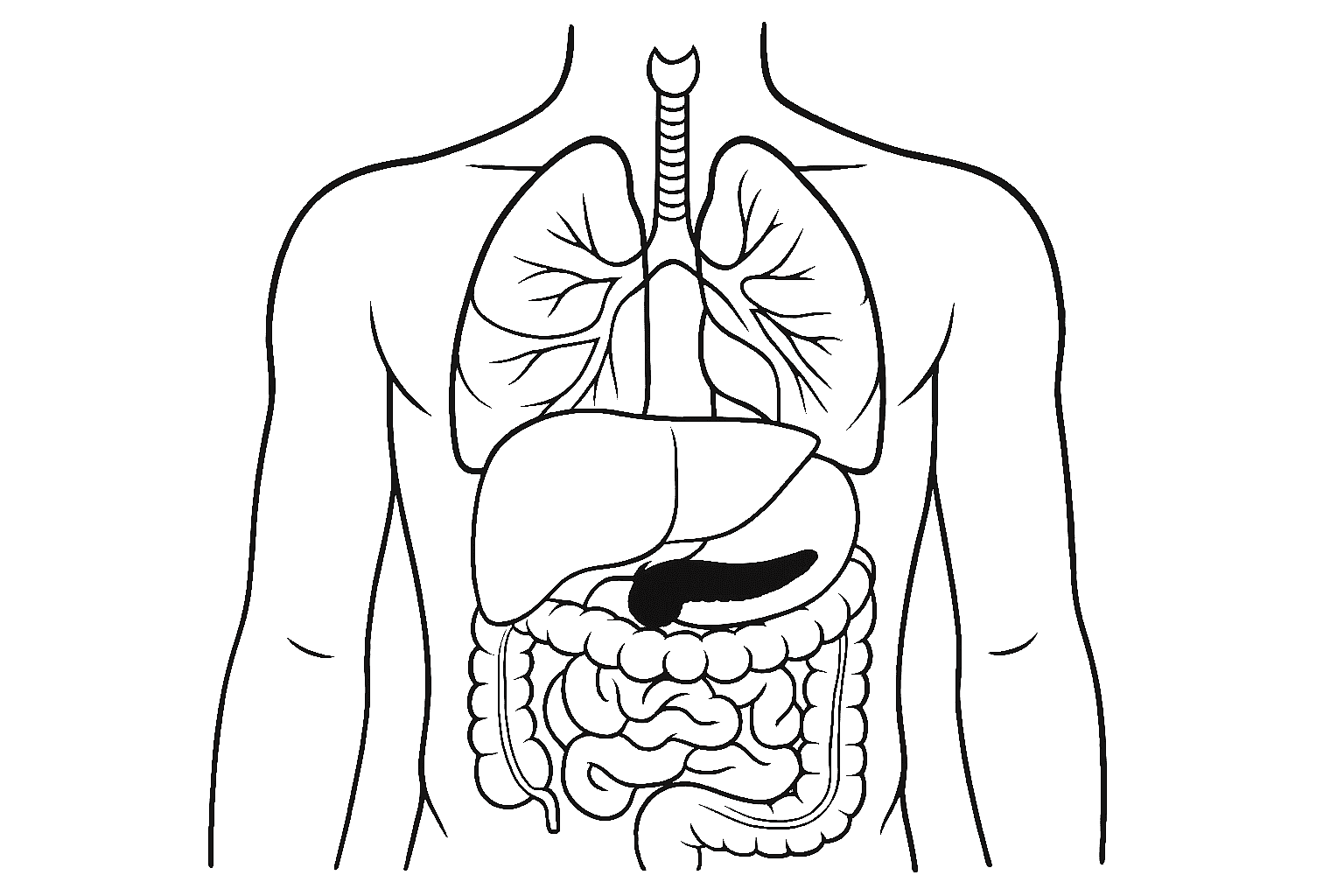
The pancreas is a small gland located behind the stomach, and it plays a vital role in both digestion and blood sugar regulation. It produces gastric juices that help digest food and extract nutrients, and it also produces insulin, which controls blood glucose levels.

When the pancreas becomes overburdened, inflamed, or damaged—whether from poor diet, stress, or toxicity—our metabolism can be disrupted, and the risk of diseases such as pancreatitis, pancreatic insufficiency, and cancer increases. The late Steve Jobs, co-founder of Apple, battled pancreatic cancer for years and reportedly used herbal remedies to help extend his life.

Fortunately, many medicinal plants have been traditionally used to support the health of the pancreas. These herbs can be consumed as teas, tinctures, or capsules. Here are some of the most effective:

  • Licorice Root (Glycyrrhiza glabra)
    Licorice is known for its wide range of health benefits and has long been used to support pancreatic function. It also benefits the respiratory system, making it useful for conditions like asthma and colds. However, individuals with high blood pressure should use it with caution, as it can raise blood pressure.
  • Dandelion (Taraxacum officinale)
    Often dismissed as a common weed, dandelion is a powerful digestive aid. It stimulates bile production, easing the burden on the pancreas and liver. Dandelion may also help reduce the growth of cancerous cells in the pancreas. Take it as a tea or tincture at least once a day.
  • Cinnamon (Cinnamomum verum)
    This aromatic spice improves digestion and lowers blood sugar levels, making it very beneficial for the pancreas. Drink it as a tea or take it as a tincture, especially in the afternoon.
  • Quassia (Quassia amara)
    Rich in herbal actives including chlorophyll, Quassia is used in Latin America to reduce fevers and fight infections. It supports immune function, aids in digestion, and helps remove intestinal parasites—all of which indirectly support the pancreas.
  • Green Tea (Camellia sinensis)
    Green tea is a powerful antioxidant that helps with digestion, boosts immunity, and supports weight loss. For best results, drink it in the afternoon with a splash of lemon juice to also support kidney health.

You can choose any of these herbs—or combine several—to help maintain pancreatic health. Consistency is key, so take your chosen herbs daily as teas, tinctures, or capsules.

In addition to using herbs, support your pancreas by eating an alkaline, balanced diet low in fats, salt, and refined flours. Include plenty of seasonal fruits, green leafy vegetables, and freshly made natural juices.


#PancreasHealth
#HerbalRemedies
#LicoriceRoot
#DandelionBenefits
#CinnamonHealth
#QuassiaHerb
#GreenTeaBenefits
#NaturalHealing
#BloodSugarSupport
#DigestiveHealth
#PlantMedicine
#HolisticWellness

Herbal Therapy Inhibits COVID-19 & Variants

Scientific researchers in India, China, and other parts of the world have discovered herbs that inhibit COVID-19 and its variants.

The coronavirus disease 2019 (COVID-19) pandemic, caused by the Severe Acute Respiratory Syndrome Coronavirus 2 (SARS-CoV-2), has resulted in over 123.7 million cases and more than 2.7 million deaths globally. In the absence of widely effective antivirals, treatment and prevention strategies have been limited to general therapeutic modalities and non-pharmaceutical interventions, despite intensive research into better drug alternatives.

Key Herbal Compounds Studied

  • Dandelion (Taraxacum officinale)
  • Turmeric (Curcuma longa) – Curcumin
  • Piperine (1-piperoyl piperidine)
  • EGCG (Epigallocatechin gallate from green tea)

Dandelion as a Potential Inhibitor

A recent study published on the bioRxiv preprint server describes a specific virus inhibitor found in an extract of the common dandelion that may offer a promising avenue for drug development.

Study: “Common Dandelion (Taraxacum officinale) Efficiently Blocks the Interaction Between the ACE2 Cell Surface Receptor and SARS-CoV-2 Spike Protein Mutants D614, D614G, N501Y, K417N, and E484K In Vitro.”

These mutations are characteristic of the UK (variant B.1.1.7), South African (variant B.1.351), and Brazilian (variant P.1) strains. They share the N501Y spike protein mutation and descended from an earlier D614G strain, which became dominant worldwide.

The common dandelion is a perennial plant native to warm temperate zones of the Northern Hemisphere. It grows along roadsides, in fields, and in gardens—often considered a weed. However, in Europe, it has a longstanding reputation as a medicinal plant used for treating conditions affecting the liver, gallbladder, gut, and joints.

Dandelion contains terpenes, phenolic resins (including coumarins and flavonoids), and polysaccharides. Its roots are rich in the insoluble fiber inulin. The most abundant phenolic compound is chicoric acid.

The Role of Flavonoids Against SARS-CoV-2

A systematic review highlights naturally occurring flavonoids as a promising antiviral option against SARS-CoV-2. Flavonoids such as quercetin, myricetin, baicalin, baicalein, EGCG (epigallocatechin gallate), and tannic acid show significant antiviral potential.

These compounds have been shown to inhibit viral enzymes and mechanisms like:

  • 3CLpro (main viral protease)
  • PLpro (papain-like protease)
  • The S protein–ACE2 interaction
  • Viral helicase
  • The nucleocapsid (N) protein

Among these, EGCG demonstrated strong inhibition of 3CLpro in vitro. Other promising compounds include flavones such as baicalein, wogonin, and oroxylin, and flavanones such as naringenin. Isoflavones like puerarin, daidzein, and genistin also show antiviral effects.

Turmeric and Piperine: A Powerful Combination

Curcumin, the bioactive compound in turmeric (Curcuma longa), effectively neutralizes SARS-CoV-2 in vitro. Turmeric has a long-standing history of use in traditional medicine for its anti-inflammatory and antiviral properties.

Curcumin is poorly absorbed when consumed alone. However, when combined with piperine—a compound found in black pepper (Piper nigrum) and long pepper (Piper longum)—its bioavailability increases significantly. Piperine acts as a natural bio-enhancer, allowing the body to better utilize curcumin’s medicinal properties.

Why Herbal Therapies Matter

Increased side effects, lack of curative treatments for many chronic diseases, the high cost of new drugs, microbial resistance, and emerging illnesses like COVID-19 have renewed global interest in complementary and alternative medicines.

Traditional herbal remedies and plant-derived compounds like dandelion, turmeric, piperine, and EGCG are promising alternatives—or adjuncts—to conventional pharmaceuticals. These natural compounds offer multi-targeted antiviral effects without the heavy burden of pharmaceutical side effects.

Conclusion

The ongoing challenges of the COVID-19 pandemic emphasize the importance of expanding our therapeutic arsenal. Herbal compounds such as flavonoids, curcumin, and piperine show strong promise in supporting immune health and inhibiting viral activity, particularly against SARS-CoV-2 and its variants.

Further clinical studies are needed, but the early findings support the integration of these natural compounds into complementary approaches for prevention and recovery. Herbal medicine has always been a source of healing—perhaps it’s time we bring that knowledge back into the mainstream.

References

  • bioRxiv – Dr. Liji Thomas, Tran, H. T. T. et al. (2021). Common Dandelion (Taraxacum officinale) efficiently blocks interaction between ACE2 receptor and SARS-CoV-2 spike protein variants.
  • Dr. Ramya Dwivedi, Ph.D. – Curcumin, a bioactive component of turmeric, effectively neutralizes SARS-CoV-2 in vitro.
  • Kaul, R., Paul, P., Kumar, S., et al. (2021). Promising Antiviral Activities of Natural Flavonoids against SARS-CoV-2 Targets.