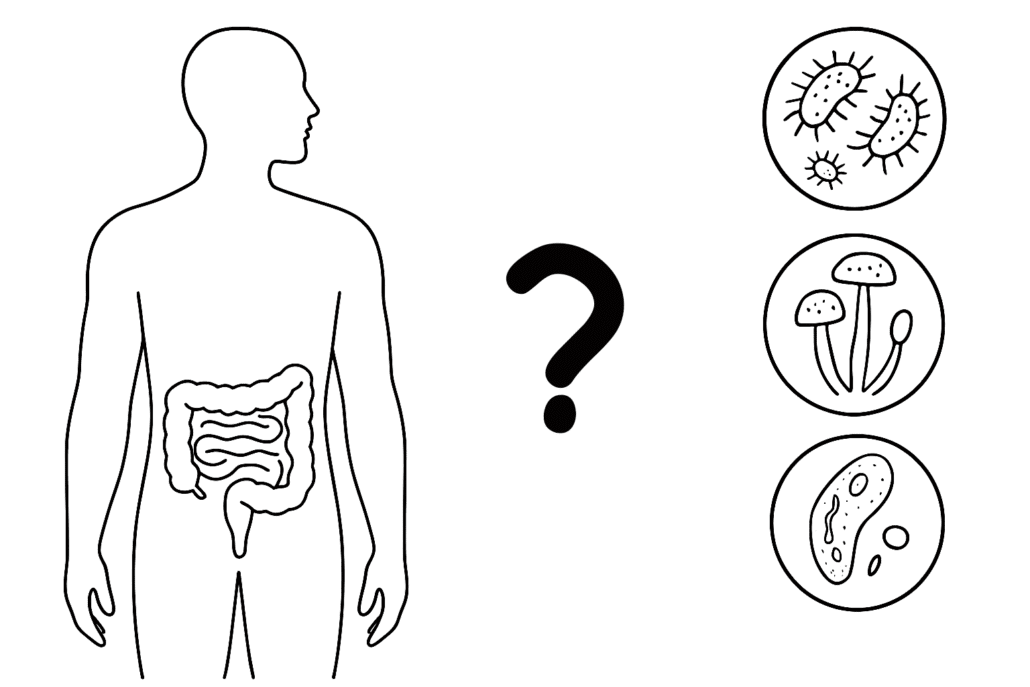
Healing the Microbiome (Gut) Naturally
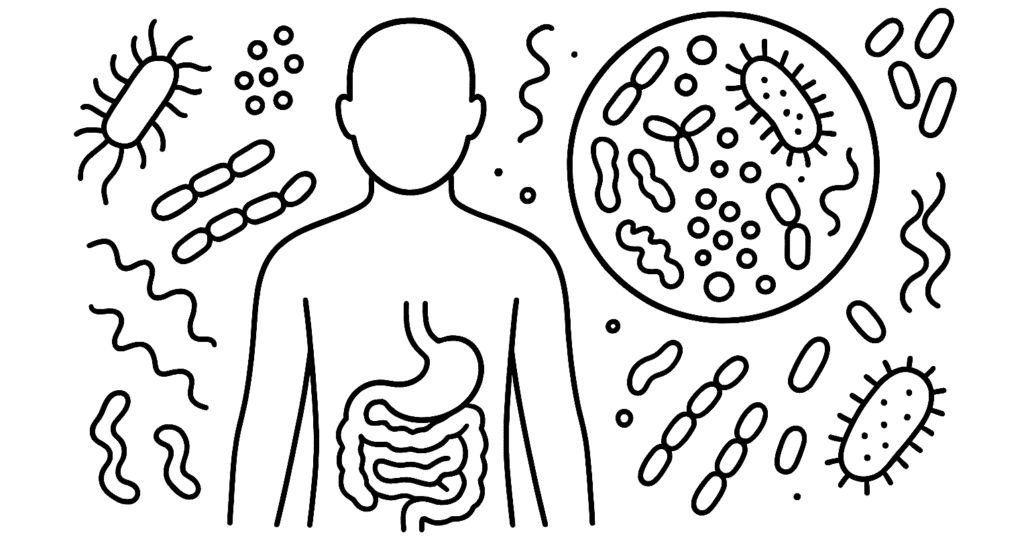
The human microbiome is a vast internal ecosystem of microorganisms—primarily bacteria—residing within the digestive tract. Often referred to as the gut microbiome, this complex system influences nearly every function of the human body. The word “microbiome” combines “micro,” meaning small, and “biome,” a community of living organisms.
Each individual hosts approximately 100 trillion symbiotic microbial cells, creating a unique microbial fingerprint. Research now suggests that up to 90% of diseases are linked to gut health, emphasizing the microbiome’s critical role in immune function, metabolism, brain health, and hormone regulation.
Poor gut health is linked to autoimmune disorders and chronic conditions such as arthritis, dementia, heart disease, digestive disorders, and even cancer. The key to vibrant health lies in maintaining a balanced ratio of beneficial to harmful bacteria.
What Harms The Gut?
Our modern environment exposes us to many factors that negatively impact the microbiome:
- Antibiotics and synthetic medications
- Processed and GMO foods
- Glyphosate and other chemical pesticides
- Refined sugars and artificial sweeteners
- Chronic stress and poor sleep
Certain foods are particularly inflammatory, including:
- Animal products from chemically raised livestock, often high in omega-6 fats due to GMO corn feed
- Hydrogenated oils found in fast food and packaged goods
- Refined vegetable oils like canola, corn, and soybean oil
Eating To Support Immunity
To protect and rebuild the microbiome, nutrition is the most powerful tool. A healthy gut supports nutrient absorption, fat metabolism, energy levels, and immune resilience.
To improve gut health, prioritize:
- Fermented foods: kimchi, sauerkraut, kefir, yogurt
- Prebiotic foods: garlic, onions, leeks, asparagus
- High-fiber vegetables: leafy greens, broccoli, carrots
- Omega-3-rich seeds: flax, chia, hemp
MazMix Digestive Formula
Based on an ancient Aztec herbal formula, MazMix is a nutrient-dense blend of herbs and superfoods that nourish the microbiome and improve overall health.
Key Benefits:
- Probiotic and prebiotic support
- Digestive and metabolic enhancement
- Reduces acid reflux, colitis, and gastritis
- Fights harmful bacteria and toxins
- Supports weight loss and lean muscle
- Improves dental, skin, and hair health
- Helps prevent anemia, diabetes, and bone loss
- Boosts immunity, energy, and heart health
- Promotes anti-aging and longevity
In traditional herbal medicine, many of MazMix’s ingredients—such as moringa, ginger, chia, curcumin, and cinnamon—are known to reduce inflammation, support liver detoxification, and promote cardiovascular health.
Usage Instructions
For best results, take 2 to 3 tablespoons daily:
- Mix with 400 ml of water in a glass or ceramic container
- Soak for 12–24 hours to activate fermentation and maximize nutrient release
- Optional: Blend with fruits like blueberries, mango, or kiwi for a nutrient-packed smoothie
This soaking process promotes the development of short-chain fatty acids (SCFAs), which are crucial for nourishing the colon and boosting immune function. The fermented drink offers a powerful dose of plant-based protein, fiber, and antioxidants.
What’s Inside MazMix?
- Vitamins: A, B1, B2, B3, C, D, E, and K
- Minerals: Iron, Calcium, Sulphur, Zinc, Magnesium, Potassium, Phosphorus
- Fatty Acids: Omega-3s and linoleic acid for fat-soluble vitamin absorption
- Fiber: 2.2 grams per serving to support digestion
- Protein: 22 grams per 50g serving
The combination of vitamin C and fermented plant matter provides a clean energy boost without the crash associated with caffeine. Chia seeds contribute essential minerals that support bone, blood, and nerve health.
Final Thoughts
The gut microbiome is the cornerstone of long-term health. Supporting it naturally through powerful herbal blends like MazMix Digestive Formula can transform digestion, strengthen the immune system, and improve mental and physical vitality. Healing begins in the gut—start there, and the rest will follow.
#GutHealth
#MicrobiomeHealing
#DigestiveSupport
#NaturalRemedies
#HerbalMedicine
#FermentedFoods
#Probiotics
#Prebiotics
#MazMix
#AntiInflammatoryDiet
#HerbalHealing
#NaturalDetox
#ImmuneSupport