Fibromyalgia:
Understanding the Condition
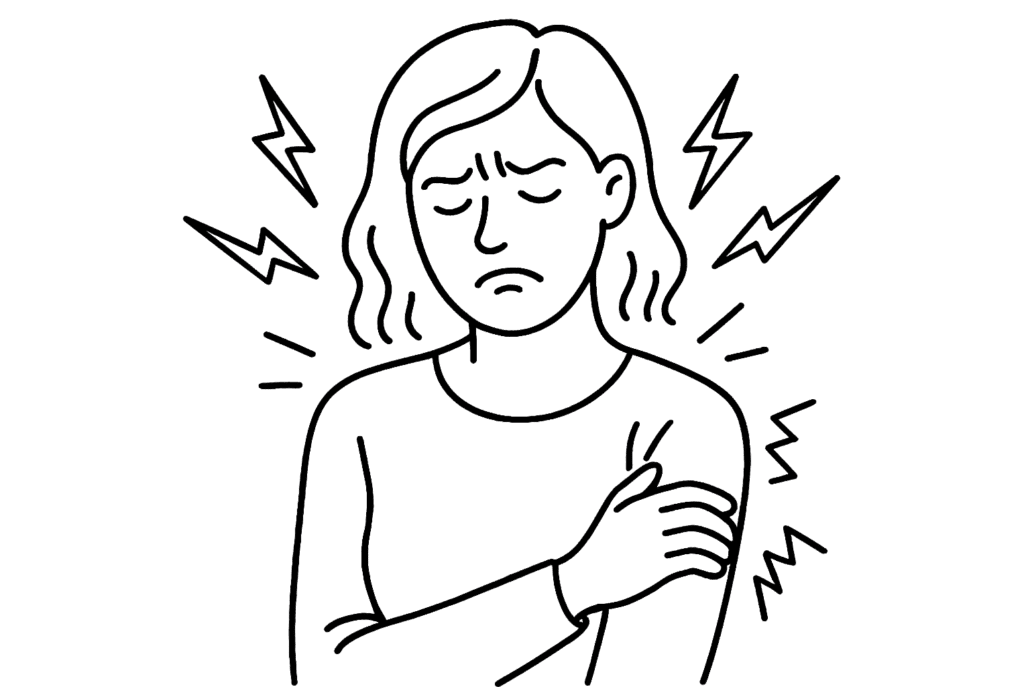
What is Fibromyalgia?

Fibromyalgia is a long-term (chronic) condition that causes musculoskeletal pain, areas of tenderness, fatigue, and disturbances in sleep and cognition. It’s often misunderstood and misdiagnosed due to its similarity with other conditions and lack of definitive tests. However, awareness and understanding have improved significantly in recent years.

Common Symptoms

  • Muscle and bone pain
  • Regions of tenderness
  • Fatigue
  • Nonrestorative sleep
  • Headaches
  • Depression and anxiety
  • Difficulty focusing (“fibro fog”)
  • Abdominal pain, dry eyes, and bladder issues

People with fibromyalgia may experience misinterpretation or overreaction to normal pain signals due to brain chemistry changes or central pain sensitization.

Gender Differences

Women are more frequently diagnosed and often experience more severe symptoms such as widespread pain and IBS. However, diagnostic updates are helping identify more men with fibromyalgia, reducing gender disparities.

Diagnosis Criteria

Previously diagnosed by tenderness in 11 of 18 trigger points, fibromyalgia is now identified by multisite musculoskeletal pain lasting three months or more, with no other identifiable condition.

Where Fibromyalgia Hurts

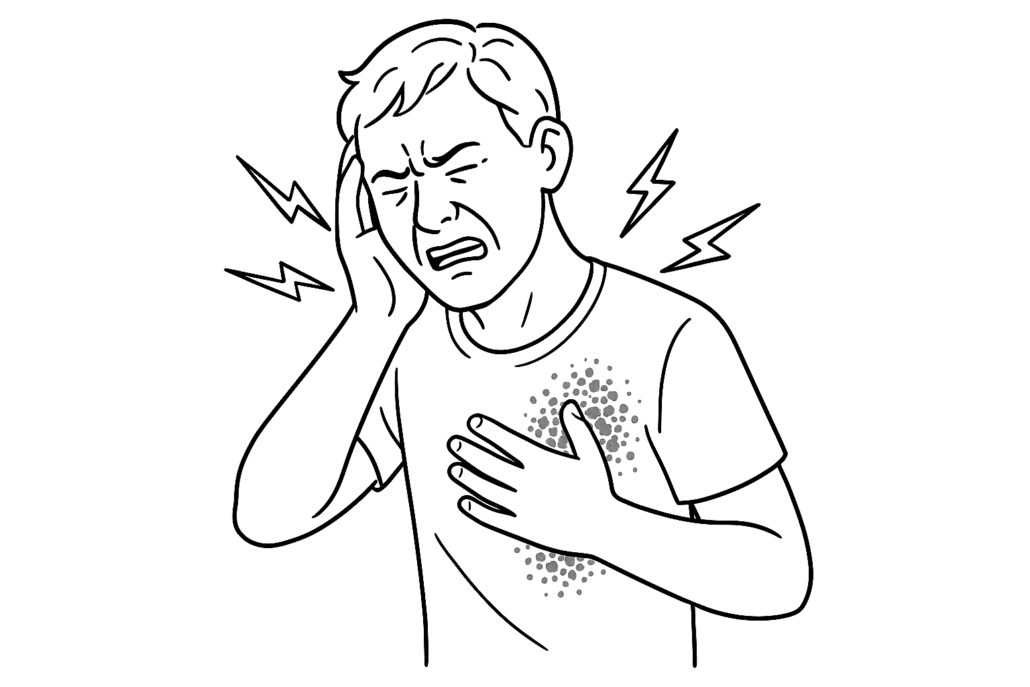
  • Chest pain: May resemble heart attack symptoms due to inflammation in cartilage connecting ribs to the sternum.
  • Back pain: Common and can overlap with arthritis.
  • Leg pain: Burning, deep, throbbing pain or crawling sensations often linked to restless leg syndrome.

Causes and Risk Factors

  • Genetics and family history
  • Past infections and trauma
  • Chronic stress
  • Hormonal or nervous system imbalances

Although inflammation isn’t typically present, the condition may overlap with autoimmune diseases like RA and lupus.

Treatment Options

  • Medications: Includes antidepressants (e.g., Cymbalta, Savella), anti-seizure medications (e.g., Lyrica, Gabapentin), and pain relievers (e.g., acetaminophen). NSAIDs may help but require caution due to potential side effects.
  • Therapy: Physical, occupational, and cognitive behavioral therapy (CBT) can reduce stress and improve daily functioning.
  • Lifestyle: Gentle exercise, sleep management, and mindfulness techniques are beneficial.

Natural Remedies

  • Acupuncture
  • Yoga or tai chi
  • Meditation and massage
  • 5-HTP supplements
  • Balanced diet and hydration

Diet and Nutrition

No specific diet has been proven to treat fibromyalgia, but a balanced, plant-rich diet with limited sugar and processed foods can help manage symptoms. Avoid potential triggers like MSG or gluten if they worsen symptoms.

Living with Fibromyalgia

Daily symptoms can significantly affect quality of life. A strong support system, self-compassion, and proactive healthcare partnerships are essential for effective management.

Facts and Statistics

  • Approximately 4 million adults in the U.S. are diagnosed
  • Mostly affects middle-aged women but can occur in men and children
  • May include remission periods

#fibromyalgia
#chronicpain
#naturaltreatment
#fibrofog
#invisibleillness
#musclepain
#dietandhealth
#fibromyalgiasupport

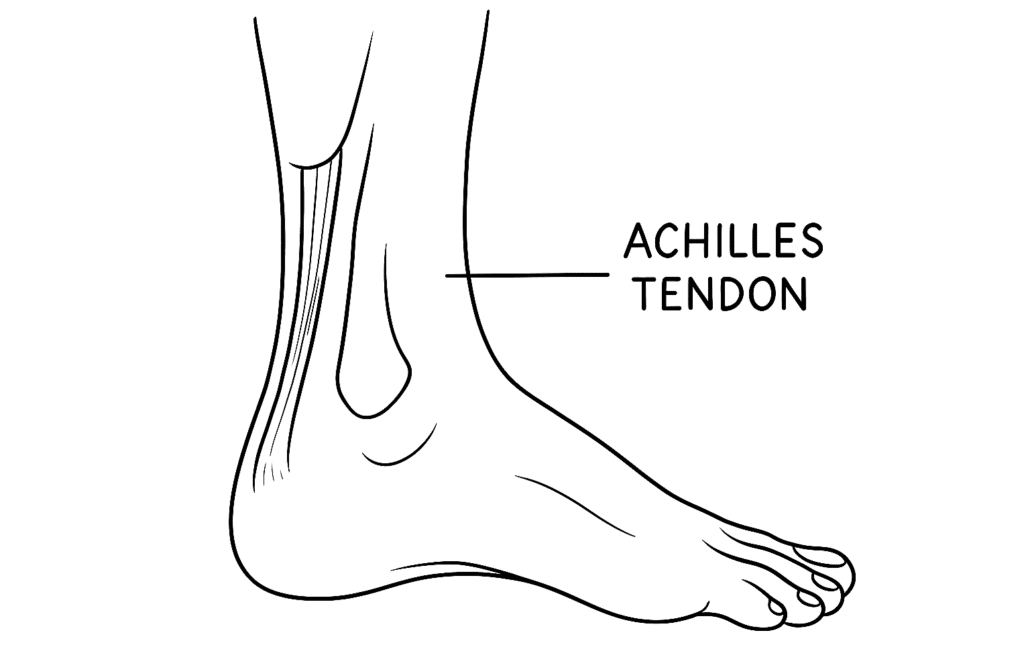
Achilles Tendon Pain Relief – Naturally

Achilles tendon pain is a common issue, especially for individuals over 30, though active younger people and athletes also experience it. The Achilles tendons are strong cords that connect muscles to bones. Pain often results from repetitive movements, poor posture, prolonged sitting, or untreated minor injuries that escalate over time. Eventually, inflammation sets in due to strain, stress, and small tears.

Symptoms of Achilles Tendonitis

  • Pain or swelling in the back of the heel
  • Tight calf muscles
  • Limited range of motion when flexing the foot
  • Warmth in the heel area

Achilles tendonitis can often be treated with rest, ice/heat therapy, physical therapy, or anti-inflammatory foods and herbs. More severe or chronic cases may require long-term care, especially if a rupture or significant tear has occurred. Always consider an ultrasound before pursuing injections or surgery.

Reducing the Risk of Achilles Tendonitis

  • Alternate high-impact and low-impact activities—e.g., basketball and swimming
  • Ease gradually into new exercise routines
  • Wear shoes with proper arch support and cushioning
  • Women transitioning from high heels to flats should do so gradually
  • Stretch calf muscles daily and before/after exercise
  • To stretch: Stand with one leg straight, heel on the ground, and lean forward

Nutrition for Tendon and Joint Health

Certain foods support healing of connective tissues and help prevent joint-related conditions. Collagen and collagen-boosting foods are especially helpful.

Top Foods for Tendon and Joint Support

  • Bone Broth: Contains glucosamine, chondroitin, calcium, magnesium, phosphorus, silicon, and sulfur
  • Sulfate-rich vegetables: Broccoli, cauliflower, garlic, cabbage, and onions support cartilage repair
  • Bioflavonoids: Found in blueberries, cherries, cinnamon, red cabbage, onions, and acai; strengthen collagen fibers
  • Zinc-rich foods: Lamb, grass-fed beef, oysters, pumpkin and sesame seeds
  • Copper-rich foods: Avocado, cacao, sesame seeds, sunflower seeds, and cashews

Helpful Supplements

  • Vitamin C: Speeds fracture healing, reduces oxidative stress and cartilage damage
  • Turmeric: Contains curcumin and turmerone to reduce inflammation and support stem cell growth
  • Omega-3s: Found in salmon, tuna, sardines, anchovies; reduce joint inflammation
  • Glucosamine: Supports collagen and tissue integrity
  • Chondroitin: Enhances cartilage resilience and bounce
  • Spirulina: Rich in nutrients and superoxide dismutase, which reduces inflammation

Natural Pain Relief Options

  • Cinnamon Leaf and Red Carnation Essential Oils: Used in Traditional Chinese Medicine to ease aches, pains, and stiffness
  • CBD Pomade: Contains peyote, mint, and eucalyptus; relieves joint and tendon pain

#AchillesPain
#TendonHealth
#NaturalPainRelief
#JointSupport
#AntiInflammatoryFoods
#CollagenBoost
#EssentialOils
#NaturallyMazcal

Shingles

Shingles is an infection caused by the varicella-zoster virus (VZV), the same virus responsible for chickenpox. After recovering from chickenpox, the virus remains dormant in your body and may reactivate later in life as shingles—a painful rash that typically forms in a cluster on one side of the body. Pain often lingers even after the rash disappears. One known trigger for reactivation is stress.

Common Symptoms of Shingles

  • Headache
  • General malaise
  • Rash (appears a few days after initial symptoms)
  • Fever
  • Light sensitivity
  • Fatigue
  • Tingling or painful sensation on the skin

Conventional Treatments

There is no cure for shingles. Antiviral drugs such as acyclovir, valacyclovir, and famciclovir are often prescribed to manage the infection. Paracetamol may be used to relieve pain. However, some individuals may experience a complication called postherpetic neuralgia, where nerve fibers are damaged, leading to prolonged pain for weeks or months after the rash heals.

According to health guidelines, individuals should stay home from work or school if the rash is still oozing fluid and cannot be covered, or until it has dried out.

Shingles itself is not contagious. However, someone who has never had chickenpox or been vaccinated for it may contract chickenpox if exposed to the fluid from a shingles rash.


Natural Remedies for Shingles

Natural approaches can reduce pain and support healing. Clean the blisters daily using room temperature water to reduce spreading and soothe discomfort. After washing, dry the area thoroughly and sterilize towels to prevent cross-contamination.

To relieve pain, apply a cool, damp cloth compress to the affected area. Do not use ice packs, as they may worsen skin sensitivity. Avoid scratching the rash to prevent scarring and prolonging the healing process.

Use soothing lotions with ingredients like Heliopsis longipes (Crepey cream) or capsaicin (found in chili peppers) to reduce inflammation. Capsaicin cream may cause temporary increased pain before providing relief. Calamine lotion after bathing can also soothe the skin and dry out blisters.


Support Healing with Diet

Strengthen the immune system by eating foods rich in vitamins A, B-12, C, E, and the amino acid lysine. Recommended foods include:

  • Beans
  • Chicken
  • Eggs
  • Orange and yellow fruits
  • Leafy green vegetables
  • Legumes
  • Tomatoes
  • Red meat
  • Wild-caught fish
  • Whole grains

Avoid foods that may worsen symptoms:

  • High-sugar foods and juices
  • Chocolate, gelatin, and nuts
  • Refined carbohydrates
  • Foods high in saturated fat

Herbal Supplements and Support

Several herbal remedies can support the immune system and alleviate associated stress and anxiety:

  • Echinacea tincture or tea
  • Green tea
  • Oregano oil or tincture
  • St. John’s Wort tincture or tea

Natural and alternative medicine emphasizes the body’s innate ability to heal when properly supported. By combining herbal approaches with immune-supportive nutrition and rest, it is possible to manage shingles effectively and recover more comfortably.


#ShinglesRelief
#NaturalHealing
#HerbalRemedies
#SkinHealth
#CapsaicinCream
#ImmuneSupport
#HolisticWellness
#LysineDiet
#ShinglesRecovery
#AlternativeMedicine

Gout And Uric Acid Relief – Naturally

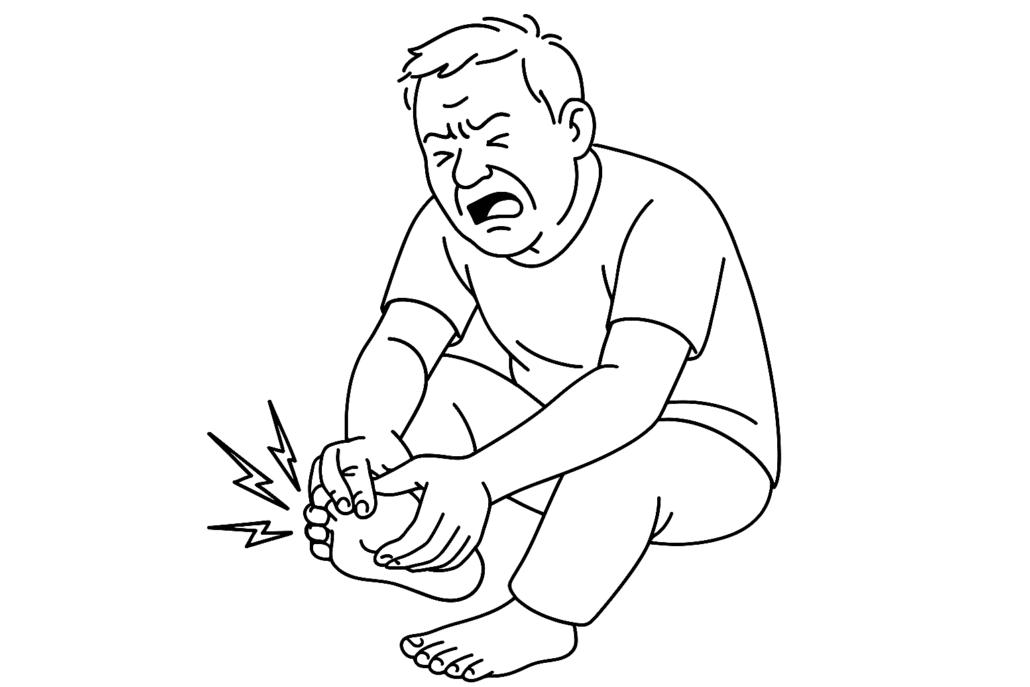
Gout is a type of arthritis caused by excessive uric acid in the body. It usually appears suddenly with intense pain, often affecting the joint at the base of the big toe. It may also impact joints in the fingers, elbows, wrists, heels, or knees. Affected joints become red, inflamed, and stiff, with limited mobility. Recurrent episodes can lead to chronic gout and permanent joint damage. Some individuals also develop small, painful white lumps beneath the skin called tophi, which are deposits of urate crystals.

Severe pain typically lasts about three days with treatment and up to 14 days without. With chronic gout, the tophi can grow large and interfere with joint function.

Pharmaceutical Management

There are many pharmaceutical options available to manage gout. Anti-inflammatory drugs, steroids, and medications such as ibuprofen (Advil, Motrin) are commonly used. If flare-ups become frequent, your doctor may order a blood test to check uric acid levels. High levels may lead to prescriptions like Zyloprim, Allopurinol, or Uloric.

Common Medications For Gout

  • Nonsteroidal anti-inflammatory drugs (NSAIDs)
  • Corticosteroids
  • Colchicine

These medications help reduce inflammation and pain during an acute gout attack. However, they also carry side effects:

  • NSAIDs: May cause diarrhea, nausea, ulcers, and kidney or liver issues. Examples include Bufferin, Celebrex, Ibuprofen, Indocin, Ketoprofen, and Naproxen.
  • Corticosteroids: May lead to diabetes, osteoporosis, high blood pressure, cataracts, infections, and bone damage.
  • Colchicine (Colcrys): Helps prevent urate crystal formation but can cause nausea, vomiting, and diarrhea.

Understanding The Root Cause

Uric acid is a waste product formed when the body breaks down purines — natural compounds found in our bodies and in many foods. When uric acid builds up and is not properly eliminated through urine, it can crystallize in the joints and cause gout.

Diet And Uric Acid

Your diet plays a critical role in uric acid production. A low-purine diet helps reduce the frequency and severity of gout attacks. An alkaline diet or a Mediterranean or traditional Mexican diet has been shown to lower uric acid due to its anti-inflammatory and antioxidant effects.

Maintaining a healthy weight also reduces the risk of gout. Even modest weight loss can lower uric acid levels without the need for dietary purine restriction.

Foods To Avoid

  • Alcohol (beer, whiskey, gin, vodka, rum, tequila — red wine is okay in moderation)
  • Full-fat dairy products
  • Sugar, sweetened snacks, and sodas
  • Red meat, processed meats, and fatty poultry
  • Organ meats (liver, kidney)
  • Seafood such as anchovies, herring, sardines, mussels, scallops, trout, haddock, mackerel, and tuna
  • White bread and refined carbs

Recommended Foods

  • Low-fat milk, yogurt, and cheese
  • Coffee
  • Eggs
  • Whole fruits and vegetables
  • Potatoes
  • Nuts
  • Foods rich in vitamin C (especially cherries and red berries)

Lifestyle Tips For Gout Relief

  • Drink at least two liters of water daily
  • Exercise regularly (avoid high-impact activities during flare-ups)
  • Rest and elevate the affected joint
  • Apply ice packs for up to 20 minutes to reduce swelling
  • Use a bed cradle or light sheet to prevent pressure on the joint at night

Natural Alternatives And Supplements

Several natural remedies and herbal supplements may help relieve symptoms and lower uric acid levels without harsh side effects. These include:

  • Devil’s Claw – Anti-inflammatory and pain-relieving
  • Milk Thistle – Supports liver detoxification
  • Nettle – Natural anti-inflammatory
  • Cola de Caballo (Horsetail) – Diuretic and detoxifying
  • Bromelain – Anti-inflammatory enzyme from pineapple
  • Turmeric – Powerful anti-inflammatory
  • Apple Cider Vinegar (with “mother”) – Aids detoxification and alkalinity

These supplements can support your body’s natural healing process and help manage gout without the side effects commonly seen in pharmaceuticals.

Pain Relief Using Essential Oils, Naturally

When medications are not easing your pain, you might consider going natural by using alternative remedies. Essential oils are a traditional and natural way to relieve pain.

Essential oils are highly fragrant substances extracted from the petals, stems, roots, bark, and other parts of plants. They are obtained through steam distillation, a centuries-old method that uses heat to evaporate the volatile compounds. During condensation, the oils separate due to their hydrophobic nature.

There is evidence that essential oils can help treat depression, inflammation, headaches, localized pain, respiratory issues, and sleep disorders.

Essential oils can be inhaled or applied topically when mixed with a carrier oil. Never apply undiluted essential oils directly to the skin, and do not ingest them, as they are toxic. Always perform a skin patch test before use. If you don’t experience irritation or discomfort within 12 to 24 hours, the oil is likely safe for use.

Recommended Essential Oils for Pain Relief

  • Cinnamon Leaf: Contains cinnamaldehyde, which reduces inflammation and acts as an antimicrobial. It helps stimulate circulation, reduce stress, relieve pain, fight infections, and improve digestion.
  • Lavender: Acts as an analgesic and anti-inflammatory. When applied topically, it provides pain relief comparable to prescription medications like Tramadol. Inhaling lavender can reduce migraine headache severity.
  • Red Rose: Helps alleviate menstrual discomfort, stress, and anxiety. It has antibacterial and antifungal properties, stimulates libido, and reduces depressive symptoms.
  • Bergamot: Used in aromatherapy to treat neuropathic pain, which is often resistant to opioid medications.

How to Use Essential Oils for Pain Relief

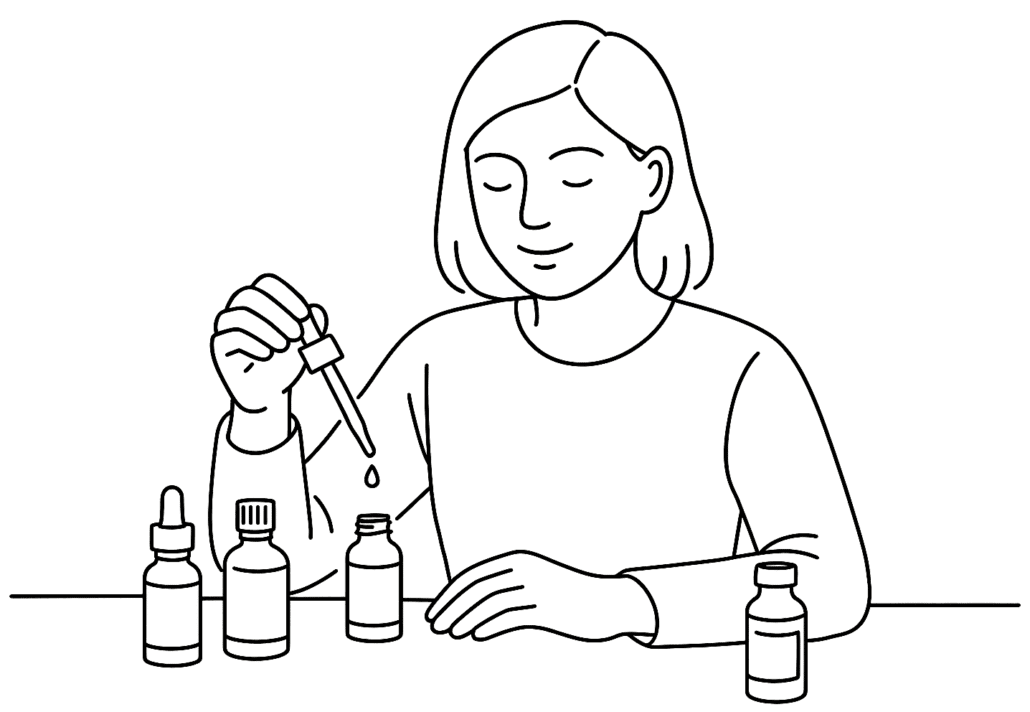
Dilute essential oils with a carrier oil such as apricot kernel, avocado, coconut, grapeseed, sweet almond, or sesame oil. Use only a few drops of essential oil—typically 10 drops per tablespoon of carrier oil.

Massaging diluted essential oil into the skin can help loosen muscles and alleviate pain. You can self-massage or use a professional.

For menstrual relief, blend cinnamon, clove, rose, and lavender in sweet almond oil. For terminal patients, massaging bergamot, lavender, and frankincense can reduce pain and depression. A combination of red rose and cinnamon leaf can ease tendon and rheumatoid arthritis pain quickly and effectively.

For inhalation, add a few drops of essential oil to a diffuser and inhale the steam, or place drops in a bowl of hot water, cover your head with a towel, and breathe in the vapors.

For a hot bath, dissolve five drops of essential oil into one ounce of carrier oil. Soaking allows the oils to absorb through the skin, and the steam provides additional aromatherapy benefits. Avoid very hot baths to prevent dizziness.

Risks and Warnings

Use caution when trying any new essential oil. Always dilute with a carrier oil. Do not apply undiluted oils directly to the skin, especially if pregnant, nursing, or if you have a medical condition.

Possible side effects include:

  • Skin irritation
  • Skin inflammation
  • Sun sensitivity
  • Allergic reaction

Some essential oils or commercial blends may include additional ingredients that could cause adverse reactions. Avoid applying oils around the eyes, lips, or open wounds.

Essential oils can enhance physical, emotional, and mental well-being. Each oil has a unique scent and set of benefits. Incorporating them into your pain management routine may offer natural support with minimal risk, and you can adjust usage as needed.