
Shingles
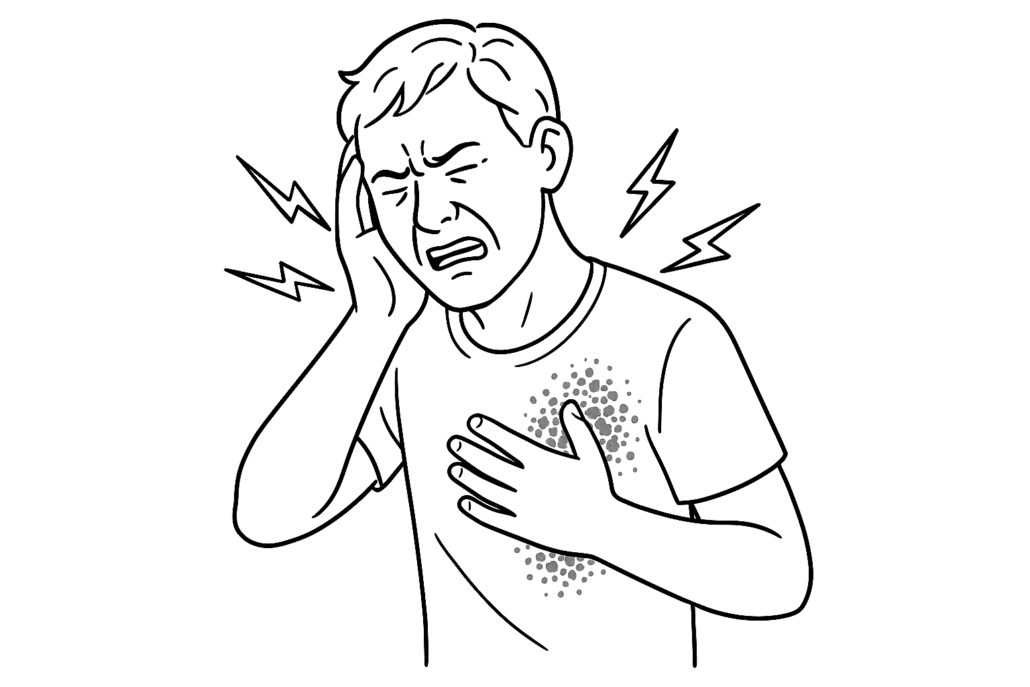
Shingles is an infection caused by the varicella-zoster virus (VZV), the same virus responsible for chickenpox. After recovering from chickenpox, the virus remains dormant in your body and may reactivate later in life as shingles—a painful rash that typically forms in a cluster on one side of the body. Pain often lingers even after the rash disappears. One known trigger for reactivation is stress.
Common Symptoms of Shingles
- Headache
- General malaise
- Rash (appears a few days after initial symptoms)
- Fever
- Light sensitivity
- Fatigue
- Tingling or painful sensation on the skin
Conventional Treatments
There is no cure for shingles. Antiviral drugs such as acyclovir, valacyclovir, and famciclovir are often prescribed to manage the infection. Paracetamol may be used to relieve pain. However, some individuals may experience a complication called postherpetic neuralgia, where nerve fibers are damaged, leading to prolonged pain for weeks or months after the rash heals.
According to health guidelines, individuals should stay home from work or school if the rash is still oozing fluid and cannot be covered, or until it has dried out.
Shingles itself is not contagious. However, someone who has never had chickenpox or been vaccinated for it may contract chickenpox if exposed to the fluid from a shingles rash.
Natural Remedies for Shingles
Natural approaches can reduce pain and support healing. Clean the blisters daily using room temperature water to reduce spreading and soothe discomfort. After washing, dry the area thoroughly and sterilize towels to prevent cross-contamination.
To relieve pain, apply a cool, damp cloth compress to the affected area. Do not use ice packs, as they may worsen skin sensitivity. Avoid scratching the rash to prevent scarring and prolonging the healing process.
Use soothing lotions with ingredients like Heliopsis longipes (Crepey cream) or capsaicin (found in chili peppers) to reduce inflammation. Capsaicin cream may cause temporary increased pain before providing relief. Calamine lotion after bathing can also soothe the skin and dry out blisters.
Support Healing with Diet
Strengthen the immune system by eating foods rich in vitamins A, B-12, C, E, and the amino acid lysine. Recommended foods include:
- Beans
- Chicken
- Eggs
- Orange and yellow fruits
- Leafy green vegetables
- Legumes
- Tomatoes
- Red meat
- Wild-caught fish
- Whole grains
Avoid foods that may worsen symptoms:
- High-sugar foods and juices
- Chocolate, gelatin, and nuts
- Refined carbohydrates
- Foods high in saturated fat
Herbal Supplements and Support
Several herbal remedies can support the immune system and alleviate associated stress and anxiety:
- Echinacea tincture or tea
- Green tea
- Oregano oil or tincture
- St. John’s Wort tincture or tea
Natural and alternative medicine emphasizes the body’s innate ability to heal when properly supported. By combining herbal approaches with immune-supportive nutrition and rest, it is possible to manage shingles effectively and recover more comfortably.
#ShinglesRelief
#NaturalHealing
#HerbalRemedies
#SkinHealth
#CapsaicinCream
#ImmuneSupport
#HolisticWellness
#LysineDiet
#ShinglesRecovery
#AlternativeMedicine

