Triglycerides Simplified – Naturally
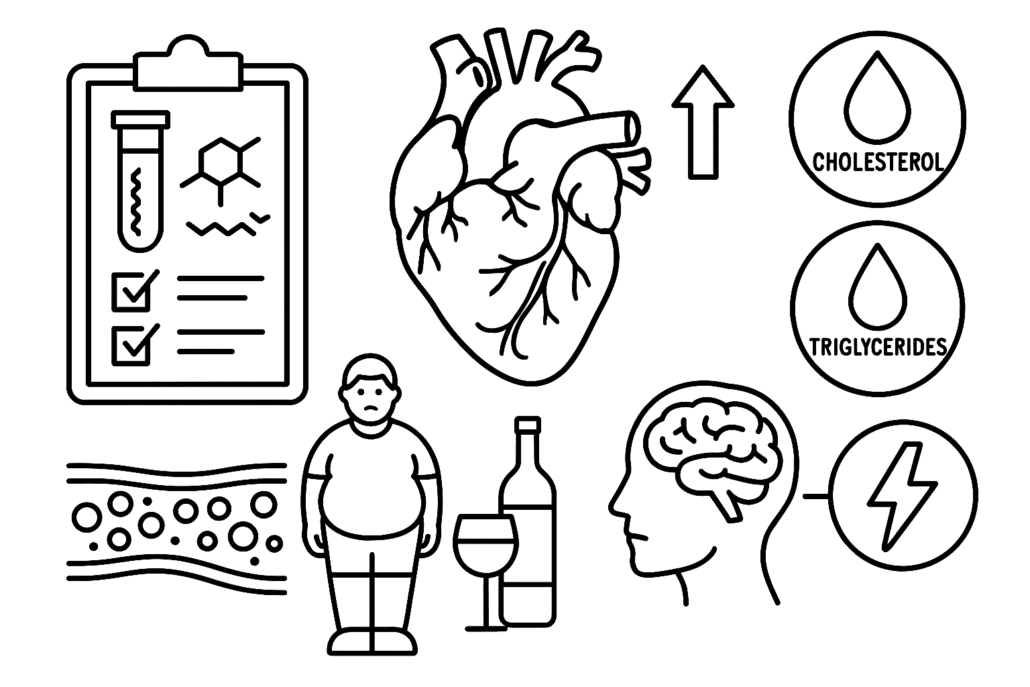
High triglycerides and high cholesterol levels can be dangerous. Left unchecked, they may lead to heart attacks and strokes. While we do need healthy levels of both to survive, excess levels pose serious health risks, including heart disease, diabetes, liver failure, and Alzheimer’s.
It might seem like a good idea to take prescription drugs to lower triglycerides as much as possible—but not so fast. Our body actually needs triglycerides. While often vilified, triglycerides perform critical functions that support overall health.
What Are Triglycerides?
Triglycerides are fats stored in the liver for future energy use. When we consume more calories than needed, those extra calories are stored as fat in the form of triglycerides, ready to be used when energy is low.
Functions of Triglycerides
- Insulation and Protection: Fatty tissue under the skin helps regulate body temperature and cushions organs from trauma.
- Vitamin Absorption: Fat-soluble vitamins A, D, E, and K rely on triglycerides to enter the bloodstream.
- Cellular Support: Triglycerides help form cell membranes, maintaining cellular integrity and function.
What Causes High Triglycerides?
Normal triglyceride levels are under 150 mg/dL. Levels over 200 mg/dL are considered high. Several conditions can contribute to elevated triglycerides:
- Underactive Thyroid: Slow metabolism leads to fat storage.
- Poorly Managed Type 2 Diabetes: Insulin resistance prevents fat breakdown.
- Kidney Disease: Impaired clearance of triglycerides from the bloodstream.
- Excess Alcohol: Overburdens the liver and increases fat in the blood.
- Metabolic Syndrome: A cluster of conditions including high blood pressure, obesity, and high cholesterol.
- Medications: Including contraceptives, diuretics, antipsychotics, and corticosteroids.
Health Risks from High Triglycerides
- Acute Pancreatitis: Especially in heavy alcohol consumers.
- Heart Attack and Stroke: Caused by arterial blockages from excess blood fat.
- Non-Alcoholic Fatty Liver Disease: Fat accumulation replaces healthy liver tissue.
- Peripheral Artery Disease: Reduced blood flow causes limb pain and numbness.
- Eye Disorders: Such as lipemia retinalis—fat buildup in ocular blood vessels.
- Alzheimer’s Risk: High triglyceride levels at midlife are associated with increased Aβ and tau proteins.
How to Lower Triglycerides Naturally
Doctors often prescribe statins for high triglycerides, but these drugs come with risks including muscle pain, memory loss, and links to Parkinson’s, type 2 diabetes, and breast cancer. Fortunately, there are natural ways to balance triglycerides without harmful side effects.
- Lose 5% of Body Weight: Even small weight loss can reduce triglyceride levels.
- Cut Sugar: Excess sugar is a direct contributor to high triglycerides—even in children.
- Reduce Carbs: Lower carbohydrate intake significantly lowers triglyceride levels—more effectively than low-fat diets.
- Increase Fiber: Fiber helps reduce fat and sugar absorption. Maz-Mix offers fiber and omega-3 benefits.
- Eat Fatty Fish: Salmon and sardines are rich in omega-3s that lower triglycerides. Aim for two servings weekly.
- Limit Alcohol: Alcohol, even in moderation, can raise triglyceride levels.
- Exercise Regularly: Physical activity raises HDL (“good” cholesterol), which helps reduce triglycerides. Walking, biking, or swimming are excellent options.
In conclusion, triglycerides are essential for your health, but only in balanced amounts. With natural lifestyle changes—focusing on weight management, a clean diet, and regular movement—you can manage your triglyceride levels effectively, avoid medication side effects, and protect your heart, brain, and liver for years to come.
#Triglycerides
#HeartHealth
#NaturalHealing
#Cholesterol
#AlzheimersPrevention
#MazMix
#HealthyFats
#NaturallyMazcal