
The Pelvic Floor Muscle:
Incontinence & Sexual Health
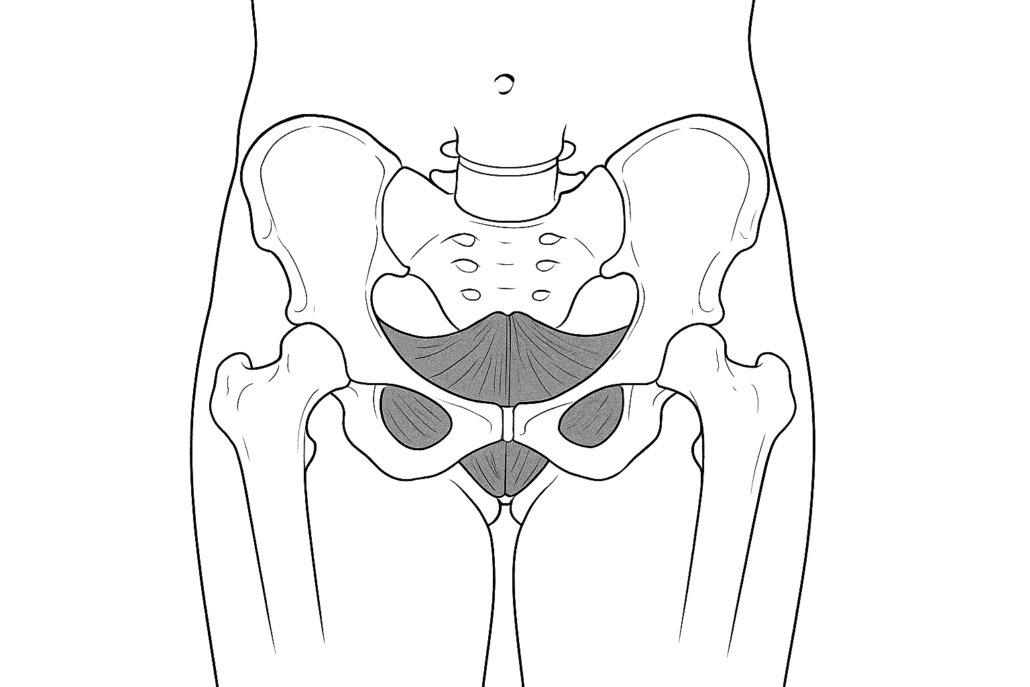
The pelvic floor plays a foundational role in the human body—impacting childbirth, movement, and sexual function. This deep, interwoven cradle of muscles, nerves, and ligaments supports vital organs, including the digestive and reproductive systems.
Located at the base of the pelvis, the pelvic floor muscles support both male and female reproductive organs, the urinary tract, prostate, and digestive tract. These muscles are essential for controlling bladder and bowel functions, helping to prevent incontinence.
Understanding Pelvic Floor Function
Pelvic muscles relax to allow urination, passing gas, or bowel movements, and contract to prevent leakage. You can test your pelvic floor by trying to stop your urine midstream—though this should not be done frequently, as it may be harmful.
Pelvic Organ Prolapse Symptoms
- Heaviness in the lower abdomen and genitals
- Dragging sensation inside the vagina
- Feeling like something is descending into the vagina
- Difficulty maintaining an erection
- Urgent or painful urination
- Constipation or bowel strain
- Lower back or pelvic pain
- Discomfort during intercourse (in women)
Herbs for Pelvic Nerve Pain
- St. John’s Wort – Known for antidepressant effects, it also supports nerve repair when taken as a tincture.
- Skullcap – Relieves spasms and nerve-related pain; useful for tingling or sharp sensations.
- Valerian – A sedative that aids in sleep and overall pain relief, especially from muscular and nerve tension.
- Willow Bark – Contains natural salicin, offering anti-inflammatory and pain-relieving properties.
Kegel Exercises for Pelvic Health
Kegel exercises strengthen the pelvic floor muscles in both men and women. Benefits include improved bladder and bowel control and enhanced sexual function. These exercises are discreet and can be done anywhere.
How to Do Kegels
- Contract your pelvic floor muscles for 5 seconds (pulling in and lifting the genitals).
- Relax fully for 5 seconds.
- Repeat 10 times, at least three times per day.
Avoid using abdominal, leg, or buttock muscles, as they don’t target the pelvic floor. If your pelvic muscles get tired, pause and resume later. Gradually increase your hold and rest times to 10 seconds each.
When to Use Kegels
Do a Kegel before activities likely to cause leakage:
- Standing up
- Walking
- Sneezing or coughing
- Laughing
Practice while lying down, sitting, or standing. Standing is especially useful, as leaks often happen in that position.
In summary, maintaining a strong and functional pelvic floor is essential for urinary control, reproductive organ support, and overall sexual health. Through consistent exercise, natural remedies, and mindful awareness, we can support the core of our body—the root that anchors so many aspects of well-being.
#PelvicFloorHealth
#IncontinenceRelief
#KegelExercises
#PelvicOrganProlapse
#NaturalHealing
#NervePainRelief
#SexualHealth
#NaturallyMazcal
Incontinence & Sexual Health

