
Chronic Inflammation Relief, Naturally
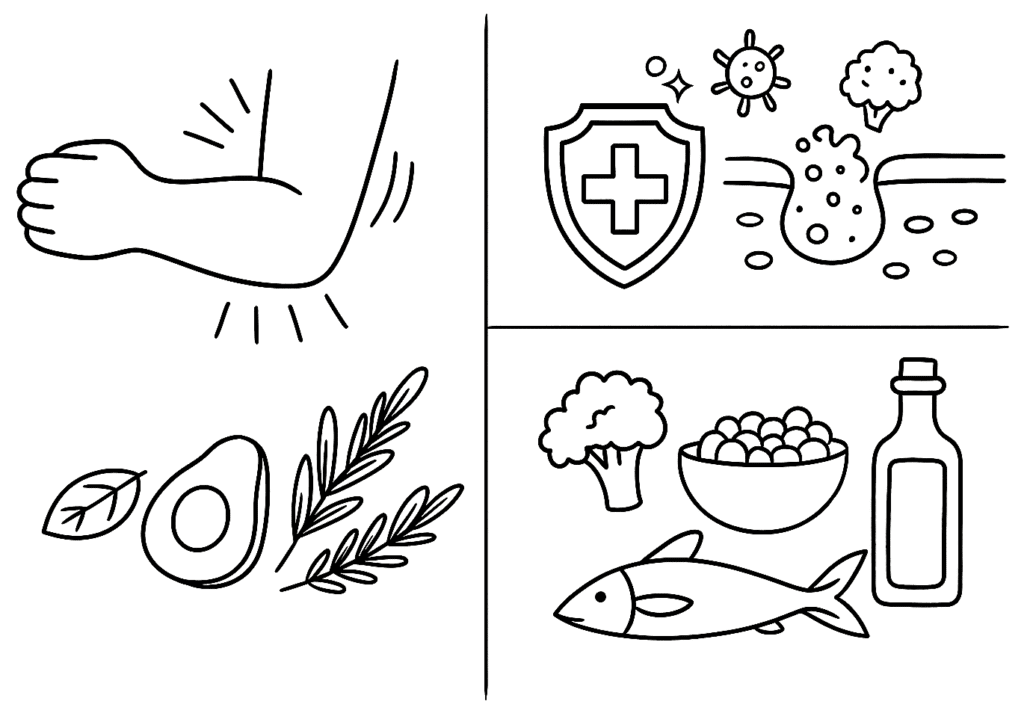
Inflammation is classified into two main types:
- Acute– occurs for about two weeks
- Chronic – slower, less severe and lasts longer than six weeks
What is Inflammation?
It is part of the body’s innate immune response against damaged cells, viruses, bacteria, etc. It removes harmful or foreign invaders and heals itself. Without inflammation, wounds would just aggravate, and infections could be deadly.
What does the inflammation process look like? First, chemicals from white blood cells are released into the bloodstream to guard your body against foreign substances releasing chemicals into the area of injury or infection. This increased blood flow leads to redness and a feeling of warmth in the affected area. The chemical release can also trigger fluid leakage in surrounding tissues, which causes swelling. Nerves are often stimulated during this process and can cause temporary pain.
Inflammation can be mistaken for infection, but the two are quite different. Infection can cause inflammation due to harmful substances, and inflammation is the body’s response to infection. In this way, inflammation is mostly good.
Acute inflammation often occurs because of an injury to the external body or skin. Symptoms include:
- Immobility
- Heat (affected area feel warm to the touch)
- Pain
- Redness
- Swelling
Symptoms and signs of chronic inflammation:
- Abdominal pain
- Chest pain
- Fatigue
- Fever
- Mouth sores
- Rash
- Joint pain
Chronic Inflammation can Cause:
- enlargement and loss of kidney function
- swelling and loss of blood vessel function and muscules
The leading causes of inflammation are a poor diet, stress, food allergies, and a sedentary lifestyle leading to weight gain. Being overweight can mean a state of long-term, low-grade inflammation. Negative personality traits like smoking, eating unhealthy foods and a lack of exercise encourage inflammation. Harmful bacteria produce microbiome problems and contribute to inflammatory conditions like arthritis, depression, and neurological ills.
Inflammatory Diseases Include:
- Acute bronchitis
- Asthma
- Crohn’s disease
- Chronic peptic ulcer
- Hepatitis
- Ingrown infected toenail
- Heart disease
- Rheumatoid arthritis
- Lupus
- Sinusitis
- Sore throat due to a cold or flu
- Periodontitis
- Ulcerative colitis
Foods that can Cause Inflammation in the Body”
- Sugar, sucrose and fructose.
- Saturated fats found in fast foods and fried products, processed snack foods, frozen breakfast products, cookies, donuts, crackers and margarine.
- Omega-6 fatty acids are essential in moderation, but excess consumption produces pro-inflammatory chemicals found in oils from corn, safflower, sunflower, soy, peanut and vegetable, mayonnaise and salad dressings.
- Refined carbohydrates/white flour products including bread, rolls, crackers and cereals, are brutally lacking in nutrients and are advanced glycation end (AGE) products that trigger inflammation.
- People with celiac disease should avoid gluten.
- Casein
- Aspartame
- Alcohol – excessive intake is harmful to the liver.
Corticosteroids, such as cortisone and prednisone, are prescribed for chronic inflammation like arthritis and asthma. When used on a short-term basis, side effects include fluid retention, increased appetite, weight gain, insomnia, and mood changes.
Long-term effects include osteoporosis, high blood pressure, diabetes, weight gain, infections, cataracts, glaucoma, muscle weakness and thinning of the skin.
Natural Anti-Inflammatory Foods, Herbs and Spices
- Ensure your diet is loaded with foods high in antioxidants to reduce levels of LDL “bad” cholesterol and lowering the risks of heart disease, Parkinson’s, Alzheimer’s and cancer.
- Vegetables – three servings/day of beets, carrots, cruciferous vegetables (broccoli, cabbage, cauliflower and kale), dark, leafy greens, onions, peas, salad greens, sea vegetables and squashes.
- Fruits – three servings/day of apples, all berries, nectarines, oranges, pears, grapefruit, pineapple, plums, pomegranates.
- Water – at least two liters/day.
- Beans and Legumes – two servings/day of black beans, black-eyed peas, chickpeas or lentils.
- Healthy Fats – five servings/day of avocados and extra virgin olive oil.
- Herbs and Spices – unlimited!
- Protein – organic eggs, grass-fed meats, healthy cheeses, organic poultry and cultured/raw dairy.
- Green Tea – an excellent natural anti-inflammatory, three cups/day.
- Red wine contains quercetin, a potent anti-inflammatory, anti-carcinogenic and antiviral; also, resveratrol reduces inflammation and oxidative stress while also acting as a neuro-protectant. Drink no more than two drinks/day.
Herbs and Spices that Combat Inflammation
- Ginger
- Garlic
- Turmeric
- Cardamom
- Black pepper
- Ginseng
- Green tea
- Rosemary

