
Improve Bone Density and Prevent Fractures:
What to Eat and What to Avoid
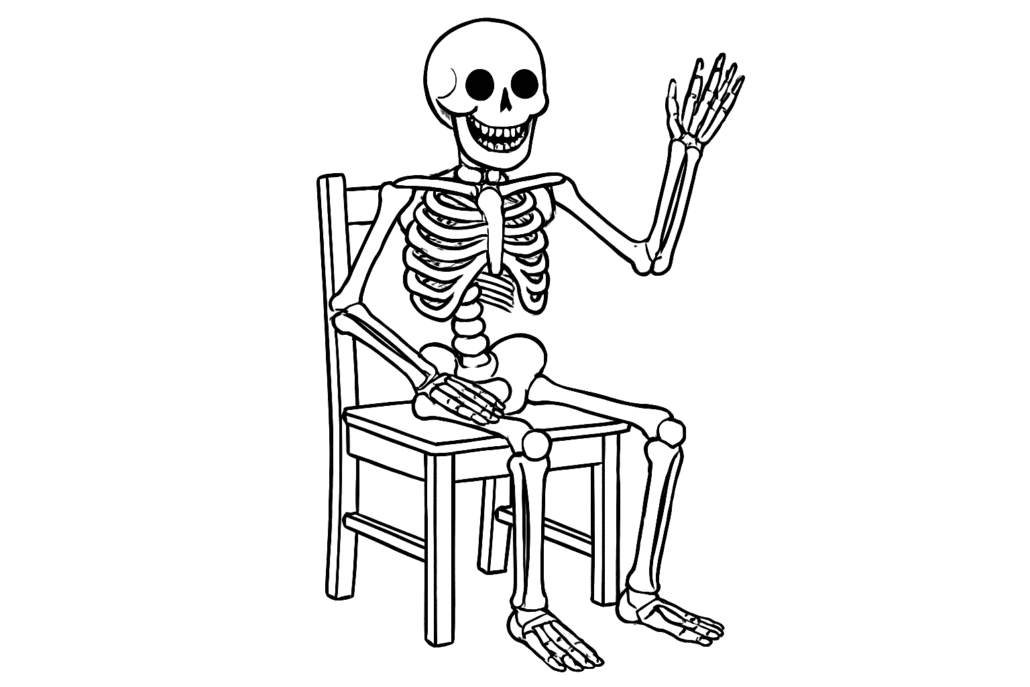
Millions of Mexicans and Americans suffer from poor bone density, often due to the consumption of carbonated drinks. However, other foods can also contribute to bone loss. The first sign of poor bone density is often a fracture—after which it becomes significantly more difficult to rebuild bone health. For older adults, fractures can even lead to permanent loss of independence.
As we age, we all lose bone mass and density. After menopause, this becomes one of the primary reasons why fractures and falls are more common among women. With every passing year, our bones lose calcium, vital amino acids, and other essential minerals needed to maintain strength and density.
Dietary habits play a major role in this process. Some foods accelerate bone loss, putting individuals—especially those over 55—at higher risk for falls and fractures. Below is a guide to foods to avoid and nutrients to prioritize to help protect and rebuild your bones.
Foods That Damage Bone Health
Carbonated Soft Drinks
Even diet sodas are packed with phosphoric acid and contain no calcium. This raises blood acidity, prompting the body to pull calcium from your bones to restore balance. They also increase calcium excretion through urine—creating a double threat to bone health. Excessive soda intake can lead to debilitating bone disorders.
Table Salt
While sodium is essential, common table salt causes calcium loss and weakens bones over time. Postmenopausal women on high-sodium diets lose more bone minerals than others. Limit sodium to 2,300 mg per day (about one teaspoon). Every 2,300 mg of sodium can cause a loss of 40 mg of calcium through urine. Replace regular salt with pink Himalayan salt, which contains over 80 additional trace minerals like potassium and calcium that support bone health.
Caffeine
Caffeine can leach calcium from your bones. We lose about 6 mg of calcium for every 100 mg of caffeine. For example, a 16 oz coffee can contain 320 mg of caffeine—well above the daily safe limit. Keep caffeine intake under 300 mg per day and be sure to consume bone-rebuilding nutrients to counteract losses.
Hydrogenated Oils
These synthetic trans fats, found in processed foods, are made by pressurizing vegetable oils with hydrogen gas. This process destroys vitamin K—an essential nutrient for strong bones. Avoid non-natural trans fats commonly found in fast food, frozen meals, pastries, and store-bought creamers. Naturally occurring trans fats in animal products and coconut oil are not the same and do not pose the same risks.
Wheat Bran
High in phytates, wheat bran interferes with calcium absorption—especially when consumed alongside calcium-rich foods. Instead, eat sprouted grains, which reduce phytate levels and allow better absorption of magnesium, B vitamins, and calcium.
How to Rebuild Bone Density
Human bones—206 in total—are made of calcium, collagen protein, and other vital minerals. Weak bones are becoming more common, leading to increased injuries and immobility.
To restore bone health and reduce the risk of injury, we must focus on replenishing the minerals and amino acids naturally found in strong bones. Avoiding harmful foods is only the first step—rebuilding bone strength requires consuming targeted nutrients.
Collagen Protein: The Key to Strong Bones
Collagen protein is the most abundant protein in mammals and plays a vital role in connective tissues, joints, skin, and bones. It makes up about 90% of the bone matrix. Replenishing collagen levels is essential for restoring bone density and preventing injuries at any age.
Bone Broth
Bone broth is one of the best foods for stronger, healthier bones. Made by simmering animal bones and connective tissues, this nutrient-rich stock is commonly used in soups and gravies. It is loaded with collagen, minerals, and amino acids that support bone regeneration. More details on the benefits of bone broth will be covered in a future article.
Daily Supplementation
Research suggests that a daily collagen supplement of 5 grams can be highly beneficial. When combined with a healthy, mineral-rich diet and the avoidance of bone-damaging foods, this can significantly reduce the risk of fractures and support lifelong skeletal health.
What to Eat and What to Avoid

