
Prostate Cancer:
Prevention & Natural Reversal
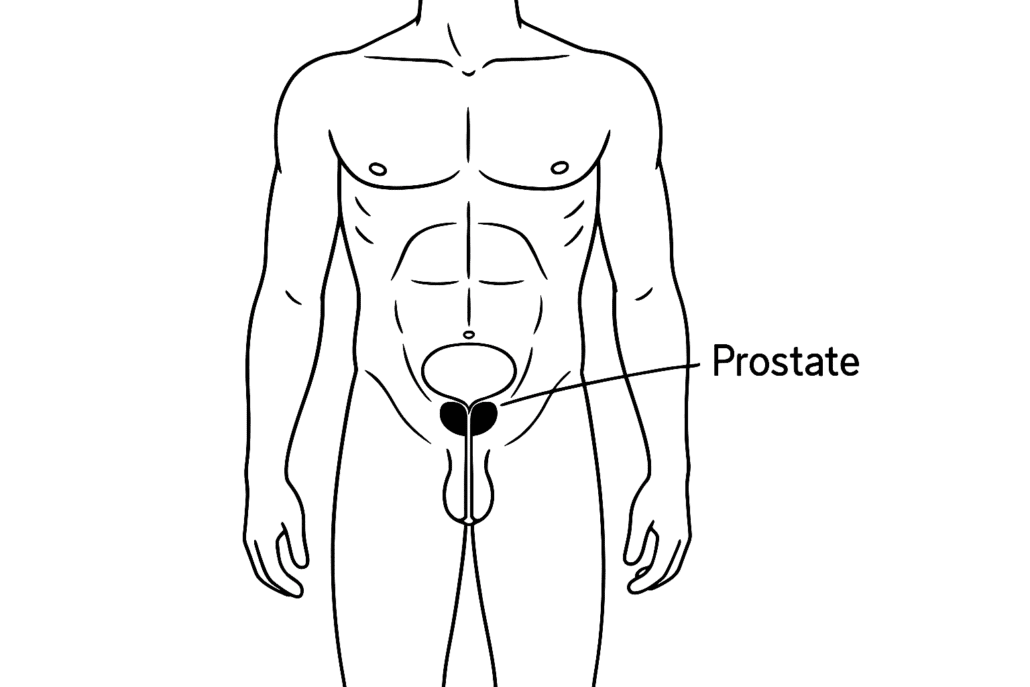
Prostate cancer is the most common form of cancer in men. The prostate is a walnut-sized gland that produces seminal fluid, which mixes with semen from the testes. Unfortunately, prostate cancer symptoms are not always noticeable until the disease has progressed.
Common Symptoms of Prostate Cancer
- Weak urine stream, leakage, or burning sensation when urinating
- Frequent nighttime urination or inability to urinate
- Pain in the pelvis, thighs, back, rectum, and groin
- Erectile dysfunction or difficulty maintaining an erection
- Painful ejaculation and reduced semen volume
- Blood in the urine or semen
Natural Prevention Strategies
To prevent prostate cancer naturally, consider making the following lifestyle changes:
- Stop smoking and avoid recreational drugs
- Consume alcohol in moderation
- Get regular sunlight exposure
- Maintain a nutrient-dense diet rich in organic vegetables and fruits
- Exercise regularly to boost blood flow and mood
- Eliminate processed foods, sugar, fast food, and factory-farmed meat and dairy
Aim to eat at least two cups of varied vegetables daily, especially leafy greens and cruciferous vegetables like broccoli, cabbage, kale, and cauliflower. Other beneficial foods include avocados, sweet potatoes, tomatoes, peppers, mushrooms, sea vegetables, herbs, spices, olive oil, green tea, cocoa, and spirulina. Fresh fruits such as oranges, berries, mangoes, and pineapple are also important.
Include wild-caught fish rich in omega-3 fatty acids and foods high in zinc and selenium, such as grass-fed beef, liver, sardines, turkey, Brazil nuts, pumpkin and sunflower seeds, and dark chocolate.
Mental and Emotional Support
Prostate cancer and its treatment can cause stress, anxiety, and depression. Managing stress through mind-body practices like yoga, meditation, prayer, art, music, dance, and time in nature can improve well-being and immune function.
Conventional Medical Treatments
Following a diagnosis, conventional treatments may include:
- Active surveillance for low-risk cases
- Hormone therapy to reduce testosterone and DHT
- Radiation therapy to target cancer cells
- Chemotherapy if cancer has spread or hormone therapy fails
- Cryosurgery to freeze cancer cells
- Immunotherapy to strengthen immune response
- Radical prostatectomy to remove the prostate gland and surrounding tissue
- Integrative therapy combining standard care with complementary practices
Life After Prostate Removal
Prostate removal often results in urinary and sexual dysfunction. Though commonly recommended, this approach is highly profitable to the medical industry. I was told in both Mexico and the US that I wouldn’t survive more than three years without surgery. That was in 2001. I refused surgery and chose a natural herbal treatment protocol instead.
Research shows that post-surgical survival averages between 3 to 6 years, with few living longer. This route also leads to costly hospitalization, medications, and loss of quality of life.
A Natural Alternative
I chose to fight prostate cancer using powerful plant-based remedies. Tinctures and herbal formulas offer healing properties that target cancer and other chronic diseases. Effective herbs include:
- Annona muricata
- Curcuma longa
- Moringa oleifera
- Azadirachta indica
- LingZhi (Reishi mushroom)
- Turkey tail mushroom
- Ginseng
- Maca root
- Rhodiola rosea
I made the choice to eliminate prostate cancer naturally—and you can too.
#naturalhealing
#plantmedicine
#herbalremedies
#preventcancer
#menshealth
#antiinflammatory
#prostatehealth
#nontoxicliving
#nutrition
#adaptogens
#zinc
#selenium
#naturaltreatment
#integrativemedicine
Prevention & Natural Reversal
Probiotics & Prebiotics:
What Are They?
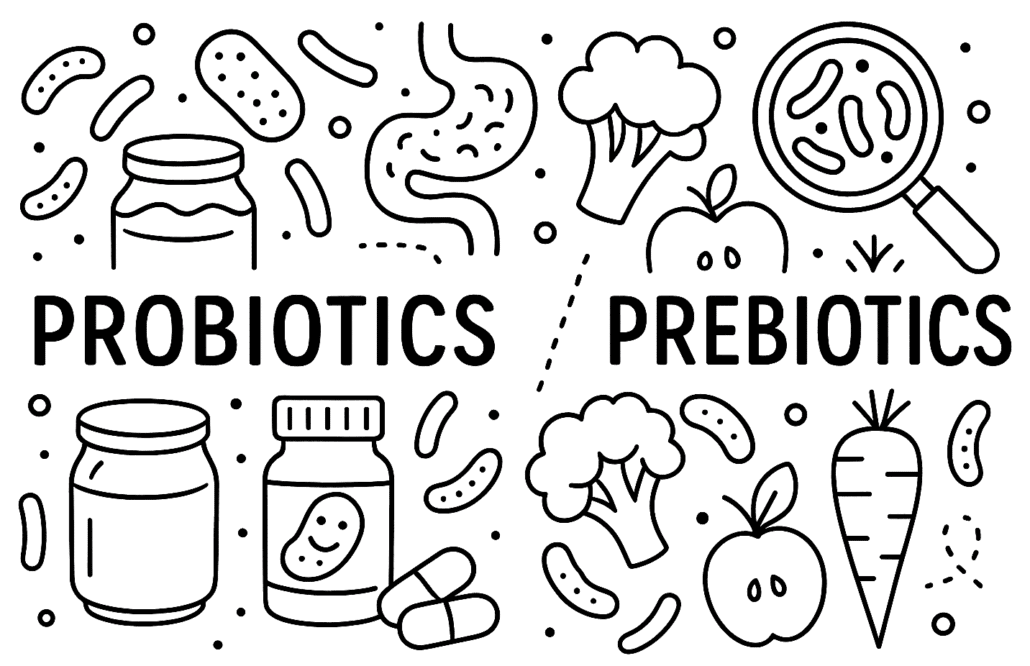
Prebiotics and probiotics are essential for maintaining gut health. Eating a balanced combination of both helps ensure a healthy balance of gut microbiota—the diverse community of microorganisms living in our digestive tract. These microbes play vital roles in digestion, immune function, metabolism, and even mental health.
Understanding Probiotics and Prebiotics
- Probiotics: Live, beneficial bacteria found in certain foods and supplements that support gut and overall health.
- Prebiotics: Non-digestible fibers from carbohydrates that feed the good bacteria in your gut, allowing them to thrive.
The food you consume plays a key role in shaping your gut microbiome. Diets high in sugar and unhealthy fats can disrupt gut flora, promoting harmful bacteria and contributing to weight gain and insulin resistance.
Foods That Contain Probiotics
One of the easiest ways to boost probiotic intake is through fermented foods, which contain live cultures that benefit the digestive system. Examples include:
- Kimchi
- Kombucha tea
- Non-dairy kefir
- MazMix Digestive Herb Formula
- Pickles and other unpasteurized, pickled vegetables
- Sauerkraut
- Plain yogurt with live cultures
Be sure to choose unpasteurized options, as pasteurization kills beneficial bacteria. Many of these foods are considered symbiotic—meaning they contain both probiotics and prebiotics to nourish the good bacteria.
The Power of MazMix Digestive Herb Formula
MazMix is a standout symbiotic fermented food. This digestive herb formula delivers high levels of probiotics, prebiotics, and essential nutrients. It is known to:
- Support sustainable energy
- Act as a natural detoxifier and metabolic booster
- Promote fat burning and hydration
- Provide complete proteins with essential amino acids
- Offer anti-aging and antibacterial benefits
- Rebuild organs, hair, and skin
- Reduce acid reflux, improve digestion and heart health
- Prevent diabetes and strengthen bones
- Enhance muscle growth, encourage weight loss
- Support dental health and help fight cancer
Gut Health and Overall Well-Being
A balanced microbiome not only improves digestion but also protects against harmful bacteria and fungi, supports the immune system, and can even improve mood and mental health. Studies have shown a strong link between gut health and emotional well-being, including reduced symptoms of depression and anxiety.
Probiotics and prebiotics nourish the intestinal lining, help maintain a strong gut barrier, and reduce inflammation. They also play a role in preventing obesity and may lower the risk of certain cancers.
What Harms Gut Bacteria?
Poor diet, environmental toxins, and widespread antibiotic use all disrupt the delicate balance of gut flora. Antibiotics, in particular, can lead to long-lasting changes in the microbiome, potentially contributing to chronic health problems.
Protecting your gut starts with a conscious effort to eat clean, fermented, plant-rich foods and avoid harmful chemicals. Prebiotics and probiotics are not just digestive aids—they are foundational to your immune, metabolic, and mental health.
#prebiotics
#guthealth
#digestivehealth
#fermentedfoods
#mazmix
#microbiome
#naturaldetox
#mentalhealth
#inflammationrelief
#immunehealth
#nutrition
#naturalremedies
#preventdisease
#plantbasedhealth
What Are They?
Prevention Is Better Than the Cure
The phrase “prevention is better than the cure,” attributed to Dutch philosopher Desiderius Erasmus around 1500, is more relevant today than ever before. With chronic illness, environmental toxins, weakened immune systems, and questionable pharmaceutical interventions on the rise, it’s clear that the future of health lies in prevention—not just treatment.
The Terrain vs. the Germ
In the 19th century, Louis Pasteur’s “germ theory” revolutionized medicine by linking microorganisms to disease. Yet, his contemporary Antoine Béchamp proposed a radically different theory: that germs are not the primary cause of illness but rather opportunistic agents that thrive in a weakened internal environment—or what he called the “terrain.”
Béchamp’s theory emphasized the importance of a healthy internal ecosystem, where bacteria and viruses only flourish if the body’s natural balance is disturbed. Ironically, Pasteur is said to have admitted on his deathbed: “The germ is nothing. The terrain is everything.”
Despite mounting modern research supporting Béchamp’s theory through fields like quantum biology and epigenetics, our health system still centers around Pasteur’s model. This has led to a massive disease industry driven by drugs, vaccines, and symptom suppression instead of true healing and prevention.
Chronic Disease and Modern Lifestyle
Chronic diseases—diabetes, heart disease, cancer, arthritis, asthma, and more—are exploding globally. They’re often the result of inflammation, long-term stress, environmental toxins, sedentary lifestyles, poor nutrition, and overexposure to pharmaceuticals.
Many conventional doctors claim these conditions can be “managed with medication.” But managing symptoms isn’t healing. It’s profitable for the medical system, not necessarily beneficial for the patient.
The Power of Prevention
The good news? Many chronic conditions are preventable—and even reversible—through natural strategies. Supporting the immune system and overall health with nutrient-rich foods, movement, herbs, hydration, and lifestyle choices is the foundation of prevention.
Here’s what you can do to fortify your terrain:
- Eat organic vegetables, fresh fruits, and fermented foods.
- Stay well-hydrated with 12–20 glasses of clean water daily.
- Exercise regularly to support immune and cardiovascular health.
- Get sufficient, quality sleep each night.
- Avoid environmental toxins, drugs, and processed foods.
- Maintain a positive attitude and a healthy network of friends and community.
- Use herbs, tinctures, tonics, and time-tested natural remedies instead of jumping to pharmaceuticals.
Herbs and Natural Remedies
Traditional medicine systems such as Ayurveda, Traditional Chinese Medicine, and Herbolaria Mexicana have used herbs and plants for centuries to prevent and treat illness. Scientific research is increasingly validating the efficacy of many of these remedies.
Unlike synthetic drugs, herbal remedies use the entire plant—often containing hundreds of beneficial compounds that work synergistically and cause fewer side effects.
Some powerful herbs and functional foods include:
- Turmeric: Contains curcumin, which reduces inflammation and supports immunity—especially when combined with black pepper (piperine).
- Garlic: Lowers blood pressure, reduces cholesterol, and fights infections.
- Chilcoatl Root: A potent immune stimulant with antiviral, antibacterial, and analgesic properties.
- Ginger: Treats nausea, inflammation, and respiratory infections; supports digestion and lymphatic cleansing.
- Ginseng: Boosts immunity, enhances energy, and improves circulation.
- Echinacea: Strengthens the immune system and helps fight off infections.
- Annona muricata (Graviola): Shows promise for anti-cancer support.
- Neem: Supports gut, heart, and immune health with antimicrobial effects.
- St. John’s Wort, Valerian, Magnolia, and Tila: Effective natural treatments for mild to moderate anxiety, depression, and insomnia.
Supplements and Immune Support
In addition to herbs, there are nutrients and supplements that play vital roles in immune function:
- Vitamin C: Stimulates white blood cell production and enhances antibody response.
- Vitamin D: Modulates both innate and adaptive immunity; low levels are linked with increased infection risk.
- Probiotics: Promote gut health, which directly affects immune balance and nutrient absorption.
- Colloidal Silver: A traditional antimicrobial remedy—use with caution and proper dosing.
- Elderberry: Shown to reduce flu symptoms and duration.
- Mushrooms: Especially turkey tail, shiitake, maitake, and tremella—support immune modulation and recovery.
- Myrrh & Oregano Essential Oils: Possess powerful antibacterial, antiviral, and antifungal actions.
A Holistic Future
It’s time to rethink the disease model. Rather than waiting to treat symptoms once illness appears, we must shift toward supporting long-term health through prevention. This means honoring the body’s innate wisdom, choosing food as medicine, nurturing emotional resilience, and embracing the vast healing potential of herbs, plants, and natural remedies.
By focusing on the terrain, not just the germs, we can build a future where wellness thrives—and chronic disease becomes a relic of the past.
#prevention
#herbalmedicine
#chronicdisease
#immunehealth
#terrainnotgerm
#plantbasedhealing
#ayurveda
#epigenetics
#garlicbenefits
#turmeric
#echinacea
#ginseng
#functionalfoods
#alternativemedicine
#naturalremedies
#oreganooil
#colloidalsilver
#holistichealing
#bechampvspasteur

