
Nutrient Absorption
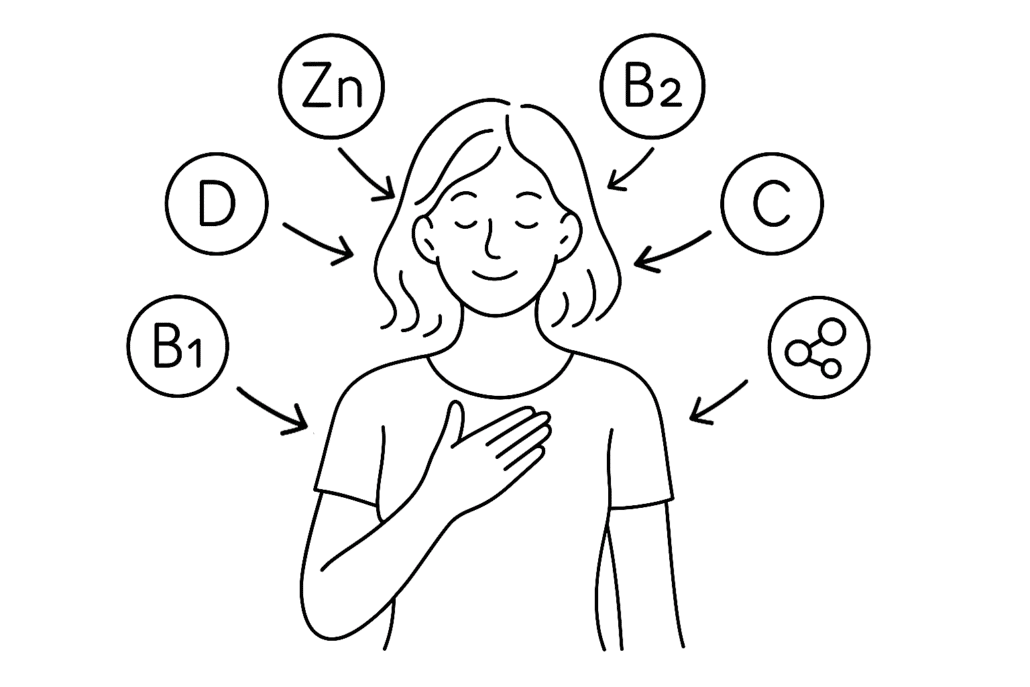
Get the most nutrition out of the food you eat: a tasty pizza or double-patty cheeseburger is not going to cut it!
We nourish our bodies by providing our bones with calcium to keep them strong, our muscles with protein to grow and repair, and our heart, brain, liver, kidneys, and thyroid with vitamins and minerals from fruits and vegetables.
Symptoms of nutrient deficiencies include fatigue, hair loss, dull and dry hair, and poor skin. When neglected, these deficiencies can lead to serious health problems.
For nutrients to be absorbed, food must undergo mechanical and chemical digestion. It begins in the mouth, where digestive enzymes in saliva start breaking down food. Chewing thoroughly is essential. In the stomach, proteins break down into amino acids and carbohydrates into glucose for energy or storage. The nutrients are then absorbed in the small intestine and delivered by the circulatory system to where they’re needed. Excess is stored or eliminated.
For optimal absorption, a healthy digestive system is critical. Poor gut health leads to poor nutrient absorption. Conditions like IBS, celiac disease, or other gastrointestinal issues can hinder digestion. Processed foods are often nutrient-poor, and high-sugar foods can deplete nutrients—especially magnesium. Medications such as antacids, blood pressure meds, antidepressants, and hormone therapies can also interfere with nutrient levels. Stress and alcohol further disrupt digestion and absorption.
Stress increases the body’s need for certain nutrients, including vitamin C, B vitamins, and magnesium. When these become depleted, symptoms like fatigue and irritability appear, along with digestive changes and dull skin, nails, and hair.
To maximize absorption:
- Eat a variety of colorful foods—such as roasted carrots, green pepper, zucchini, and celery in salads.
- Pair plant-based iron sources (like legumes and dried fruit) with vitamin C-rich foods (oranges, salsas, cauliflower) to enhance iron bioavailability.
- Include healthy fats in every meal to absorb fat-soluble vitamins A, D, E, and K. Use oil-based dressings like olive oil, and add nuts, seeds, and avocados to meals.
Polyunsaturated fat sources include:
- Avocado
- Flaxseed
- Fatty fish: salmon, tuna, mackerel, herring, trout, sardines
- Sunflower, sesame, and pumpkin seeds
- Walnuts
Turmeric is a powerful anti-inflammatory herb. Its active ingredient, curcumin, is fat-soluble. For best absorption, consume turmeric with healthy fats and black pepper (piperine). Even a small amount of pepper can dramatically increase bioavailability.
Support gut health with probiotics to aid digestion and nutrient absorption. Probiotic-rich foods include kefir, kombucha, sauerkraut, and Maz-Mix digestive live fermentation drink.
Hydration is key—water helps transport nutrients in the blood. Avoid tea and coffee with meals, as polyphenols can block nutrient absorption, particularly iron. Choose instead fruit and vegetable juices that contain natural digestive enzymes, such as pineapple, melon, and papaya.
Alcohol damages the lining of the stomach and intestines and reduces digestive enzyme activity, impairing nutrient absorption. Stress increases cortisol levels, which slows digestion and interferes with the breakdown and uptake of food.
Nutrients are essential for critical biochemical reactions in the body. Our health depends on consistent intake of macronutrients, micronutrients, and water to function optimally.
#NutrientAbsorption
#DigestiveHealth
#Micronutrients
#HealthyFats
#Probiotics
#IronAbsorption
#Curcumin
#VitaminsAndMinerals
#GutHealth
#FoodAsMedicine
#AntiInflammatoryDiet
#Hydration
Medicinal Herbs for the Pancreas
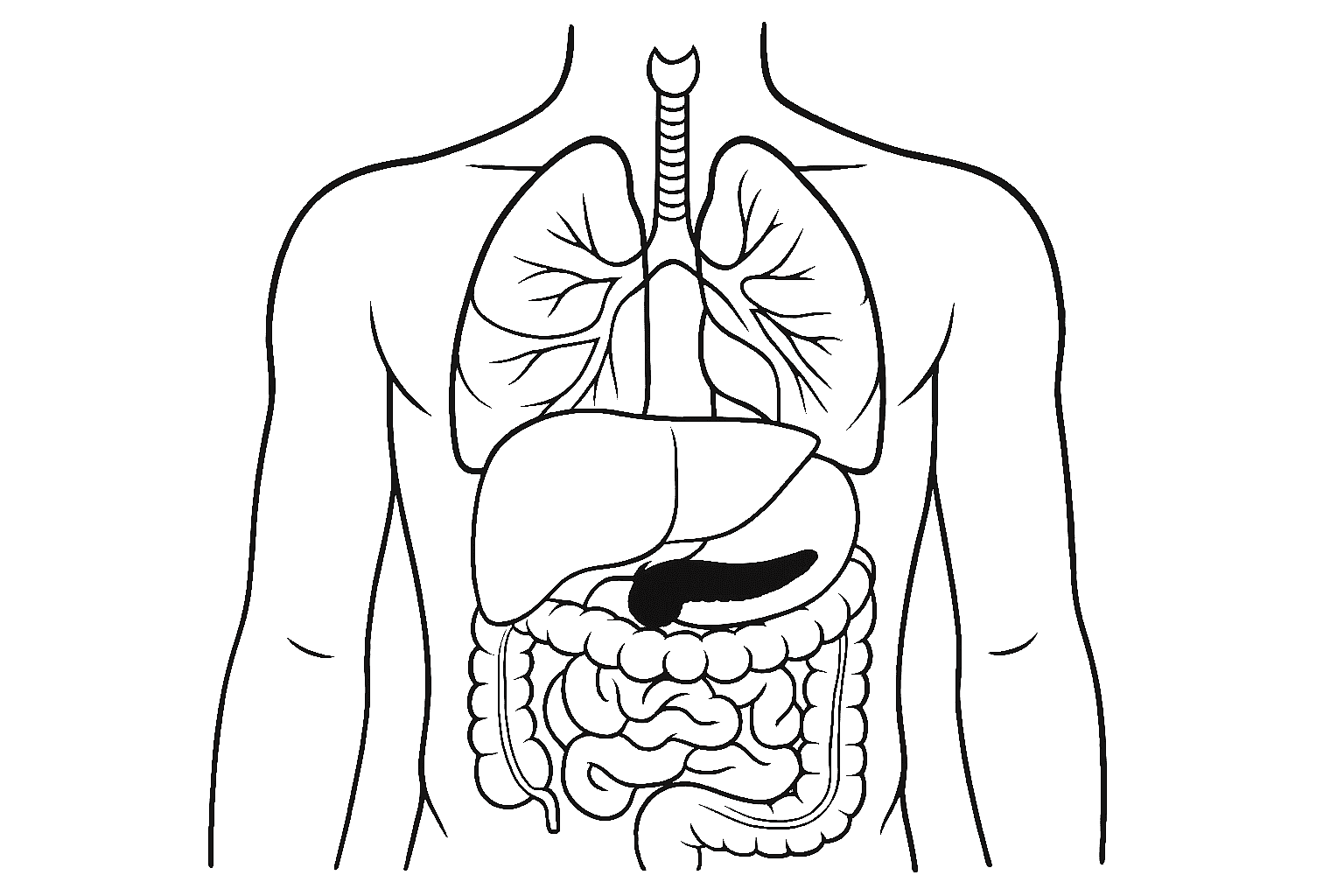
The pancreas is a small gland located behind the stomach, and it plays a vital role in both digestion and blood sugar regulation. It produces gastric juices that help digest food and extract nutrients, and it also produces insulin, which controls blood glucose levels.
When the pancreas becomes overburdened, inflamed, or damaged—whether from poor diet, stress, or toxicity—our metabolism can be disrupted, and the risk of diseases such as pancreatitis, pancreatic insufficiency, and cancer increases. The late Steve Jobs, co-founder of Apple, battled pancreatic cancer for years and reportedly used herbal remedies to help extend his life.
Fortunately, many medicinal plants have been traditionally used to support the health of the pancreas. These herbs can be consumed as teas, tinctures, or capsules. Here are some of the most effective:
- Licorice Root (Glycyrrhiza glabra)
Licorice is known for its wide range of health benefits and has long been used to support pancreatic function. It also benefits the respiratory system, making it useful for conditions like asthma and colds. However, individuals with high blood pressure should use it with caution, as it can raise blood pressure. - Dandelion (Taraxacum officinale)
Often dismissed as a common weed, dandelion is a powerful digestive aid. It stimulates bile production, easing the burden on the pancreas and liver. Dandelion may also help reduce the growth of cancerous cells in the pancreas. Take it as a tea or tincture at least once a day. - Cinnamon (Cinnamomum verum)
This aromatic spice improves digestion and lowers blood sugar levels, making it very beneficial for the pancreas. Drink it as a tea or take it as a tincture, especially in the afternoon. - Quassia (Quassia amara)
Rich in herbal actives including chlorophyll, Quassia is used in Latin America to reduce fevers and fight infections. It supports immune function, aids in digestion, and helps remove intestinal parasites—all of which indirectly support the pancreas. - Green Tea (Camellia sinensis)
Green tea is a powerful antioxidant that helps with digestion, boosts immunity, and supports weight loss. For best results, drink it in the afternoon with a splash of lemon juice to also support kidney health.
You can choose any of these herbs—or combine several—to help maintain pancreatic health. Consistency is key, so take your chosen herbs daily as teas, tinctures, or capsules.
In addition to using herbs, support your pancreas by eating an alkaline, balanced diet low in fats, salt, and refined flours. Include plenty of seasonal fruits, green leafy vegetables, and freshly made natural juices.
#PancreasHealth
#HerbalRemedies
#LicoriceRoot
#DandelionBenefits
#CinnamonHealth
#QuassiaHerb
#GreenTeaBenefits
#NaturalHealing
#BloodSugarSupport
#DigestiveHealth
#PlantMedicine
#HolisticWellness
Managing Hot Flashes Naturally
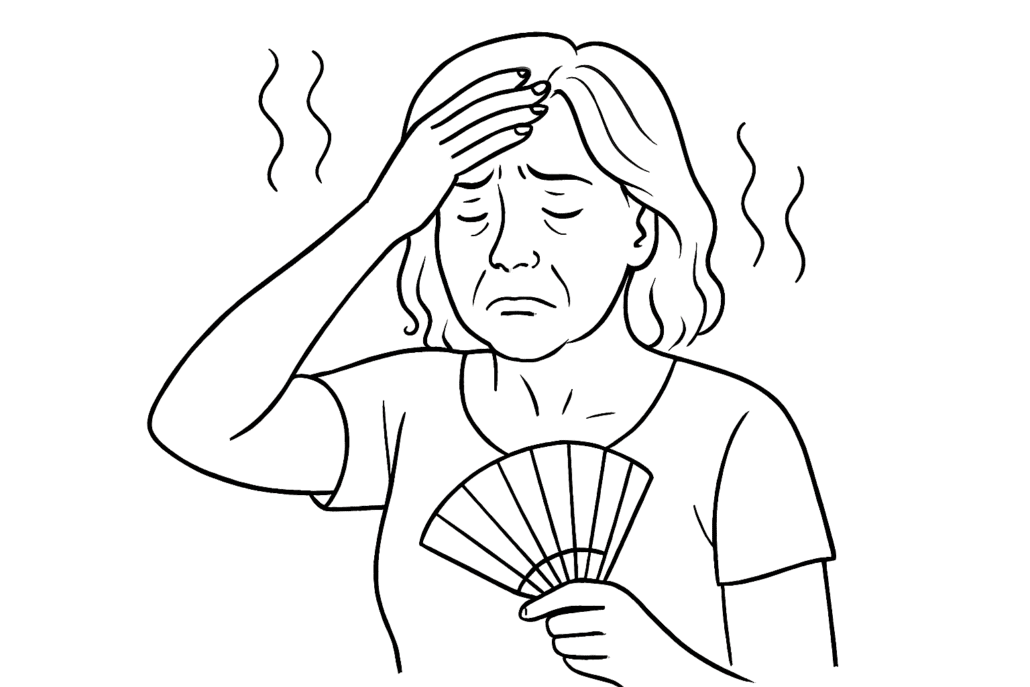
Hot flashes are caused by hormonal fluctuations during transitions that women go through during their reproductive life. When hot flashes occur, organs don’t receive the correct signals to function adequately, leading to hormonal imbalances. Hormones are chemical messengers that control every organ in the body.
While the exact way hormones interact with the brain isn’t completely understood, there is a clear link between fluctuations in the female sex hormones—estrogen and progesterone—and regulation of the hypothalamus, the body’s thermostat. A lack of estrogen can confuse the hypothalamus into believing the body is overheating, triggering the brain to signal blood vessels to dilate and cool the body. The result: sweating and a sensation of heat.
This is why women experience hot flashes during times of hormonal imbalance such as puberty, PMS, menstruation, pregnancy, postpartum, and menopause. If estrogen and progesterone levels are not properly regulated, women may also experience psychological and physiological symptoms.
Causes and Contributing Factors
Specific hormonal changes and other factors can influence how a woman experiences hot flashes. Common contributing phases include:
- Puberty – A girl’s body begins producing reproductive hormones, which can trigger hot flashes.
- Pregnancy – Constant hormonal changes and weight gain can lead to hot flushes.
- Postpartum and Breastfeeding – Hormonal shifts following childbirth may cause hot flashes.
- Menopause – This transitional period involves a steady drop in reproductive hormones.
Although the full mechanism is complex and not entirely understood, most researchers agree that hormonal changes are the primary cause. Pre-existing conditions and lifestyle choices can also increase a woman’s risk.
Risk Factors
Psychological, behavioral, and health-related factors may increase the likelihood of hot flashes by influencing hormone levels. These include stress, poor sleep, diet, and underlying health conditions.
Common Symptoms of Hot Flashes
- Sudden wave of heat, especially in the upper body (face and neck)
- Flushed skin
- Excessive sweating
- Rapid heartbeat or palpitations
- Occasional nausea, headaches, and anxiety
How Hot Flashes Are Diagnosed
Hot flashes can sometimes be disruptive enough to affect daily life. Diagnosis may involve identifying additional signs of hormonal imbalance, including:
- Irregular or rapid heartbeat
- Abnormal blood pressure or temperature fluctuations
- Lab testing of reproductive hormone levels
Although hot flashes are not medically dangerous, they can impact social interactions, sleep, and emotional wellbeing. Women with hormone imbalances may also experience depression or anxiety.
Natural Treatments for Hot Flashes
The first step in managing hot flashes naturally is adopting a healthy lifestyle with good nutrition, regular exercise, and supportive habits. Treatment options include:
- Pharmaceuticals: Contraceptives, Selective Serotonin Reuptake Inhibitors (SSRIs), and Hormone Replacement Therapy (HRT). Note: HRT has a history of side effects.
- Herbal Therapies: Used for centuries, many herbs are rich in phytoestrogens—plant-based compounds that mimic estrogen by binding to estrogen receptors in the body.
Effective Herbal Remedies
- Turmeric Tincture: Contains Curcuma longa and piperine; supports liver detox and helps balance hormones during menopause.
- Licorice Root Tincture: Taking licorice extract three times a day for 8 weeks has been shown to reduce the severity and frequency of hot flashes. Rich in phytoestrogens.
- Valerian Root Tincture: Helps reduce hot flash intensity, improves sleep, and positively influences serotonin levels.
- Black Cohosh Tincture: Traditionally used by Native American cultures to relieve menopause symptoms. Note: Not recommended for women with estrogen-sensitive conditions such as breast, ovarian, or uterine cancer.
With the right combination of natural treatments and lifestyle changes, many women can significantly reduce or even eliminate hot flashes without the use of pharmaceuticals.

