
Sleep Apnea & the Importance of Sleep
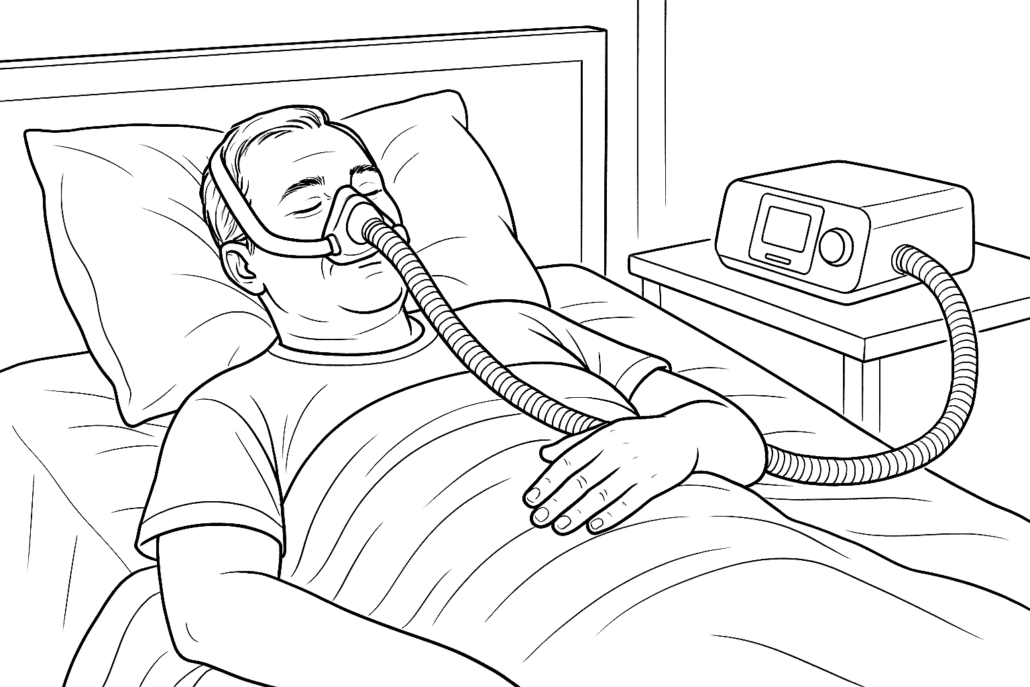
Sleep is essential for good health. Lack of sleep increases the risk of obesity, diabetes, cardiovascular disease, and other chronic illnesses. It may also elevate the risk of dementia, which can eventually lead to Alzheimer’s disease.
Understanding Obstructive Sleep Apnea (OSA)
OSA is a common sleep disorder that occurs when the upper airway repeatedly collapses during sleep, interrupting normal breathing. It affects people of all ages, though the risk increases with age.
In adults, the most common cause of OSA is excess weight or obesity. Soft tissue in the mouth and throat can relax too much during sleep, leading to airway obstruction.
Men with OSA often snore loudly—likened to a truck engine. In contrast, women may experience insomnia, fatigue, headaches, depression, and anxiety—symptoms often overlooked or misattributed, especially during menopause.
Treatment Options for Sleep Apnea
Positive airway pressure (PAP) therapy uses compressed air to keep airways open during sleep. It has been shown to reduce the likelihood of dementia, including Alzheimer’s disease, in older adults with OSA.
The most common form, continuous positive airway pressure (CPAP), delivers a steady stream of air through a mask. While effective, CPAP machines can be noisy and uncomfortable. Cold, dry air may irritate the eyes and sinuses, but adding a heated humidifier can help—just avoid setting it too high to prevent condensation buildup.
Left untreated, OSA can be life-threatening, increasing the risk of sudden cardiac death. Addressing sleep issues is critical for long-term health.
Lifestyle Changes for Sleep Apnea
- Lose excess weight
- Practice yoga or regular exercise to boost energy, heart health, and sleep quality
- Modify sleep position—sleep on your side or stomach rather than your back
- Use a humidifier with temperature control
- Quit smoking
Herbal Remedies for Sleep Apnea
- Chamomile: Take as a tincture or tea to improve sleep quality
- Valerian root: Used for centuries to treat sleep disorders
- Lemon balm: A citrus-scented mint family herb for stress, anxiety, and insomnia
- Passionflower and Valerian: Combined tinctures enhance sleep quality
- Magnolia and Tila flower tincture: Help with anxiety and insomnia
- Tila flower and St. John’s Wort: Ease stress and improve sleep
- Tart cherry juice: Helpful when you have trouble falling asleep
- Kiwi and romaine lettuce: May improve sleep time and efficiency
- Nettle tincture: A natural antihistamine during allergy season; may cause drowsiness
- Walnuts: Contain melatonin—ideal as a bedtime snack
#SleepApnea
#BetterSleep
#OSA
#NaturalRemedies
#HerbalSleepAid
#CPAP
#TilaFlower
#NaturallyMazcal
Skin Problems
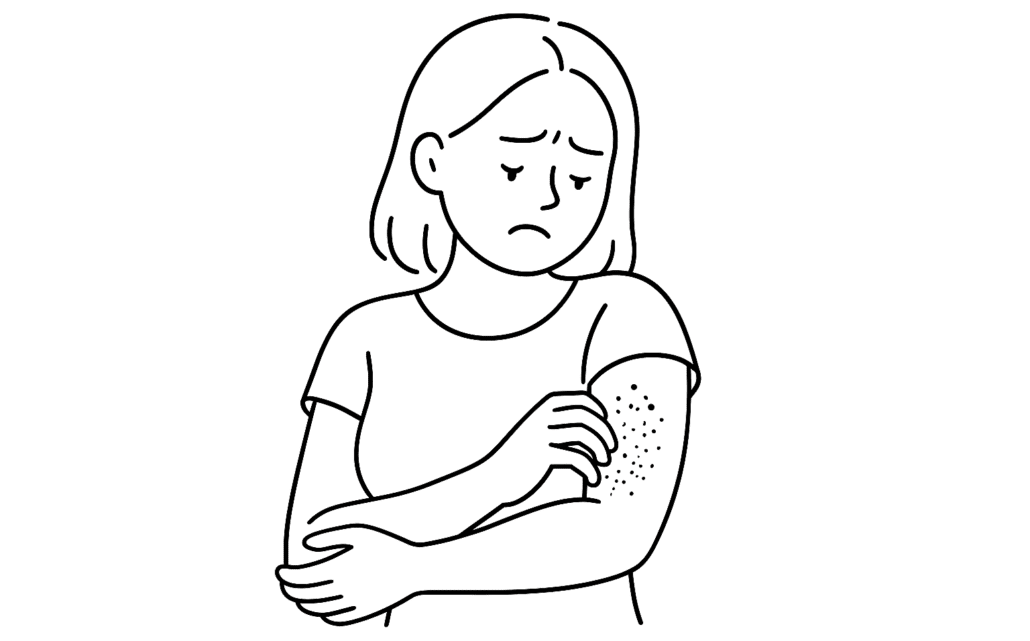
I have published several articles about skin problems in the past, including carcinoma, melanoma and shingles. I want to review several other skin conditions and how to tend to them.
Vitiligo and White Patches
Vitiligo is a long-term condition where pale white patches develop on the skin. It’s caused by the lack of melanin, the pigment that gives color to your skin, hair, and eyes. Vitiligo can affect any skin area, but it commonly appears on the face, neck, hands, and skin creases.
Vitiligo occurs when melanocytes stop making melanin. Without melanin, white patches form. Treatment depends on severity and may include topical creams, ultraviolet light therapy, oral medications, or skin grafts.
Turmeric (Curcuma longa) is one of the most frequently used herbs for vitiligo. When mixed with mustard oil, turmeric stimulates pigmentation. Apply this mixture to affected areas for 20 minutes. Other helpful herbs include Angelica Sinensis, Ligusticum wallichii, Tribulus Terrestris, Polygonum multiflorum, Fructus psoraleae, Radix Paeoniae Rubra, Rehmannia glutinosa, Glossy Privet Fruit, Eclipta alba, Salvia miltiorrhiza, Liquorice, and Angelica dahurica.
Calcium and vitamins D and E deficiencies can cause white patches. While harmless, they suggest a need for sun exposure and a more balanced diet.
Remedies for White Patches
- Drink water and consume food from copper vessels
- Eat figs regularly
- Drink ginger juice to boost blood flow to white patches
- Dry and powder pomegranate leaves and apply topically
Understanding Psoriasis and Eczema
Thick white scales are typical of psoriasis, a chronic autoimmune condition causing overproduction of skin cells. The dead skin builds up into silvery-white scales.
Skin lesions associated with vitamin B12 deficiency include hyperpigmentation, vitiligo, angular stomatitis, and hair changes. Unresponsive skin lesions may indicate a B12 deficiency, often due to malabsorption.
Psoriasis and vitiligo may spread slowly over years. Regular use of coconut oil on white patches can help fight fungi, bacteria, and inflammation.
Actinic Keratosis
Actinic keratosis (AK) is considered a pre-cancerous skin condition that may develop into squamous cell carcinoma. Early detection allows for treatment before progression.
How to Spot Actinic Keratosis
- Texture: Flat to slightly raised, scaly, crusty, or rough. May develop a horn shape.
- Color: Red, tan, pink, skin-colored, brown, or silvery.
- Size: From tiny spots to an inch in diameter.
- Location: Commonly on sun-exposed areas such as the face, lips, ears, scalp, neck, shoulders, and hands.
AKs are often felt more easily than seen. Affected skin may feel dry, raw, painful, itchy, or inflamed. In rare cases, ulceration, bleeding, or persistent sores occur. Red bumps and thick, scaly patches can appear on the forehead, scalp, and hands.
What You Can Do
If you have a history of unprotected sun exposure or live in a sunny climate, monitor your skin for unusual changes. Develop sun-safe habits. Use Naturally Mazcal skin creams and sun protection. Avoid exposure between 10 AM and 4 PM, use a broad-spectrum UVA/UVB sunscreen like Naturally Mazcal Sun Protectant Day Cream, and wear sun-protective clothing.
#SkinHealth
#VitiligoRemedies
#EczemaRelief
#PsoriasisSupport
#ActinicKeratosis
#HerbalHealing
#SunSafety
#NaturallyMazcal
Shingles

Shingles is an infection caused by the varicella-zoster virus (VZV), the same virus responsible for chickenpox. After recovering from chickenpox, the virus remains dormant in your body and may reactivate later in life as shingles—a painful rash that typically forms in a cluster on one side of the body. Pain often lingers even after the rash disappears. One known trigger for reactivation is stress.
Common Symptoms of Shingles
- Headache
- General malaise
- Rash (appears a few days after initial symptoms)
- Fever
- Light sensitivity
- Fatigue
- Tingling or painful sensation on the skin
Conventional Treatments
There is no cure for shingles. Antiviral drugs such as acyclovir, valacyclovir, and famciclovir are often prescribed to manage the infection. Paracetamol may be used to relieve pain. However, some individuals may experience a complication called postherpetic neuralgia, where nerve fibers are damaged, leading to prolonged pain for weeks or months after the rash heals.
According to health guidelines, individuals should stay home from work or school if the rash is still oozing fluid and cannot be covered, or until it has dried out.
Shingles itself is not contagious. However, someone who has never had chickenpox or been vaccinated for it may contract chickenpox if exposed to the fluid from a shingles rash.
Natural Remedies for Shingles
Natural approaches can reduce pain and support healing. Clean the blisters daily using room temperature water to reduce spreading and soothe discomfort. After washing, dry the area thoroughly and sterilize towels to prevent cross-contamination.
To relieve pain, apply a cool, damp cloth compress to the affected area. Do not use ice packs, as they may worsen skin sensitivity. Avoid scratching the rash to prevent scarring and prolonging the healing process.
Use soothing lotions with ingredients like Heliopsis longipes (Crepey cream) or capsaicin (found in chili peppers) to reduce inflammation. Capsaicin cream may cause temporary increased pain before providing relief. Calamine lotion after bathing can also soothe the skin and dry out blisters.
Support Healing with Diet
Strengthen the immune system by eating foods rich in vitamins A, B-12, C, E, and the amino acid lysine. Recommended foods include:
- Beans
- Chicken
- Eggs
- Orange and yellow fruits
- Leafy green vegetables
- Legumes
- Tomatoes
- Red meat
- Wild-caught fish
- Whole grains
Avoid foods that may worsen symptoms:
- High-sugar foods and juices
- Chocolate, gelatin, and nuts
- Refined carbohydrates
- Foods high in saturated fat
Herbal Supplements and Support
Several herbal remedies can support the immune system and alleviate associated stress and anxiety:
- Echinacea tincture or tea
- Green tea
- Oregano oil or tincture
- St. John’s Wort tincture or tea
Natural and alternative medicine emphasizes the body’s innate ability to heal when properly supported. By combining herbal approaches with immune-supportive nutrition and rest, it is possible to manage shingles effectively and recover more comfortably.
#ShinglesRelief
#NaturalHealing
#HerbalRemedies
#SkinHealth
#CapsaicinCream
#ImmuneSupport
#HolisticWellness
#LysineDiet
#ShinglesRecovery
#AlternativeMedicine

