
Lower LDL Cholesterol – Naturally
LDL (low-density lipoproteins) is often called “the bad” cholesterol because a high LDL level leads to a buildup of cholesterol in your arteries. But what should your LDL level be?
| LDL (Bad) Cholesterol Level | LDL Cholesterol Category |
|---|---|
| Less than 100 mg/dL | Optimal |
| 100–129 mg/dL | Near optimal |
| 130–159 mg/dL | Borderline high |
| 160–189 mg/dL | High |
LDL is the storage system of cholesterol. This is the cholesterol preferred for deposition when insulin levels rise. As you accumulate risk factors, 100 mg/dL or below is best—especially if you have documented heart history, vascular disease, or diabetes.
How can you lower your LDL cholesterol besides just using drugs?
A healthy lifestyle positively impacts your cholesterol profile regardless of the particle type. A healthy diet, regular exercise, and weight control all contribute to lowering LDL.
The only thing that helps raise HDL but not lower LDL is alcohol consumption. Alcohol may even increase LDL due to the sugars it contains, which stimulate insulin release.
Myth: Many people believe that to lower LDL, they should reduce cholesterol or fat in their diet. Reducing saturated and trans fats helps, but it’s more important to cut back on simple and processed carbohydrates and starchy foods such as bagels, white rice, cakes, cookies, chips, candy, and potatoes.
The worst cholesterol profiles are linked to highly processed carb diets. These carbs are digested quickly, spike blood sugar, and trigger insulin—a storage hormone that increases LDL levels.
Fiber and plant sterols are important for controlling LDL levels. Every time you eat, your liver and gallbladder release cholesterol-rich bile. If not used during digestion, bile is usually reabsorbed.
Plant sterols from vegetables, fruits, wheat germ, beans, chia seeds, and sunflower seeds can block this reabsorption. Fermented foods like Maz-Mix are high in fiber, prebiotics, probiotics, vegetable protein, and omega-3.
Plant sterols mimic bile enough to block absorption but are different enough not to be absorbed themselves. This wastes bile and leads to lower LDL. That’s why plant-based diets high in fiber and sterols tend to result in better LDL levels.
Even if your numbers don’t immediately improve, the lifestyle changes you make are still beneficial and should be continued. Most people may still need medication to reach LDL goals, but drugs are no substitute for a healthy lifestyle.
Cutting down on saturated fat is another way to lower cholesterol and protect your heart. Replace some saturated fats with:
- Vegetable oils such as olive, sunflower, nut, and seed oils
- Avocados, nuts, and seeds
- Fat spreads made from vegetable oils
- Oily fish like salmon, sardines, trout, herring, and mackerel (aim for two servings a week)
We don’t lower LDL just to improve lab results—we do it to reduce heart disease risk. Avoiding cholesterol-lowering drugs may be possible if you maintain a healthy weight, eat right, stay active, and don’t smoke. These habits lower LDL and protect your heart, regardless of your lab numbers.
Liver Regeneration – Naturally
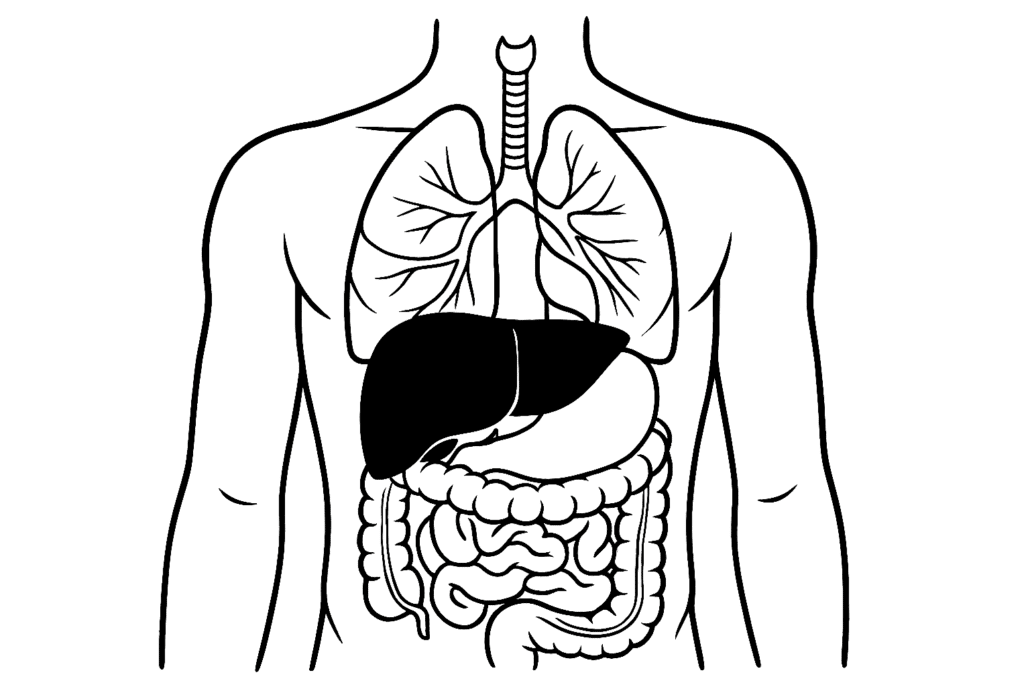
The liver is the largest internal organ in the human body, located on the upper right side of the belly, beneath the rib cage. It has two large lobes and is made of lobules—specialized tissues that transport blood and cells. The liver receives blood from both the gastrointestinal tract and the heart through two main veins. It connects with other digestive organs via a network of tubes that collect bile, digest food, and remove waste.
As the central detoxification organ, the liver constantly communicates with the body, receiving information about nutrient levels and potential threats like medications, heavy metals, and toxins. A healthy liver ensures efficient metabolism, strong circulation, hormone balance, clean blood, and proper digestion.
Benefits of a Healthy Liver
- A positive mood and sharper mind
- Clear skin
- Fresh breath and oral health
- Relief from sinus pain
- Fewer infections
- Increased energy levels
- Improved digestion and regularity
- Stronger immunity
Main Functions of the Liver
- Breaks down and removes excess hormones
- Filters blood from the digestive tract, stores blood, enables blood clotting, and removes damaged blood cells
- Produces bile
- Converts nutrients for absorption
- Distributes nutrients throughout the body and maintains ideal levels
- Eliminates toxic waste
- Stores essential vitamins and minerals
- Regulates fat conversion; creates triglycerides and cholesterol
- Converts carbohydrates into glucose for energy storage
Liver Regeneration Capacity
The liver has an exceptional ability to regenerate—even with only 25% of it remaining healthy, regeneration is still possible. However, severe scarring inhibits regeneration and may lead to liver failure.
Types and Symptoms of Liver Disease
Liver disease is a major global health issue. In North America, one in ten people is affected. Common liver diseases include:
- Alcoholic liver disease: Caused by heavy alcohol consumption
- Cirrhosis: Scar tissue replaces healthy cells
- Non-alcoholic fatty liver disease: Often linked to obesity, metabolic syndrome, and type 2 diabetes
- Liver cancer
- Liver failure: Occurs when scarring becomes so severe that liver function stops
Symptoms may be absent in early stages, but as inflammation and scarring worsen, signs become more noticeable:
- Abdominal pain, typically in the center or upper right
- Bloating and gas
- Easy bruising, acne, and excessive sweating
- Confusion and difficulty concentrating
- Constipation
- Dark urine, pale or tar-colored stool
- Dry, dark skin patches (neck, underarms)
- Fatigue
- Enlargement or shrinking of the liver
- Nausea, vomiting, loss of appetite, weight loss
- Swelling in the legs and ankles
- Yellowing of the skin (jaundice)
- Overall weakness
Natural Ways to Regenerate the Liver
Juicing vegetables enhances nutrient absorption and supports liver detoxification. Ideal vegetables include:
- Asparagus
- Broccoli
- Brussels sprouts or cabbage
- Cauliflower
- Celery
- Beets
- Carrots
- Cucumber
- Leafy greens like kale, spinach, dandelion, watercress
Herbs also play an essential role in liver health:
- Parsley, mint, cilantro, and basil: Support the digestive system
- Ginger root: Anti-inflammatory and aids digestion—use in stir-fries, soups, or salads
- Dandelion: Promotes bile flow, acts as a diuretic, and supports toxin removal
- Milk thistle: A powerful detoxifier that rebuilds liver cells and protects against alcohol, pollution, and heavy metal damage
Maintaining liver health is key to overall wellness. Support your liver naturally through a nutrient-dense diet, detoxifying herbs, and lifestyle choices that minimize toxin exposure.
Live Longer – Eat Hot Chili Peppers

Thousands of studies clearly show that the spicy flavor of hot chili peppers can help you live longer. The active compounds called capsaicinoids—primarily capsaicin and dihydrocapsaicin—are the chemical substances that give chilies their spiciness and that familiar burning sensation.
When you eat chilies, the commotion produced in the mouth by the capsaicinoids is recorded by the pain receptors, not the taste buds, as many people think. These pain receptors send a message to the brain, warning that something is burning. In response, the body begins to sweat and produces copious amounts of endorphins to suppress the pain. This is why so many people enjoy spicy food—endorphins not only suppress pain but also trigger a positive feeling in the body, similar to that of morphine.
Capsaicin is well-known for its pain-relieving properties. It affects neurotransmitters and stimulates nerve endings to communicate with the brain. Chili peppers also help regulate blood glucose, and they have anti-inflammatory, antioxidant, and anti-cancer properties. Many additional health benefits have been attributed to capsaicin, including lowering the risk of type 2 diabetes.
All that spiciness, heat, and burning sensation make you statistically less likely to die from heart disease, cancer, or any other cause compared to people who rarely or never eat chili peppers.
Sweet Peppers Count, Too
Not all chilies are hot and spicy. Sweet peppers, such as cherry, cone, green, and paprika, contain a good source of capsaicin when consumed regularly.
Chili peppers have more vitamin A than carrots and more vitamin C than oranges. They stimulate the flow of saliva and gastric juices, leading to better digestion of proteins found in beans, corn, and other legumes.
Some people struggle with eating chilies raw or in salsa due to an unfamiliarity with the fruit or because their gut biome is in poor condition. These individuals often suffer from stomach or intestinal issues like colitis, acid reflux, IBS, or gas. Fixing gut problems by using digestive support like Maz-Mix digestive formula can help rebuild gut health and allow you to gradually enjoy spicier foods for a longer, healthier life.
A Mexican Treasure
Chili peppers come in many varieties—Mexico alone has more than 150 different types. Chilies are actually a fruit, and when combined with vegetables, nuts, and other fruits, they offer thousands of recipe combinations with amazing flavors. For many Mexicans, a meal isn’t complete without some kind of salsa.
The most commonly used chilies in Mexico include chile de arbol, cascabel, habanero, jalapeño, chipotle, serrano, pasilla, chile piquín, green pepper, and chile poblano. Mexican cuisine depends on chilies—dishes like pozole, mole, adobo, tacos, and tamales simply wouldn’t be the same without salsa as a key ingredient.
A Bit of History
Archaeological digs and studies of ancient clay cooking pots have revealed traces of capsaicinoids. The native people of central Mexico had fully domesticated chili peppers more than 8,000 years ago. The word “chili” comes from the Nahuatl (Aztec) language.
My friend Bill Givens, a retired Canadian chef and self-acknowledged addict of Mexican cuisine, and I took a trip 22 years ago when traveling was still fun. Our goal was to explore various regions of Mexico and eat the local salsas. What was intended to be a one-month trip lasted over two months and turned into an extraordinary culinary journey.
We traveled from the U.S. to Tijuana, then down the west coast of Mexico to Cancún, and returned via the Gulf of Mexico. It was the most incredible gastronomic experience of my life. We ate salsa everywhere—restaurants, posadas (B&Bs), local markets (tianguis), and even in people’s homes. We never had the same salsa twice.
Chilies continue to play a huge role in Mexico’s rich culinary traditions—and now, science shows they also play a role in promoting health and longevity worldwide.

