
Heavy Metals Toxicity
Detox Naturally
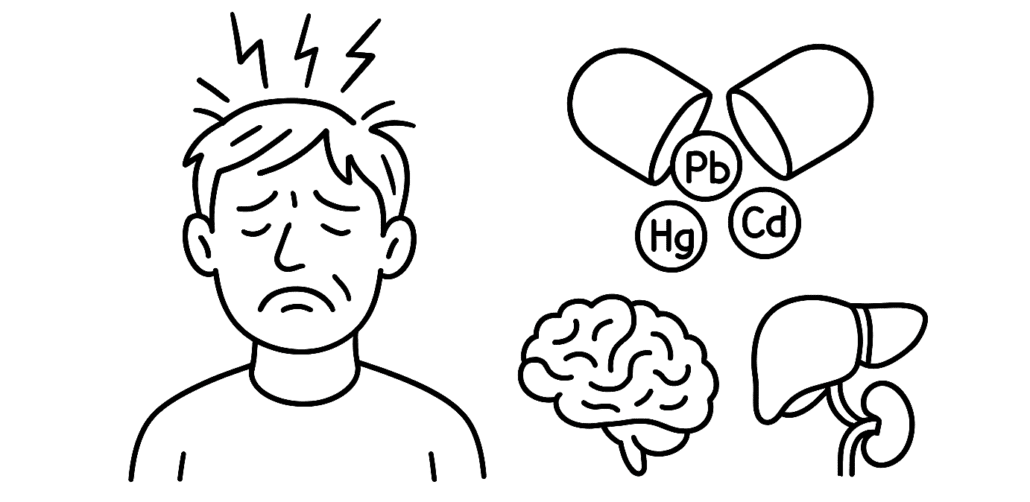
Heavy metals are considered systemic toxicants; they poison multiple areas of the body and induce organ damage at any level of exposure.
Exposure to heavy metals has been linked to Alzheimer’s disease, alopecia (hair loss), depression, fatigue, glucose intolerance, nutrient malabsorption, Parkinson’s disease, inadequate testosterone production, and vision problems.
We should be most concerned about aluminum, arsenic, cadmium, chromium, lead, and mercury. Exposure to these toxic metals comes from our environment, workplace, food, or water supply.
For example, the effects of mercury-laden fillings are alarming. These fillings are one of the top contributing causes of mercury poisoning, which can result in tremors, insomnia, headaches, nerve damage, kidney problems, and respiratory failure.
Recognizing Exposure
How can we identify exposure to any of these toxic metals? One common sign is chronic low energy, as heavy metals interfere with mitochondrial ATP production—the basic unit of energy in your cells—and disrupt enzyme function, which is essential for metabolism.
Understanding the symptoms and chronic conditions associated with heavy metal toxicity is critical to diagnosis and treatment.
Focus on Aluminum Toxicity
Today, we’ll focus on aluminum toxicity. Exposure to aluminum is common through food, water, and even air. It can also come from aluminum cookware, cans, overuse of antacids, antiperspirants, and cosmetics.
Hair analysis shows that nearly 80% of people tested have elevated aluminum levels in their hair.
Aluminum is linked to numerous health issues including Alzheimer’s disease, Parkinson’s disease, anemia, colic, and dental caries, yet it remains classified as a non-carcinogen.
Doctors may prescribe the chelating medication deferoxamine to treat aluminum toxicity.
Aluminum and Breast Cancer
The potential connection between aluminum in deodorants and breast cancer is especially concerning. Aluminum is known to cause neurotoxicity—damage to the central and/or peripheral nervous system.
Recent studies confirm that many people are still exposed to dangerous levels of aluminum. It’s essential to monitor all sources of exposure, including deodorant, cooking tools, and packaging materials.
Common Sources of Aluminum Exposure
- Cosmetics and personal care products
- Food packaging
- Cooking tools: Researchers warn that uncoated aluminum cookware and aluminum-based cosmetics may cause individuals to exceed safe exposure limits.
How to Avoid Aluminum Exposure
- Cosmetics and Personal Care: Check your deodorant and toothpaste first, then examine products like eye shadow, mascara, eyeliner, blush, nail polish, sunscreen, hair dye, face masks, and hairspray.
- Use Alum Crystal: Consider switching to an Alum Crystal deodorant, made of the natural mineral salt potassium alum, which has antimicrobial properties and has been used for centuries.
- Avoid Aluminum Cookware: Do not prepare or store food in uncoated aluminum pots, pans, or foil, especially acidic or salty foods, which accelerate leaching.
- Be Cautious with Takeout: Many restaurants use aluminum foil or containers for leftovers. Transfer your food to safer containers as soon as possible.
Detoxification and Elimination
- Chelation Therapy: The most effective medical treatment for heavy metal toxicity, where chelating agents bind to metals so they can be excreted.
- High-Dose Vitamin C: Can also act as a natural chelating agent.
- Urinary Elimination: Aluminum is primarily excreted through urine. Milk thistle tonic and dandelion root tincture, along with adequate water intake, aid the detox process.
- Skin Detox: Take hot baths with Epsom salts to encourage toxin elimination through the skin.
- Water Purification: To remove aluminum from drinking water, use reverse osmosis, distillation, or deionization filtration methods.
Stop Hair Loss Naturally
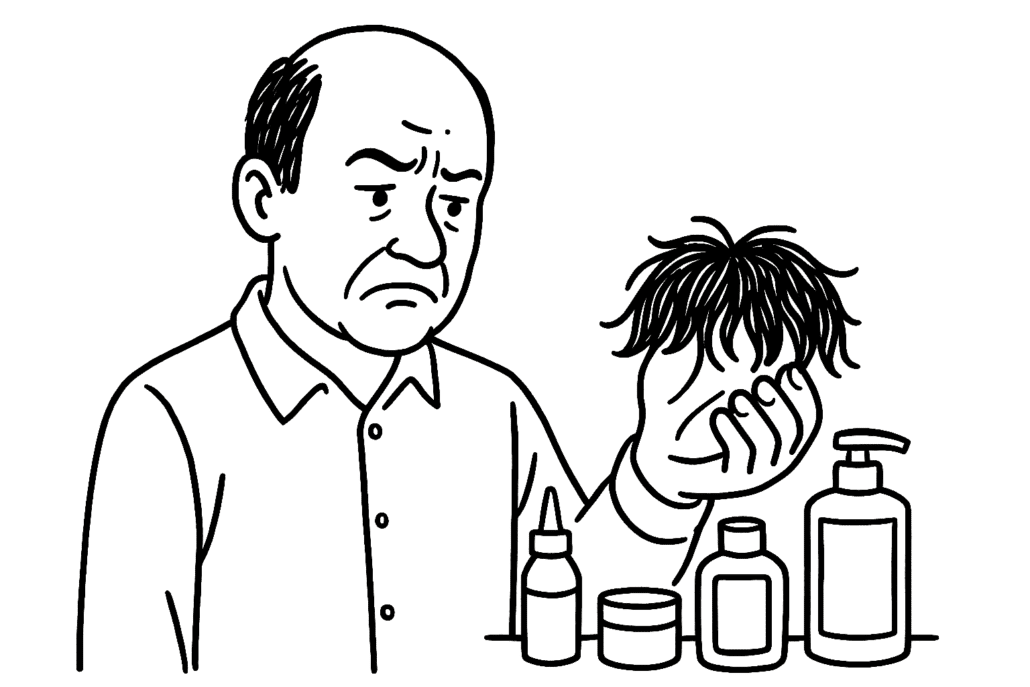
Why does hair fall out? The hair on your head goes through a life cycle that involves growth, resting, and shedding. It’s natural to lose some hair, but if you experience sudden loss, patchy thinning, or overall shedding, don’t panic—keep reading.
Some shedding is temporary and can respond well to changes in diet, natural remedies, or lifestyle adjustments. By age 40, both men and women may experience hereditary hair loss, such as androgenic alopecia (male pattern baldness) or female pattern baldness.
Other Causes Of Hair Loss
- Medical conditions such as surgery, alopecia, scalp infections, or hair-pulling disorder (trichotillomania)
- Hormonal changes from pregnancy, childbirth, menopause, or thyroid disorders
- Medications for cancer (chemotherapy), high blood pressure, depression, or arthritis
- Physical or emotional stress
- Styling practices including tight ponytails or cornrows
Understanding Hair
Hair follicles are tiny openings in the skin that grow hair. The average person has about 100,000 follicles on the scalp. The root is composed of protein cells and nourished by blood vessels. Hair grows out of the skin and is nourished by sebaceous glands that produce oil for the scalp and strands.
Hair Growth Cycles
- Anagen (Growth) Phase: Hair actively grows from the root.
- Catagen (Transition) Phase: Growth slows, and the follicle shrinks.
- Telogen (Resting) Phase: Old hair falls out, making way for new hair from the same follicle.
Hair follicles go through these phases independently, creating a continuous cycle.
Diet Tips To Prevent Hair Loss
- Follow an alkaline diet rich in raw, organic vegetables and herbs like rosemary, parsley, basil, and leafy greens.
- Consume protein-rich foods such as eggs, nuts, beans, fish, chia, herbal Maz-mix, chicken, and turkey.
- Include vitamin-rich foods like sweet potatoes, sweet peppers, spinach (vitamin A); berries and citrus (vitamin C); and foods high in vitamin D, iron, zinc, and selenium.
- Biotin (vitamin H or B7) supports fatty acid synthesis essential for the hair life cycle.
Hair Habits That Support Growth
- Washing: Cleanse hair daily with an herbal or natural shampoo to maintain scalp health. Avoid synthetic shampoos that can dry hair and cause breakage.
- Styling: Avoid tight hairstyles that pull on roots. Let your hair air dry. Limit heat from curling irons or straighteners.
- Processing: Avoid chemical treatments like perms or coloring agents that contain ammonia or peroxide.
Medical Treatments For Hair Loss
- Laser Therapy: Also called red light therapy, used to support regrowth after chemotherapy.
- Platelet-Rich Plasma (PRP): Injecting PRP into the scalp may stimulate growth.
- Minoxidil (Rogaine): Effective in about 50% of users. Side effects can include irritation, acne, blurred vision, or irregular heartbeat.
- Finasteride (Propecia): Prescription medication for hair loss. Not suitable for pregnant women or those trying to conceive.
Natural Remedies For Hair Growth
If you’re looking to regrow lost hair or strengthen what you have, try these proven natural solutions:
- Saw Palmetto: Extract from palm fruit that supports hair growth in men and women.
- Ginseng: Contains phytochemicals that stimulate hair growth.
- Coconut Oil: Protects hair from UV damage and breakage. Massage into scalp for improved blood flow.
- Olive Oil: Deeply conditions and protects against dryness and breakage. Apply 2 tablespoons, leave for 30 minutes, then wash out.
- Red Onion Juice: Shown to promote regrowth in alopecia sufferers.
- Scalp Massage: Just 4 minutes daily helps increase circulation and stimulate growth.
- Stinging Nettle (Urtica Dioica): Tinctures support hair regrowth.
- Yoga: Stress-related hair loss may improve with regular practice.
All hair regrowth treatments require time. Results may begin in a month, but full benefits can take up to a year.
Gout And Uric Acid Relief – Naturally
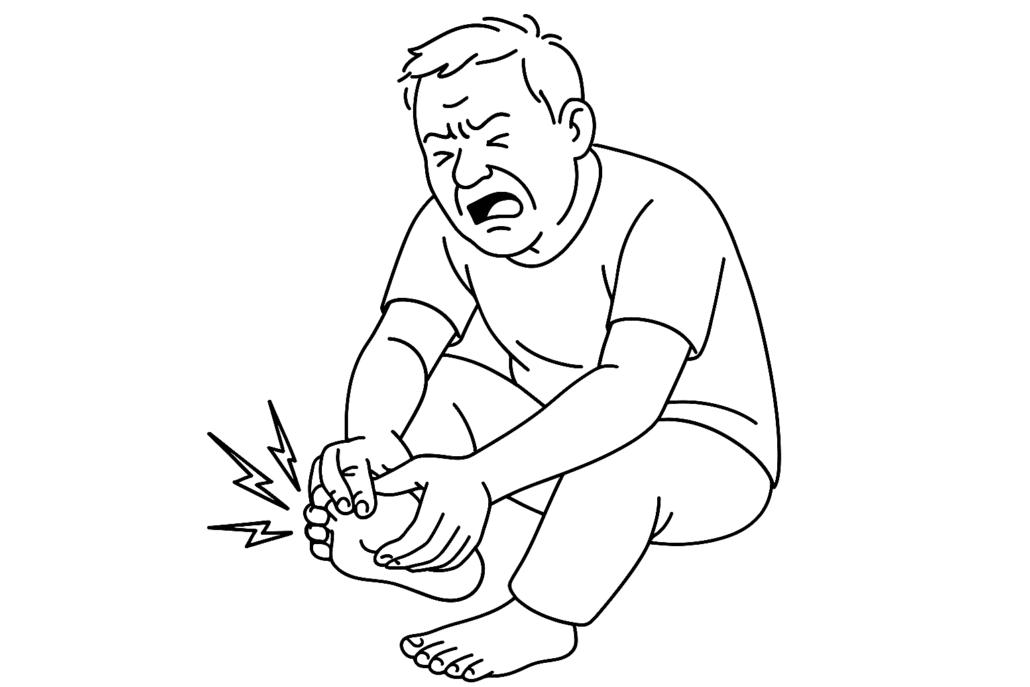
Gout is a type of arthritis caused by excessive uric acid in the body. It usually appears suddenly with intense pain, often affecting the joint at the base of the big toe. It may also impact joints in the fingers, elbows, wrists, heels, or knees. Affected joints become red, inflamed, and stiff, with limited mobility. Recurrent episodes can lead to chronic gout and permanent joint damage. Some individuals also develop small, painful white lumps beneath the skin called tophi, which are deposits of urate crystals.
Severe pain typically lasts about three days with treatment and up to 14 days without. With chronic gout, the tophi can grow large and interfere with joint function.
Pharmaceutical Management
There are many pharmaceutical options available to manage gout. Anti-inflammatory drugs, steroids, and medications such as ibuprofen (Advil, Motrin) are commonly used. If flare-ups become frequent, your doctor may order a blood test to check uric acid levels. High levels may lead to prescriptions like Zyloprim, Allopurinol, or Uloric.
Common Medications For Gout
- Nonsteroidal anti-inflammatory drugs (NSAIDs)
- Corticosteroids
- Colchicine
These medications help reduce inflammation and pain during an acute gout attack. However, they also carry side effects:
- NSAIDs: May cause diarrhea, nausea, ulcers, and kidney or liver issues. Examples include Bufferin, Celebrex, Ibuprofen, Indocin, Ketoprofen, and Naproxen.
- Corticosteroids: May lead to diabetes, osteoporosis, high blood pressure, cataracts, infections, and bone damage.
- Colchicine (Colcrys): Helps prevent urate crystal formation but can cause nausea, vomiting, and diarrhea.
Understanding The Root Cause
Uric acid is a waste product formed when the body breaks down purines — natural compounds found in our bodies and in many foods. When uric acid builds up and is not properly eliminated through urine, it can crystallize in the joints and cause gout.
Diet And Uric Acid
Your diet plays a critical role in uric acid production. A low-purine diet helps reduce the frequency and severity of gout attacks. An alkaline diet or a Mediterranean or traditional Mexican diet has been shown to lower uric acid due to its anti-inflammatory and antioxidant effects.
Maintaining a healthy weight also reduces the risk of gout. Even modest weight loss can lower uric acid levels without the need for dietary purine restriction.
Foods To Avoid
- Alcohol (beer, whiskey, gin, vodka, rum, tequila — red wine is okay in moderation)
- Full-fat dairy products
- Sugar, sweetened snacks, and sodas
- Red meat, processed meats, and fatty poultry
- Organ meats (liver, kidney)
- Seafood such as anchovies, herring, sardines, mussels, scallops, trout, haddock, mackerel, and tuna
- White bread and refined carbs
Recommended Foods
- Low-fat milk, yogurt, and cheese
- Coffee
- Eggs
- Whole fruits and vegetables
- Potatoes
- Nuts
- Foods rich in vitamin C (especially cherries and red berries)
Lifestyle Tips For Gout Relief
- Drink at least two liters of water daily
- Exercise regularly (avoid high-impact activities during flare-ups)
- Rest and elevate the affected joint
- Apply ice packs for up to 20 minutes to reduce swelling
- Use a bed cradle or light sheet to prevent pressure on the joint at night
Natural Alternatives And Supplements
Several natural remedies and herbal supplements may help relieve symptoms and lower uric acid levels without harsh side effects. These include:
- Devil’s Claw – Anti-inflammatory and pain-relieving
- Milk Thistle – Supports liver detoxification
- Nettle – Natural anti-inflammatory
- Cola de Caballo (Horsetail) – Diuretic and detoxifying
- Bromelain – Anti-inflammatory enzyme from pineapple
- Turmeric – Powerful anti-inflammatory
- Apple Cider Vinegar (with “mother”) – Aids detoxification and alkalinity
These supplements can support your body’s natural healing process and help manage gout without the side effects commonly seen in pharmaceuticals.

