
Cutaneous Candidiasis
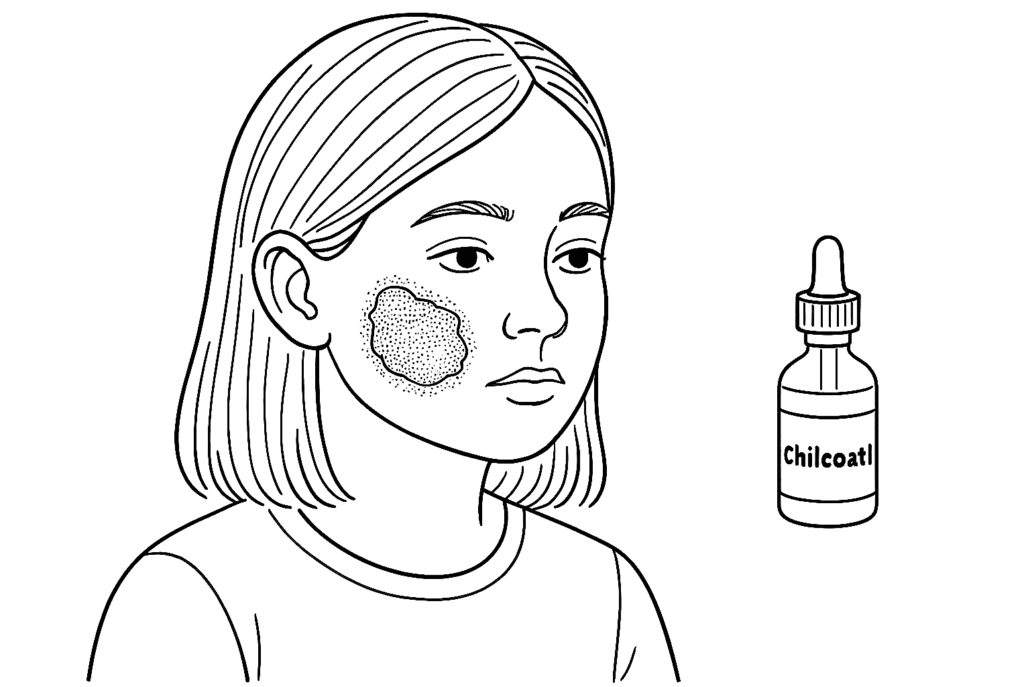
Candidiasis is a yeast infection caused by an imbalance of Candida albicans, a type of fungus (yeast) that typically lives in moist areas of our body such as the genitals, mouth, and skin.
A few years ago, a poor family approached me worried about their daughter’s face; she had a fungal infection on her cheek. When I saw her, the fungal skin infection looked bright red with a more intense color at the border.
Some medications work to treat fungal infections. They can either kill fungi directly or prevent them from growing and thriving. Antifungal drugs are available as over-the-counter treatments or prescription medications and come in various forms, including creams or ointments.
I was surprised that the specialists who inspected the infection wanted over 50,000 pesos to perform surgery. Because of limited income, they could not begin to pay for the surgical procedure. I donated the materials to eliminate the fungal infection from her face. Fast forward four years — the child is now an adolescent, and when I checked her face, her cheek was free of infection, and there were no scars. That made me feel good.
Chilcoatl: A Potent Natural Remedy
The material I donated was a tincture and a cream called CHILCOATL, scientific name Heliopsis longipes (Asteraceae: Heliantheae). I have mentioned this incredible root before.
Chilcoatl can eliminate difficult viral, chronic bacterial, and fungal infections such as H. pylori, a tough bacteria responsible for gastritis, hernias, and gastric ulcers. It eliminates all hard-to-kill fungi, including Candida albicans, the leading cause of chronic candidiasis, and can also eradicate yellow toenails from a harmful fungus called onychomycosis.
Chilcoatl is a rare plant found only in specific volcanic soils in central Mexico. The word Chilcoatl comes from Nahuatl, the language of the Aztecs: chil = spicy; coatl = serpent. It was named so because the roots of the plant resemble a snake when pulled from the ground.
Aztec (Mexica), Olmec, and Toltec healers used the powerful root for millennia because of its many benefits against all kinds of ills. It can cure many internal and external injuries and sicknesses.
Traditional and Modern Uses of Chilcoatl
Chilcoatl is a traditional Mexican medicine used against parasites and to alleviate tooth pain. It is used in tinctures, creams, and various forms to:
- Eliminate arthritis
- Combat all types of infections of the respiratory and digestive systems
- Act as an analgesic and a local non-steroid anesthetic
Proven Healing Benefits
The active ingredients of Chilcoatl root (Heliopsis longipes) have the following bioactive potential:
- Analgesic (pain killer)
- Antipyretic (fever reducer)
- Anti-nociceptive (modifies pain perception)
- Broad-spectrum antibiotic (acts against many bacteria)
- Antifungal (inhibits fungal growth)
- Antiviral (stops virus-caused infection)
- Local anesthetic
- Antioxidant
- Anti-inflammatory
- Anti-wrinkle
- Bactericide
- Accelerates healing by a factor of four
Benefits to the Central Nervous and Digestive Systems
Chilcoatl has significant effects on the central nervous system (CNS), with considerable potential to stimulate and strengthen the immune system.
It enables the production of saliva, which generates several beneficial effects in the organs. Saliva contains digestive enzymes (amylase and lipase) that help buffer and neutralize the pH of the stomach and oral cavity.
Chilcoatl can:
- Control reflux, acidity, and gastritis
- Eliminate dry mouth and Sjögren’s Syndrome
- Promote secretion of endorphins
Other Healing Applications
Chilcoatl provides fast relief from insect bites (wasps, mosquitoes, bees), heals deep cuts, and cures skin cancers such as melanoma and carcinoma. It is also part of a cancer protocol.
It cures buccal and vaginal infections and is effective against both external and internal fungus.
A Bit of History
During World War II, American soldiers fighting in the Pacific died more from infections and parasites than from bullets. A Mexican healer among the troops used Chilcoatl root to save his friend. Field medics noticed the rapid recovery and the plant’s healing power.
The U.S. Army and the U.S. Department of Agriculture began using Chilcoatl to save hundreds of soldiers from bacterial, viral, and parasitic infections. Its antiseptic and anesthetic effects reduced pain and sped up healing. At the time, U.S. demand nearly drove the plant to extinction. Thankfully, wild Chilcoatl survived.
Chilcoatl Plant Chemistry
Chilcoatl contains the highest amount of Afinine found in any plant, including echinacea. Science has shown it has up to 100 times more olefinic alkamides than any other plant, granting it extraordinary curative power.
COVID-19: Herbal Therapy,
Clinical and Scientific Data
Part 2 of 3
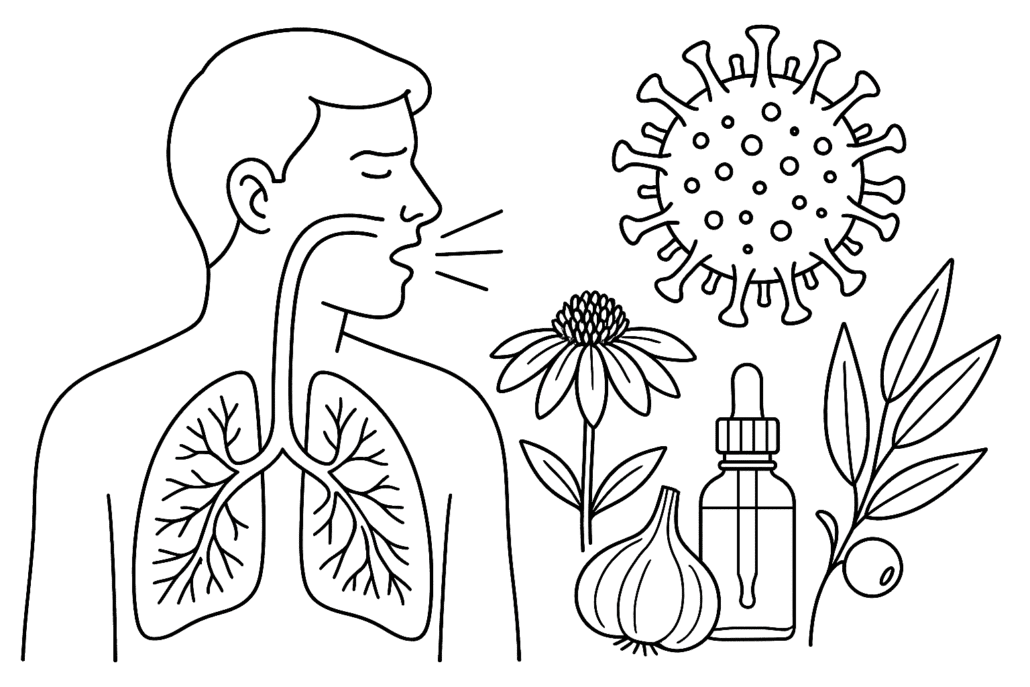
Scientific Evidence for Herbal Medicines in Respiratory Conditions
Herbs are beneficial to relieve symptoms related to respiratory conditions (cold/flu) and support symptomatic healing.
The lungs are the organs most affected by COVID-19 because the virus accesses host cells via the receptor for the enzyme
angiotensin-converting enzyme 2 (ACE2), which is most abundant on the surface of type II alveolar cells of the lungs.
Whether or not you have been vaccinated, the symptoms are the same, since they are lung-based problems. The symptoms are:
cough, fever, sore throat, loss of smell and taste, shortness of breath, fatigue, headache, muscle pain, chills.
For over 3,000 years, Ayurveda (Indian medicine), Traditional Chinese Medicine (TCM), and
Herbolaria Mexicana have used herbs as medicine.
Increased side effects from pharmaceuticals, lack of curative treatments for several chronic diseases, high cost of new drugs,
microbial resistance, and emerging diseases such as COVID-19 are some reasons for renewed public interest in
complementary and alternative medicines.
Herbs for Respiratory Conditions
Due to space limitations, this report is divided into three sections. The herbs used to treat lung and upper respiratory problems are many.
- Garlic – Allium sativum L. – Amaryllidaceae. Parts used: Bulbs
- Marsh Mallow – Althaea officinalis L. – Malvaceae. Parts used: Aerial parts
- Myrrh – Commiphora molmol Engle. Parts used: Sap
- Bitterweed, King of Bitters, Creat, Chiretta, Indian Echinacea – Cymbopogon citratus. Parts used: Aerial parts
- Echinacea – E. angustifolia – Asteraceae. Parts used: Aerial parts, rootstock
- Eucalyptus – Eucalyptus globulus Labill. Parts used: Leaves, essential oil
- Sweet Fennel – Foeniculum vulgare Mill. – Apiaceae. Parts used: Fruit
- Licorice – Glycyrrhiza glabra L. – Fabaceae. Parts used: Roots
Marsh Mallow – Althaea officinalis L.
Indications: Respiratory disease symptoms, especially dry, irritable coughs and irritation of the oral and pharyngeal mucosa.
Chemical Composition: Mucilage polysaccharides such as galacturonorhamnans (rhamnogalacturonan), arabinans, glucans, arabinoglucans (mainly acidic polysaccharides); flavonoids (e.g., isoscutellarein, hypolaetin, kaempferol, luteolin derivatives); phenolic acids; coumarin (scopoletin); tannins.
Posology (based on traditional use): 0.5–5.0 g in 150 ml of water as a macerate, three times daily. Marshmallow root syrup is commonly used at 2.0–8.0 ml per day.
Preclinical Evidence
This herbal medicine has been experimentally proven to relieve respiratory disease symptoms, notably cough. An aqueous extract of marshmallow roots inhibited tracheobronchial smooth muscle contractions in rats dose-dependently.
The antitussive effects of oral rhamnogalacturonan (50 mg/kg) were tested in non-anesthetized cats. The polysaccharide significantly reduced effort, cough frequency, and intensity of cough attacks. Its effects were also compared with non-narcotic antitussives.
Clinical Evidence
Randomized Clinical Trial: 63 adults with dry cough (associated with ACE inhibitors) took 20 drops, three times a day, of either marshmallow root preparation or placebo for four weeks. The marshmallow group showed significantly reduced cough severity.
Large-scale Trial: In a study of 822 patients with dry cough from pharyngeal irritation, A. officinalis aqueous root extract (in lozenges and syrup) improved symptoms within 10 minutes and was well tolerated. Only three minor adverse events were reported in the syrup group.
Overall Clinical Evidence: High for cough treatment.
Safety
Toxicity: None reported. Overall safety rating: High.
Warnings & Precautions: Mucilage may delay the absorption of other drugs. Avoid taking preparations of A. officinalis 30 minutes to 1 hour before or after medications, vitamins, or minerals. Macerates should be used immediately after preparation.
Overall Assessment
Althaea officinalis preparations can suppress cough and soothe respiratory tract irritation through anti-inflammatory effects. While traditional use as a cold remedy lacks robust clinical backing, the available evidence supports its use in relieving early COVID-19 symptoms.
Clinical evidence: High. Safety profile: High.
Clinical and Scientific Data
Part 2 of 3
Collateral Damage: Your Face & Mouth
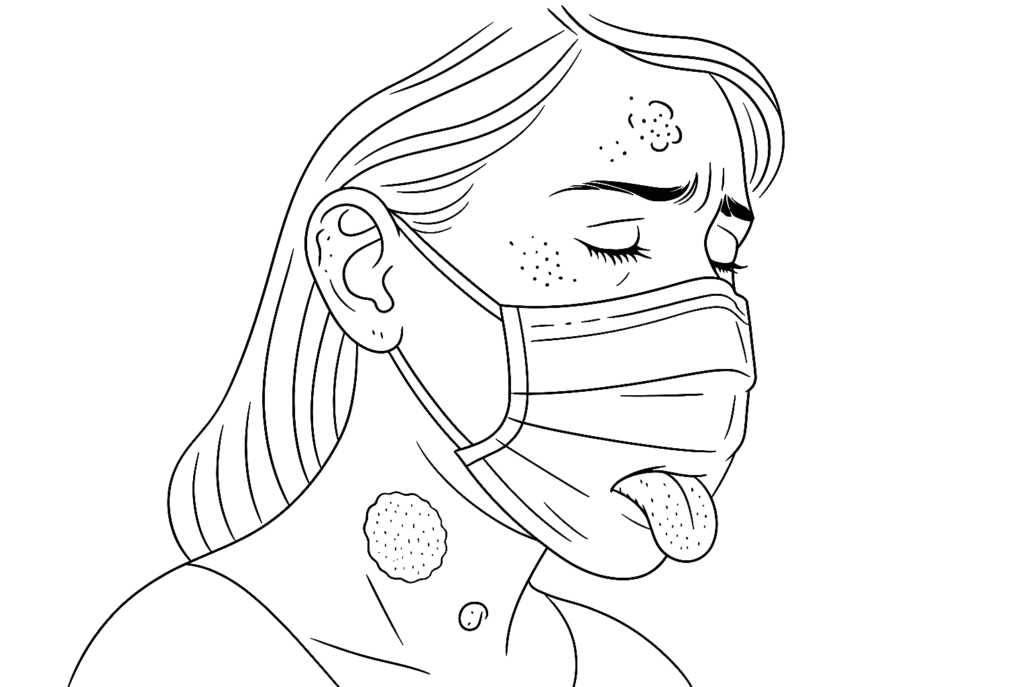
While a face mask is usually not the sole cause of a skin infection, the combination of summer heat, humidity and tight-fitting mask-fabric intensifies underlying conditions and worsens fungal or bacterial infections.
We already have yeast on our skin. A yeast infection occurs in the right setting, such as a warm, moist environment, but is often related to other factors including diabetes, compromised immune system, a recent course of antibiotics, or poor hygiene that allows the yeast to grow unrestrained.
For example, a yeast infection is a fungal infection resulting from a yeast called Candida, and people are having the following problems:
- White tongues with black or dark spots
- Acne flare-ups
- small blisters in the corners of the mouth
- Yellow smelly tongue
- Sores on top of the ears
- Sores on the chin
- Dry, irritated skin
The mask-wearing could be giving you mouth fungus and fungus-related blisters and unusual skin blemishes in addition to ear, nose and throat problems and infections.
Here’s How Candida Works
Hot air gets trapped inside the mask and can be a source of mouth sores and other issues. Face masks trap warm moisture that is produced when we exhale. For people with acne, this can lead to flareups. For others, this warm moist environment creates the perfect condition for naturally occurring yeast and bacteria to flourish and grow more plentiful. This overgrowth of yeast and bacteria can result in inflammation of the lips, resulting in cracking and sores at the mouth’s corner.
Candida yeast loves the humid climate captured by your mask. Plus, if your lips are always dry, the urge to compulsively lick them will only make the persistent yeast more at home. If moisture and saliva get trapped in your mouth’s corners, they become a breeding ground for Candida. As the yeast grows, your tongue turns white and smelly and becomes redder underneath and inflamed.
Here’s How to Help Your Face and Mouth
Since giving up the mask isn’t exactly an option these days, there are ways to treat unusually irritated skin near the ears, chin and jawline. The diagnosis? A yeast infection, yes, on our face, potentially caused by the masks we been wearing during the pandemic.
To treat the Candida fungal infection condition, apply Chilcoatl natural anti-fungal, antibiotic, antiviral cream. It can also be used for sores on top of the ears, on the chin and for dry, irritated skin. It is designed to be absorbed by the skin quickly and moisturizes and deeply hydrates while repairing fungal damage. It also reduces acne flare-ups. Don’t use lip gloss or chopsticks, because these types of products can actually worsen the problem.
For white tongue with black or dark spots, small blisters in the corner of the mouth and yellow smelly tongue use Chilcoatl spray to reduce fungus problems, including Candida. Chilcoatl is the skin care regimen to follow in this summer of COVID-19, which is also the summer of Candida.
Is the face mask needed protection? Many studies are available and more coming, which say it is not, I encourage you to see a video on YouTube by Doctor Kelly Victory. The name of that video is, “The Truth about COVID-19”. Fortunately, and unfortunately, we live in Mexico, and the masks are state-mandated, so we will continue to use them.

