
Effective Versus Ineffective Nutrition
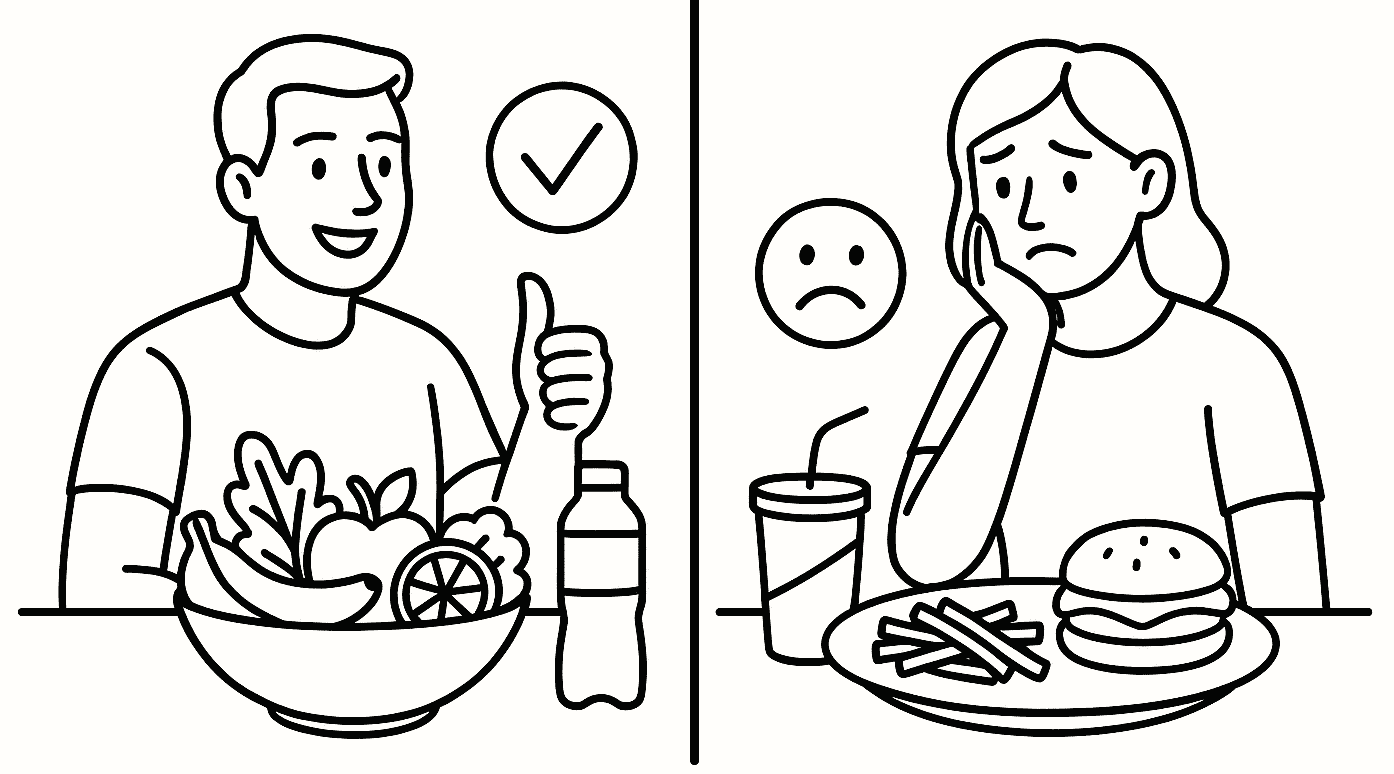
Lose Weight the Right Way
You may be looking for a fast way to lose weight, and there’s no shortage of fad diets around. These “diets” may provide short-term results, but they are difficult to sustain and ultimately deprive you of the essential nutrients that only balanced eating can offer.
It’s Easy to Spot a Fad Diet
Typically, a fad diet shares some or all of the following characteristics:
- Promises a quick fix
- Promotes “magic” foods or combinations of foods
- Implies that food can change body chemistry
- Excludes or severely restricts food groups or nutrients, such as carbohydrates
- Has rigid rules that focus only on weight loss
- Makes claims based on a single study or testimonials
Fad Diets Can Cause Health Problems
Fad diets that restrict food groups or nutrients may cause you to miss out on the protective health effects of a balanced eating plan. We don’t know whether fad diets are safe over the long term or if they increase the risk of certain diseases.
Because they often eliminate key foods, fad diets may lead to symptoms such as:
- Dehydration
- Weakness and fatigue
- Nausea and headaches
- Constipation
A Balanced Eating Plan for Adults
With a balanced eating plan, it’s what you leave in that makes all the difference. For a successful balanced diet, you should:
- Eat plenty of vegetables, legumes, and red and yellow fruits
- Include range-fed meat, wild-caught fish, and farm-raised poultry
- Drink plenty of water
- Limit saturated fat and moderate your total fat intake
- Choose reduced-fat food varieties where possible
- Choose foods low in salt
- Limit alcohol intake — a glass of red wine with food is acceptable
- Eliminate all sugars and sugar-sweetened foods and drinks
Body Weight
A stable body weight means the kilojoules (energy) you consume match the kilojoules your body uses. If your weight is increasing, it may indicate you’re eating too much, doing too little physical activity, or both.
Energy Values of Food Components
- Fat: 37 kJ/g
- Protein: 17 kJ/g
- Carbohydrates: 16 kJ/g
- Alcohol: 29 kJ/g
Carbohydrates: Your Body’s Fuel
Carbohydrates provide energy (kilojoules) for the body. Foods rich in carbohydrates include:
- Red and yellow fruits
- Vegetables, potatoes, and corn
- Legumes such as dried beans, peas, and lentils
- Wild grains like amaranth, chia, chan, and wild rice
These foods are low in fat, rich in vitamins and minerals, and are ideal for a healthy eating plan. Legumes, fruit, and vegetables are also excellent sources of dietary fiber.
Protein Builds New Cells
Protein is an essential nutrient required throughout life to build, maintain, and renew tissues and cells. Protein sources include:
- Animal protein: Meat, chicken, fish, eggs, dairy
- Plant protein: Tofu, nuts, seeds (e.g., chia), lentils, dried beans, and peas
Fat Helps Nutrient Absorption
Fat is necessary for many body functions — it protects organs, helps with hormone production, and allows the body to absorb nutrients. However, many people consume too much fat, leading to weight gain and heart disease.
Healthier fats are unsaturated fats, found in:
- Sunflower, safflower, peanut, and olive oils
- Nuts and seeds
- Avocado
These are much healthier than the saturated fats found in biscuits, cakes, and fried foods.
Be Active Every Day
Once you adopt a healthy eating pattern, you’ll feel more energized and naturally want to be more active. Tips for daily physical activity:
- View movement as an opportunity, not a burden
- Accumulate at least 30 minutes of moderate-intensity activity most days
- Incorporate vigorous exercise regularly for added benefits
A Healthy Lifestyle Is Essential
Changing your habits can be difficult at first, but becomes easier over time. Tips to ease the transition:
- Combine healthy eating with an active lifestyle
- Make small, sustainable changes
- Fill up on low-kilojoule, nutritious foods
- Watch portion sizes
- Eat until you’re satisfied — not overly full
- Only eat when you’re hungry
- Listen to your hunger cues — they can vary daily
- Eat slowly and enjoy your food
- Have regular meals: breakfast, lunch, and dinner
Eliminate Unhealthy Snacks
Avoid foods such as biscuits, cakes, potato chips, desserts, pastries, soft drinks, and high-fat snacks like pies, pasties, and sausage rolls.
Feel Good About Yourself
Don’t compare yourself to unrealistic media images. Life pressures — from work to family — can make it hard to stay healthy, but adopting balanced eating habits will help you feel better about yourself.
Fad dieting is one pressure you don’t need. Healthy food and regular activity will boost your energy and overall health. You’ll also set a good example for your children and support your family’s health by offering nutritious meals.
Once nutritious foods and regular movement become part of your everyday routine, the idea of dieting will start to seem unnecessary and even strange.
Reverse Diabetes Disease 100% Naturally
Diabetes is a serious condition where blood glucose levels are too high. There are two main types: Type 1 and Type 2.
In Type 1 diabetes, the body can’t produce any insulin at all. In Type 2 diabetes, the insulin produced either doesn’t work effectively or isn’t produced in sufficient quantities, resulting in chronically high blood glucose. This can seriously damage the heart, eyes, feet, and kidneys.
What Causes Diabetes?
Both types of diabetes have one thing in common: people have too much glucose (sugar) in their blood. When we eat carbohydrates, our body breaks them down into glucose, which enters the bloodstream.
We produce a hormone called insulin, made by the pancreas. Insulin allows glucose in the blood to enter our cells and provide energy. In Type 2 diabetes, the body becomes insulin resistant and can’t use insulin properly.
In a healthy body, the pancreas releases the right amount of insulin when glucose enters the bloodstream. With diabetes, this process is impaired.
Diabetes: A National Tragedy
In Mexico, 7 out of 10 adults and children are obese or diabetic. In the U.S., 1.4 million Americans are diagnosed with diabetes every year, and over 86 million have pre-diabetes. It is the 7th leading cause of death.
Nutrition experts believe this epidemic is driven by the global spread of sugar, soft drinks, and processed foods, which are aggressively marketed and often cheaper than healthy alternatives.
Medication Is Not the Cure
Doctors often say diabetes can be “managed with medication.” Unfortunately, it can’t be cured this way. The healthcare industry profits enormously from treating diabetics — a system that benefits doctors, pharmaceutical companies, hospitals, and other professionals managing complications from the disease.
Taking diabetes drugs is often the worst choice. It usually begins with a blood sugar prescription, then cholesterol meds, followed by blood pressure pills. These medications don’t cure — they only mask symptoms. Over time, the disease progresses, becomes irreversible, and may ultimately result in death.
Side Effects of Common Diabetes Medications
Diabetes medications aim to increase insulin to counter high glucose, but the side effects can worsen the disease:
- Metformin: Nausea, diarrhea, weight gain, vitamin B12 depletion.
- Meglitinides and Sulfonylureas: Risk of low blood sugar and weight gain.
- Thiazolidinediones: Associated with weight gain and increased risk of heart failure.
- Avandia: Over 50,000 lawsuits in the U.S. due to adverse effects.
Chances of being cured by these drugs are slim to none.
The Natural Solution: Reverse Type 2 Diabetes
The good news: Type 2 diabetes is 100% reversible through dietary and lifestyle changes. By eating foods that stabilize blood sugar and insulin, you can unclog your pancreas and restore normal insulin flow.
What You Can Do
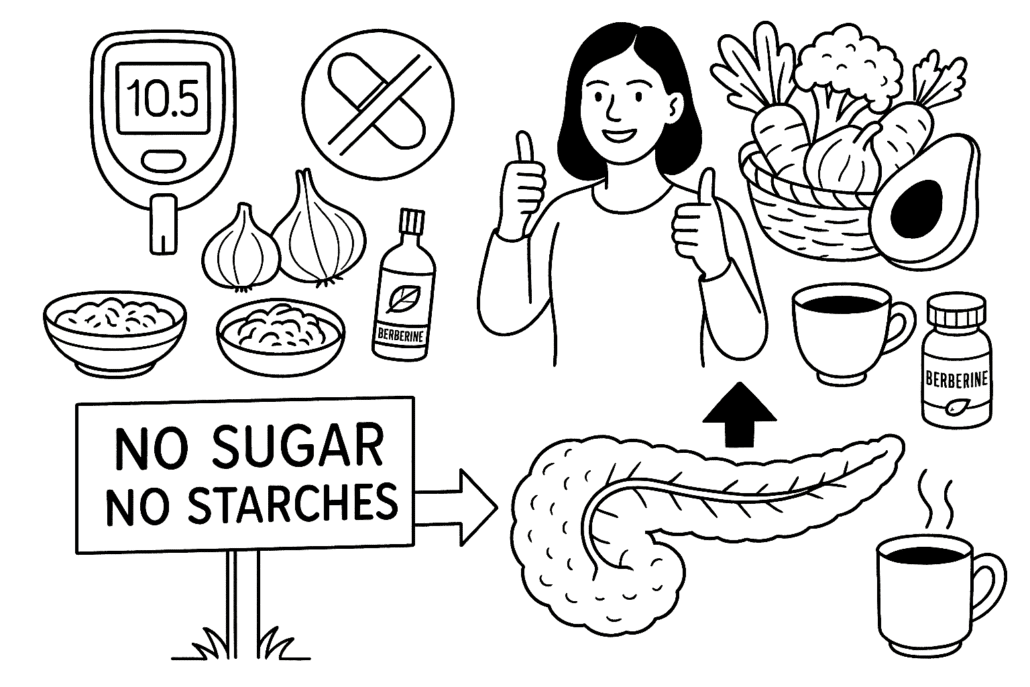
Step 1: Eliminate sugar and starches. This helps reduce fat buildup in the pancreas, enabling normal insulin production and blood sugar regulation.
No need to starve yourself. Eat foods, herbs, and supplements that strengthen your immune system and balance metabolism.
High-Fiber Foods
- Amaranth
- Beans
- Chia
- Legumes
- Peas
- Oats
- Berries
- Asparagus
- Lentils
- Leeks
Herbs That Support Immunity
- Garlic and onion: Known for immune-boosting properties.
Fermented Foods
- Sauerkraut
- Yogurt
- Miso
- Kefir
- Mazmix: A fermented blend of multiple herbs, moringa, and organic chia that provides probiotics, prebiotics, and antibacterial compounds.
Healthy Fats and Other Foods
- Avocados: Stabilize blood sugar and keep you full longer.
- Bok choy, nopales, butter, and other healthy fats supply essential fatty acids needed for blood sugar stability.
- Coffee: Can significantly reduce the risk of diabetes.
Berberine: A Natural Plant Extract
Berberine lowers blood sugar, helps with weight loss, and improves heart health. It activates AMPK (adenosine monophosphate-activated protein kinase), a metabolism-regulating enzyme within cells. It has been used in Ayurvedic and Chinese medicine for over 2,500 years.
Scientific Support
Studies have confirmed that Type 2 diabetes can be reversed in just 16 weeks. Many people have done it — and so can you. Naturally. Without drugs or injections — even if you’re overweight.
Diarrhea (aka Montezuma’s Revenge)

Moctezuma II is the namesake of Moctezuma’s revenge, a form of diarrhea that arises when a tourist in Mexico consumes food or drinks water they’re unaccustomed to. The bacteria in local water often differ from what the traveler is used to, which can trigger the condition. Moctezuma II was captured, tortured, and killed by Spanish conquistador Hernán Cortés in 1520.
While being tortured to reveal the location of the Aztec gold treasury, Moctezuma’s feet were burned, but he stoically refused to disclose the information. He died, but not before issuing a threat and promise of revenge.
Diarrhea is an intestinal infection resulting from eating or drinking contaminated food or water.
The main organisms causing Moctezuma’s revenge include diarrheagenic Escherichia coli, especially ETEC (enterotoxigenic E. coli) and EAEC (enteroaggregative E. coli). Other culprits may include salmonella, campylobacter, shigella, norovirus, and rotavirus, depending on the region.
How to Stop Diarrhea Fast
A common remedy is the BRAT diet: Bananas, Rice, Applesauce, and Toast. These bland, low-fiber, starchy foods help bulk up stools and soothe the digestive system.
Diarrhea-causing bacteria such as salmonella and E. coli are often contracted through contaminated food and drinks. Viruses like rotavirus and norovirus can also cause gastroenteritis, commonly referred to as stomach flu.
Foods to Avoid During Diarrhea
- Milk and dairy products (including milk-based protein drinks)
- Fried, fatty, or greasy foods
- Spicy foods
- Processed foods with additives
- Pork and veal
- Raw vegetables
Helpful Herbs for Diarrhea
- Chamomile: Available as tea, liquid, or capsules. Reduces inflammation and gut spasms.
- Teas from blueberry, blackberry, or raspberry leaves: Contain tannins that reduce inflammation and fluid secretion in the intestines.
Apple cider vinegar also helps bulk up stool and reduce intestinal inflammation. As a natural antibiotic, it’s particularly helpful against bacteria-based diarrhea.
Bland Foods That Can Help
- Hot cereals: oatmeal, cream of wheat, rice porridge
- Bananas
- Applesauce
- Plain white rice
- Bread or toast
- Boiled potatoes
- Unseasoned crackers
Important: Do not drink excessive water. Overhydration can overwhelm the kidneys and cause water retention in the body, resulting in unpleasant symptoms.
Cooked Vegetables That May Help
Try soups made with cooked asparagus tips, beets, carrots, peeled zucchini, mushrooms, celery, tomato purée, or baked potatoes (without skin). Avoid caffeinated, alcoholic, carbonated, very hot, or very cold beverages.
Rebuilding the Body After Diarrhea
Consume foods high in potassium and minerals to replenish what was lost. Include probiotic and fiber-rich foods such as Maz-Mix, pineapple, and dragon fruit (pitaya) to help restore gut flora.
Additional helpful foods include:
- Lentils
- Bananas
- Mangoes
- Coconut milk
- Citrus fruits
These foods are rich in antioxidants, flavonoids, phenolic acid, and prebiotics, which support healthy bacteria, lower blood sugar, and aid digestion.

