
Face & Neck Creams Simplified – Naturally
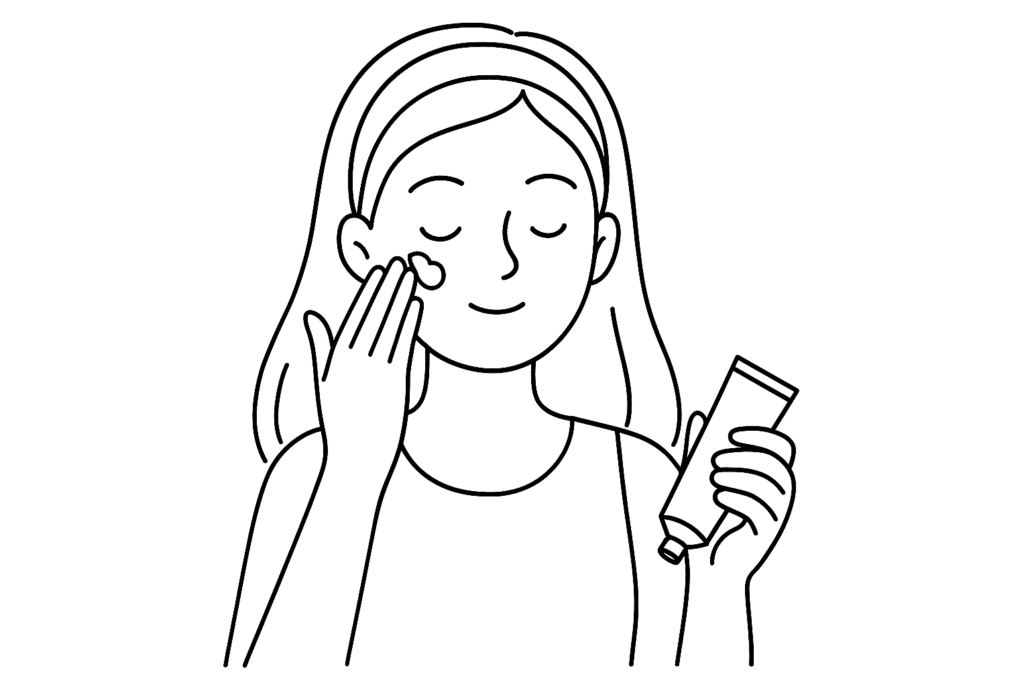
The first step in choosing the right face or neck cream is knowing your skin type.
Understanding Your Skin Type
There are three main skin types: oily, dry, or a combination of both (also referred to as balanced or normal skin).
What Is Your Goal?
When choosing a cream, it’s important to define your skincare goal. In this article, we’ll focus on anti-wrinkle creams and skin regeneration for individuals aged 26 to 70 and older. Topics like anti-spot creams or specialty products for skin conditions will be covered in future articles.
Dry Skin
Dry skin results from a lack of hydration and essential nutrients. A suitable cream for dry skin should provide deep moisture, promote cellular cohesion, and form a protective barrier to prevent dehydration. Ingredients like ginseng can help revitalize and moisturize skin, increasing flexibility and reducing the risk of wrinkles.
For dry skin, serums with water-based, highly moisturizing formulas are ideal for nighttime use. Facial oils are also beneficial and can be applied before bed for added nourishment.
Oily Skin
Oily skin is a common concern for both men and women. It often presents with enlarged pores and a greasy appearance. Diet and lifestyle can influence oil production, so avoiding certain foods and using the right skincare products is essential.
A common misconception is that oily skin doesn’t need hydration. In fact, oily skin does require moisture. The key is to choose oil-free, water-based moisturizers. Look for serums or silicone-based products that contain more water than oil.
Balanced or Normal Skin
Balanced skin typically shows closed pores and a combination of dry and oily areas. The ideal cream should help maintain this balance—hydrating the dry areas without increasing oiliness in the shiny zones. Look for products with a high water content for optimal moisture.
Anti-Wrinkle Face Creams
Mature skin often benefits from anti-wrinkle creams, whether for day or night use. These creams should include ingredients that support skin regeneration, reduce fine lines, and restore firmness.
Face Creams for Dark Spots
Facial spots are usually caused by melanin imbalances and are more common in spring and summer due to sun exposure. It’s important to consult a dermatologist if new or irregularly shaped spots appear, especially if they are dark or asymmetrical.
Creams designed to treat facial spots contain ingredients that help regulate melanin and provide sun protection to prevent future discoloration.
Final Recommendation
For dry skin, consider serums and facial oils before bedtime. For oily skin, lightweight serums or silicone-based products with a higher water ratio are ideal. Always choose creams based on your specific skin type and personal goals.
Pain Relief Using Essential Oils, Naturally
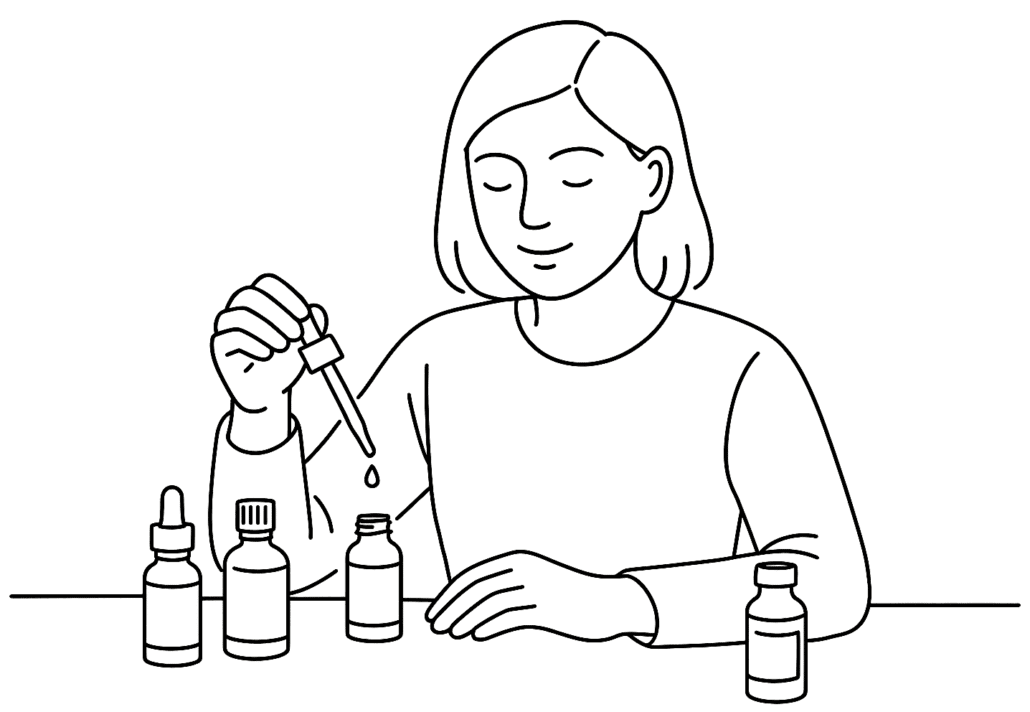
When medications are not easing your pain, you might consider going natural by using alternative remedies. Essential oils are a traditional and natural way to relieve pain.
Essential oils are highly fragrant substances extracted from the petals, stems, roots, bark, and other parts of plants. They are obtained through steam distillation, a centuries-old method that uses heat to evaporate the volatile compounds. During condensation, the oils separate due to their hydrophobic nature.
There is evidence that essential oils can help treat depression, inflammation, headaches, localized pain, respiratory issues, and sleep disorders.
Essential oils can be inhaled or applied topically when mixed with a carrier oil. Never apply undiluted essential oils directly to the skin, and do not ingest them, as they are toxic. Always perform a skin patch test before use. If you don’t experience irritation or discomfort within 12 to 24 hours, the oil is likely safe for use.
Recommended Essential Oils for Pain Relief
- Cinnamon Leaf: Contains cinnamaldehyde, which reduces inflammation and acts as an antimicrobial. It helps stimulate circulation, reduce stress, relieve pain, fight infections, and improve digestion.
- Lavender: Acts as an analgesic and anti-inflammatory. When applied topically, it provides pain relief comparable to prescription medications like Tramadol. Inhaling lavender can reduce migraine headache severity.
- Red Rose: Helps alleviate menstrual discomfort, stress, and anxiety. It has antibacterial and antifungal properties, stimulates libido, and reduces depressive symptoms.
- Bergamot: Used in aromatherapy to treat neuropathic pain, which is often resistant to opioid medications.
How to Use Essential Oils for Pain Relief
Dilute essential oils with a carrier oil such as apricot kernel, avocado, coconut, grapeseed, sweet almond, or sesame oil. Use only a few drops of essential oil—typically 10 drops per tablespoon of carrier oil.
Massaging diluted essential oil into the skin can help loosen muscles and alleviate pain. You can self-massage or use a professional.
For menstrual relief, blend cinnamon, clove, rose, and lavender in sweet almond oil. For terminal patients, massaging bergamot, lavender, and frankincense can reduce pain and depression. A combination of red rose and cinnamon leaf can ease tendon and rheumatoid arthritis pain quickly and effectively.
For inhalation, add a few drops of essential oil to a diffuser and inhale the steam, or place drops in a bowl of hot water, cover your head with a towel, and breathe in the vapors.
For a hot bath, dissolve five drops of essential oil into one ounce of carrier oil. Soaking allows the oils to absorb through the skin, and the steam provides additional aromatherapy benefits. Avoid very hot baths to prevent dizziness.
Risks and Warnings
Use caution when trying any new essential oil. Always dilute with a carrier oil. Do not apply undiluted oils directly to the skin, especially if pregnant, nursing, or if you have a medical condition.
Possible side effects include:
- Skin irritation
- Skin inflammation
- Sun sensitivity
- Allergic reaction
Some essential oils or commercial blends may include additional ingredients that could cause adverse reactions. Avoid applying oils around the eyes, lips, or open wounds.
Essential oils can enhance physical, emotional, and mental well-being. Each oil has a unique scent and set of benefits. Incorporating them into your pain management routine may offer natural support with minimal risk, and you can adjust usage as needed.
Eliminate Kidney Stones
Naturally & Quickly
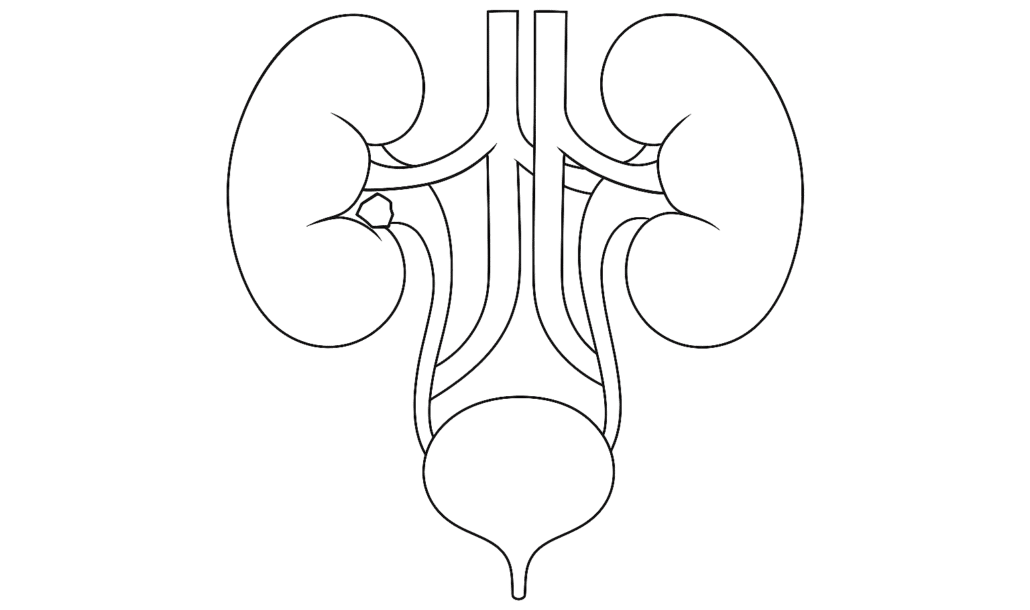
Kidney stones are one of the most common ailments of the urinary tract, affecting roughly one in 10 people. These hard mineral deposits form inside the kidneys and can cause severe pain, especially when passing through the urinary tract. Left untreated, kidney stones can lead to serious complications, including kidney failure.
What Are Kidney Stones?
Kidney stones are small, hard clusters of minerals, salts, and acids that form when urine becomes overly concentrated and lacks the necessary compounds to dissolve these substances. They can vary in type, including:
- Calcium Stones: The most common type, formed from calcium combined with oxalates, phosphate, or carbonate.
- Uric Acid Stones: Often hereditary and linked to high-protein diets or chemotherapy.
- Struvite Stones: Associated with infections and can grow quite large.
- Cystine Stones: Result from genetic conditions affecting amino acid processing.
Symptoms of Kidney Stones
- Intense lower back or side pain, often radiating to the groin
- Cloudy, bloody, or foul-smelling urine
- Discolored urine
- Persistent urge to urinate with minimal output
- Indigestion, nausea, or vomiting
- Fever and chills in severe cases
Who Is at Risk?
- Men, especially white males
- People aged 30–70
- Those taking diuretics or synthetic calcium supplements
- Individuals with gout, thyroid disorders, or digestive issues
- Physically inactive individuals
- People with a history of urinary tract infections or kidney issues
Common Causes
- Dehydration
- Diets high in oxalates or processed meat
- High salt, sugar, or caffeine intake
- Overuse of calcium supplements
- Digestive disorders like IBD or chronic diarrhea
- Obesity and inactivity
- Infections and abnormal urine pH
Four Steps to Relieve and Prevent Kidney Stones
- Stay Hydrated: Drink at least 15.5 cups (3.7 liters) per day for men and 11.5 cups (2.7 liters) for women. Herbal teas are also helpful.
- Eat a Nutrient-Dense Diet: Choose alkaline-forming and anti-inflammatory foods. Avoid salty, sugary, and processed foods.
- Exercise Regularly: Weight-bearing activities support calcium absorption and bone health.
- Use Natural Herbal Remedies: Incorporate herbs known to dissolve and prevent stones.
Foods That Help Prevent Kidney Stones
- Organic leafy greens, legumes, sprouted grains, and wild fish
- Berries, almonds, olive oil, avocado, and butternut squash
- Acidic foods like lemon juice and apple cider vinegar
- Bone broth and collagen-rich foods to support tissue healing
Foods to Avoid
- Soft Drinks: Contain phosphoric acid which pulls calcium from bones and increases stone risk.
- Refined Grains and Sugars: Promote acidity and high oxalate levels.
- Processed Meats: Increase calcium excretion and stone formation.
- Vitamin C: Excess (more than 4g daily) can contribute to oxalate stone formation.
- Excess Caffeine and Alcohol: Dehydrating and interfere with calcium balance.
- Wheat Bran: High in phytates, reducing calcium absorption; sprouted grains are a better option.
- Hydrogenated Oils: Destroy vitamin K, essential for bone and kidney health.
Natural Supplements and Remedies
- Vitamin B Complex: Helps reduce oxalate buildup.
- Vitamin E: Reduces inflammation and calcium accumulation.
- Cranberry Extract: Balances calcium levels and reduces infections.
- Aloe Vera: Prevents crystallization of minerals in the urinary tract.
- Coconut Oil: Helps prevent kidney and gallbladder diseases.
- Yumel: Traditional support for urinary function.
- Black Radish (Rábano Negro): Liver detoxifier and kidney cleanser.
Powerful Herbal Allies
- Corn Silk (Zea mays): Diuretic and anti-inflammatory, supports urinary flow and pain relief.
- Black Radish: Detoxifies liver and kidneys; supports digestion and cholesterol balance.
- Pingüica (Arctostaphylos pungens): Eases kidney pain and dissolves stones; natural diuretic.
- Toad Herb (Hierba del Sapo): Reduces kidney inflammation and helps eliminate uric acid and stones.
- Doradilla (Selaginella lepidophylla): Used for kidney stones, stomach ulcers, gallbladder and liver support, and blood cleansing.
How to Use These Remedies
Many of these herbs are best taken as teas on an empty stomach or throughout the day. Tinctures and dried herb preparations are also available from natural health stores. Always consult a healthcare professional before starting new treatments, especially during pregnancy or if managing other health conditions.
Final Thoughts
Kidney stones are painful and potentially dangerous, but you can treat and prevent them naturally. Hydration, dietary changes, herbal support, and regular activity make a big difference. Understanding your body’s needs and making supportive lifestyle adjustments can help you avoid recurrence and maintain optimal kidney health long term.
Naturally & Quickly

