
Vision Decline Help
Naturally

Mainstream medicine often dismisses vision decline as a normal part of aging. But while common, deteriorating eyesight isn’t necessarily natural or healthy.
How Healthy Eyes Work
- Light enters through the lens.
- The lens focuses the image onto the retina at the back of the eye.
- The retina sends visual signals along the optic nerve to the brain.
- The lens flexes to focus: relaxed for distant objects, tight for close-up.
As we age, our lenses lose flexibility, making it harder to focus on nearby objects. Protective molecules in the lens become stiff and brittle.
The Real Problem: ROS Toxins
Reactive Oxygen Species (ROS) are toxic byproducts that form even during normal body functions. While small amounts serve a purpose, excess ROS are harmful and contribute to:
- Glaucoma
- Diabetic retinopathy
- Age-related macular degeneration
ROS toxins are unavoidable—found in plastics, processed foods, tap water, and more.
Blue Radiation Threat
Modern light sources such as LED bulbs, smartphone screens, TVs, and computers emit blue UV light that strains the eyes and speeds up lens degradation. Blue light is especially damaging for adults over 30, increasing the load of vision-destroying toxins in the lens.
Why Modern Treatments Fall Short
- Eyeglasses only bend light. They don’t repair the lens or retina and may worsen vision over time due to stronger prescriptions.
- Laser surgery is costly, risky, and offers only a temporary fix.
In contrast, ancient cultures protected their vision using natural remedies found in flowers. Science is now catching up.
Flower-Based Natural Remedies
While carrots offer minimal eye protection due to limited carotenoids, two flowers stand out for their potent vision benefits:
- Cempasúchil (Tagetes erecta) – Also known as dwarf marigold, this vibrant orange flower native to Mexico is rich in carotenoids that protect the eyes from Blue Radiation. The same pigments responsible for its color also shield your vision.
- Saffron (Crocus sativus L.) – Contains crocin and crocetin, carotenoid compounds with powerful anti-inflammatory, antioxidant, neuroprotective, and macula-regenerating effects. Studies show saffron may also support mood, heart health, and immune function.
These flowers can be consumed in tea or taken as tinctures (sublingually) to support and potentially restore healthy vision.
#naturalvision
#maculadegeneration
#rosfree
#bluelightprotection
#cempasuchil
#saffronbenefits
#eyestrainrelief
#carotenoids
#herbalremedies
Naturally
Varicose Veins
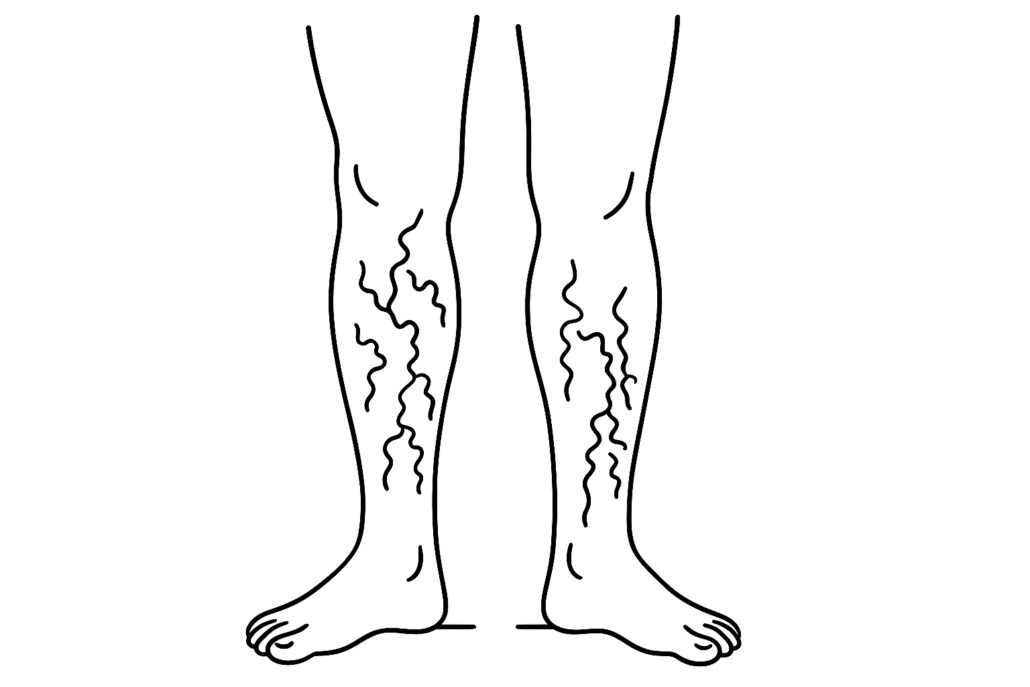
Bulging leg veins are not only unsightly but often painful. Fortunately, they can be treated naturally to reduce their appearance and discomfort.
Varicose veins occur when leg veins become enlarged and overfilled with blood. These veins appear swollen, raised, bluish-purple or red, and often develop on the lower legs, especially in women.
The condition is caused by malfunctioning vein valves. These valves normally keep blood flowing in one direction—toward the heart. When they fail, blood pools in the veins, leading to swelling and enlargement. Since leg veins are farthest from the heart, gravity makes it harder for blood to flow upward.
Common causes include pregnancy, menopause, aging (over 40), prolonged standing, and obesity.
Symptoms of Varicose Veins
- Visible, misshapen veins on the legs
- Pain, swelling, and heaviness in the legs
- Achiness around enlarged veins
- In severe cases, skin ulcers
Diagnosis and Medical Treatments
Without treatment, varicose veins typically worsen. In severe cases, complications such as ulcers, blood clots, or ruptured veins can occur. Doctors may recommend invasive procedures, including:
- Ultrasound – Noninvasive test to examine blood flow
- Venogram – X-ray after injecting dye to assess for blockages
- Vein ligation and stripping – Surgical removal of varicose veins
- Sclerotherapy – Chemical injection to seal larger veins
- Microsclerotherapy – Similar treatment for smaller veins
- Laser surgery – Light energy used to block off a vein
- Endovenous ablation – Heat and radiofrequency seal veins
- Endoscopic vein surgery – Minimally invasive scope-assisted vein treatment
Lifestyle and Dietary Changes
- Avoid prolonged standing
- Maintain a healthy weight
- Exercise regularly to improve circulation
- Wear compression stockings
Weight loss reduces pressure on the veins and decreases discomfort. Compression stockings help alleviate aching and swelling. Additionally, certain dietary changes can support vein health:
- Reduce sodium intake to avoid water retention
- Increase potassium-rich foods like almonds, pistachios, lentils, white beans, potatoes, leafy greens, and fish (salmon, tuna)
- Eat more flavonoid-rich foods to improve blood flow and reduce pressure in veins. These include onions, bell peppers, spinach, broccoli, citrus fruits, grapes, cherries, apples, blueberries, cacao, and garlic.
Additional lifestyle tips include wearing loose-fitting clothes, avoiding high heels, elevating the legs, and gentle leg massage. Frequent movement throughout the day helps keep blood flowing.
Herbal Natural Remedies
- Grape Seed Extract – Relieves symptoms of poor circulation, including varicose veins
- Bilberry (Vaccinium myrtillus) – Contains anthocyanosides, known for antioxidant and vein-strengthening benefits
- Centella Asiatica – Improves microcirculation and reduces leg heaviness, pain, and edema
- Horse Chestnut Extract – Eases itching and heaviness in chronic venous insufficiency
- Chamomile (Matricaria chamomilla) – Strengthens venous walls, reduces inflammation and visibility of varicose veins
- Ginkgo Biloba – Enhances capillary blood flow, supports microcirculation, and helps relieve cold extremities
#naturalremedies
#circulation
#flavonoids
#centellaasiatica
#horsechestnut
#chamomile
#microcirculation
#compressionstockings
#veinhealth
Undernourishment of the Obese Rich
and Underfed Poor

The U.S. and Mexico share a common problem: many people are simultaneously overweight and undernourished, while others live in poverty with not enough to eat.
The outcomes are sometimes visible and sometimes hidden. Both the wealthy and the poor consume excessive amounts of junk food and sugary drinks—foods full of empty calories. The rich often indulge for comfort, while the poor consume what they can afford.
Some nutritionists oversimplify the issue, claiming that the solution lies in everyone eating healthy, nutrient-dense foods. But today’s realities make that utopian advice difficult to follow. First, truly nutritious foods—such as organic vegetables, range-fed animal meats, and wild-caught fish—are expensive and difficult to obtain in densely populated areas. Second, recent global events, including pandemic-related fear and broken supply chains, have triggered food shortages and misguided health restrictions.
Many health problems begin at childbirth. Wealthier parents often avoid breastfeeding, while poorer mothers tend to breastfeed out of necessity. Breastfeeding transfers vital hormones and immunity from mother to child. However, if a mother’s diet is nutritionally poor, even her milk may lack essential nutrients, leading to stunted growth in children. On the other hand, many bottle-fed children become obese by adulthood due to cheap, high-calorie foods. An overweight teenager in a wealthy country like the U.S. may still be severely deficient in the micronutrients essential for optimal health.
The ideal diet includes fruits, vegetables, whole grains, and beans. Yet much of the population in the U.S. and Mexico has developed a preference for snacks loaded with refined carbs, sugar, and ultra-processed ingredients. These poor diets now contribute to more deaths than smoking and are linked to chronic microbiome damage and lifelong disorders, including:
- Inflammatory Bowel Disease (IBD)
- Irritable Bowel Syndrome (IBS)
- Obesity
- Type 2 Diabetes
- Atopic Dermatitis (eczema), often accompanied by asthma or hay fever
There is no pharmaceutical cure for eczema, but a cream and tincture made from Chilcoatl (Heliopsis longpipes) can help reduce symptoms.
Natural foods can correct most undernourishment and microbiome issues. An alkaline diet lowers inflammation and increases good bacteria in the gut, while antioxidant-rich foods protect against oxidative damage.
Anti-Inflammatory Foods
- Organic or Mexican-grown vegetables: Rich in phytonutrients that reduce symptoms of arthritis, Alzheimer’s, cancer, heart disease, and diabetes. Include beets, carrots, broccoli, cabbage, cauliflower, dark leafy greens, kale, spinach, onions, peas, salad greens, sea vegetables, and squashes.
- Fresh fruits: Antioxidants help prevent cancer and support brain health. Eat avocados, apples, berries, cherries, nectarines, oranges, pears, grapefruit, plums, pomegranates, and strawberries.
- Herbs, spices, and teas: Use turmeric, ginger, basil, oregano, thyme, green tea, and organic coffee.
- Probiotics: Populate the gut with good bacteria. Try fermented foods like kefir and cultured vegetables, or Maz-Mix, a multi-herb, omega-3-rich probiotic/prebiotic formula with 22 amino acids.
- Wild-caught fish, cage-free chicken, and pasture-raised meats: Higher in omega-3s and rich in zinc, selenium, and B vitamins.
- Healthy fats: Include grass-fed butter, coconut oil, extra virgin olive oil, nuts, and seeds.
- Ancient grains and legumes: Consume two to three servings daily of nutrient-dense Aztec plants such as quelite, amaranth, quinoa, black beans, chickpeas, lentils, and black rice.
- Moderation foods: Enjoy small amounts of red wine and dark chocolate (high in cocoa) daily.
#malnutrition
#junkfood
#micronutrients
#guthealth
#alkalinediet
#antiinflammatory
#herbalremedies
#probiotics
#eczema
and Underfed Poor

