
Triglycerides Simplified – Naturally
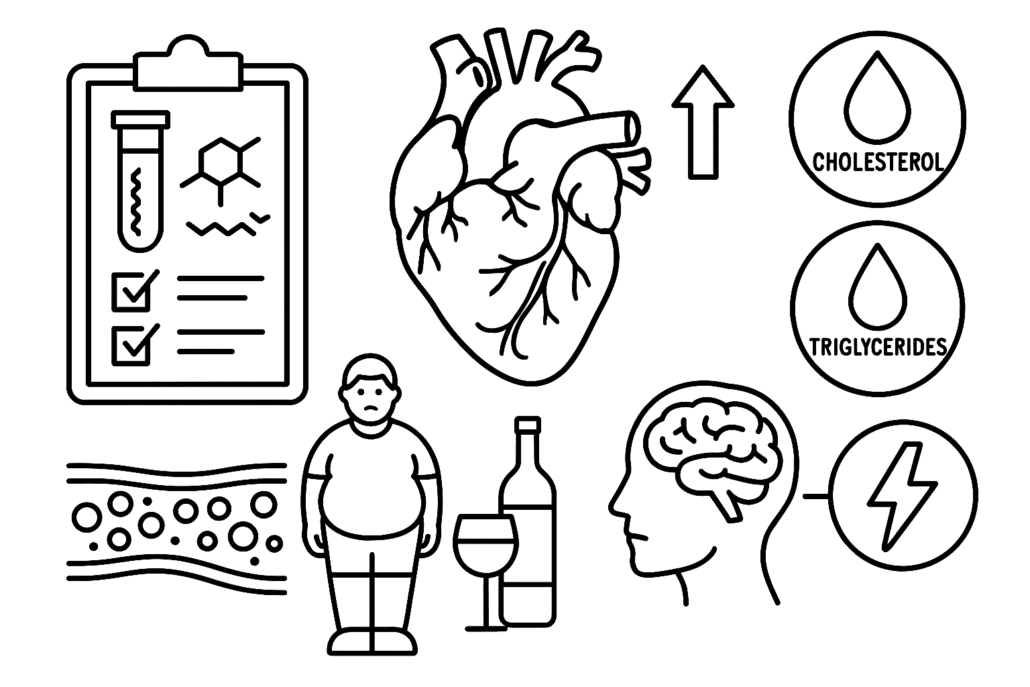
High triglycerides and high cholesterol levels can be dangerous. Left unchecked, they may lead to heart attacks and strokes. While we do need healthy levels of both to survive, excess levels pose serious health risks, including heart disease, diabetes, liver failure, and Alzheimer’s.
It might seem like a good idea to take prescription drugs to lower triglycerides as much as possible—but not so fast. Our body actually needs triglycerides. While often vilified, triglycerides perform critical functions that support overall health.
What Are Triglycerides?
Triglycerides are fats stored in the liver for future energy use. When we consume more calories than needed, those extra calories are stored as fat in the form of triglycerides, ready to be used when energy is low.
Functions of Triglycerides
- Insulation and Protection: Fatty tissue under the skin helps regulate body temperature and cushions organs from trauma.
- Vitamin Absorption: Fat-soluble vitamins A, D, E, and K rely on triglycerides to enter the bloodstream.
- Cellular Support: Triglycerides help form cell membranes, maintaining cellular integrity and function.
What Causes High Triglycerides?
Normal triglyceride levels are under 150 mg/dL. Levels over 200 mg/dL are considered high. Several conditions can contribute to elevated triglycerides:
- Underactive Thyroid: Slow metabolism leads to fat storage.
- Poorly Managed Type 2 Diabetes: Insulin resistance prevents fat breakdown.
- Kidney Disease: Impaired clearance of triglycerides from the bloodstream.
- Excess Alcohol: Overburdens the liver and increases fat in the blood.
- Metabolic Syndrome: A cluster of conditions including high blood pressure, obesity, and high cholesterol.
- Medications: Including contraceptives, diuretics, antipsychotics, and corticosteroids.
Health Risks from High Triglycerides
- Acute Pancreatitis: Especially in heavy alcohol consumers.
- Heart Attack and Stroke: Caused by arterial blockages from excess blood fat.
- Non-Alcoholic Fatty Liver Disease: Fat accumulation replaces healthy liver tissue.
- Peripheral Artery Disease: Reduced blood flow causes limb pain and numbness.
- Eye Disorders: Such as lipemia retinalis—fat buildup in ocular blood vessels.
- Alzheimer’s Risk: High triglyceride levels at midlife are associated with increased Aβ and tau proteins.
How to Lower Triglycerides Naturally
Doctors often prescribe statins for high triglycerides, but these drugs come with risks including muscle pain, memory loss, and links to Parkinson’s, type 2 diabetes, and breast cancer. Fortunately, there are natural ways to balance triglycerides without harmful side effects.
- Lose 5% of Body Weight: Even small weight loss can reduce triglyceride levels.
- Cut Sugar: Excess sugar is a direct contributor to high triglycerides—even in children.
- Reduce Carbs: Lower carbohydrate intake significantly lowers triglyceride levels—more effectively than low-fat diets.
- Increase Fiber: Fiber helps reduce fat and sugar absorption. Maz-Mix offers fiber and omega-3 benefits.
- Eat Fatty Fish: Salmon and sardines are rich in omega-3s that lower triglycerides. Aim for two servings weekly.
- Limit Alcohol: Alcohol, even in moderation, can raise triglyceride levels.
- Exercise Regularly: Physical activity raises HDL (“good” cholesterol), which helps reduce triglycerides. Walking, biking, or swimming are excellent options.
In conclusion, triglycerides are essential for your health, but only in balanced amounts. With natural lifestyle changes—focusing on weight management, a clean diet, and regular movement—you can manage your triglyceride levels effectively, avoid medication side effects, and protect your heart, brain, and liver for years to come.
#Triglycerides
#HeartHealth
#NaturalHealing
#Cholesterol
#AlzheimersPrevention
#MazMix
#HealthyFats
#NaturallyMazcal
The Pelvic Floor Muscle:
Incontinence & Sexual Health
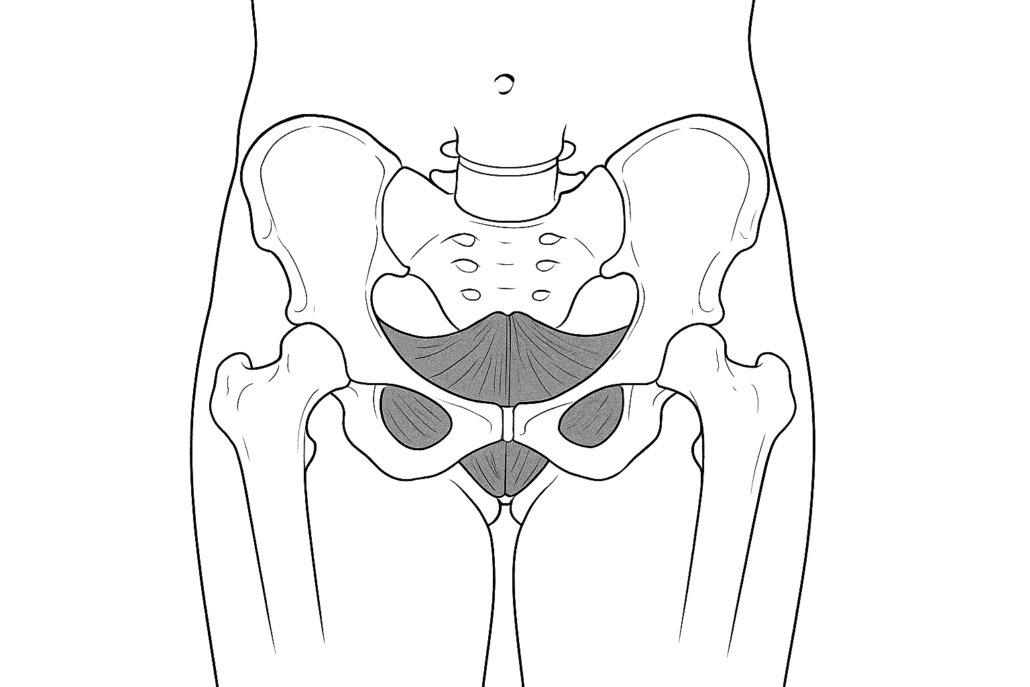
The pelvic floor plays a foundational role in the human body—impacting childbirth, movement, and sexual function. This deep, interwoven cradle of muscles, nerves, and ligaments supports vital organs, including the digestive and reproductive systems.
Located at the base of the pelvis, the pelvic floor muscles support both male and female reproductive organs, the urinary tract, prostate, and digestive tract. These muscles are essential for controlling bladder and bowel functions, helping to prevent incontinence.
Understanding Pelvic Floor Function
Pelvic muscles relax to allow urination, passing gas, or bowel movements, and contract to prevent leakage. You can test your pelvic floor by trying to stop your urine midstream—though this should not be done frequently, as it may be harmful.
Pelvic Organ Prolapse Symptoms
- Heaviness in the lower abdomen and genitals
- Dragging sensation inside the vagina
- Feeling like something is descending into the vagina
- Difficulty maintaining an erection
- Urgent or painful urination
- Constipation or bowel strain
- Lower back or pelvic pain
- Discomfort during intercourse (in women)
Herbs for Pelvic Nerve Pain
- St. John’s Wort – Known for antidepressant effects, it also supports nerve repair when taken as a tincture.
- Skullcap – Relieves spasms and nerve-related pain; useful for tingling or sharp sensations.
- Valerian – A sedative that aids in sleep and overall pain relief, especially from muscular and nerve tension.
- Willow Bark – Contains natural salicin, offering anti-inflammatory and pain-relieving properties.
Kegel Exercises for Pelvic Health
Kegel exercises strengthen the pelvic floor muscles in both men and women. Benefits include improved bladder and bowel control and enhanced sexual function. These exercises are discreet and can be done anywhere.
How to Do Kegels
- Contract your pelvic floor muscles for 5 seconds (pulling in and lifting the genitals).
- Relax fully for 5 seconds.
- Repeat 10 times, at least three times per day.
Avoid using abdominal, leg, or buttock muscles, as they don’t target the pelvic floor. If your pelvic muscles get tired, pause and resume later. Gradually increase your hold and rest times to 10 seconds each.
When to Use Kegels
Do a Kegel before activities likely to cause leakage:
- Standing up
- Walking
- Sneezing or coughing
- Laughing
Practice while lying down, sitting, or standing. Standing is especially useful, as leaks often happen in that position.
In summary, maintaining a strong and functional pelvic floor is essential for urinary control, reproductive organ support, and overall sexual health. Through consistent exercise, natural remedies, and mindful awareness, we can support the core of our body—the root that anchors so many aspects of well-being.
#PelvicFloorHealth
#IncontinenceRelief
#KegelExercises
#PelvicOrganProlapse
#NaturalHealing
#NervePainRelief
#SexualHealth
#NaturallyMazcal
Incontinence & Sexual Health
The Natural Rhythm of Life
The Circadian Rhythm
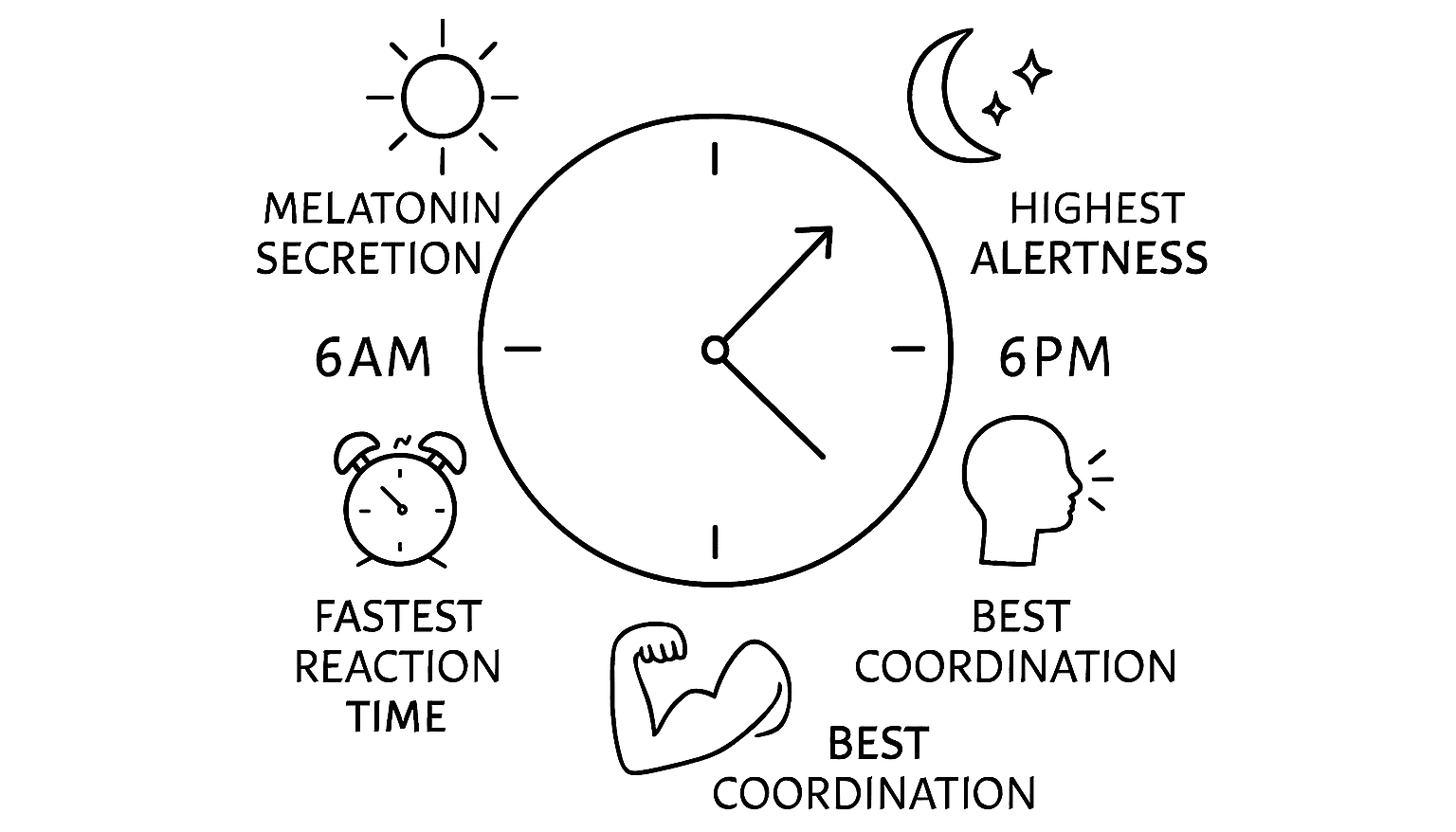
The word “circadian” comes from Latin, meaning “around the day.” The circadian rhythm is a natural, internal biological process that regulates the sleep-wake cycle and repeats roughly every 24 hours—but it does much more than that.
Circadian rhythms are physical, mental, and behavioral changes that follow a daily cycle, responding to light and darkness. Sleeping at night and being awake during the day is a common light-related circadian rhythm found in most living beings, including animals, microbes, and plants. The study of these rhythms is known as chronobiology.
Why a Healthy Circadian Rhythm Matters
A healthy circadian rhythm supports overall wellness and longevity. When disrupted, it can lead to a range of chronic conditions, such as:
- ADHD
- Asthma
- Obesity
- Arthritis
- Stroke
- Cancer
- Insomnia
- Depression
- Diabetes
- Hypertension
- Kidney disease
Understanding the Body’s Internal Clocks
Biological clocks are innate timing devices composed of proteins that interact within nearly every cell, tissue, and organ in the body. These clocks are not the same as circadian rhythms—but they produce and regulate them.
The body’s master clock is located in the brain and is known as the suprachiasmatic nucleus (SCN). This cluster of approximately 25,000 neurons resides in the hypothalamus and receives input from the eyes. It synchronizes biological clocks throughout the body.
The Role of Light and Melatonin
Although internal, circadian rhythms are heavily influenced by external signals, especially daylight. Light exposure can trigger or suppress genes related to the molecular structure of biological clocks. The SCN controls melatonin production—a hormone that makes us sleepy—based on the amount of light received through the optic nerves. Less light (as in the evening) signals the brain to produce more melatonin.
Circadian Rhythm Disorders
Circadian rhythm disorders occur when our internal body clock is misaligned. Common symptoms include:
- Trouble falling or staying asleep
- Waking up in the night and struggling to return to sleep
- Daytime fatigue or unrestful sleep
What Can Disrupt Circadian Rhythms?
- Shift work
- Jet lag or time zone changes
- Use of stimulants or sleep medications
- Irregular sleep schedules or sleep disorders like DSPS
- Stress, mental health issues
- Hormonal changes (e.g., pregnancy, menopause)
Treatments for Circadian Rhythm Disorders
The goal of treatment is to align your sleep schedule with your lifestyle. Approaches may include:
- Bright light therapy: Exposure to light at specific times to reset your rhythm
- Sleep hygiene: Optimizing bedtime routines and environments
- Chronotherapy: Gradually shifting sleep times
- Lifestyle changes: Limiting light exposure and avoiding caffeine in the evening
- Medications: Stimulants or sleep aids to regulate the cycle
Tips for Supporting Natural Rhythms
Circadian rhythms affect sleep, hormone release, digestion, temperature, and other vital functions. Even minor disruptions can lead to long-term issues. Excess screen time from mobile devices, especially at night, may negatively affect circadian rhythms. Research suggests those struggling with weight loss may benefit from aligning meals and fluids between 6 a.m. and 6 p.m. Herbal teas and tinctures should be consumed in the morning. It’s also recommended to avoid electronics at least one hour before bedtime to support healthy sleep cycles.
In summary, circadian rhythms are more than just sleep patterns—they orchestrate our physical, emotional, and mental well-being. By nurturing these rhythms through consistent routines, daylight exposure, and healthy lifestyle habits, we align ourselves with the natural flow of life and promote long-term wellness.
#CircadianRhythm
#NaturalSleep
#Chronobiology
#SleepHealth
#BiologicalClock
#NaturalHealing
#LightTherapy
#NaturallyMazcal
The Circadian Rhythm

