
The Importance of Vitamin D – Naturally

Vitamin D (also known as “calciferol”) is essential to our health. A deficiency in this vital nutrient can lead to serious health problems. Humans can produce Vitamin D endogenously when the skin is exposed to ultraviolet (UV) rays from sunlight, which triggers synthesis—earning it the nickname “the sunshine vitamin.” It is also naturally found in certain foods, can be added to others, and is available as a dietary supplement. Given its importance, there is no reason to be deficient in Vitamin D. It plays a key role in regulating mood, supporting immune cells, and more. It is estimated that more than 50% of the North American population is deficient.
I live in Puerto Vallarta, Jalisco, Mexico, where we enjoy over 300 days of sunshine per year. Many visitors from northern parts of the U.S. and Canada aren’t so lucky, which is likely one reason they flock to our sunny city during winter months.
People with darker skin tones and older adults have a reduced ability to synthesize Vitamin D and should include dietary sources or supplements to avoid deficiency. The recommended dietary allowance (RDA) for Vitamin D is 600 IU for children and adults up to 70 years of age, and 800 IU for adults over 70.
From March through September, most people can get enough Vitamin D from sunlight and a healthy diet. However, from October to February, when sun exposure is limited, supplementation may be necessary. Caution is required—consuming more than 100 micrograms (4,000 IU) per day over time can cause calcium buildup in the body (hypercalcaemia), potentially damaging the bones, kidneys, and heart.
Benefits of Vitamin D
- Aids Weight Loss: Low Vitamin D levels are common in individuals with high body fat. Supplementing can enhance weight loss and fat metabolism.
- Increases Bone Strength: Vital for calcium absorption and phosphorus metabolism, which are key to bone stability and strength.
- Improves Mental Health: Supports brain health and has been linked to reduced risk of depression, anxiety, Alzheimer’s, bipolar disorder, and schizophrenia. Low levels are tied to impaired cognitive function in older adults.
- Boosts Immune Function: Vitamin D3 is critical to immune cell function. Low levels are associated with increased susceptibility to respiratory infections.
- Fights Cancer Cells: Plays a role in tumor suppression and cell regulation. Deficiency has been linked to increased risk of cancers including breast, colorectal, ovarian, kidney, prostate, and stomach cancer.
Foods Rich in Vitamin D
- Beef liver
- Cod
- Egg yolks
- Herring
- Mackerel
- Red meat
- Tuna
- Sardines
- Wild-caught salmon
In summary, Vitamin D is vital for nearly every aspect of our physical and mental health. From bone strength to immune resilience and even cancer prevention, its influence is far-reaching. Whether through safe sun exposure, mindful diet choices, or supplementation when necessary, ensuring adequate Vitamin D intake is a cornerstone of natural health and disease prevention.
#VitaminD
#NaturalHealth
#SunshineVitamin
#ImmuneSupport
#BoneHealth
#MentalWellness
#CancerPrevention
#NaturallyMazcal
The Importance of Magnesium – Naturally
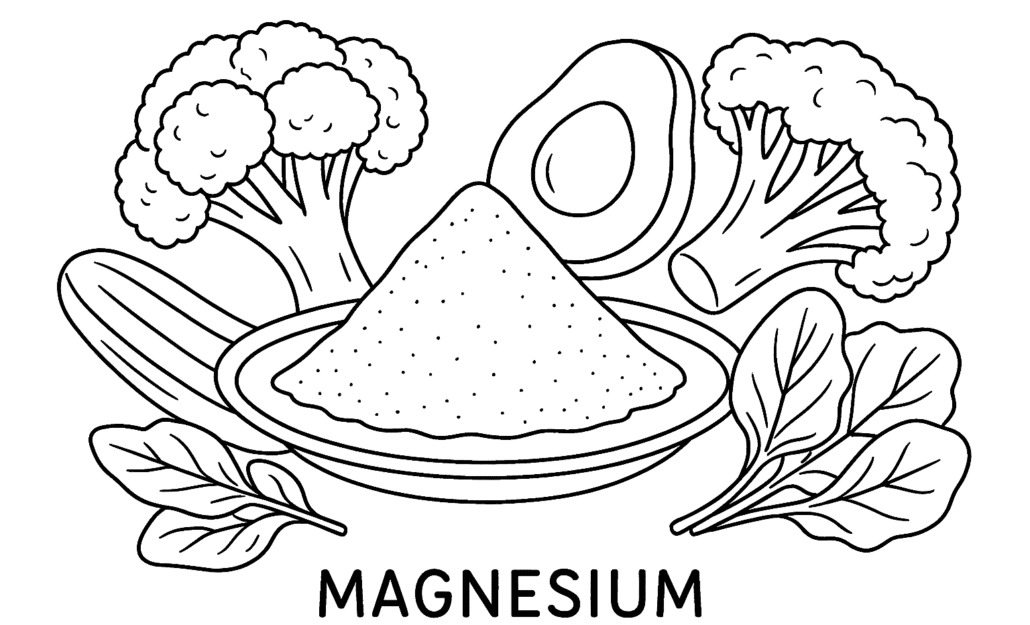
About 50% of the population is low in magnesium. A deficiency in this essential mineral can contribute to diabetes, heart disease, mood disorders, migraines, muscle cramps, and more. Magnesium is found in the earth, sea, plants, animals, and is the fourth most abundant mineral in the human body. Approximately 60% of magnesium is stored in bones, with the rest distributed in blood, muscles, and every cell of the body.
Magnesium plays a crucial role in over 600 biochemical enzyme reactions, including:
- Converting food into energy
- Maintaining genes
- Creating and repairing DNA and RNA
- Building new proteins from amino acids
- Contracting and relaxing muscles
- Regulating neurotransmitters that communicate with the brain and nervous system
Organic Plant Sources of Magnesium
- Avocado
- Almonds, peanuts, cashews
- Raisins, pumpkin seeds
- Green leafy vegetables (spinach, kale, broccoli)
- Carrots, potatoes
- Rice, oatmeal
- Bananas, apples
- Cocoa powder and dark chocolate
Animal Sources
- Chicken
- Beef
- Halibut
- Salmon
The magnesium found naturally in food is not harmful and has no upper consumption limit. However, magnesium supplements should not exceed recommended levels. Adults can safely consume 320–420 mg of magnesium per day. The body excretes excess magnesium through urine once levels are adequate.
Causes and Signs of Magnesium Deficiency
Magnesium deficiency can result from chronic alcoholism, Crohn’s disease, celiac disease, intestinal surgery, or certain medications.
Early symptoms include:
- Fatigue
- Loss of appetite
- Muscle cramps
- Nausea and vomiting
- Weakness
Advanced deficiency symptoms:
- Abnormal heart rhythms
- Coronary spasms
- Personality changes
- Numbness or tingling
- Seizures
Types of Magnesium Supplements
- Magnesium Citrate: Easily absorbed; also used to treat constipation
- Magnesium Oxide: Used for heartburn and constipation; poorly absorbed
- Magnesium Chloride: Orally absorbed, treats muscle soreness when applied topically
- Magnesium Lactate: Gentle on digestion, suitable as a supplement
- Magnesium Malate: Easily absorbed with minimal laxative effect
- Magnesium Taurate: Contains taurine; supports blood sugar and pressure regulation
- Magnesium L-Threonate: Supports brain health, memory, and mood
- Magnesium Sulfate (Epsom salts): Soothes stress and muscle pain; does not raise magnesium levels
- Magnesium Glycinate: Used for anxiety, depression, and insomnia; calming effects
Kidney disease patients should avoid high magnesium doses. Signs of magnesium toxicity include:
- Nausea
- Vomiting
- Diarrhea
- Muscle weakness
- Irregular breathing
- Lethargy
- Urinary retention
When to Take Magnesium
Magnesium supplements are most effective when taken at the same time daily. For improved sleep, take magnesium about two hours before bedtime to help you relax.
As always, I recommend getting your magnesium from natural, organic plant-based sources whenever possible.
#Magnesium
#NaturalHealth
#MineralDeficiency
#MuscleCramps
#MoodSupport
#MagnesiumSupplements
#OrganicNutrition
#NaturallyMazcal
Achilles Tendon Pain Relief – Naturally
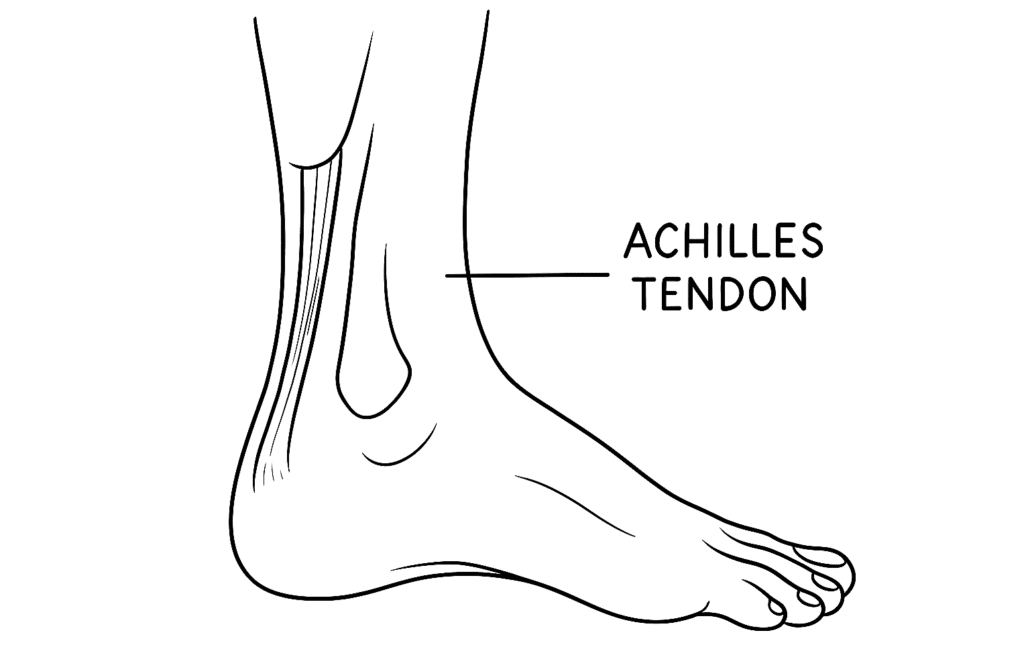
Achilles tendon pain is a common issue, especially for individuals over 30, though active younger people and athletes also experience it. The Achilles tendons are strong cords that connect muscles to bones. Pain often results from repetitive movements, poor posture, prolonged sitting, or untreated minor injuries that escalate over time. Eventually, inflammation sets in due to strain, stress, and small tears.
Symptoms of Achilles Tendonitis
- Pain or swelling in the back of the heel
- Tight calf muscles
- Limited range of motion when flexing the foot
- Warmth in the heel area
Achilles tendonitis can often be treated with rest, ice/heat therapy, physical therapy, or anti-inflammatory foods and herbs. More severe or chronic cases may require long-term care, especially if a rupture or significant tear has occurred. Always consider an ultrasound before pursuing injections or surgery.
Reducing the Risk of Achilles Tendonitis
- Alternate high-impact and low-impact activities—e.g., basketball and swimming
- Ease gradually into new exercise routines
- Wear shoes with proper arch support and cushioning
- Women transitioning from high heels to flats should do so gradually
- Stretch calf muscles daily and before/after exercise
- To stretch: Stand with one leg straight, heel on the ground, and lean forward
Nutrition for Tendon and Joint Health
Certain foods support healing of connective tissues and help prevent joint-related conditions. Collagen and collagen-boosting foods are especially helpful.
Top Foods for Tendon and Joint Support
- Bone Broth: Contains glucosamine, chondroitin, calcium, magnesium, phosphorus, silicon, and sulfur
- Sulfate-rich vegetables: Broccoli, cauliflower, garlic, cabbage, and onions support cartilage repair
- Bioflavonoids: Found in blueberries, cherries, cinnamon, red cabbage, onions, and acai; strengthen collagen fibers
- Zinc-rich foods: Lamb, grass-fed beef, oysters, pumpkin and sesame seeds
- Copper-rich foods: Avocado, cacao, sesame seeds, sunflower seeds, and cashews
Helpful Supplements
- Vitamin C: Speeds fracture healing, reduces oxidative stress and cartilage damage
- Turmeric: Contains curcumin and turmerone to reduce inflammation and support stem cell growth
- Omega-3s: Found in salmon, tuna, sardines, anchovies; reduce joint inflammation
- Glucosamine: Supports collagen and tissue integrity
- Chondroitin: Enhances cartilage resilience and bounce
- Spirulina: Rich in nutrients and superoxide dismutase, which reduces inflammation
Natural Pain Relief Options
- Cinnamon Leaf and Red Carnation Essential Oils: Used in Traditional Chinese Medicine to ease aches, pains, and stiffness
- CBD Pomade: Contains peyote, mint, and eucalyptus; relieves joint and tendon pain
#AchillesPain
#TendonHealth
#NaturalPainRelief
#JointSupport
#AntiInflammatoryFoods
#CollagenBoost
#EssentialOils
#NaturallyMazcal

