Vision Decline Help
Naturally

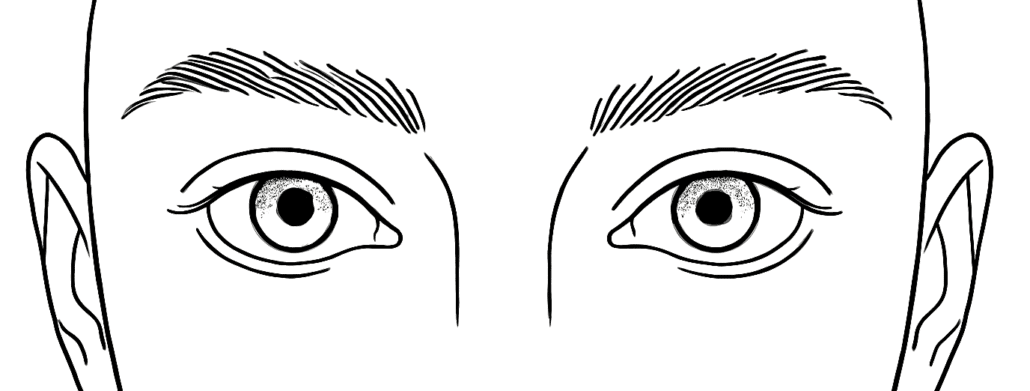
Mainstream medicine often dismisses vision decline as a normal part of aging. But while common, deteriorating eyesight isn’t necessarily natural or healthy.

How Healthy Eyes Work

  • Light enters through the lens.
  • The lens focuses the image onto the retina at the back of the eye.
  • The retina sends visual signals along the optic nerve to the brain.
  • The lens flexes to focus: relaxed for distant objects, tight for close-up.

As we age, our lenses lose flexibility, making it harder to focus on nearby objects. Protective molecules in the lens become stiff and brittle.

The Real Problem: ROS Toxins

Reactive Oxygen Species (ROS) are toxic byproducts that form even during normal body functions. While small amounts serve a purpose, excess ROS are harmful and contribute to:

  • Glaucoma
  • Diabetic retinopathy
  • Age-related macular degeneration

ROS toxins are unavoidable—found in plastics, processed foods, tap water, and more.

Blue Radiation Threat

Modern light sources such as LED bulbs, smartphone screens, TVs, and computers emit blue UV light that strains the eyes and speeds up lens degradation. Blue light is especially damaging for adults over 30, increasing the load of vision-destroying toxins in the lens.

Why Modern Treatments Fall Short

  • Eyeglasses only bend light. They don’t repair the lens or retina and may worsen vision over time due to stronger prescriptions.
  • Laser surgery is costly, risky, and offers only a temporary fix.

In contrast, ancient cultures protected their vision using natural remedies found in flowers. Science is now catching up.

Flower-Based Natural Remedies

While carrots offer minimal eye protection due to limited carotenoids, two flowers stand out for their potent vision benefits:

  • Cempasúchil (Tagetes erecta) – Also known as dwarf marigold, this vibrant orange flower native to Mexico is rich in carotenoids that protect the eyes from Blue Radiation. The same pigments responsible for its color also shield your vision.
  • Saffron (Crocus sativus L.) – Contains crocin and crocetin, carotenoid compounds with powerful anti-inflammatory, antioxidant, neuroprotective, and macula-regenerating effects. Studies show saffron may also support mood, heart health, and immune function.

These flowers can be consumed in tea or taken as tinctures (sublingually) to support and potentially restore healthy vision.


#visionhealth
#naturalvision
#maculadegeneration
#rosfree
#bluelightprotection
#cempasuchil
#saffronbenefits
#eyestrainrelief
#carotenoids
#herbalremedies

Varicose Veins

Bulging leg veins are not only unsightly but often painful. Fortunately, they can be treated naturally to reduce their appearance and discomfort.

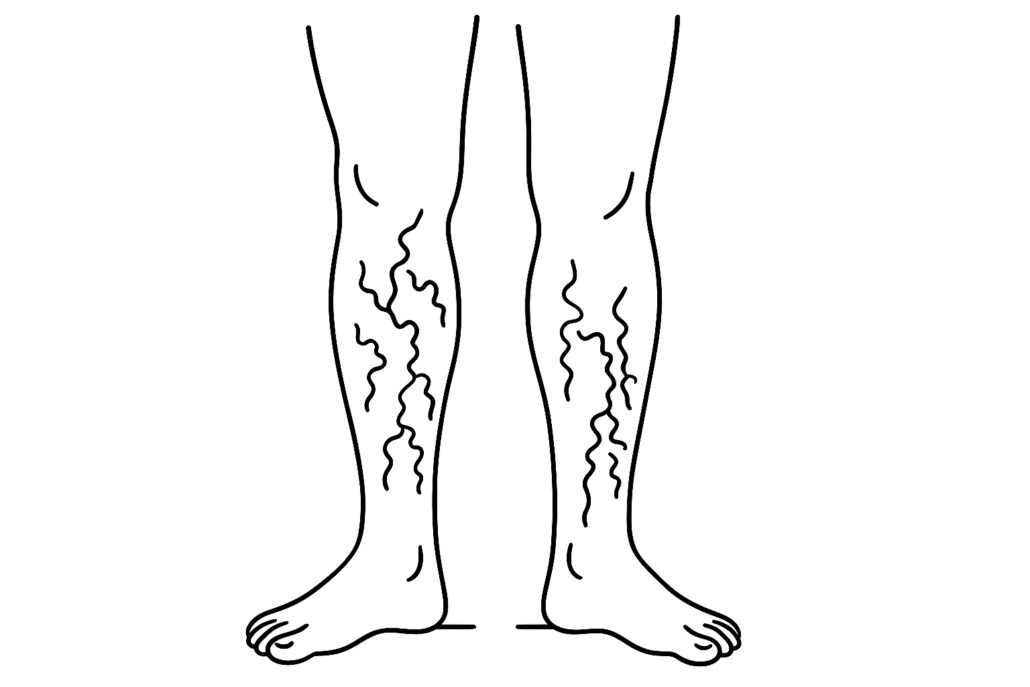
Varicose veins occur when leg veins become enlarged and overfilled with blood. These veins appear swollen, raised, bluish-purple or red, and often develop on the lower legs, especially in women.

The condition is caused by malfunctioning vein valves. These valves normally keep blood flowing in one direction—toward the heart. When they fail, blood pools in the veins, leading to swelling and enlargement. Since leg veins are farthest from the heart, gravity makes it harder for blood to flow upward.

Common causes include pregnancy, menopause, aging (over 40), prolonged standing, and obesity.

Symptoms of Varicose Veins

  • Visible, misshapen veins on the legs
  • Pain, swelling, and heaviness in the legs
  • Achiness around enlarged veins
  • In severe cases, skin ulcers

Diagnosis and Medical Treatments

Without treatment, varicose veins typically worsen. In severe cases, complications such as ulcers, blood clots, or ruptured veins can occur. Doctors may recommend invasive procedures, including:

  • Ultrasound – Noninvasive test to examine blood flow
  • Venogram – X-ray after injecting dye to assess for blockages
  • Vein ligation and stripping – Surgical removal of varicose veins
  • Sclerotherapy – Chemical injection to seal larger veins
  • Microsclerotherapy – Similar treatment for smaller veins
  • Laser surgery – Light energy used to block off a vein
  • Endovenous ablation – Heat and radiofrequency seal veins
  • Endoscopic vein surgery – Minimally invasive scope-assisted vein treatment

Lifestyle and Dietary Changes

  • Avoid prolonged standing
  • Maintain a healthy weight
  • Exercise regularly to improve circulation
  • Wear compression stockings

Weight loss reduces pressure on the veins and decreases discomfort. Compression stockings help alleviate aching and swelling. Additionally, certain dietary changes can support vein health:

  • Reduce sodium intake to avoid water retention
  • Increase potassium-rich foods like almonds, pistachios, lentils, white beans, potatoes, leafy greens, and fish (salmon, tuna)
  • Eat more flavonoid-rich foods to improve blood flow and reduce pressure in veins. These include onions, bell peppers, spinach, broccoli, citrus fruits, grapes, cherries, apples, blueberries, cacao, and garlic.

Additional lifestyle tips include wearing loose-fitting clothes, avoiding high heels, elevating the legs, and gentle leg massage. Frequent movement throughout the day helps keep blood flowing.

Herbal Natural Remedies

  • Grape Seed Extract – Relieves symptoms of poor circulation, including varicose veins
  • Bilberry (Vaccinium myrtillus) – Contains anthocyanosides, known for antioxidant and vein-strengthening benefits
  • Centella Asiatica – Improves microcirculation and reduces leg heaviness, pain, and edema
  • Horse Chestnut Extract – Eases itching and heaviness in chronic venous insufficiency
  • Chamomile (Matricaria chamomilla) – Strengthens venous walls, reduces inflammation and visibility of varicose veins
  • Ginkgo Biloba – Enhances capillary blood flow, supports microcirculation, and helps relieve cold extremities

#varicoseveins
#naturalremedies
#circulation
#flavonoids
#centellaasiatica
#horsechestnut
#chamomile
#microcirculation
#compressionstockings
#veinhealth

Undernourishment of the Obese Rich
and Underfed Poor

The U.S. and Mexico share a common problem: many people are simultaneously overweight and undernourished, while others live in poverty with not enough to eat.

The outcomes are sometimes visible and sometimes hidden. Both the wealthy and the poor consume excessive amounts of junk food and sugary drinks—foods full of empty calories. The rich often indulge for comfort, while the poor consume what they can afford.

Some nutritionists oversimplify the issue, claiming that the solution lies in everyone eating healthy, nutrient-dense foods. But today’s realities make that utopian advice difficult to follow. First, truly nutritious foods—such as organic vegetables, range-fed animal meats, and wild-caught fish—are expensive and difficult to obtain in densely populated areas. Second, recent global events, including pandemic-related fear and broken supply chains, have triggered food shortages and misguided health restrictions.

Many health problems begin at childbirth. Wealthier parents often avoid breastfeeding, while poorer mothers tend to breastfeed out of necessity. Breastfeeding transfers vital hormones and immunity from mother to child. However, if a mother’s diet is nutritionally poor, even her milk may lack essential nutrients, leading to stunted growth in children. On the other hand, many bottle-fed children become obese by adulthood due to cheap, high-calorie foods. An overweight teenager in a wealthy country like the U.S. may still be severely deficient in the micronutrients essential for optimal health.

The ideal diet includes fruits, vegetables, whole grains, and beans. Yet much of the population in the U.S. and Mexico has developed a preference for snacks loaded with refined carbs, sugar, and ultra-processed ingredients. These poor diets now contribute to more deaths than smoking and are linked to chronic microbiome damage and lifelong disorders, including:

  • Inflammatory Bowel Disease (IBD)
  • Irritable Bowel Syndrome (IBS)
  • Obesity
  • Type 2 Diabetes
  • Atopic Dermatitis (eczema), often accompanied by asthma or hay fever

There is no pharmaceutical cure for eczema, but a cream and tincture made from Chilcoatl (Heliopsis longpipes) can help reduce symptoms.

Natural foods can correct most undernourishment and microbiome issues. An alkaline diet lowers inflammation and increases good bacteria in the gut, while antioxidant-rich foods protect against oxidative damage.

Anti-Inflammatory Foods

  • Organic or Mexican-grown vegetables: Rich in phytonutrients that reduce symptoms of arthritis, Alzheimer’s, cancer, heart disease, and diabetes. Include beets, carrots, broccoli, cabbage, cauliflower, dark leafy greens, kale, spinach, onions, peas, salad greens, sea vegetables, and squashes.
  • Fresh fruits: Antioxidants help prevent cancer and support brain health. Eat avocados, apples, berries, cherries, nectarines, oranges, pears, grapefruit, plums, pomegranates, and strawberries.
  • Herbs, spices, and teas: Use turmeric, ginger, basil, oregano, thyme, green tea, and organic coffee.
  • Probiotics: Populate the gut with good bacteria. Try fermented foods like kefir and cultured vegetables, or Maz-Mix, a multi-herb, omega-3-rich probiotic/prebiotic formula with 22 amino acids.
  • Wild-caught fish, cage-free chicken, and pasture-raised meats: Higher in omega-3s and rich in zinc, selenium, and B vitamins.
  • Healthy fats: Include grass-fed butter, coconut oil, extra virgin olive oil, nuts, and seeds.
  • Ancient grains and legumes: Consume two to three servings daily of nutrient-dense Aztec plants such as quelite, amaranth, quinoa, black beans, chickpeas, lentils, and black rice.
  • Moderation foods: Enjoy small amounts of red wine and dark chocolate (high in cocoa) daily.

#obesity
#malnutrition
#junkfood
#micronutrients
#guthealth
#alkalinediet
#antiinflammatory
#herbalremedies
#probiotics
#eczema

Triglycerides Simplified – Naturally

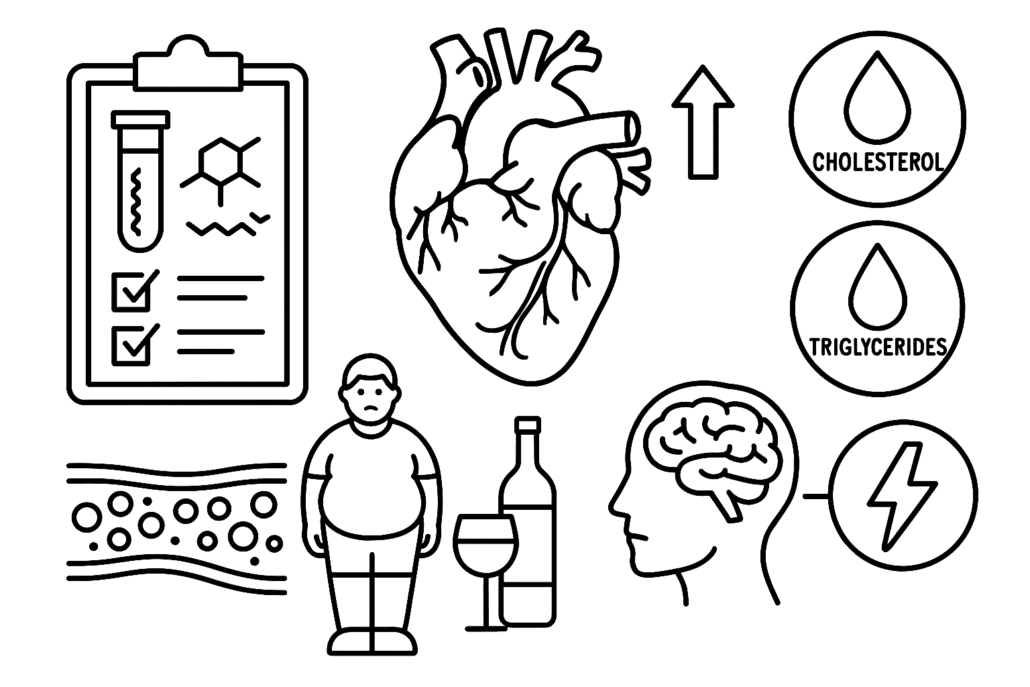
High triglycerides and high cholesterol levels can be dangerous. Left unchecked, they may lead to heart attacks and strokes. While we do need healthy levels of both to survive, excess levels pose serious health risks, including heart disease, diabetes, liver failure, and Alzheimer’s.

It might seem like a good idea to take prescription drugs to lower triglycerides as much as possible—but not so fast. Our body actually needs triglycerides. While often vilified, triglycerides perform critical functions that support overall health.

What Are Triglycerides?

Triglycerides are fats stored in the liver for future energy use. When we consume more calories than needed, those extra calories are stored as fat in the form of triglycerides, ready to be used when energy is low.

Functions of Triglycerides

  • Insulation and Protection: Fatty tissue under the skin helps regulate body temperature and cushions organs from trauma.
  • Vitamin Absorption: Fat-soluble vitamins A, D, E, and K rely on triglycerides to enter the bloodstream.
  • Cellular Support: Triglycerides help form cell membranes, maintaining cellular integrity and function.

What Causes High Triglycerides?

Normal triglyceride levels are under 150 mg/dL. Levels over 200 mg/dL are considered high. Several conditions can contribute to elevated triglycerides:

  • Underactive Thyroid: Slow metabolism leads to fat storage.
  • Poorly Managed Type 2 Diabetes: Insulin resistance prevents fat breakdown.
  • Kidney Disease: Impaired clearance of triglycerides from the bloodstream.
  • Excess Alcohol: Overburdens the liver and increases fat in the blood.
  • Metabolic Syndrome: A cluster of conditions including high blood pressure, obesity, and high cholesterol.
  • Medications: Including contraceptives, diuretics, antipsychotics, and corticosteroids.

Health Risks from High Triglycerides

  • Acute Pancreatitis: Especially in heavy alcohol consumers.
  • Heart Attack and Stroke: Caused by arterial blockages from excess blood fat.
  • Non-Alcoholic Fatty Liver Disease: Fat accumulation replaces healthy liver tissue.
  • Peripheral Artery Disease: Reduced blood flow causes limb pain and numbness.
  • Eye Disorders: Such as lipemia retinalis—fat buildup in ocular blood vessels.
  • Alzheimer’s Risk: High triglyceride levels at midlife are associated with increased Aβ and tau proteins.

How to Lower Triglycerides Naturally

Doctors often prescribe statins for high triglycerides, but these drugs come with risks including muscle pain, memory loss, and links to Parkinson’s, type 2 diabetes, and breast cancer. Fortunately, there are natural ways to balance triglycerides without harmful side effects.

  • Lose 5% of Body Weight: Even small weight loss can reduce triglyceride levels.
  • Cut Sugar: Excess sugar is a direct contributor to high triglycerides—even in children.
  • Reduce Carbs: Lower carbohydrate intake significantly lowers triglyceride levels—more effectively than low-fat diets.
  • Increase Fiber: Fiber helps reduce fat and sugar absorption. Maz-Mix offers fiber and omega-3 benefits.
  • Eat Fatty Fish: Salmon and sardines are rich in omega-3s that lower triglycerides. Aim for two servings weekly.
  • Limit Alcohol: Alcohol, even in moderation, can raise triglyceride levels.
  • Exercise Regularly: Physical activity raises HDL (“good” cholesterol), which helps reduce triglycerides. Walking, biking, or swimming are excellent options.

In conclusion, triglycerides are essential for your health, but only in balanced amounts. With natural lifestyle changes—focusing on weight management, a clean diet, and regular movement—you can manage your triglyceride levels effectively, avoid medication side effects, and protect your heart, brain, and liver for years to come.


#Triglycerides
#HeartHealth
#NaturalHealing
#Cholesterol
#AlzheimersPrevention
#MazMix
#HealthyFats
#NaturallyMazcal

The Pelvic Floor Muscle:
Incontinence & Sexual Health

The pelvic floor plays a foundational role in the human body—impacting childbirth, movement, and sexual function. This deep, interwoven cradle of muscles, nerves, and ligaments supports vital organs, including the digestive and reproductive systems.

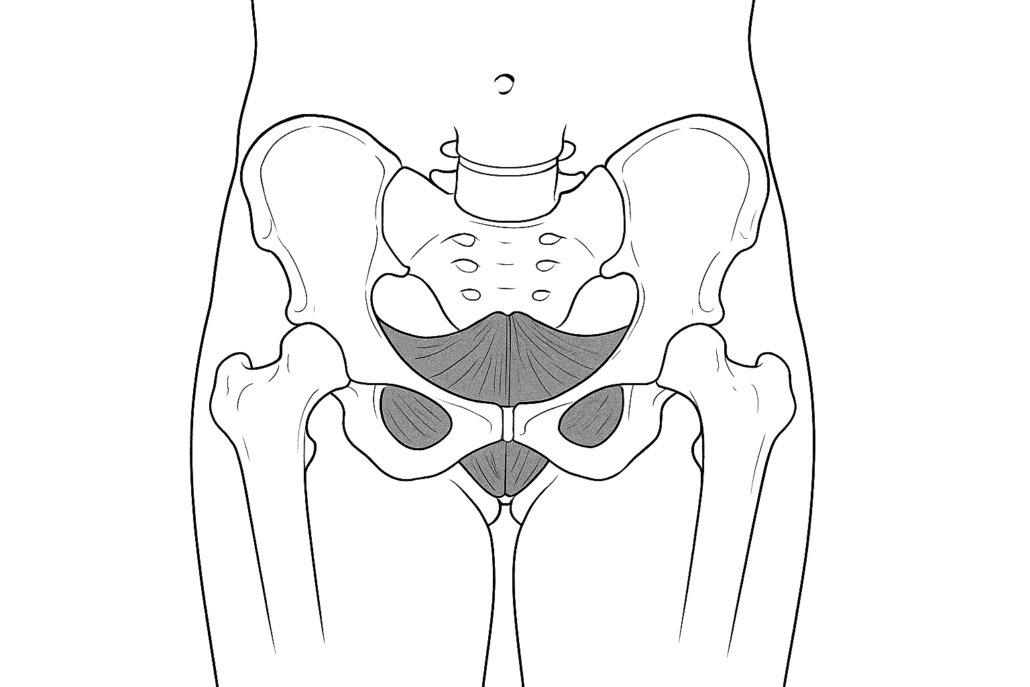
Located at the base of the pelvis, the pelvic floor muscles support both male and female reproductive organs, the urinary tract, prostate, and digestive tract. These muscles are essential for controlling bladder and bowel functions, helping to prevent incontinence.

Understanding Pelvic Floor Function

Pelvic muscles relax to allow urination, passing gas, or bowel movements, and contract to prevent leakage. You can test your pelvic floor by trying to stop your urine midstream—though this should not be done frequently, as it may be harmful.

Pelvic Organ Prolapse Symptoms

  • Heaviness in the lower abdomen and genitals
  • Dragging sensation inside the vagina
  • Feeling like something is descending into the vagina
  • Difficulty maintaining an erection
  • Urgent or painful urination
  • Constipation or bowel strain
  • Lower back or pelvic pain
  • Discomfort during intercourse (in women)

Herbs for Pelvic Nerve Pain

  • St. John’s Wort – Known for antidepressant effects, it also supports nerve repair when taken as a tincture.
  • Skullcap – Relieves spasms and nerve-related pain; useful for tingling or sharp sensations.
  • Valerian – A sedative that aids in sleep and overall pain relief, especially from muscular and nerve tension.
  • Willow Bark – Contains natural salicin, offering anti-inflammatory and pain-relieving properties.

Kegel Exercises for Pelvic Health

Kegel exercises strengthen the pelvic floor muscles in both men and women. Benefits include improved bladder and bowel control and enhanced sexual function. These exercises are discreet and can be done anywhere.

How to Do Kegels

  1. Contract your pelvic floor muscles for 5 seconds (pulling in and lifting the genitals).
  2. Relax fully for 5 seconds.
  3. Repeat 10 times, at least three times per day.

Avoid using abdominal, leg, or buttock muscles, as they don’t target the pelvic floor. If your pelvic muscles get tired, pause and resume later. Gradually increase your hold and rest times to 10 seconds each.

When to Use Kegels

Do a Kegel before activities likely to cause leakage:

  • Standing up
  • Walking
  • Sneezing or coughing
  • Laughing

Practice while lying down, sitting, or standing. Standing is especially useful, as leaks often happen in that position.

In summary, maintaining a strong and functional pelvic floor is essential for urinary control, reproductive organ support, and overall sexual health. Through consistent exercise, natural remedies, and mindful awareness, we can support the core of our body—the root that anchors so many aspects of well-being.


#PelvicFloorHealth
#IncontinenceRelief
#KegelExercises
#PelvicOrganProlapse
#NaturalHealing
#NervePainRelief
#SexualHealth
#NaturallyMazcal

The Natural Rhythm of Life
The Circadian Rhythm

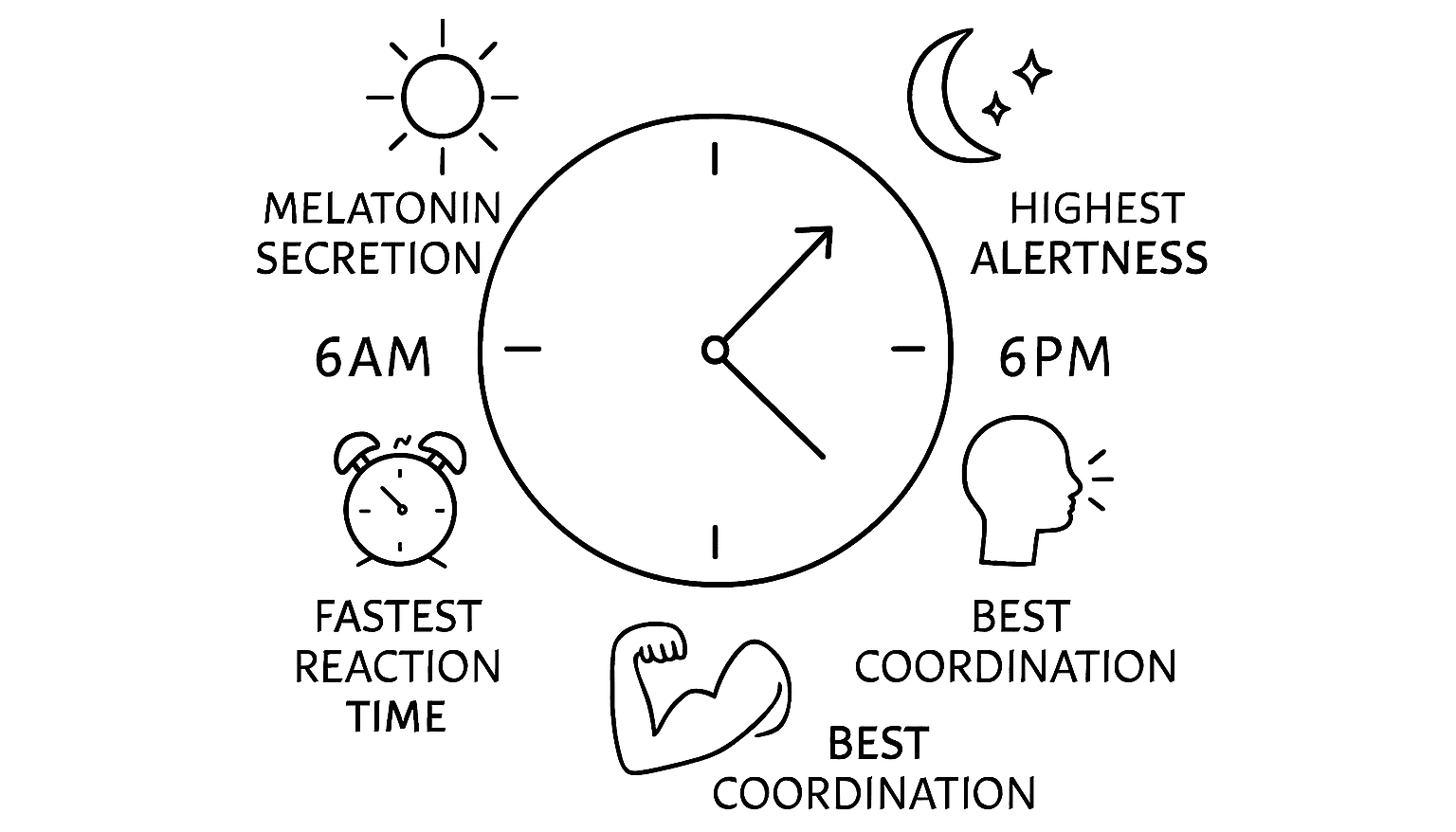
The word “circadian” comes from Latin, meaning “around the day.” The circadian rhythm is a natural, internal biological process that regulates the sleep-wake cycle and repeats roughly every 24 hours—but it does much more than that.

Circadian rhythms are physical, mental, and behavioral changes that follow a daily cycle, responding to light and darkness. Sleeping at night and being awake during the day is a common light-related circadian rhythm found in most living beings, including animals, microbes, and plants. The study of these rhythms is known as chronobiology.

Why a Healthy Circadian Rhythm Matters

A healthy circadian rhythm supports overall wellness and longevity. When disrupted, it can lead to a range of chronic conditions, such as:

  • ADHD
  • Asthma
  • Obesity
  • Arthritis
  • Stroke
  • Cancer
  • Insomnia
  • Depression
  • Diabetes
  • Hypertension
  • Kidney disease

Understanding the Body’s Internal Clocks

Biological clocks are innate timing devices composed of proteins that interact within nearly every cell, tissue, and organ in the body. These clocks are not the same as circadian rhythms—but they produce and regulate them.

The body’s master clock is located in the brain and is known as the suprachiasmatic nucleus (SCN). This cluster of approximately 25,000 neurons resides in the hypothalamus and receives input from the eyes. It synchronizes biological clocks throughout the body.

The Role of Light and Melatonin

Although internal, circadian rhythms are heavily influenced by external signals, especially daylight. Light exposure can trigger or suppress genes related to the molecular structure of biological clocks. The SCN controls melatonin production—a hormone that makes us sleepy—based on the amount of light received through the optic nerves. Less light (as in the evening) signals the brain to produce more melatonin.

Circadian Rhythm Disorders

Circadian rhythm disorders occur when our internal body clock is misaligned. Common symptoms include:

  • Trouble falling or staying asleep
  • Waking up in the night and struggling to return to sleep
  • Daytime fatigue or unrestful sleep

What Can Disrupt Circadian Rhythms?

  • Shift work
  • Jet lag or time zone changes
  • Use of stimulants or sleep medications
  • Irregular sleep schedules or sleep disorders like DSPS
  • Stress, mental health issues
  • Hormonal changes (e.g., pregnancy, menopause)

Treatments for Circadian Rhythm Disorders

The goal of treatment is to align your sleep schedule with your lifestyle. Approaches may include:

  • Bright light therapy: Exposure to light at specific times to reset your rhythm
  • Sleep hygiene: Optimizing bedtime routines and environments
  • Chronotherapy: Gradually shifting sleep times
  • Lifestyle changes: Limiting light exposure and avoiding caffeine in the evening
  • Medications: Stimulants or sleep aids to regulate the cycle

Tips for Supporting Natural Rhythms

Circadian rhythms affect sleep, hormone release, digestion, temperature, and other vital functions. Even minor disruptions can lead to long-term issues. Excess screen time from mobile devices, especially at night, may negatively affect circadian rhythms. Research suggests those struggling with weight loss may benefit from aligning meals and fluids between 6 a.m. and 6 p.m. Herbal teas and tinctures should be consumed in the morning. It’s also recommended to avoid electronics at least one hour before bedtime to support healthy sleep cycles.

In summary, circadian rhythms are more than just sleep patterns—they orchestrate our physical, emotional, and mental well-being. By nurturing these rhythms through consistent routines, daylight exposure, and healthy lifestyle habits, we align ourselves with the natural flow of life and promote long-term wellness.


#CircadianRhythm
#NaturalSleep
#Chronobiology
#SleepHealth
#BiologicalClock
#NaturalHealing
#LightTherapy
#NaturallyMazcal

The Importance of Vitamin D – Naturally

Vitamin D (also known as “calciferol”) is essential to our health. A deficiency in this vital nutrient can lead to serious health problems. Humans can produce Vitamin D endogenously when the skin is exposed to ultraviolet (UV) rays from sunlight, which triggers synthesis—earning it the nickname “the sunshine vitamin.” It is also naturally found in certain foods, can be added to others, and is available as a dietary supplement. Given its importance, there is no reason to be deficient in Vitamin D. It plays a key role in regulating mood, supporting immune cells, and more. It is estimated that more than 50% of the North American population is deficient.

I live in Puerto Vallarta, Jalisco, Mexico, where we enjoy over 300 days of sunshine per year. Many visitors from northern parts of the U.S. and Canada aren’t so lucky, which is likely one reason they flock to our sunny city during winter months.

People with darker skin tones and older adults have a reduced ability to synthesize Vitamin D and should include dietary sources or supplements to avoid deficiency. The recommended dietary allowance (RDA) for Vitamin D is 600 IU for children and adults up to 70 years of age, and 800 IU for adults over 70.

From March through September, most people can get enough Vitamin D from sunlight and a healthy diet. However, from October to February, when sun exposure is limited, supplementation may be necessary. Caution is required—consuming more than 100 micrograms (4,000 IU) per day over time can cause calcium buildup in the body (hypercalcaemia), potentially damaging the bones, kidneys, and heart.

Benefits of Vitamin D

  • Aids Weight Loss: Low Vitamin D levels are common in individuals with high body fat. Supplementing can enhance weight loss and fat metabolism.
  • Increases Bone Strength: Vital for calcium absorption and phosphorus metabolism, which are key to bone stability and strength.
  • Improves Mental Health: Supports brain health and has been linked to reduced risk of depression, anxiety, Alzheimer’s, bipolar disorder, and schizophrenia. Low levels are tied to impaired cognitive function in older adults.
  • Boosts Immune Function: Vitamin D3 is critical to immune cell function. Low levels are associated with increased susceptibility to respiratory infections.
  • Fights Cancer Cells: Plays a role in tumor suppression and cell regulation. Deficiency has been linked to increased risk of cancers including breast, colorectal, ovarian, kidney, prostate, and stomach cancer.

Foods Rich in Vitamin D

  • Beef liver
  • Cod
  • Egg yolks
  • Herring
  • Mackerel
  • Red meat
  • Tuna
  • Sardines
  • Wild-caught salmon

In summary, Vitamin D is vital for nearly every aspect of our physical and mental health. From bone strength to immune resilience and even cancer prevention, its influence is far-reaching. Whether through safe sun exposure, mindful diet choices, or supplementation when necessary, ensuring adequate Vitamin D intake is a cornerstone of natural health and disease prevention.


#VitaminD
#NaturalHealth
#SunshineVitamin
#ImmuneSupport
#BoneHealth
#MentalWellness
#CancerPrevention
#NaturallyMazcal

The Importance of Magnesium – Naturally

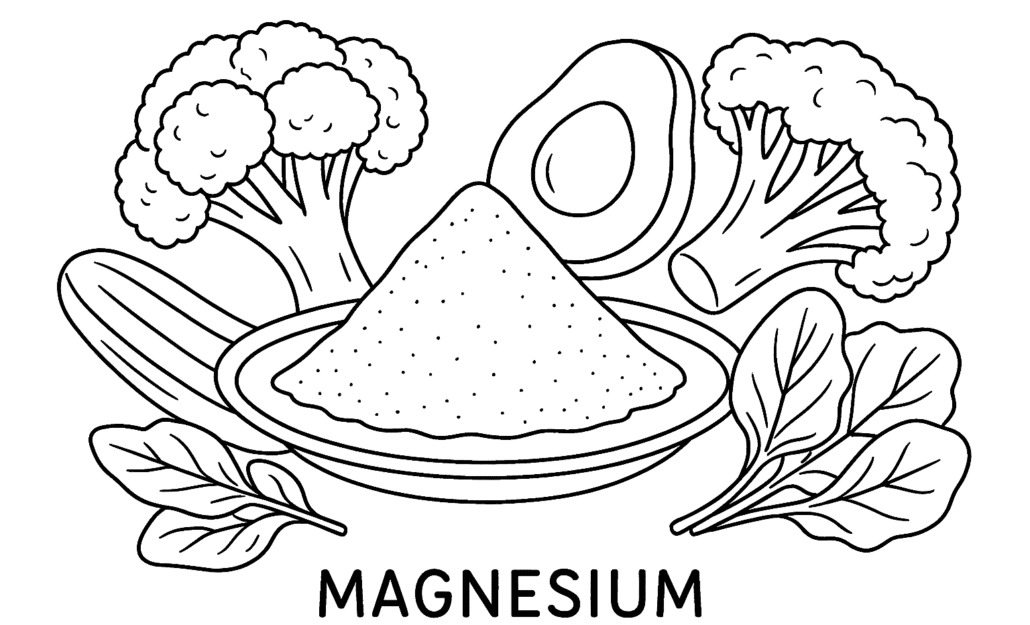
About 50% of the population is low in magnesium. A deficiency in this essential mineral can contribute to diabetes, heart disease, mood disorders, migraines, muscle cramps, and more. Magnesium is found in the earth, sea, plants, animals, and is the fourth most abundant mineral in the human body. Approximately 60% of magnesium is stored in bones, with the rest distributed in blood, muscles, and every cell of the body.

Magnesium plays a crucial role in over 600 biochemical enzyme reactions, including:

  • Converting food into energy
  • Maintaining genes
  • Creating and repairing DNA and RNA
  • Building new proteins from amino acids
  • Contracting and relaxing muscles
  • Regulating neurotransmitters that communicate with the brain and nervous system

Organic Plant Sources of Magnesium

  • Avocado
  • Almonds, peanuts, cashews
  • Raisins, pumpkin seeds
  • Green leafy vegetables (spinach, kale, broccoli)
  • Carrots, potatoes
  • Rice, oatmeal
  • Bananas, apples
  • Cocoa powder and dark chocolate

Animal Sources

  • Chicken
  • Beef
  • Halibut
  • Salmon

The magnesium found naturally in food is not harmful and has no upper consumption limit. However, magnesium supplements should not exceed recommended levels. Adults can safely consume 320–420 mg of magnesium per day. The body excretes excess magnesium through urine once levels are adequate.

Causes and Signs of Magnesium Deficiency

Magnesium deficiency can result from chronic alcoholism, Crohn’s disease, celiac disease, intestinal surgery, or certain medications.

Early symptoms include:

  • Fatigue
  • Loss of appetite
  • Muscle cramps
  • Nausea and vomiting
  • Weakness

Advanced deficiency symptoms:

  • Abnormal heart rhythms
  • Coronary spasms
  • Personality changes
  • Numbness or tingling
  • Seizures

Types of Magnesium Supplements

  • Magnesium Citrate: Easily absorbed; also used to treat constipation
  • Magnesium Oxide: Used for heartburn and constipation; poorly absorbed
  • Magnesium Chloride: Orally absorbed, treats muscle soreness when applied topically
  • Magnesium Lactate: Gentle on digestion, suitable as a supplement
  • Magnesium Malate: Easily absorbed with minimal laxative effect
  • Magnesium Taurate: Contains taurine; supports blood sugar and pressure regulation
  • Magnesium L-Threonate: Supports brain health, memory, and mood
  • Magnesium Sulfate (Epsom salts): Soothes stress and muscle pain; does not raise magnesium levels
  • Magnesium Glycinate: Used for anxiety, depression, and insomnia; calming effects

Kidney disease patients should avoid high magnesium doses. Signs of magnesium toxicity include:

  • Nausea
  • Vomiting
  • Diarrhea
  • Muscle weakness
  • Irregular breathing
  • Lethargy
  • Urinary retention

When to Take Magnesium

Magnesium supplements are most effective when taken at the same time daily. For improved sleep, take magnesium about two hours before bedtime to help you relax.

As always, I recommend getting your magnesium from natural, organic plant-based sources whenever possible.


#Magnesium
#NaturalHealth
#MineralDeficiency
#MuscleCramps
#MoodSupport
#MagnesiumSupplements
#OrganicNutrition
#NaturallyMazcal

Achilles Tendon Pain Relief – Naturally

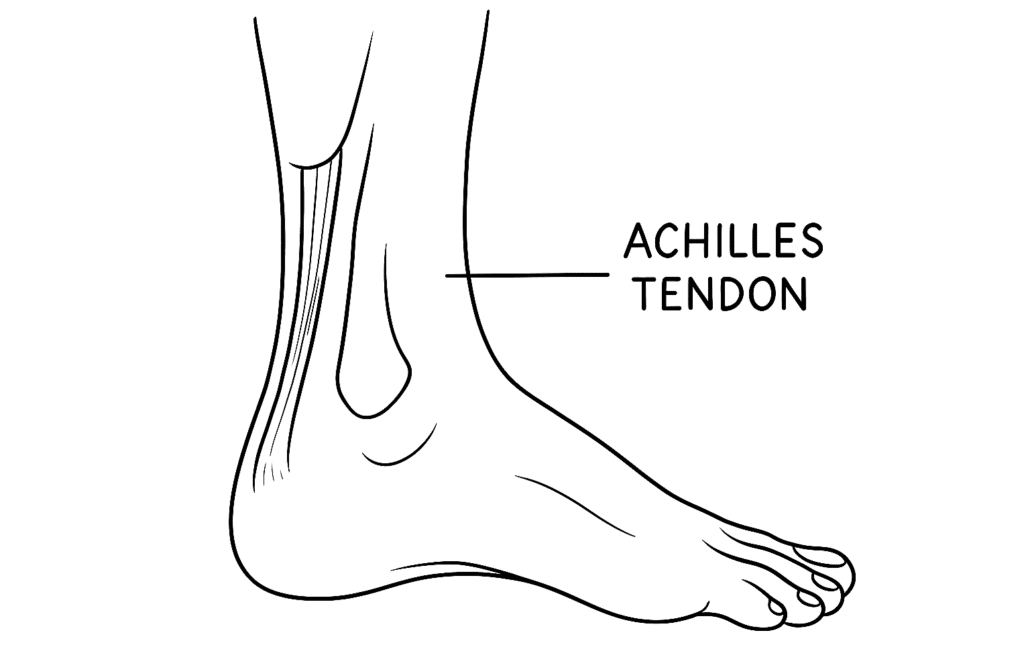
Achilles tendon pain is a common issue, especially for individuals over 30, though active younger people and athletes also experience it. The Achilles tendons are strong cords that connect muscles to bones. Pain often results from repetitive movements, poor posture, prolonged sitting, or untreated minor injuries that escalate over time. Eventually, inflammation sets in due to strain, stress, and small tears.

Symptoms of Achilles Tendonitis

  • Pain or swelling in the back of the heel
  • Tight calf muscles
  • Limited range of motion when flexing the foot
  • Warmth in the heel area

Achilles tendonitis can often be treated with rest, ice/heat therapy, physical therapy, or anti-inflammatory foods and herbs. More severe or chronic cases may require long-term care, especially if a rupture or significant tear has occurred. Always consider an ultrasound before pursuing injections or surgery.

Reducing the Risk of Achilles Tendonitis

  • Alternate high-impact and low-impact activities—e.g., basketball and swimming
  • Ease gradually into new exercise routines
  • Wear shoes with proper arch support and cushioning
  • Women transitioning from high heels to flats should do so gradually
  • Stretch calf muscles daily and before/after exercise
  • To stretch: Stand with one leg straight, heel on the ground, and lean forward

Nutrition for Tendon and Joint Health

Certain foods support healing of connective tissues and help prevent joint-related conditions. Collagen and collagen-boosting foods are especially helpful.

Top Foods for Tendon and Joint Support

  • Bone Broth: Contains glucosamine, chondroitin, calcium, magnesium, phosphorus, silicon, and sulfur
  • Sulfate-rich vegetables: Broccoli, cauliflower, garlic, cabbage, and onions support cartilage repair
  • Bioflavonoids: Found in blueberries, cherries, cinnamon, red cabbage, onions, and acai; strengthen collagen fibers
  • Zinc-rich foods: Lamb, grass-fed beef, oysters, pumpkin and sesame seeds
  • Copper-rich foods: Avocado, cacao, sesame seeds, sunflower seeds, and cashews

Helpful Supplements

  • Vitamin C: Speeds fracture healing, reduces oxidative stress and cartilage damage
  • Turmeric: Contains curcumin and turmerone to reduce inflammation and support stem cell growth
  • Omega-3s: Found in salmon, tuna, sardines, anchovies; reduce joint inflammation
  • Glucosamine: Supports collagen and tissue integrity
  • Chondroitin: Enhances cartilage resilience and bounce
  • Spirulina: Rich in nutrients and superoxide dismutase, which reduces inflammation

Natural Pain Relief Options

  • Cinnamon Leaf and Red Carnation Essential Oils: Used in Traditional Chinese Medicine to ease aches, pains, and stiffness
  • CBD Pomade: Contains peyote, mint, and eucalyptus; relieves joint and tendon pain

#AchillesPain
#TendonHealth
#NaturalPainRelief
#JointSupport
#AntiInflammatoryFoods
#CollagenBoost
#EssentialOils
#NaturallyMazcal

Sleep Apnea & the Importance of Sleep

Sleep is essential for good health. Lack of sleep increases the risk of obesity, diabetes, cardiovascular disease, and other chronic illnesses. It may also elevate the risk of dementia, which can eventually lead to Alzheimer’s disease.

Understanding Obstructive Sleep Apnea (OSA)

OSA is a common sleep disorder that occurs when the upper airway repeatedly collapses during sleep, interrupting normal breathing. It affects people of all ages, though the risk increases with age.

In adults, the most common cause of OSA is excess weight or obesity. Soft tissue in the mouth and throat can relax too much during sleep, leading to airway obstruction.

Men with OSA often snore loudly—likened to a truck engine. In contrast, women may experience insomnia, fatigue, headaches, depression, and anxiety—symptoms often overlooked or misattributed, especially during menopause.

Treatment Options for Sleep Apnea

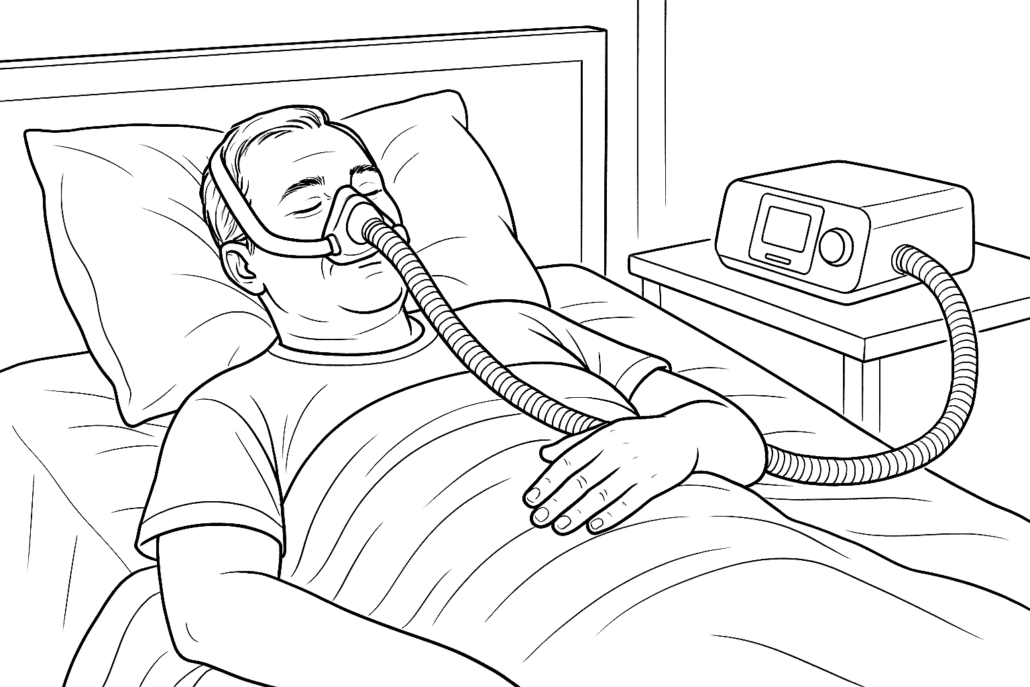
Positive airway pressure (PAP) therapy uses compressed air to keep airways open during sleep. It has been shown to reduce the likelihood of dementia, including Alzheimer’s disease, in older adults with OSA.

The most common form, continuous positive airway pressure (CPAP), delivers a steady stream of air through a mask. While effective, CPAP machines can be noisy and uncomfortable. Cold, dry air may irritate the eyes and sinuses, but adding a heated humidifier can help—just avoid setting it too high to prevent condensation buildup.

Left untreated, OSA can be life-threatening, increasing the risk of sudden cardiac death. Addressing sleep issues is critical for long-term health.

Lifestyle Changes for Sleep Apnea

  • Lose excess weight
  • Practice yoga or regular exercise to boost energy, heart health, and sleep quality
  • Modify sleep position—sleep on your side or stomach rather than your back
  • Use a humidifier with temperature control
  • Quit smoking

Herbal Remedies for Sleep Apnea

  • Chamomile: Take as a tincture or tea to improve sleep quality
  • Valerian root: Used for centuries to treat sleep disorders
  • Lemon balm: A citrus-scented mint family herb for stress, anxiety, and insomnia
  • Passionflower and Valerian: Combined tinctures enhance sleep quality
  • Magnolia and Tila flower tincture: Help with anxiety and insomnia
  • Tila flower and St. John’s Wort: Ease stress and improve sleep
  • Tart cherry juice: Helpful when you have trouble falling asleep
  • Kiwi and romaine lettuce: May improve sleep time and efficiency
  • Nettle tincture: A natural antihistamine during allergy season; may cause drowsiness
  • Walnuts: Contain melatonin—ideal as a bedtime snack

#SleepApnea
#BetterSleep
#OSA
#NaturalRemedies
#HerbalSleepAid
#CPAP
#TilaFlower
#NaturallyMazcal