Pesticide and Herbicide Consequences in Our Food Supply

Pesticides and herbicides are toxic to humans and have been linked to serious health effects, including cancer, damage to the immune and nervous systems, disrupted sleep, and metabolic disorders such as diabetes.

These chemicals are widely used in food production to control insects, bacteria, mold, fungus, rodents, and weeds. One of the most well-known herbicides, Roundup®, contains the active ingredient glyphosate and was introduced by Monsanto in 1974. Glyphosate is now one of the most widely used herbicides globally. In addition to post-harvest weed control, some farmers use glyphosate as a desiccant to force crops to ripen early before harvest.

Glyphosate has been classified as a probable carcinogen by major international health organizations. It is the subject of thousands of lawsuits brought by individuals diagnosed with cancer after years of exposure. In one landmark case, a school groundskeeper was awarded $289 million in damages after the jury determined that repeated exposure to Roundup® caused his non-Hodgkin’s lymphoma.

Glyphosate acts as an endocrine disruptor, interfering with hormone regulation. Studies have shown that at high doses, it may induce breast cancer in human cells and cause damage to blood cells. Even at low levels, glyphosate can increase oxidative DNA damage, raising the risk of cell mutations.

Now more than ever, it’s important to choose pesticide- and herbicide-free produce. While buying conventional fruits and vegetables may save money short-term, the long-term health costs can be significant. Pesticide exposure has been linked to disrupted sleep, which is critical to brain function, detoxification, and overall health. During sleep, cerebrospinal fluid clears waste from the brain. Poor sleep is associated with increased risk of heart disease and cancer.

Two common pesticides, carbaryl and carbofuran, have been shown to interfere with sleep and hormone regulation. Although these are banned in many countries due to toxicity, they are still permitted in the U.S. and used in agricultural production in other countries, including Mexico. Residues from these chemicals can remain in plants, food, and wildlife.

Choosing organic produce helps reduce pesticide intake and protect the environment. While organic options can be costly, there are alternatives. In Puerto Vallarta, for example, fresh and affordable organic vegetables can be found at weekly open-air markets, or Tianguis, which offer direct-from-the-farm produce.

Another solution is to grow your own food through organic gardening. It’s simple to get started, even for beginners. Organic gardening avoids synthetic fertilizers and pesticides while using natural methods to support plant health.

Tips for Starting an Organic Garden

  • Choose a location that receives 6 to 8 hours of sunlight daily.
  • Use nutrient-rich soil and maintain it with mulch.
  • Select plant varieties suitable for your local climate.
  • Practice crop rotation to maintain soil health.
  • Water efficiently and regularly.
  • Enjoy your fresh, organic harvest!

Growing your own food is a rewarding way to reduce chemical exposure, save money, and reconnect with nature.


#Pesticides
#Herbicides
#Glyphosate
#OrganicFood
#Roundup
#NonHodgkinLymphoma
#EndocrineDisruptors
#SleepHealth
#OrganicGardening
#VictoryGarden
#GrowYourOwn
#ChemicalFreeLiving
#HealthAndWellness
#Tianguis
#PuertoVallartaMarkets
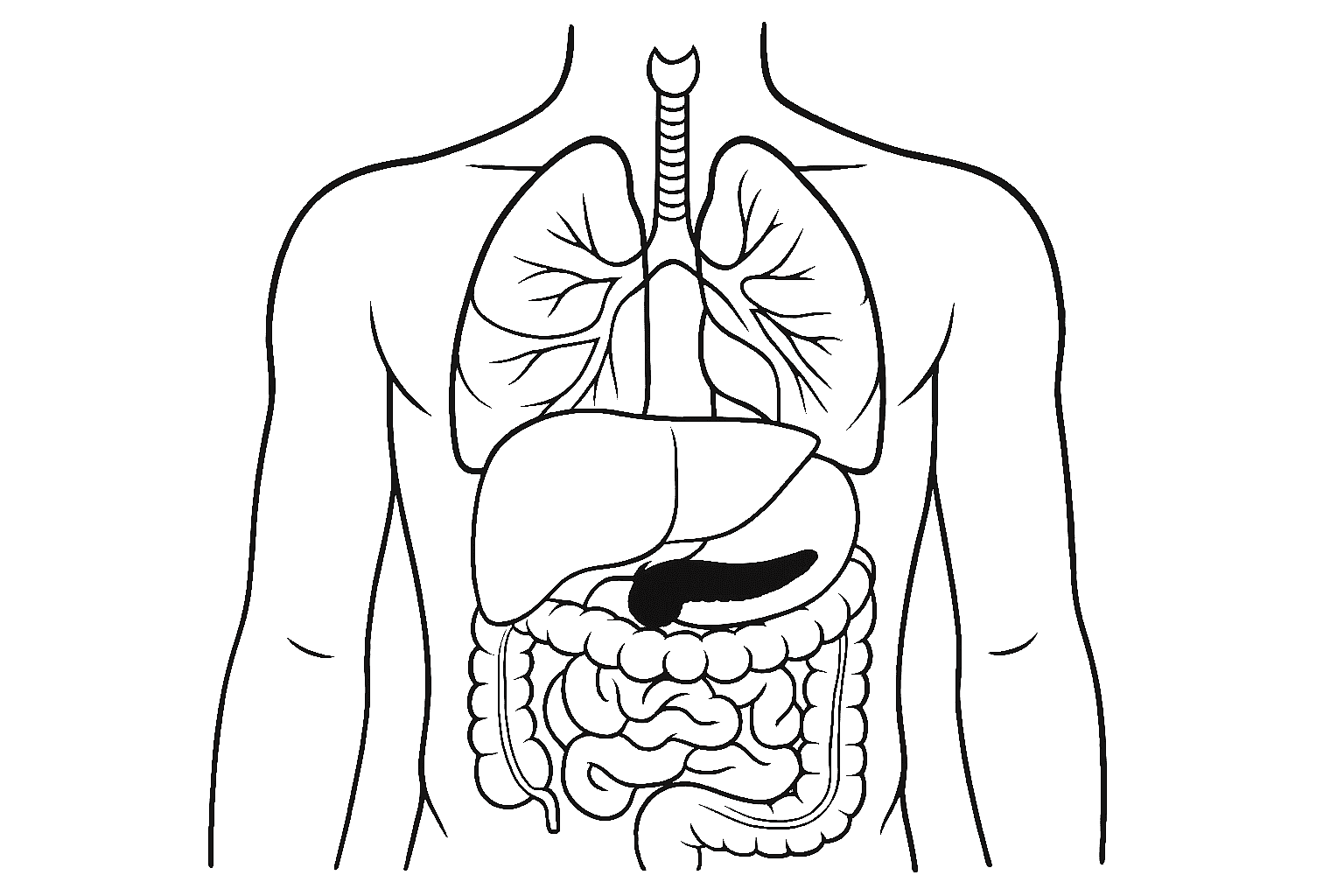
Nutrient Absorption

Get the most nutrition out of the food you eat: a tasty pizza or double-patty cheeseburger is not going to cut it!

We nourish our bodies by providing our bones with calcium to keep them strong, our muscles with protein to grow and repair, and our heart, brain, liver, kidneys, and thyroid with vitamins and minerals from fruits and vegetables.

Symptoms of nutrient deficiencies include fatigue, hair loss, dull and dry hair, and poor skin. When neglected, these deficiencies can lead to serious health problems.

For nutrients to be absorbed, food must undergo mechanical and chemical digestion. It begins in the mouth, where digestive enzymes in saliva start breaking down food. Chewing thoroughly is essential. In the stomach, proteins break down into amino acids and carbohydrates into glucose for energy or storage. The nutrients are then absorbed in the small intestine and delivered by the circulatory system to where they’re needed. Excess is stored or eliminated.

For optimal absorption, a healthy digestive system is critical. Poor gut health leads to poor nutrient absorption. Conditions like IBS, celiac disease, or other gastrointestinal issues can hinder digestion. Processed foods are often nutrient-poor, and high-sugar foods can deplete nutrients—especially magnesium. Medications such as antacids, blood pressure meds, antidepressants, and hormone therapies can also interfere with nutrient levels. Stress and alcohol further disrupt digestion and absorption.

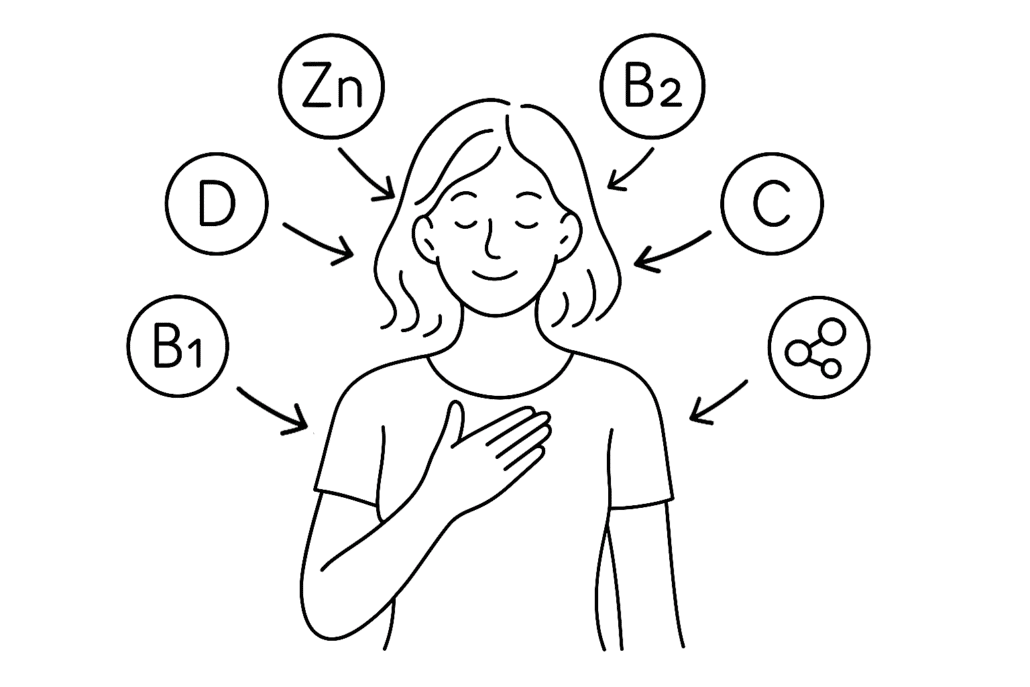
Stress increases the body’s need for certain nutrients, including vitamin C, B vitamins, and magnesium. When these become depleted, symptoms like fatigue and irritability appear, along with digestive changes and dull skin, nails, and hair.

To maximize absorption:

  • Eat a variety of colorful foods—such as roasted carrots, green pepper, zucchini, and celery in salads.
  • Pair plant-based iron sources (like legumes and dried fruit) with vitamin C-rich foods (oranges, salsas, cauliflower) to enhance iron bioavailability.
  • Include healthy fats in every meal to absorb fat-soluble vitamins A, D, E, and K. Use oil-based dressings like olive oil, and add nuts, seeds, and avocados to meals.

Polyunsaturated fat sources include:

  • Avocado
  • Flaxseed
  • Fatty fish: salmon, tuna, mackerel, herring, trout, sardines
  • Sunflower, sesame, and pumpkin seeds
  • Walnuts

Turmeric is a powerful anti-inflammatory herb. Its active ingredient, curcumin, is fat-soluble. For best absorption, consume turmeric with healthy fats and black pepper (piperine). Even a small amount of pepper can dramatically increase bioavailability.

Support gut health with probiotics to aid digestion and nutrient absorption. Probiotic-rich foods include kefir, kombucha, sauerkraut, and Maz-Mix digestive live fermentation drink.

Hydration is key—water helps transport nutrients in the blood. Avoid tea and coffee with meals, as polyphenols can block nutrient absorption, particularly iron. Choose instead fruit and vegetable juices that contain natural digestive enzymes, such as pineapple, melon, and papaya.

Alcohol damages the lining of the stomach and intestines and reduces digestive enzyme activity, impairing nutrient absorption. Stress increases cortisol levels, which slows digestion and interferes with the breakdown and uptake of food.

Nutrients are essential for critical biochemical reactions in the body. Our health depends on consistent intake of macronutrients, micronutrients, and water to function optimally.


#NutrientAbsorption
#DigestiveHealth
#Micronutrients
#HealthyFats
#Probiotics
#IronAbsorption
#Curcumin
#VitaminsAndMinerals
#GutHealth
#FoodAsMedicine
#AntiInflammatoryDiet
#Hydration

Medicinal Herbs for the Pancreas

The pancreas is a small gland located behind the stomach, and it plays a vital role in both digestion and blood sugar regulation. It produces gastric juices that help digest food and extract nutrients, and it also produces insulin, which controls blood glucose levels.

When the pancreas becomes overburdened, inflamed, or damaged—whether from poor diet, stress, or toxicity—our metabolism can be disrupted, and the risk of diseases such as pancreatitis, pancreatic insufficiency, and cancer increases. The late Steve Jobs, co-founder of Apple, battled pancreatic cancer for years and reportedly used herbal remedies to help extend his life.

Fortunately, many medicinal plants have been traditionally used to support the health of the pancreas. These herbs can be consumed as teas, tinctures, or capsules. Here are some of the most effective:

  • Licorice Root (Glycyrrhiza glabra)
    Licorice is known for its wide range of health benefits and has long been used to support pancreatic function. It also benefits the respiratory system, making it useful for conditions like asthma and colds. However, individuals with high blood pressure should use it with caution, as it can raise blood pressure.
  • Dandelion (Taraxacum officinale)
    Often dismissed as a common weed, dandelion is a powerful digestive aid. It stimulates bile production, easing the burden on the pancreas and liver. Dandelion may also help reduce the growth of cancerous cells in the pancreas. Take it as a tea or tincture at least once a day.
  • Cinnamon (Cinnamomum verum)
    This aromatic spice improves digestion and lowers blood sugar levels, making it very beneficial for the pancreas. Drink it as a tea or take it as a tincture, especially in the afternoon.
  • Quassia (Quassia amara)
    Rich in herbal actives including chlorophyll, Quassia is used in Latin America to reduce fevers and fight infections. It supports immune function, aids in digestion, and helps remove intestinal parasites—all of which indirectly support the pancreas.
  • Green Tea (Camellia sinensis)
    Green tea is a powerful antioxidant that helps with digestion, boosts immunity, and supports weight loss. For best results, drink it in the afternoon with a splash of lemon juice to also support kidney health.

You can choose any of these herbs—or combine several—to help maintain pancreatic health. Consistency is key, so take your chosen herbs daily as teas, tinctures, or capsules.

In addition to using herbs, support your pancreas by eating an alkaline, balanced diet low in fats, salt, and refined flours. Include plenty of seasonal fruits, green leafy vegetables, and freshly made natural juices.


#PancreasHealth
#HerbalRemedies
#LicoriceRoot
#DandelionBenefits
#CinnamonHealth
#QuassiaHerb
#GreenTeaBenefits
#NaturalHealing
#BloodSugarSupport
#DigestiveHealth
#PlantMedicine
#HolisticWellness

Managing Hot Flashes Naturally

Hot flashes are caused by hormonal fluctuations during transitions that women go through during their reproductive life. When hot flashes occur, organs don’t receive the correct signals to function adequately, leading to hormonal imbalances. Hormones are chemical messengers that control every organ in the body.

While the exact way hormones interact with the brain isn’t completely understood, there is a clear link between fluctuations in the female sex hormones—estrogen and progesterone—and regulation of the hypothalamus, the body’s thermostat. A lack of estrogen can confuse the hypothalamus into believing the body is overheating, triggering the brain to signal blood vessels to dilate and cool the body. The result: sweating and a sensation of heat.

This is why women experience hot flashes during times of hormonal imbalance such as puberty, PMS, menstruation, pregnancy, postpartum, and menopause. If estrogen and progesterone levels are not properly regulated, women may also experience psychological and physiological symptoms.

Causes and Contributing Factors

Specific hormonal changes and other factors can influence how a woman experiences hot flashes. Common contributing phases include:

  • Puberty – A girl’s body begins producing reproductive hormones, which can trigger hot flashes.
  • Pregnancy – Constant hormonal changes and weight gain can lead to hot flushes.
  • Postpartum and Breastfeeding – Hormonal shifts following childbirth may cause hot flashes.
  • Menopause – This transitional period involves a steady drop in reproductive hormones.

Although the full mechanism is complex and not entirely understood, most researchers agree that hormonal changes are the primary cause. Pre-existing conditions and lifestyle choices can also increase a woman’s risk.

Risk Factors

Psychological, behavioral, and health-related factors may increase the likelihood of hot flashes by influencing hormone levels. These include stress, poor sleep, diet, and underlying health conditions.

Common Symptoms of Hot Flashes

  • Sudden wave of heat, especially in the upper body (face and neck)
  • Flushed skin
  • Excessive sweating
  • Rapid heartbeat or palpitations
  • Occasional nausea, headaches, and anxiety

How Hot Flashes Are Diagnosed

Hot flashes can sometimes be disruptive enough to affect daily life. Diagnosis may involve identifying additional signs of hormonal imbalance, including:

  • Irregular or rapid heartbeat
  • Abnormal blood pressure or temperature fluctuations
  • Lab testing of reproductive hormone levels

Although hot flashes are not medically dangerous, they can impact social interactions, sleep, and emotional wellbeing. Women with hormone imbalances may also experience depression or anxiety.

Natural Treatments for Hot Flashes

The first step in managing hot flashes naturally is adopting a healthy lifestyle with good nutrition, regular exercise, and supportive habits. Treatment options include:

  • Pharmaceuticals: Contraceptives, Selective Serotonin Reuptake Inhibitors (SSRIs), and Hormone Replacement Therapy (HRT). Note: HRT has a history of side effects.
  • Herbal Therapies: Used for centuries, many herbs are rich in phytoestrogens—plant-based compounds that mimic estrogen by binding to estrogen receptors in the body.

Effective Herbal Remedies

  • Turmeric Tincture: Contains Curcuma longa and piperine; supports liver detox and helps balance hormones during menopause.
  • Licorice Root Tincture: Taking licorice extract three times a day for 8 weeks has been shown to reduce the severity and frequency of hot flashes. Rich in phytoestrogens.
  • Valerian Root Tincture: Helps reduce hot flash intensity, improves sleep, and positively influences serotonin levels.
  • Black Cohosh Tincture: Traditionally used by Native American cultures to relieve menopause symptoms. Note: Not recommended for women with estrogen-sensitive conditions such as breast, ovarian, or uterine cancer.

With the right combination of natural treatments and lifestyle changes, many women can significantly reduce or even eliminate hot flashes without the use of pharmaceuticals.

Lower LDL Cholesterol – Naturally

LDL (low-density lipoproteins) is often called “the bad” cholesterol because a high LDL level leads to a buildup of cholesterol in your arteries. But what should your LDL level be?

LDL (Bad) Cholesterol Level LDL Cholesterol Category
Less than 100 mg/dL Optimal
100–129 mg/dL Near optimal
130–159 mg/dL Borderline high
160–189 mg/dL High

LDL is the storage system of cholesterol. This is the cholesterol preferred for deposition when insulin levels rise. As you accumulate risk factors, 100 mg/dL or below is best—especially if you have documented heart history, vascular disease, or diabetes.

How can you lower your LDL cholesterol besides just using drugs?

A healthy lifestyle positively impacts your cholesterol profile regardless of the particle type. A healthy diet, regular exercise, and weight control all contribute to lowering LDL.

The only thing that helps raise HDL but not lower LDL is alcohol consumption. Alcohol may even increase LDL due to the sugars it contains, which stimulate insulin release.

Myth: Many people believe that to lower LDL, they should reduce cholesterol or fat in their diet. Reducing saturated and trans fats helps, but it’s more important to cut back on simple and processed carbohydrates and starchy foods such as bagels, white rice, cakes, cookies, chips, candy, and potatoes.

The worst cholesterol profiles are linked to highly processed carb diets. These carbs are digested quickly, spike blood sugar, and trigger insulin—a storage hormone that increases LDL levels.

Fiber and plant sterols are important for controlling LDL levels. Every time you eat, your liver and gallbladder release cholesterol-rich bile. If not used during digestion, bile is usually reabsorbed.

Plant sterols from vegetables, fruits, wheat germ, beans, chia seeds, and sunflower seeds can block this reabsorption. Fermented foods like Maz-Mix are high in fiber, prebiotics, probiotics, vegetable protein, and omega-3.

Plant sterols mimic bile enough to block absorption but are different enough not to be absorbed themselves. This wastes bile and leads to lower LDL. That’s why plant-based diets high in fiber and sterols tend to result in better LDL levels.

Even if your numbers don’t immediately improve, the lifestyle changes you make are still beneficial and should be continued. Most people may still need medication to reach LDL goals, but drugs are no substitute for a healthy lifestyle.

Cutting down on saturated fat is another way to lower cholesterol and protect your heart. Replace some saturated fats with:

  • Vegetable oils such as olive, sunflower, nut, and seed oils
  • Avocados, nuts, and seeds
  • Fat spreads made from vegetable oils
  • Oily fish like salmon, sardines, trout, herring, and mackerel (aim for two servings a week)

We don’t lower LDL just to improve lab results—we do it to reduce heart disease risk. Avoiding cholesterol-lowering drugs may be possible if you maintain a healthy weight, eat right, stay active, and don’t smoke. These habits lower LDL and protect your heart, regardless of your lab numbers.

Liver Regeneration – Naturally

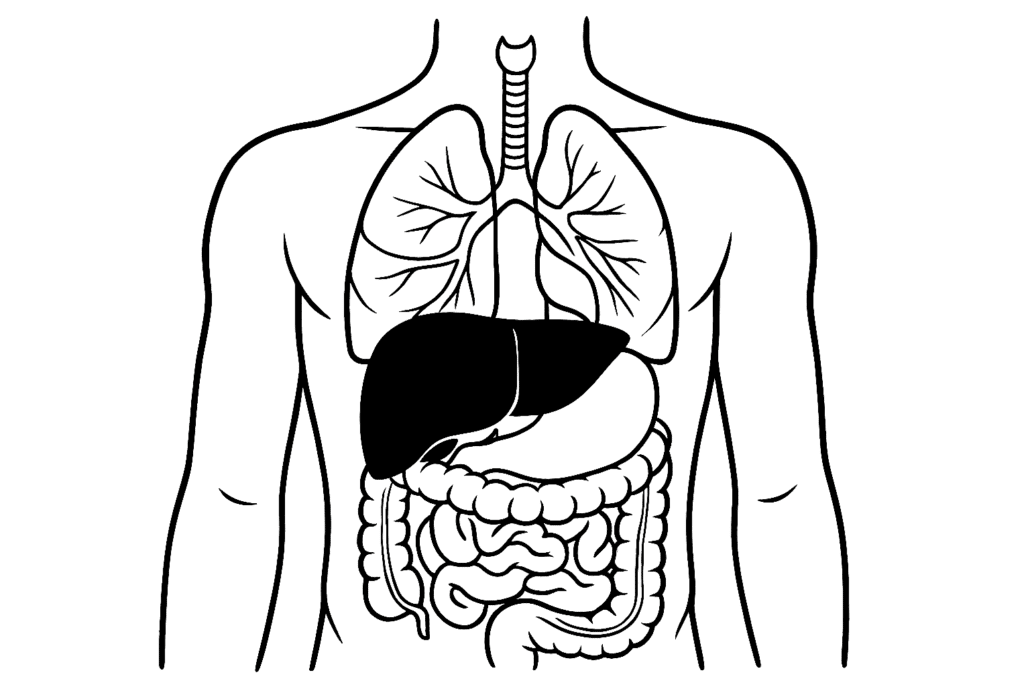
The liver is the largest internal organ in the human body, located on the upper right side of the belly, beneath the rib cage. It has two large lobes and is made of lobules—specialized tissues that transport blood and cells. The liver receives blood from both the gastrointestinal tract and the heart through two main veins. It connects with other digestive organs via a network of tubes that collect bile, digest food, and remove waste.

As the central detoxification organ, the liver constantly communicates with the body, receiving information about nutrient levels and potential threats like medications, heavy metals, and toxins. A healthy liver ensures efficient metabolism, strong circulation, hormone balance, clean blood, and proper digestion.

Benefits of a Healthy Liver

  • A positive mood and sharper mind
  • Clear skin
  • Fresh breath and oral health
  • Relief from sinus pain
  • Fewer infections
  • Increased energy levels
  • Improved digestion and regularity
  • Stronger immunity

Main Functions of the Liver

  • Breaks down and removes excess hormones
  • Filters blood from the digestive tract, stores blood, enables blood clotting, and removes damaged blood cells
  • Produces bile
  • Converts nutrients for absorption
  • Distributes nutrients throughout the body and maintains ideal levels
  • Eliminates toxic waste
  • Stores essential vitamins and minerals
  • Regulates fat conversion; creates triglycerides and cholesterol
  • Converts carbohydrates into glucose for energy storage

Liver Regeneration Capacity

The liver has an exceptional ability to regenerate—even with only 25% of it remaining healthy, regeneration is still possible. However, severe scarring inhibits regeneration and may lead to liver failure.

Types and Symptoms of Liver Disease

Liver disease is a major global health issue. In North America, one in ten people is affected. Common liver diseases include:

  • Alcoholic liver disease: Caused by heavy alcohol consumption
  • Cirrhosis: Scar tissue replaces healthy cells
  • Non-alcoholic fatty liver disease: Often linked to obesity, metabolic syndrome, and type 2 diabetes
  • Liver cancer
  • Liver failure: Occurs when scarring becomes so severe that liver function stops

Symptoms may be absent in early stages, but as inflammation and scarring worsen, signs become more noticeable:

  • Abdominal pain, typically in the center or upper right
  • Bloating and gas
  • Easy bruising, acne, and excessive sweating
  • Confusion and difficulty concentrating
  • Constipation
  • Dark urine, pale or tar-colored stool
  • Dry, dark skin patches (neck, underarms)
  • Fatigue
  • Enlargement or shrinking of the liver
  • Nausea, vomiting, loss of appetite, weight loss
  • Swelling in the legs and ankles
  • Yellowing of the skin (jaundice)
  • Overall weakness

Natural Ways to Regenerate the Liver

Juicing vegetables enhances nutrient absorption and supports liver detoxification. Ideal vegetables include:

  • Asparagus
  • Broccoli
  • Brussels sprouts or cabbage
  • Cauliflower
  • Celery
  • Beets
  • Carrots
  • Cucumber
  • Leafy greens like kale, spinach, dandelion, watercress

Herbs also play an essential role in liver health:

  • Parsley, mint, cilantro, and basil: Support the digestive system
  • Ginger root: Anti-inflammatory and aids digestion—use in stir-fries, soups, or salads
  • Dandelion: Promotes bile flow, acts as a diuretic, and supports toxin removal
  • Milk thistle: A powerful detoxifier that rebuilds liver cells and protects against alcohol, pollution, and heavy metal damage

Maintaining liver health is key to overall wellness. Support your liver naturally through a nutrient-dense diet, detoxifying herbs, and lifestyle choices that minimize toxin exposure.

Live Longer – Eat Hot Chili Peppers

Thousands of studies clearly show that the spicy flavor of hot chili peppers can help you live longer. The active compounds called capsaicinoids—primarily capsaicin and dihydrocapsaicin—are the chemical substances that give chilies their spiciness and that familiar burning sensation.

When you eat chilies, the commotion produced in the mouth by the capsaicinoids is recorded by the pain receptors, not the taste buds, as many people think. These pain receptors send a message to the brain, warning that something is burning. In response, the body begins to sweat and produces copious amounts of endorphins to suppress the pain. This is why so many people enjoy spicy food—endorphins not only suppress pain but also trigger a positive feeling in the body, similar to that of morphine.

Capsaicin is well-known for its pain-relieving properties. It affects neurotransmitters and stimulates nerve endings to communicate with the brain. Chili peppers also help regulate blood glucose, and they have anti-inflammatory, antioxidant, and anti-cancer properties. Many additional health benefits have been attributed to capsaicin, including lowering the risk of type 2 diabetes.

All that spiciness, heat, and burning sensation make you statistically less likely to die from heart disease, cancer, or any other cause compared to people who rarely or never eat chili peppers.

Sweet Peppers Count, Too

Not all chilies are hot and spicy. Sweet peppers, such as cherry, cone, green, and paprika, contain a good source of capsaicin when consumed regularly.

Chili peppers have more vitamin A than carrots and more vitamin C than oranges. They stimulate the flow of saliva and gastric juices, leading to better digestion of proteins found in beans, corn, and other legumes.

Some people struggle with eating chilies raw or in salsa due to an unfamiliarity with the fruit or because their gut biome is in poor condition. These individuals often suffer from stomach or intestinal issues like colitis, acid reflux, IBS, or gas. Fixing gut problems by using digestive support like Maz-Mix digestive formula can help rebuild gut health and allow you to gradually enjoy spicier foods for a longer, healthier life.

A Mexican Treasure

Chili peppers come in many varieties—Mexico alone has more than 150 different types. Chilies are actually a fruit, and when combined with vegetables, nuts, and other fruits, they offer thousands of recipe combinations with amazing flavors. For many Mexicans, a meal isn’t complete without some kind of salsa.

The most commonly used chilies in Mexico include chile de arbol, cascabel, habanero, jalapeño, chipotle, serrano, pasilla, chile piquín, green pepper, and chile poblano. Mexican cuisine depends on chilies—dishes like pozole, mole, adobo, tacos, and tamales simply wouldn’t be the same without salsa as a key ingredient.

A Bit of History

Archaeological digs and studies of ancient clay cooking pots have revealed traces of capsaicinoids. The native people of central Mexico had fully domesticated chili peppers more than 8,000 years ago. The word “chili” comes from the Nahuatl (Aztec) language.

My friend Bill Givens, a retired Canadian chef and self-acknowledged addict of Mexican cuisine, and I took a trip 22 years ago when traveling was still fun. Our goal was to explore various regions of Mexico and eat the local salsas. What was intended to be a one-month trip lasted over two months and turned into an extraordinary culinary journey.

We traveled from the U.S. to Tijuana, then down the west coast of Mexico to Cancún, and returned via the Gulf of Mexico. It was the most incredible gastronomic experience of my life. We ate salsa everywhere—restaurants, posadas (B&Bs), local markets (tianguis), and even in people’s homes. We never had the same salsa twice.

Chilies continue to play a huge role in Mexico’s rich culinary traditions—and now, science shows they also play a role in promoting health and longevity worldwide.

Improve Bone Density and Prevent Fractures:
What to Eat and What to Avoid

Millions of Mexicans and Americans suffer from poor bone density, often due to the consumption of carbonated drinks. However, other foods can also contribute to bone loss. The first sign of poor bone density is often a fracture—after which it becomes significantly more difficult to rebuild bone health. For older adults, fractures can even lead to permanent loss of independence.

As we age, we all lose bone mass and density. After menopause, this becomes one of the primary reasons why fractures and falls are more common among women. With every passing year, our bones lose calcium, vital amino acids, and other essential minerals needed to maintain strength and density.

Dietary habits play a major role in this process. Some foods accelerate bone loss, putting individuals—especially those over 55—at higher risk for falls and fractures. Below is a guide to foods to avoid and nutrients to prioritize to help protect and rebuild your bones.

Foods That Damage Bone Health

Carbonated Soft Drinks

Even diet sodas are packed with phosphoric acid and contain no calcium. This raises blood acidity, prompting the body to pull calcium from your bones to restore balance. They also increase calcium excretion through urine—creating a double threat to bone health. Excessive soda intake can lead to debilitating bone disorders.

Table Salt

While sodium is essential, common table salt causes calcium loss and weakens bones over time. Postmenopausal women on high-sodium diets lose more bone minerals than others. Limit sodium to 2,300 mg per day (about one teaspoon). Every 2,300 mg of sodium can cause a loss of 40 mg of calcium through urine. Replace regular salt with pink Himalayan salt, which contains over 80 additional trace minerals like potassium and calcium that support bone health.

Caffeine

Caffeine can leach calcium from your bones. We lose about 6 mg of calcium for every 100 mg of caffeine. For example, a 16 oz coffee can contain 320 mg of caffeine—well above the daily safe limit. Keep caffeine intake under 300 mg per day and be sure to consume bone-rebuilding nutrients to counteract losses.

Hydrogenated Oils

These synthetic trans fats, found in processed foods, are made by pressurizing vegetable oils with hydrogen gas. This process destroys vitamin K—an essential nutrient for strong bones. Avoid non-natural trans fats commonly found in fast food, frozen meals, pastries, and store-bought creamers. Naturally occurring trans fats in animal products and coconut oil are not the same and do not pose the same risks.

Wheat Bran

High in phytates, wheat bran interferes with calcium absorption—especially when consumed alongside calcium-rich foods. Instead, eat sprouted grains, which reduce phytate levels and allow better absorption of magnesium, B vitamins, and calcium.

How to Rebuild Bone Density

Human bones—206 in total—are made of calcium, collagen protein, and other vital minerals. Weak bones are becoming more common, leading to increased injuries and immobility.

To restore bone health and reduce the risk of injury, we must focus on replenishing the minerals and amino acids naturally found in strong bones. Avoiding harmful foods is only the first step—rebuilding bone strength requires consuming targeted nutrients.

Collagen Protein: The Key to Strong Bones

Collagen protein is the most abundant protein in mammals and plays a vital role in connective tissues, joints, skin, and bones. It makes up about 90% of the bone matrix. Replenishing collagen levels is essential for restoring bone density and preventing injuries at any age.

Bone Broth

Bone broth is one of the best foods for stronger, healthier bones. Made by simmering animal bones and connective tissues, this nutrient-rich stock is commonly used in soups and gravies. It is loaded with collagen, minerals, and amino acids that support bone regeneration. More details on the benefits of bone broth will be covered in a future article.

Daily Supplementation

Research suggests that a daily collagen supplement of 5 grams can be highly beneficial. When combined with a healthy, mineral-rich diet and the avoidance of bone-damaging foods, this can significantly reduce the risk of fractures and support lifelong skeletal health.

Herbal Therapy Inhibits COVID-19 & Variants

Scientific researchers in India, China, and other parts of the world have discovered herbs that inhibit COVID-19 and its variants.

The coronavirus disease 2019 (COVID-19) pandemic, caused by the Severe Acute Respiratory Syndrome Coronavirus 2 (SARS-CoV-2), has resulted in over 123.7 million cases and more than 2.7 million deaths globally. In the absence of widely effective antivirals, treatment and prevention strategies have been limited to general therapeutic modalities and non-pharmaceutical interventions, despite intensive research into better drug alternatives.

Key Herbal Compounds Studied

  • Dandelion (Taraxacum officinale)
  • Turmeric (Curcuma longa) – Curcumin
  • Piperine (1-piperoyl piperidine)
  • EGCG (Epigallocatechin gallate from green tea)

Dandelion as a Potential Inhibitor

A recent study published on the bioRxiv preprint server describes a specific virus inhibitor found in an extract of the common dandelion that may offer a promising avenue for drug development.

Study: “Common Dandelion (Taraxacum officinale) Efficiently Blocks the Interaction Between the ACE2 Cell Surface Receptor and SARS-CoV-2 Spike Protein Mutants D614, D614G, N501Y, K417N, and E484K In Vitro.”

These mutations are characteristic of the UK (variant B.1.1.7), South African (variant B.1.351), and Brazilian (variant P.1) strains. They share the N501Y spike protein mutation and descended from an earlier D614G strain, which became dominant worldwide.

The common dandelion is a perennial plant native to warm temperate zones of the Northern Hemisphere. It grows along roadsides, in fields, and in gardens—often considered a weed. However, in Europe, it has a longstanding reputation as a medicinal plant used for treating conditions affecting the liver, gallbladder, gut, and joints.

Dandelion contains terpenes, phenolic resins (including coumarins and flavonoids), and polysaccharides. Its roots are rich in the insoluble fiber inulin. The most abundant phenolic compound is chicoric acid.

The Role of Flavonoids Against SARS-CoV-2

A systematic review highlights naturally occurring flavonoids as a promising antiviral option against SARS-CoV-2. Flavonoids such as quercetin, myricetin, baicalin, baicalein, EGCG (epigallocatechin gallate), and tannic acid show significant antiviral potential.

These compounds have been shown to inhibit viral enzymes and mechanisms like:

  • 3CLpro (main viral protease)
  • PLpro (papain-like protease)
  • The S protein–ACE2 interaction
  • Viral helicase
  • The nucleocapsid (N) protein

Among these, EGCG demonstrated strong inhibition of 3CLpro in vitro. Other promising compounds include flavones such as baicalein, wogonin, and oroxylin, and flavanones such as naringenin. Isoflavones like puerarin, daidzein, and genistin also show antiviral effects.

Turmeric and Piperine: A Powerful Combination

Curcumin, the bioactive compound in turmeric (Curcuma longa), effectively neutralizes SARS-CoV-2 in vitro. Turmeric has a long-standing history of use in traditional medicine for its anti-inflammatory and antiviral properties.

Curcumin is poorly absorbed when consumed alone. However, when combined with piperine—a compound found in black pepper (Piper nigrum) and long pepper (Piper longum)—its bioavailability increases significantly. Piperine acts as a natural bio-enhancer, allowing the body to better utilize curcumin’s medicinal properties.

Why Herbal Therapies Matter

Increased side effects, lack of curative treatments for many chronic diseases, the high cost of new drugs, microbial resistance, and emerging illnesses like COVID-19 have renewed global interest in complementary and alternative medicines.

Traditional herbal remedies and plant-derived compounds like dandelion, turmeric, piperine, and EGCG are promising alternatives—or adjuncts—to conventional pharmaceuticals. These natural compounds offer multi-targeted antiviral effects without the heavy burden of pharmaceutical side effects.

Conclusion

The ongoing challenges of the COVID-19 pandemic emphasize the importance of expanding our therapeutic arsenal. Herbal compounds such as flavonoids, curcumin, and piperine show strong promise in supporting immune health and inhibiting viral activity, particularly against SARS-CoV-2 and its variants.

Further clinical studies are needed, but the early findings support the integration of these natural compounds into complementary approaches for prevention and recovery. Herbal medicine has always been a source of healing—perhaps it’s time we bring that knowledge back into the mainstream.

References

  • bioRxiv – Dr. Liji Thomas, Tran, H. T. T. et al. (2021). Common Dandelion (Taraxacum officinale) efficiently blocks interaction between ACE2 receptor and SARS-CoV-2 spike protein variants.
  • Dr. Ramya Dwivedi, Ph.D. – Curcumin, a bioactive component of turmeric, effectively neutralizes SARS-CoV-2 in vitro.
  • Kaul, R., Paul, P., Kumar, S., et al. (2021). Promising Antiviral Activities of Natural Flavonoids against SARS-CoV-2 Targets.

Herbal Coffee

Coffee is the second most consumed beverage worldwide. It is a powerful herb of the Nervine family—a natural stimulant that can safely and effectively help you stay alert and energized.

In an article I wrote in August, I described the many benefits of coffee and mentioned that I would save the topic of herbal coffee for a future article—this one.

Coffee is good for you! The problem is that many people load their morning cup with artificial sweeteners, refined sugars, and chemical creamers, adding unnecessary calories and expanding their waistlines. The U.S. population is now over 70% overweight.

Herbal coffee offers a healthier alternative that can help shed unwanted pounds while making your daily cup even better for you.

The Benefits of Herbal Coffee

Throughout history, many cultures have enjoyed mixing coffee with various herbs. These herbal blends provide not only rich flavor but also added health benefits. Here are a few great options:

  • Coffee and Ginger: A powerful antioxidant-rich mix traditional in the Middle East. Ginger coffee is spicy, delicious, and supports digestion.
  • Chukku Coffee: A traditional South Indian drink made by brewing dry ginger with coffee. Chukku promotes a healthy body and has a rich, warming aroma.
  • Café de Olla: A Mexican classic infused with cinnamon. Cinnamon is known to boost antioxidants, control blood sugar, and help people with type 2 diabetes. It also uplifts the senses and improves mood.

Flavorful and Functional Additions

If you’d like to add even more flavor and health benefits to your coffee, try these great options:

  • Cocoa: Love coffee and chocolate? Cocoa is packed with antioxidants and has been linked to a lower risk of heart disease and cancer. A small pinch—just the tip of a teaspoon—of 100% organic herbal cocoa adds depth to your coffee.
  • Coconut Oil: Rich in medium-chain triglycerides (MCTs), coconut oil supports weight loss and brain health. It may also reduce the risk of Alzheimer’s disease. Use just the tip of a teaspoon per cup of black coffee.
  • Collagen Powder: Collagen is loaded with the amino acid glycine, which helps reduce joint pain, inflammation, and supports tissue repair. Stir it into your morning cup for extra nourishment.
  • Butter: A surprising but effective addition. Butter contains vitamin A, beta carotene, and vitamin K2, all essential for heart and bone health. It also provides healthy unsaturated fats. Use a handheld blender to emulsify the butter into your coffee for a creamy, smooth texture.

Closing Thoughts

By turning your daily coffee ritual into an herbal wellness experience, you gain more than just a flavorful beverage—you enhance your health, improve digestion, support brain function, and even manage your weight. Herbal coffee isn’t just a drink; it’s a small yet powerful lifestyle upgrade that helps align your habits with your wellness goals.

Try a few of these additions and find the perfect blend that energizes your body and nourishes your spirit—naturally.