COVID-19: Herbal Therapy,
Clinical and Scientific Data
Part 2 of 3

Scientific Evidence for Herbal Medicines in Respiratory Conditions

Herbs are beneficial to relieve symptoms related to respiratory conditions (cold/flu) and support symptomatic healing.

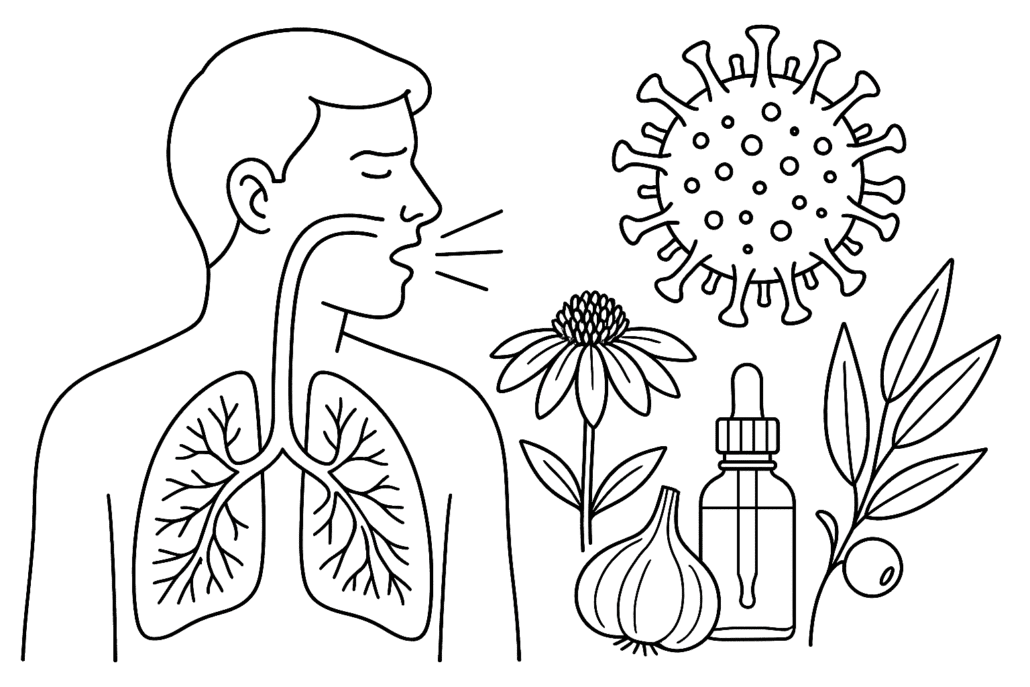
The lungs are the organs most affected by COVID-19 because the virus accesses host cells via the receptor for the enzyme
angiotensin-converting enzyme 2 (ACE2), which is most abundant on the surface of type II alveolar cells of the lungs.

Whether or not you have been vaccinated, the symptoms are the same, since they are lung-based problems. The symptoms are:
cough, fever, sore throat, loss of smell and taste, shortness of breath, fatigue, headache, muscle pain, chills.

For over 3,000 years, Ayurveda (Indian medicine), Traditional Chinese Medicine (TCM), and
Herbolaria Mexicana have used herbs as medicine.

Increased side effects from pharmaceuticals, lack of curative treatments for several chronic diseases, high cost of new drugs,
microbial resistance, and emerging diseases such as COVID-19 are some reasons for renewed public interest in
complementary and alternative medicines.

Herbs for Respiratory Conditions

Due to space limitations, this report is divided into three sections. The herbs used to treat lung and upper respiratory problems are many.

  • GarlicAllium sativum L. – Amaryllidaceae. Parts used: Bulbs
  • Marsh MallowAlthaea officinalis L. – Malvaceae. Parts used: Aerial parts
  • MyrrhCommiphora molmol Engle. Parts used: Sap
  • Bitterweed, King of Bitters, Creat, Chiretta, Indian EchinaceaCymbopogon citratus. Parts used: Aerial parts
  • EchinaceaE. angustifolia – Asteraceae. Parts used: Aerial parts, rootstock
  • EucalyptusEucalyptus globulus Labill. Parts used: Leaves, essential oil
  • Sweet FennelFoeniculum vulgare Mill. – Apiaceae. Parts used: Fruit
  • LicoriceGlycyrrhiza glabra L. – Fabaceae. Parts used: Roots

Marsh Mallow – Althaea officinalis L.

Indications: Respiratory disease symptoms, especially dry, irritable coughs and irritation of the oral and pharyngeal mucosa.

Chemical Composition: Mucilage polysaccharides such as galacturonorhamnans (rhamnogalacturonan), arabinans, glucans, arabinoglucans (mainly acidic polysaccharides); flavonoids (e.g., isoscutellarein, hypolaetin, kaempferol, luteolin derivatives); phenolic acids; coumarin (scopoletin); tannins.

Posology (based on traditional use): 0.5–5.0 g in 150 ml of water as a macerate, three times daily. Marshmallow root syrup is commonly used at 2.0–8.0 ml per day.

Preclinical Evidence

This herbal medicine has been experimentally proven to relieve respiratory disease symptoms, notably cough. An aqueous extract of marshmallow roots inhibited tracheobronchial smooth muscle contractions in rats dose-dependently.

The antitussive effects of oral rhamnogalacturonan (50 mg/kg) were tested in non-anesthetized cats. The polysaccharide significantly reduced effort, cough frequency, and intensity of cough attacks. Its effects were also compared with non-narcotic antitussives.

Clinical Evidence

Randomized Clinical Trial: 63 adults with dry cough (associated with ACE inhibitors) took 20 drops, three times a day, of either marshmallow root preparation or placebo for four weeks. The marshmallow group showed significantly reduced cough severity.

Large-scale Trial: In a study of 822 patients with dry cough from pharyngeal irritation, A. officinalis aqueous root extract (in lozenges and syrup) improved symptoms within 10 minutes and was well tolerated. Only three minor adverse events were reported in the syrup group.

Overall Clinical Evidence: High for cough treatment.

Safety

Toxicity: None reported. Overall safety rating: High.

Warnings & Precautions: Mucilage may delay the absorption of other drugs. Avoid taking preparations of A. officinalis 30 minutes to 1 hour before or after medications, vitamins, or minerals. Macerates should be used immediately after preparation.

Overall Assessment

Althaea officinalis preparations can suppress cough and soothe respiratory tract irritation through anti-inflammatory effects. While traditional use as a cold remedy lacks robust clinical backing, the available evidence supports its use in relieving early COVID-19 symptoms.

Clinical evidence: High. Safety profile: High.

Collateral Damage: Your Face & Mouth

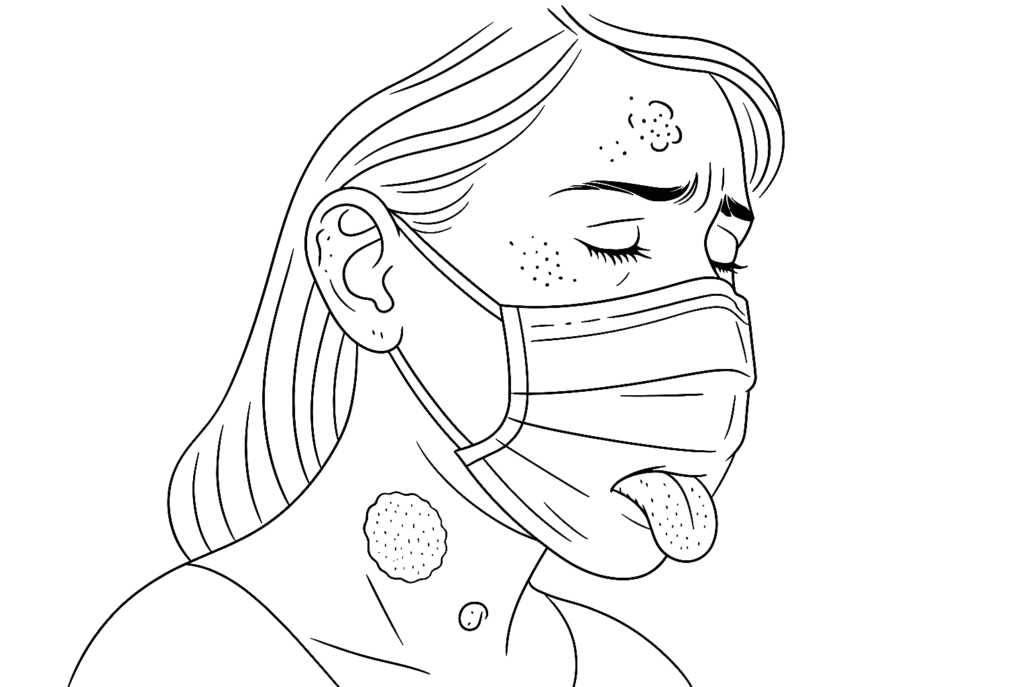
While a face mask is usually not the sole cause of a skin infection, the combination of summer heat, humidity and tight-fitting mask-fabric intensifies underlying conditions and worsens fungal or bacterial infections.

We already have yeast on our skin. A yeast infection occurs in the right setting, such as a warm, moist environment, but is often related to other factors including diabetes, compromised immune system, a recent course of antibiotics, or poor hygiene that allows the yeast to grow unrestrained.

For example, a yeast infection is a fungal infection resulting from a yeast called Candida, and people are having the following problems:

  • White tongues with black or dark spots
  • Acne flare-ups
  • small blisters in the corners of the mouth
  • Yellow smelly tongue
  • Sores on top of the ears
  • Sores on the chin
  • Dry, irritated skin

The mask-wearing could be giving you mouth fungus and fungus-related blisters and unusual skin blemishes in addition to ear, nose and throat problems and infections.

Here’s How Candida Works

Hot air gets trapped inside the mask and can be a source of mouth sores and other issues. Face masks trap warm moisture that is produced when we exhale. For people with acne, this can lead to flareups. For others, this warm moist environment creates the perfect condition for naturally occurring yeast and bacteria to flourish and grow more plentiful. This overgrowth of yeast and bacteria can result in inflammation of the lips, resulting in cracking and sores at the mouth’s corner.

Candida yeast loves the humid climate captured by your mask. Plus, if your lips are always dry, the urge to compulsively lick them will only make the persistent yeast more at home. If moisture and saliva get trapped in your mouth’s corners, they become a breeding ground for Candida. As the yeast grows, your tongue turns white and smelly and becomes redder underneath and inflamed.

Here’s How to Help Your Face and Mouth

Since giving up the mask isn’t exactly an option these days, there are ways to treat unusually irritated skin near the ears, chin and jawline. The diagnosis? A yeast infection, yes, on our face, potentially caused by the masks we been wearing during the pandemic.

To treat the Candida fungal infection condition, apply Chilcoatl natural anti-fungal, antibiotic, antiviral cream. It can also be used for sores on top of the ears, on the chin and for dry, irritated skin. It is designed to be absorbed by the skin quickly and moisturizes and deeply hydrates while repairing fungal damage. It also reduces acne flare-ups. Don’t use lip gloss or chopsticks, because these types of products can actually worsen the problem.

For white tongue with black or dark spots, small blisters in the corner of the mouth and yellow smelly tongue use Chilcoatl spray to reduce fungus problems, including Candida. Chilcoatl is the skin care regimen to follow in this summer of COVID-19, which is also the summer of Candida.

Is the face mask needed protection? Many studies are available and more coming, which say it is not, I encourage you to see a video on YouTube by Doctor Kelly Victory. The name of that video is, “The Truth about COVID-19”. Fortunately, and unfortunately, we live in Mexico, and the masks are state-mandated, so we will continue to use them.

Chronic Inflammation Relief, Naturally

Inflammation is classified into two main types:

  • Acute– occurs for about two weeks
  • Chronic – slower, less severe and lasts longer than six weeks

What is Inflammation?

It is part of the body’s innate immune response against damaged cells, viruses, bacteria, etc. It removes harmful or foreign invaders and heals itself. Without inflammation, wounds would just aggravate, and infections could be deadly.

What does the inflammation process look like? First, chemicals from white blood cells are released into the bloodstream to guard your body against foreign substances releasing chemicals into the area of injury or infection. This increased blood flow leads to redness and a feeling of warmth in the affected area. The chemical release can also trigger fluid leakage in surrounding tissues, which causes swelling. Nerves are often stimulated during this process and can cause temporary pain.

Inflammation can be mistaken for infection, but the two are quite different. Infection can cause inflammation due to harmful substances, and inflammation is the body’s response to infection. In this way, inflammation is mostly good.

Acute inflammation often occurs because of an injury to the external body or skin. Symptoms include:

  • Immobility
  • Heat (affected area feel warm to the touch)
  • Pain
  • Redness
  • Swelling

Symptoms and signs of chronic inflammation:

  • Abdominal pain
  • Chest pain
  • Fatigue
  • Fever
  • Mouth sores
  • Rash
  • Joint pain

Chronic Inflammation can Cause:

  • enlargement and loss of kidney function
  • swelling and loss of blood vessel function and muscules

The leading causes of inflammation are a poor diet, stress, food allergies, and a sedentary lifestyle leading to weight gain. Being overweight can mean a state of long-term, low-grade inflammation. Negative personality traits like smoking, eating unhealthy foods and a lack of exercise encourage inflammation. Harmful bacteria produce microbiome problems and contribute to inflammatory conditions like arthritis, depression, and neurological ills.

Inflammatory Diseases Include:

  • Acute bronchitis
  • Asthma
  • Crohn’s disease
  • Chronic peptic ulcer
  • Hepatitis
  • Ingrown infected toenail
  • Heart disease
  • Rheumatoid arthritis
  • Lupus
  • Sinusitis
  • Sore throat due to a cold or flu
  • Periodontitis
  • Ulcerative colitis

Foods that can Cause Inflammation in the Body”

  • Sugar, sucrose and fructose.
  • Saturated fats found in fast foods and fried products, processed snack foods, frozen breakfast products, cookies, donuts, crackers and margarine.
  • Omega-6 fatty acids are essential in moderation, but excess consumption produces pro-inflammatory chemicals found in oils from corn, safflower, sunflower, soy, peanut and vegetable, mayonnaise and salad dressings.
  • Refined carbohydrates/white flour products including bread, rolls, crackers and cereals, are brutally lacking in nutrients and are advanced glycation end (AGE) products that trigger inflammation.
  • People with celiac disease should avoid gluten.
  • Casein
  • Aspartame
  • Alcohol – excessive intake is harmful to the liver.

Corticosteroids, such as cortisone and prednisone, are prescribed for chronic inflammation like arthritis and asthma. When used on a short-term basis, side effects include fluid retention, increased appetite, weight gain, insomnia, and mood changes.

Long-term effects include osteoporosis, high blood pressure, diabetes, weight gain, infections, cataracts, glaucoma, muscle weakness and thinning of the skin.

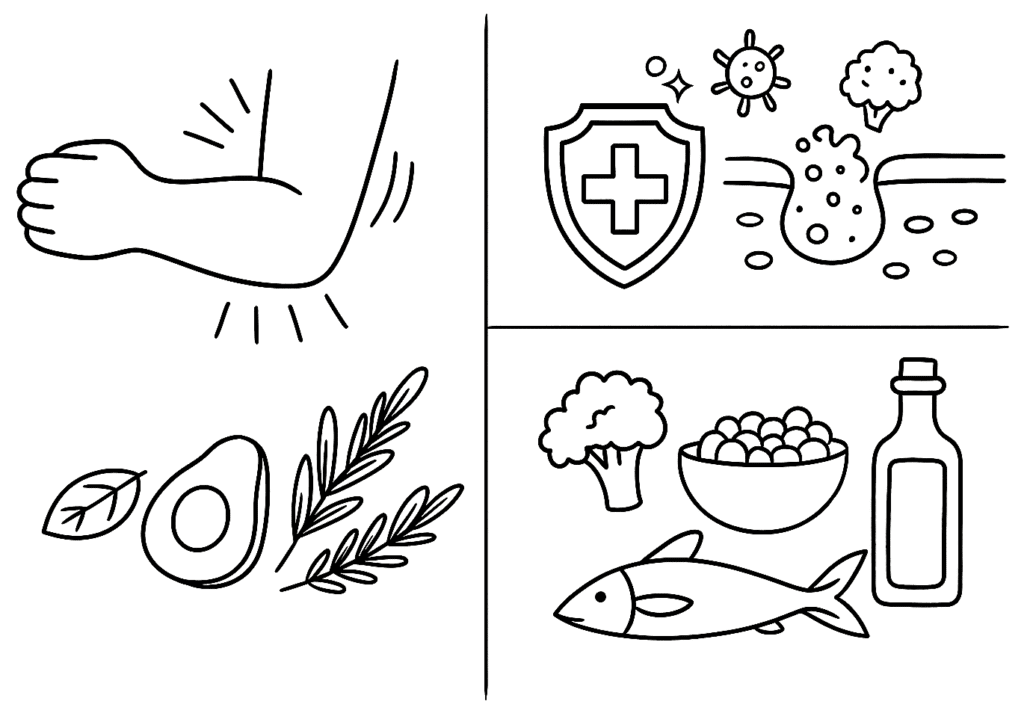
Natural Anti-Inflammatory Foods, Herbs and Spices

  • Ensure your diet is loaded with foods high in antioxidants to reduce levels of LDL “bad” cholesterol and lowering the risks of heart disease, Parkinson’s, Alzheimer’s and cancer.
  • Vegetables – three servings/day of beets, carrots, cruciferous vegetables (broccoli, cabbage, cauliflower and kale), dark, leafy greens, onions, peas, salad greens, sea vegetables and squashes.
  • Fruits – three servings/day of apples, all berries, nectarines, oranges, pears, grapefruit, pineapple, plums, pomegranates.
  • Water – at least two liters/day.
  • Beans and Legumes – two servings/day of black beans, black-eyed peas, chickpeas or lentils.
  • Healthy Fats – five servings/day of avocados and extra virgin olive oil.
  • Herbs and Spices – unlimited!
  • Protein – organic eggs, grass-fed meats, healthy cheeses, organic poultry and cultured/raw dairy.
  • Green Tea – an excellent natural anti-inflammatory, three cups/day.
  • Red wine contains quercetin, a potent anti-inflammatory, anti-carcinogenic and antiviral; also, resveratrol reduces inflammation and oxidative stress while also acting as a neuro-protectant. Drink no more than two drinks/day.

Herbs and Spices that Combat Inflammation

  • Ginger
  • Garlic
  • Turmeric
  • Cardamom
  • Black pepper
  • Ginseng
  • Green tea
  • Rosemary

CHOCOLATE:
Are All Types of Chocolate Healthy for You?

Well, the quick answer is no. Not all chocolate is good for you, and dark chocolate is exceptionally healthy for you. Here the options:

  • Milk Chocolate, contains 10 to 50% cocoasolids, cocoa butter, milk in some form, and sugar. milk chocolate adds in a lot of milk and sugar to sweeten it up. This type of milk chocolate are sweet snacks and are simply vehicles for empty calories and can make you gain weight.
  • White Chocolate, does not contain any cocoasolids and is made simply of cocoa butter, sugar, and milk. White Chocolate are sweet snacks and are simply also vehicles for empty calories.
  • Dark Chocolate. The percentage of cocoacontents are of 70 to 80 percent, but many have to 100! cocoa solids, cocoa butter, and sugar. dark chocolate varieties contain super-high medicinal content, more info about that shortly. they contain powerful flavanols. But the more cocoa the chocolate have, the more bitter your chocolate will be, dark chocolate actually has prodigious nutritional value and it is linked to aphrodisiac qualities. It’s loaded with beneficial vitamins and minerals, including high concentrations of potassium, copper, magnesium, and iron.
  • Dark Herbal Chocolate contains 70-90% cocoasolids, cocoa butter, sugar and herbs.

Herbs that Mate Well with Chocolate

Angelica, Anise, Basil-Anise, Cinnamon, Bay, Chiles, Damiana, Lavender flowers, Orange mint, peppermint, and spearmint, Rose, Rosemary, coconut, mint, nutmeg, Tarragon, Tea

Spices that mate well with chocolate: Anise, Cardamom, Cinnamon, Clove, Coffee, Ginger, Nutmeg, Star anise

Health Benefits of Dark Chocolate and the important qualities chocolate can play in promoting good health:

Brain Booster. Dark chocolate increases blood flow to the brain, which improves cognitive function. The copper in chocolate can also reduce the risk of stroke.

Dark chocolate is full of antioxidants, which fight damaging free radicals in the body. Free radicals cause oxidation in cells, which is implicated in both aging and cancer.

Heart Assistant. The magnesium in chocolate helps to prevent high blood pressure and heart disease. Eating dark chocolate also improves blood flow and can help prevent the formation of blood clots, as well as arteriosclerosis, (hardening of the arteries).

Mood Leader. Dark chocolate contains many chemical compounds that improve your mood. The main one is phenylethylamine, causes your brain to release endorphins that make us happy. Phenylethylamine is the same chemical our brains produce when we’re falling in love. This is why eating chocolate feels so good!

Energy Producer. Dark chocolate contains at least several stimulants, caffeine and theobromine, which will help us feel awake and alert. Chocolate contains less caffeine than a cup of coffee, it more tolerated by those who are sensitive to caffeine.

Sugar Stabilizer, dark chocolate has a low glycemic index, so it won’t cause dangerous blood sugar spikes. The flavonoids found in chocolate help reduce insulin resistance, by encouraging your body to use insulin efficiently. Chocolate promotes healthy circulation; it can also protect against damage caused by type 2 diabetes.

Strong stimulant, theobromine also hardens tooth enamel, far from causing cavities, eating dark chocolate can actually prevent them!

Chocolate suppress a cough better than cough medicine. Scientists believe the properties of cocoa help relieve irritation and inflammation, enjoy some dark or herbal chocolate when you feel that throat tickle!

A bit of history… Where does chocolate come from?

The answer is Mesoamerica. It is a historical and cultural region of central Mexico and north of central America. These are the people that invented Chocolate and manufactured rubber balls around 1900 BC. Almost 4000 years ago. All of the areas that were conquered by the Aztecs that grew cacao beans were ordered to pay them as a tax, The cacao bean became a form of currency.

Valentine’s Day. Mexico celebrates not only that day but also the entire month of February is the month to celebrate love and friendship. For the lucky visitors to the Cuale Friday market downtown on February 12, we had a chocolate celebration where we sold Dark chocolate, Herbal chocolate and dark chocolate with food grade 24 carats real gold. Needless to say we sold out before 11am, I think we will make this Dark Chocolate extravaganza an annual event because there are not many foods that people feel so passionate about as chocolate.

Black Tourmaline and Pain

Black Tourmaline is widely known to help relieve stress, reduce inflammation, improve circulation, strengthen the body’s immune system and increase mental alertness. It also has a detoxifying effect on organs and body tissues.

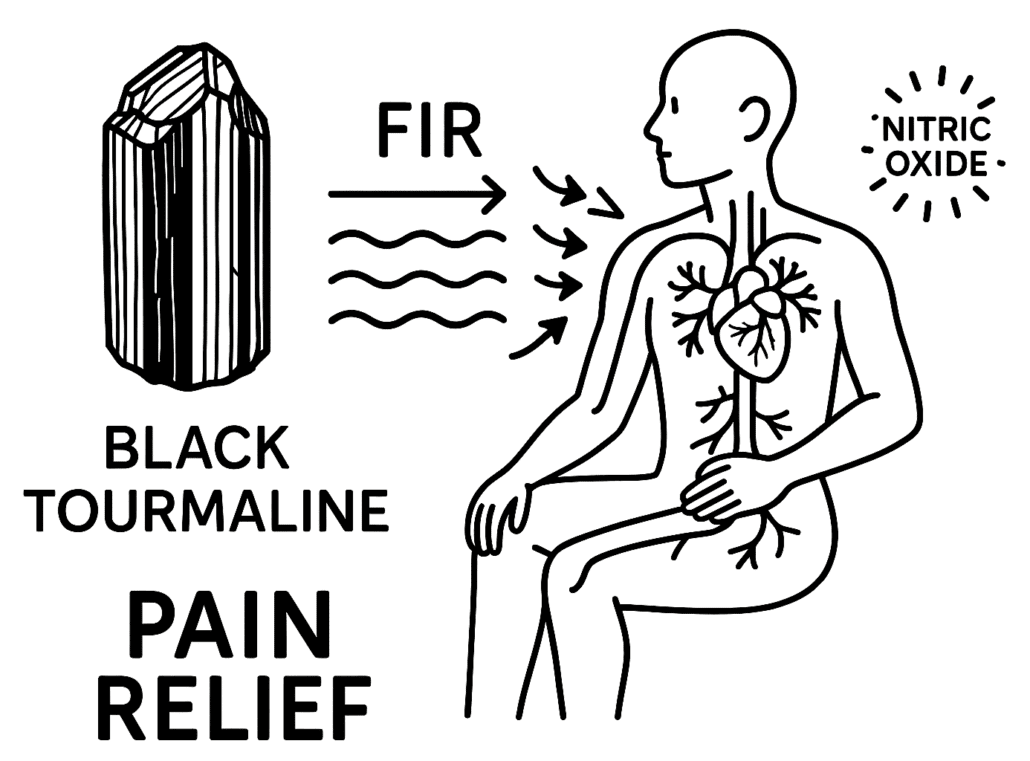
Black tourmaline produces Far Infrared Rays (FIR). These are waves of energy that, when absorbed by the body, gently soothe and detoxify. They also increase blood flow by expanding capillaries, promoting blood oxygenation and distributing nutrients, hormones and oxygen to the body’s tissues and organs more effectively.

Far Infrared is an invisible light wave that nourishes every cell in the body and intensely promotes the production of the “Miracle Molecule” Nitric Oxide

Nitric Oxide specifically signals blood vessels to increase in width, thereby improving circulation that fosters anti-inflammation.

People notice dramatic effects in pain reduction, balance, flexibility and strength by improving vascular function

The natural electrical current that flows through tourmaline is a flow of electrons originating from the sun. The sun bathes the earth in a continuous stream of negatively charged electrons, which enter the positively charged side of the tourmaline material and exit from the oppositely charged side. With this current flowing through it at all times, tourmaline is like a battery with unlimited life, one that never runs out!

Many products include magnets to direct the negative ions at specific articulating areas where black tourmaline is the active ingredient. There are bands, neck braces, belts and shoulder and knee braces. I wear a black tourmaline pendant around my neck.

NASA has patents on products developed to help astronauts have a normal lymphatic system regardless of whether they are confined to a chair in a rocket for a long time.

Healing Properties of Tourmaline

Black Tourmaline is part of the Tourmaline family. It is also known as Schorl and is a type of silicate crystal. It is commonly found in trigonal crystal systems and is made of Sodium Iron Aluminum Borate Silicate. Black Tourmaline means grounding and protection, and while it may seem stripped of color, it’s a powerful stone for those who want to wear a constant cloak of protection. Potent, inky black, and with strong grounding forces, this jet-colored stone is a swallower of negative energies. It effectively helps the wearer absolve dark feelings, turning these anxious vibrations into a positive spin that nurtures the soul.

Black Tourmaline is found in many parts of the world, including Brazil, Mexico, Pakistan and the US. The first piece of Black Tourmaline was discovered in the year 1400, deep in the rugged heart of Saxony, Germany. Its unique properties make up the protective stone known for keeping negative energy away.

Every piece of Black Tourmaline is perfectly unique. Yet, all hold the inky shade of black. Sometimes, the darkness seems to capture wispy grey veins or appear almost blue and deeply iridescent when held in the light. Common formations of Tourmaline are Dravite and Schorl. Dravite tends to be a browner shade, earthly and rich, whereas Schorl is the dark midnight shade of onyx.

Physical Healing Properties of Black Tourmaline

The most famed benefit of the Black Tourmaline stone has to be its protective properties. Whether dealing with a dose of negativity from a person, blocking EMFs, and worrying environmental factors, wearing Black Tourmaline is akin to always carrying a shield. Black Tourmaline has many physical benefits for those whose bodies could use an extra dose of toughness. Helping circulation, reducing the negative imprint of lung problems, boosting metabolism, and effectively cutting down on muscle aches and pains are just a few things that Black Tourmaline can do. As a great supporter of all organ systems and the immune system. If you are sensitive to electromagnetic forces, then Black Tourmaline can be the stone you need. Laptops, phones, and TV screens all give off pollution that can cause chaos in those prone to EMF sensitivity. Happily, Black Tourmaline can stop EMF, forming a protective barrier and soaking up the pollution.

If you have any comments or questions about this column, contact me by email or find me at Arte Viviente (Living Art), Libertad 303, Centro Vallarta, Tuesday, Wednesday and Saturday, from 3 to 5 pm.

Moringa leaf and powder and a wide array of tinctures, tonics, and herbal supplements are available. At Arte Viviente, you can find many organic products and supplements, 38 different spices, organic coffees, turmeric tincture, plus honey. Also, Ceylon cinnamon, apple cider vinegar with the Mother, Superfoods such as Maz-mix digestive formula, a fermentation product with probiotics and prebiotics.

Are we human or bacteria & viruses?

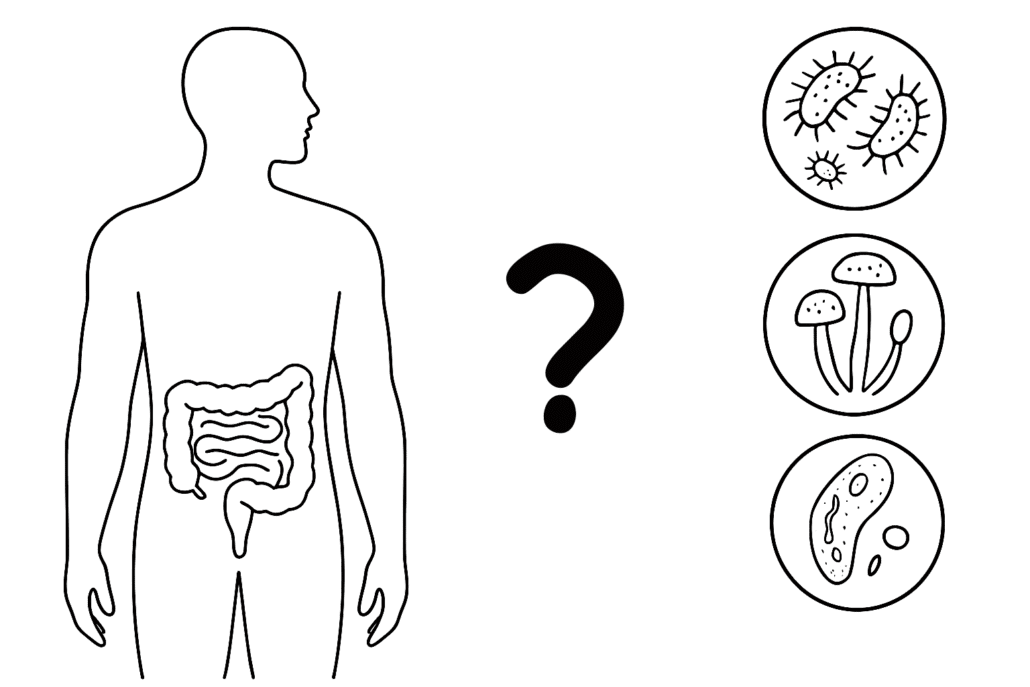
The human body is not a solitary structure of cells—it is a thriving ecosystem, home to trillions of microorganisms. From the skin to the gut, every inch of us is shared with lifeforms so small they are invisible to the naked eye. Here are some staggering numbers to consider:


The Microbial Breakdown

  • Archaea (Archaebacteria): Around 209 species of archaea have been identified, divided into three major groups: Euryarchaeota, Crenarchaeota, and Korarchaeota. These microorganisms are abundant on human skin, comprising over 4% of an individual’s skin microbiota.

  • Bacteria: The human body contains an estimated 39 trillion bacteria, outnumbering our own human cells.

  • Fungi: Fungi inhabit our oral cavities and other bodily environments. While approximately 148,000 fungal species have been classified, estimates suggest that the total number may range between 2.2 and 3.8 million species worldwide.

  • Protists (Protozoa and Algae): Protozoa are present in and on the human body throughout life. Some species are considered part of our normal microbiota, while others can be pathogenic.

  • Viruses: More than 380 trillion viruses live within us, collectively known as the human virome. These are not the deadly viruses we often hear about, but rather an integral part of our internal ecosystem.


Who Really Runs the Show?

We often think of ourselves as being at the top of the food chain, but these numbers suggest otherwise. The human body contains roughly 30 trillion human cells, yet we host around 100 trillion microorganisms—more than three times as many. Most reside in the gut, where the intestinal microbiota includes over 1,200 species of bacteria, playing critical roles in digestion, immunity, and metabolism.


The Invisible Majority

Despite their importance, microbes have historically been overlooked. Being invisible and poorly understood, they’ve often been treated as enemies rather than allies. This has led to a combative relationship—killing them off with antibiotics, disinfectants, and hand sanitizers—often without realizing the collateral damage.

Among these tiny inhabitants are bacteriophages—viruses that infect bacteria living within us. They are incredibly abundant, yet we know remarkably little about their functions or impact on human health.


The Microbiome and Modern Illness

Emerging research reveals strong connections between our microbiome and chronic conditions such as allergies, obesity, and autoimmune diseases. Studies are increasingly emphasizing the importance of microbial exposure during birth, breastfeeding, and interaction with nature, all of which help shape a healthy immune system.


Microbes in Industry and Innovation

As science advances, microbes are being reimagined not as threats but as partners. Entire industries are now springing up around microbiome-based innovations in nutrition, skincare, mental health, and preventive medicine. The mapping of the human microbiome is one of the most exciting frontiers in biology today.


The Post-Pandemic Dilemma

The COVID-19 pandemic (SARS-CoV-2) has heightened our reliance on antibacterial gels and disinfectants. These products, while essential in fighting viral spread, don’t distinguish between harmful pathogens and beneficial microbes. This raises an important question: Are we unintentionally harming our own microbiomes in the process?

We’ve now come to recognize that not all microbes are bad. In fact, many are essential for our health—helping us digest food, regulate inflammation, and protect against infection. But our attempts to sanitize every surface and every hand may be disrupting this delicate balance.


A Call for Balance

We stand at a crossroads: do we continue our war against all microbes, or do we learn to coexist with our microscopic partners? The prudent path forward is one of wisdom—embracing the knowledge that we are not alone in our bodies, and that our health depends on harmony with the trillions of microbial lifeforms we host.

Let us generate awareness, rethink our habits, and foster a more balanced and respectful relationship with the invisible majority that shapes our lives.

Alkaline Your Body &
Stay Healthy, Naturally

French biologist by the name of Luis Pasteur (1822-1895) develop the Pasteurized process and therefore giving him the credit for the discovery of germ theory and how germs make us sick. Great stuff some will say, well not so fast. His discovery also developed into the monster industry of pharmaceutical drugs.

The doctors of that time cured people with natural herbal remedies sold in an Apothecary. Pasteur’s “germ theory,” believed in killing germs before they kill you. Today thousands of synthetic drugs are sold over the counter or by prescription in Pharmacies. Why, because the huge money these drugs represent.

Pasteur became known as the “Father of Pharmaceutical Drugs!”

If there is a germ attacking the body, develop and patent a drug to eliminate that germ, hopefully to cure that illness, well the reality is other. Research shows that most prescriptions help but not cure, there is no money eliminating completely an illness.

A contemporary of Louis Pasteur. Antoine Bechamp (1816- 1908) also a French scientist was a bitter rival of Pasteur. Bechamp proclaimed Pasteur’s germ theory was nonsense!

Bechamp discovered it’s not the germ, but the body’s environment that really makes you sick. Bechamp boldly stated “an unbalanced, acidic body provides the right terrain for germs and diseases to grow”. If your body is more alkaline, you can fight off any germ that tries to attack. It is near impossible for an alkaline body to be sick.

These two different approaches caused a major uproar among scientists then and now, the two views    are still hotly debated today.

If you believe Pasteur, you attack the germ. If you believed in Bechamp,  you nurtured the body.

Bechamp’s method, had no significant, financial value. Keeping the body in healthy acid-alkaline balance meant eating healthy foods, managing stress, exercising. all No patentable remedies.

With no drugs to patent, Bechamp’s breakthrough research and discovery was actually ridiculed and the medical establishment tried to bury his discovery. Now we understand better by the work of modern-day scientists like Nobel Prize-winning Dr. Linus Pauling, who announced to the world. ” EVERY sickness and EVERY ailment you can trace to a mineral deficiency”

Also Dr. William Howard Hay, whose groundbreaking book, A New Health Era, stated “All disease is caused by self-poisoning, due to acid accumulation in the body.”

Theodore A. Baroody, author of Alkalize or Die, who shook the scientific community with proof that. “The countless names of illnesses do not really matter. What does matter is that they all come from the same root cause: Too much acid in the body!”

When our body is too acidic, we are a “sitting duck” for illness But when your body is in a slightly alkaline state, you can prevent and conquer any health problem including:

  • Abnormal cell growth
  • Blood sugar imbalances
  • Constipation
  • Joint stiffness
  • Poor circulation
  • Poor digestion
  • Premature wrinkles
  • Premature aging
  • Sore muscles
  • Sluggish immunity
  • Skin outbreaks
  • Weak heart

Too much acid can stimulate the following:

Bone Loss!

If your body is too acidic, leads to “Bone-on-bone” scraping that leads to inflammation and bone erosion! Bone loss… joint pain, and even “the hump”!

Clogged Arteries! Excess acid eats away at the lining of your arteries! When you’ve got rips and tears in your blood vessels, your body sends the signal to create more cholesterol to form plaque and fill those holes! Next you’re dealing with narrowed arteries full of plaque that causes poor circulation!

Breathing problems!

Research published found that right before a bronchial attack begins, acid levels in the lungs shot up, Acid level contributed to inflammation in the bronchial airways, triggering the attack!

Drain on mental and physical energy!

high acid levels can limit your oxygen uptake, acid overload can choke the life out your cells, leaving you with mental fuzziness, chronic fatigue, weak muscles, low sex drive, premature skin wrinkles and more.

The key to healthy lives is keeping your body more alkaline than acidic. It is that simple.

Here are suggestions to help keep your body alkaline!

Eat fruits and vegetables which have antioxidants and nutrients

First thing in the morning drink a glass of water with one half teaspoon of baking soda.

There are available probiotic formulas rich in alkalizing, fermented green foods, vegetables and spices, plus probiotics and prebiotic fiber for optimal gut health, which are easy to make and take “superfood” fermentations that include dehydrated moringa and seaweed and spirulina and herbal spices and have all the nutrition which you can make from one day to the next such as organic Maz-Mix and Sea Greens Mix are herbal formulas that can help your body to stay alkaline and give your body the optimal alkalizing nutrients you need to maintain healthy pH balance.

There are available probiotic formulas rich in alkalizing, fermented green foods, vegetables and spices, plus probiotics and prebiotic fiber for optimal gut health, which are easy to make and take “superfood” fermentations that include dehydrated moringa and seaweed and spirulina and herbal spices and have all the nutrition which you can make from one day to the next such as organic Maz-Mix and Sea Greens Mix are herbal formulas that can help your body to stay alkaline and give your body the optimal alkalizing nutrients you need to maintain healthy pH balance.

Organic Greens Blend — A powerhouse of alkaline-forming grasses including fermented barley, oat, alfalfa and wheatgrass. Here’s why Peak Organic Alkalizing Greens™ contains fermented grasses:

Because that’s the optimal way for your body to access tough to digest nutrients like grasses! Fermentation breaks down their cell walls so you can experience their remarkable healing power.

In fact, if you’re taking a green drink that doesn’t use fermentation to pre-digest tough nutrients like grasses — you’re wasting your time and money! Why?

Because they’ll go right through your digestive system UNUSED! You’ll just be pooping out these nutrients — getting no benefits from them. However…

Organic fruit & vegetable blend — remember not all fruits and vegetables are alkalizing! But the fruits and veggies found in our special blend all deliver a healthy alkaline ash in your cells. And that’s good!

It’s also why you feel more energy… think sharper… and just plain ole FEEL good — when you rev up your alkaline levels!

And if you don’t get a chance to eat healthy fruits and veggies like kale, carrot, parsley, broccoli, spinach, apple, blueberry and black currant every day — don’t worry — they’re all in every serving of Peak Organic Alkalizing Greens™!

Organic fiber blend — for a boost in intestinal health! Did you ever think the reason you “can’t go?” is because your pH balance is out of whack? Surprised? But it’s true.

A healthy pH in your colon varies from 5.5 and 7. That means it should be slightly acid to neutral for optimum performance. But most foods we eat are extra acid forming. So, your colon struggles to eliminate all that excess acid! It needs help PRONTO!

Now you’ve got that help! Peak Organic Alkalizing Greens includes key nutrients that encourage and support digestive and intestinal health. One of these nutrients is called inulin. This powerhouse fiber helps keep intestines in healthy pH balance… gives you healthy bowel movements… and even snatches up rogue cholesterol in your digestive tract!

When you try Peak Organic Alkalizing Greens today, you can get it for the lowest price available. For details, Click Here.

Organic Antioxidant and Alkalizing Spice Blend — to clobber free radicals that prematurely age your cells… drain your energy… and wreak havoc with your circulation!

I absolutely wanted to make sure that Peak Organic Alkalizing Greens contains this special propriety formula called VitaKelp — for these “off the charts” benefits…

…this highly nutritious edible seaweed helps boost circulation… prevent blood clots… protect your heart… keep skin youthful… balance blood sugar — and that’s just the tip of the iceberg!

The levels of minerals found in VitaKelp exceed all other superfoods! Plus, VitaKelp is a natural source of bioavailable iodine. So, you can also protect your thyroid… create more energy on demand… keep your brain sharp as a tack… and support breast health with this potent sea vegetable!

Enzyme and Probiotic Blend — specifically formulated to support digestive health! So, I had to make sure we created a formula that she could take every day and enjoy drinking. If you’ve got a sensitive tummy — then Peak Organic Alkalizing Greens™ is for you. Here’s why:

You get key nutrients that encourage and support digestive health. These include powerful enzymes to help break down proteins, fats and carbohydrates so you can digest these foods without stomach upsets. What’s more you get potent prebiotics AND probiotics to balance your intestinal flora and boost your immune function!

Yes — you get all that in every serving of Peak Organic Alkalizing Greens™! Oh, and one more thing…

100% certified organic, gluten free and none of the artificial fillers that are so common in supplements today. All with no pills to swallow!

Don’t you feel like you take enough pills a day? I sure do. So, the last thing I want to add is another pill to my daily routine. That’s why Peak Organic Alkalizing Greens™ comes in an easy-to-take — and tasty — powdered drink!

Just add a scoopful of Peak Organic Alkalizing Greens to water, stir and enjoy! It tastes so refreshing (mildly sweetened with stevia) that I actually look forward to drinking it every morning. It’s a real treat!

You’re going to love it too — especially when you SEE and FEEL how wonderful an alkalized body works! Sharper thinking… better blood circulation… age-defying skin… and more ENERGY!

So now you know how to clobber acid overload and experience genuine alkaline healing. There’s just one thing to do…

Try Peak Organic Alkalizing Greens! It’s easy. It’s tasty. And it works so well. You’re simply going to love how you feel. But the best way to know is to sample this formula for yourself.

Adrenal Fatigue and Cortisol

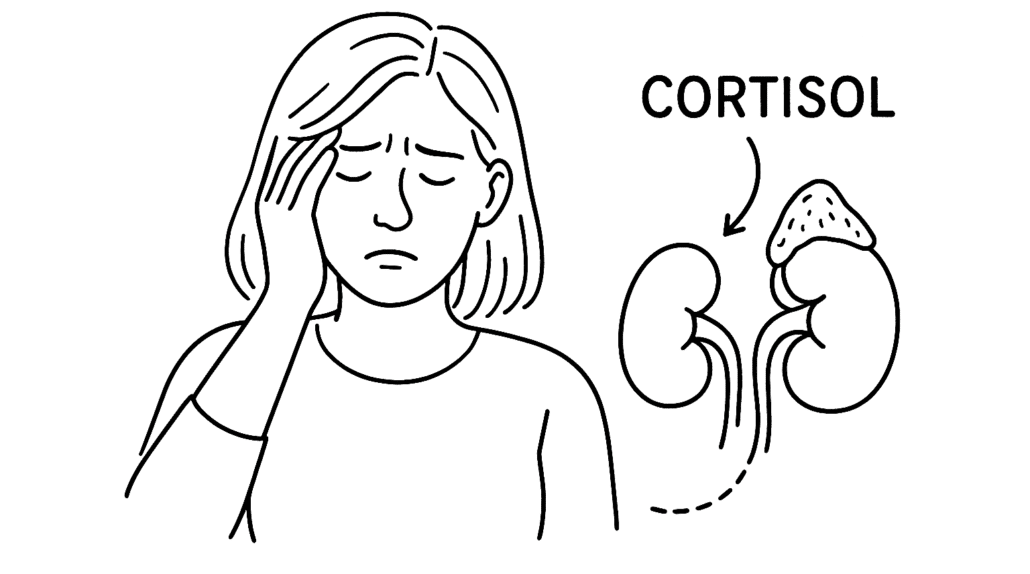
Cortisol is an important steroid hormone that regulates a wide range of vital processes throughout the body, including metabolism and the immune response. It also has a significant role in helping the body respond to stress.

Adrenal fatigue was proposed as a new condition in 1998 by Dr. James L. Wilson, a naturopath. He assumed that overstimulation of the adrenal glands by long-term stress could lead to a varying level of the stress hormone cortisol in the bloodstream.

Adrenal glands are two thumb-sized organs sitting above our kidneys which are part of the endocrine system. Known as the suprarenal glands, involved in producing over 50 hormones that drive almost every bodily function, many of which are essential for life.

The adrenal glands work closely with the hypothalamus and the pituitary gland in a system known as the hypothalamus-pituitary-adrenal axis. In addition, the thyroid and heart are all vibrationally connected.

Adrenal glands play a huge role in stress response. Our adrenal glands are responsible for harmonizing hormones this way:

When our brain registers a threat, whether emotional, mental or physical, the adrenal cortex releases corticosteroids to dampen processes like digestion, immune system response and many functions not needed for immediate survival.

The adrenal medulla releases cortisol and adrenaline hormones react to the threat: blood rushes to the brain, heart and muscles, inducing an immediate survival fight-or-flight response.

Symptoms and what to do about it.

When your cortisol levels climb too high, you’re bound for adrenal fatigue. Learn to know when you’re approaching adrenal burnout,

Our hormones are essential for our store of energy. When your hormones are out of balance, your adrenal health suffers.

When we are under constant stress, our adrenals have weakened due to adrenal fatigue. Overcome this problem by making lifestyle changes to readjust cortisol levels.

There are three major phases of adrenal fatigue:

Phase one – Cortisol levels are too high all the time. You can feel good during this stage, have a lot of energy. Neglecting to make any diet or lifestyle changes, you’ll move into Phase two.

Phase two – At this point, your cortisol levels will start to drop too low, and you will begin to experience fatigue and other symptoms.

Phase three – At this stage, your cortisol levels are very low virtually all of the time. You will feel exhausted and have no energy to do any work or daily activities.

Adrenal health and gut health are intimately connected.

The two most critical adrenal hormones also help regulate the digestive tract by strengthening the immune system and reducing inflammation. Dehydroepiandrosterone (DHEA) and cortisol are the most abundant hormones in the human body. Adrenals released are end products of a closely coordinated endocrine response to stress. Both mediate short- and long-term stress responses and enable physiological and behavioral adjustments necessary for maintaining homeostasis.

Detrimental effects of chronic or repeated elevations in cortisol on behavioral and emotional health.

Cortisol and DHEA are made throughout the body, but the adrenal glands primarily produce them.

Cortisol is the primary anti-inflammatory hormone in the gut. If your cortisol levels are too high or low, you might experience chronic digestive issues due to gut inflammation which can also lead to inflammation in other areas of your body.

DHEA is essential for our immune system as it helps fight and prevent infections in our gut. We are exposed to pathogenic bacteria regularly, and DHEA helps protect our bodies against harmful bacteria.

Having the right amounts of cortisol and DHEA is crucial for healthy adrenals, digestion, and immune functioning.

Adrenal Fatigue Symptoms 

Cortisol is involved in other key body functions that can alert us of apparently unrelated issues indicating stress on the adrenals and are many. Here are some:

Chronic infections from bacteria or fungus, dizziness or light-headedness upon standing, dry skin, easily startled, excessive sweating from any activity. Feeling tired and wired simultaneously, easily irritated, knee weakness or pain and heart palpitations.

  • Spiked Blood Sugar: Cortisol is linked to blood sugar regulation; if your blood sugar is too high or low, it may signify cortisol issues.
  • Low Blood Pressure: If your blood pressure tends to be too low, that’s a good sign that your cortisol output is too low.
  • Poor Sleep; If you have trouble falling asleep or not feeling rested when you wake up, it could signify cortisol dysregulation.
  • Infertility: Adrenal hormones help regulate sex hormones. If you’re having difficulty getting pregnant, you may need to address your adrenals.
  • Lower back pain
  • Muscle twitches
  • Premature aging
  • Low libido
  • Sensitivity to light
  • Salt cravings
  • Sweet, sugar, and carb cravings

Learn to Support Your Adrenals

Restoring your adrenals is possible through healthy lifestyle adjustments, diet, and supplementation.

  • Lower stress levels. Do not get upset about trivial issues. Self-care practices, do yoga poses for adrenal fatigue! Meditate.
  • Eliminate sugar and processed food that put a lot of stress on the adrenals. Eliminate gluten, dairy, and soy from your diet, as these foods cause inflammation.
  • Eat a natural, whole foods-based diet. Eat animal protein, healthy fats, vegetables, and fruits.
  • Get quality sleep. We need 7-8 hours of quality sleep every night to strengthen the adrenals. Go to bed by 10 every night.
  • Reduce coffee. Coffee wears out your adrenals. Take a break by drinking plenty of fresh water or herbal tea. Limit yourself to one cup of coffee in the morning.

Supplements That Support the Adrenals

Some vitamins can help boost adrenal health. Focus on eating more foods that contain these vitamins.

Maz-Mix, a supplement fermentation developed to rebuild your gut; it replaces bad bacteria with good probiotics and prebiotics, provides 26 amino acids, including the nine essentials, plus omega 3, fiber, vitamin C, and veggie protein.

Vitamin C is directly related to cortisol output and is found in its highest concentration in the adrenal glands. Choosing a Vitamin C with bioflavonoids can help aid in the absorption of the vitamin.

B Vitamins are necessary for gut health and overall well-being. In particular, Pantothenic Acid, or B5, is essential for the adrenal glands as it creates every hormone in the body. Vitamin B5 also helps with anxiety, stress and the production of cortisol.

Adaptogenic Herbs are available in tinctures, capsules or tea, such as Ashwagandha, Ginseng, Maca, Licorice and Rhodiola to support the adrenals. These herbs are considered adaptogenic because they adapt to the state of your body. They will raise cortisol if your cortisol is too low, or lower it if it is too high.

When you are experiencing any type of chronic stress (physical, mental, emotional) for a prolonged period, I suggest getting your adrenals tested by Dr. Rose Backman and Sherry Carter. Once you support your adrenals through diet, lifestyle, and supplementation, you can begin to heal your body, regain your energy, and feel vibrant again.