Skin Problems
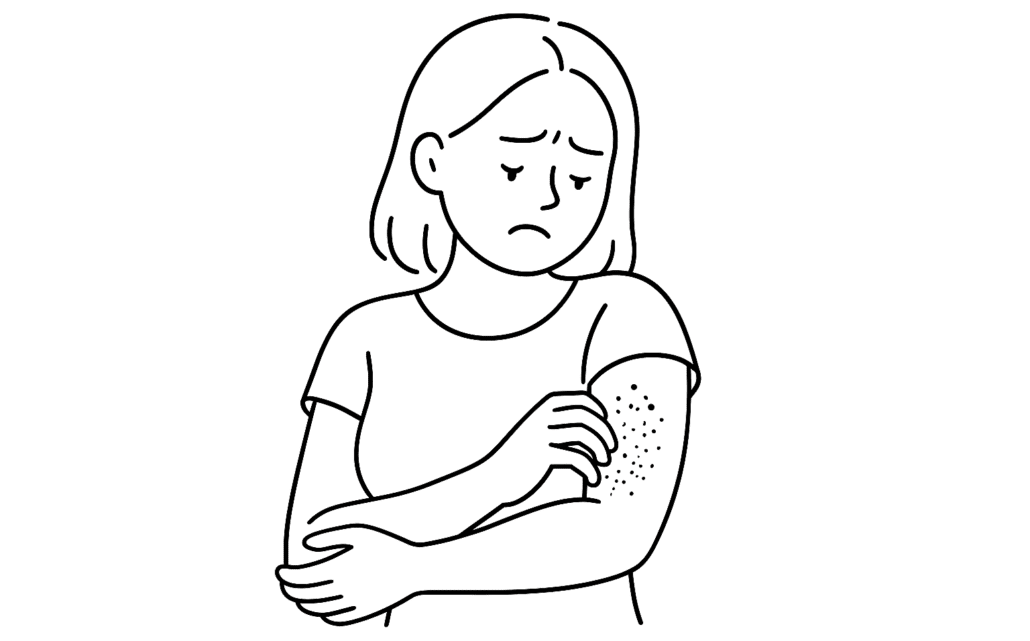
I have published several articles about skin problems in the past, including carcinoma, melanoma and shingles. I want to review several other skin conditions and how to tend to them.
Vitiligo and White Patches
Vitiligo is a long-term condition where pale white patches develop on the skin. It’s caused by the lack of melanin, the pigment that gives color to your skin, hair, and eyes. Vitiligo can affect any skin area, but it commonly appears on the face, neck, hands, and skin creases.
Vitiligo occurs when melanocytes stop making melanin. Without melanin, white patches form. Treatment depends on severity and may include topical creams, ultraviolet light therapy, oral medications, or skin grafts.
Turmeric (Curcuma longa) is one of the most frequently used herbs for vitiligo. When mixed with mustard oil, turmeric stimulates pigmentation. Apply this mixture to affected areas for 20 minutes. Other helpful herbs include Angelica Sinensis, Ligusticum wallichii, Tribulus Terrestris, Polygonum multiflorum, Fructus psoraleae, Radix Paeoniae Rubra, Rehmannia glutinosa, Glossy Privet Fruit, Eclipta alba, Salvia miltiorrhiza, Liquorice, and Angelica dahurica.
Calcium and vitamins D and E deficiencies can cause white patches. While harmless, they suggest a need for sun exposure and a more balanced diet.
Remedies for White Patches
- Drink water and consume food from copper vessels
- Eat figs regularly
- Drink ginger juice to boost blood flow to white patches
- Dry and powder pomegranate leaves and apply topically
Understanding Psoriasis and Eczema
Thick white scales are typical of psoriasis, a chronic autoimmune condition causing overproduction of skin cells. The dead skin builds up into silvery-white scales.
Skin lesions associated with vitamin B12 deficiency include hyperpigmentation, vitiligo, angular stomatitis, and hair changes. Unresponsive skin lesions may indicate a B12 deficiency, often due to malabsorption.
Psoriasis and vitiligo may spread slowly over years. Regular use of coconut oil on white patches can help fight fungi, bacteria, and inflammation.
Actinic Keratosis
Actinic keratosis (AK) is considered a pre-cancerous skin condition that may develop into squamous cell carcinoma. Early detection allows for treatment before progression.
How to Spot Actinic Keratosis
- Texture: Flat to slightly raised, scaly, crusty, or rough. May develop a horn shape.
- Color: Red, tan, pink, skin-colored, brown, or silvery.
- Size: From tiny spots to an inch in diameter.
- Location: Commonly on sun-exposed areas such as the face, lips, ears, scalp, neck, shoulders, and hands.
AKs are often felt more easily than seen. Affected skin may feel dry, raw, painful, itchy, or inflamed. In rare cases, ulceration, bleeding, or persistent sores occur. Red bumps and thick, scaly patches can appear on the forehead, scalp, and hands.
What You Can Do
If you have a history of unprotected sun exposure or live in a sunny climate, monitor your skin for unusual changes. Develop sun-safe habits. Use Naturally Mazcal skin creams and sun protection. Avoid exposure between 10 AM and 4 PM, use a broad-spectrum UVA/UVB sunscreen like Naturally Mazcal Sun Protectant Day Cream, and wear sun-protective clothing.
#SkinHealth
#VitiligoRemedies
#EczemaRelief
#PsoriasisSupport
#ActinicKeratosis
#HerbalHealing
#SunSafety
#NaturallyMazcal