Heavy Metals Toxicity


Detox Naturally

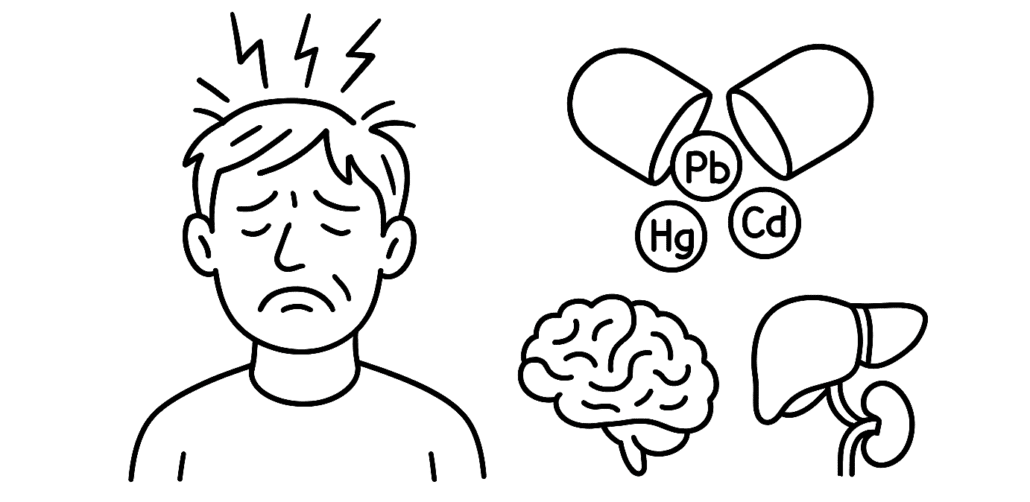
Heavy metals are considered systemic toxicants; they poison multiple areas of the body and induce organ damage at any level of exposure.

Exposure to heavy metals has been linked to Alzheimer’s disease, alopecia (hair loss), depression, fatigue, glucose intolerance, nutrient malabsorption, Parkinson’s disease, inadequate testosterone production, and vision problems.

We should be most concerned about aluminum, arsenic, cadmium, chromium, lead, and mercury. Exposure to these toxic metals comes from our environment, workplace, food, or water supply.

For example, the effects of mercury-laden fillings are alarming. These fillings are one of the top contributing causes of mercury poisoning, which can result in tremors, insomnia, headaches, nerve damage, kidney problems, and respiratory failure.

Recognizing Exposure

How can we identify exposure to any of these toxic metals? One common sign is chronic low energy, as heavy metals interfere with mitochondrial ATP production—the basic unit of energy in your cells—and disrupt enzyme function, which is essential for metabolism.

Understanding the symptoms and chronic conditions associated with heavy metal toxicity is critical to diagnosis and treatment.

Focus on Aluminum Toxicity

Today, we’ll focus on aluminum toxicity. Exposure to aluminum is common through food, water, and even air. It can also come from aluminum cookware, cans, overuse of antacids, antiperspirants, and cosmetics.

Hair analysis shows that nearly 80% of people tested have elevated aluminum levels in their hair.

Aluminum is linked to numerous health issues including Alzheimer’s disease, Parkinson’s disease, anemia, colic, and dental caries, yet it remains classified as a non-carcinogen.

Doctors may prescribe the chelating medication deferoxamine to treat aluminum toxicity.

Aluminum and Breast Cancer

The potential connection between aluminum in deodorants and breast cancer is especially concerning. Aluminum is known to cause neurotoxicity—damage to the central and/or peripheral nervous system.

Recent studies confirm that many people are still exposed to dangerous levels of aluminum. It’s essential to monitor all sources of exposure, including deodorant, cooking tools, and packaging materials.

Common Sources of Aluminum Exposure

  • Cosmetics and personal care products
  • Food packaging
  • Cooking tools: Researchers warn that uncoated aluminum cookware and aluminum-based cosmetics may cause individuals to exceed safe exposure limits.

How to Avoid Aluminum Exposure

  • Cosmetics and Personal Care: Check your deodorant and toothpaste first, then examine products like eye shadow, mascara, eyeliner, blush, nail polish, sunscreen, hair dye, face masks, and hairspray.
  • Use Alum Crystal: Consider switching to an Alum Crystal deodorant, made of the natural mineral salt potassium alum, which has antimicrobial properties and has been used for centuries.
  • Avoid Aluminum Cookware: Do not prepare or store food in uncoated aluminum pots, pans, or foil, especially acidic or salty foods, which accelerate leaching.
  • Be Cautious with Takeout: Many restaurants use aluminum foil or containers for leftovers. Transfer your food to safer containers as soon as possible.

Detoxification and Elimination

  • Chelation Therapy: The most effective medical treatment for heavy metal toxicity, where chelating agents bind to metals so they can be excreted.
  • High-Dose Vitamin C: Can also act as a natural chelating agent.
  • Urinary Elimination: Aluminum is primarily excreted through urine. Milk thistle tonic and dandelion root tincture, along with adequate water intake, aid the detox process.
  • Skin Detox: Take hot baths with Epsom salts to encourage toxin elimination through the skin.
  • Water Purification: To remove aluminum from drinking water, use reverse osmosis, distillation, or deionization filtration methods.
Stop Hair Loss Naturally

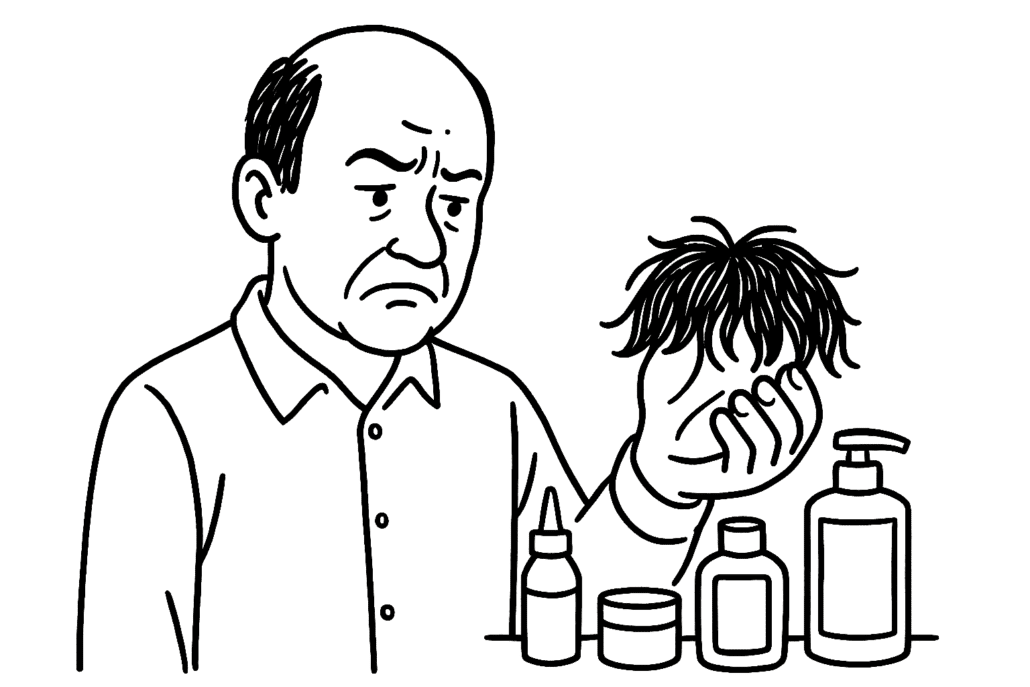
Why does hair fall out? The hair on your head goes through a life cycle that involves growth, resting, and shedding. It’s natural to lose some hair, but if you experience sudden loss, patchy thinning, or overall shedding, don’t panic—keep reading.

Some shedding is temporary and can respond well to changes in diet, natural remedies, or lifestyle adjustments. By age 40, both men and women may experience hereditary hair loss, such as androgenic alopecia (male pattern baldness) or female pattern baldness.

Other Causes Of Hair Loss

  • Medical conditions such as surgery, alopecia, scalp infections, or hair-pulling disorder (trichotillomania)
  • Hormonal changes from pregnancy, childbirth, menopause, or thyroid disorders
  • Medications for cancer (chemotherapy), high blood pressure, depression, or arthritis
  • Physical or emotional stress
  • Styling practices including tight ponytails or cornrows

Understanding Hair

Hair follicles are tiny openings in the skin that grow hair. The average person has about 100,000 follicles on the scalp. The root is composed of protein cells and nourished by blood vessels. Hair grows out of the skin and is nourished by sebaceous glands that produce oil for the scalp and strands.

Hair Growth Cycles

  • Anagen (Growth) Phase: Hair actively grows from the root.
  • Catagen (Transition) Phase: Growth slows, and the follicle shrinks.
  • Telogen (Resting) Phase: Old hair falls out, making way for new hair from the same follicle.

Hair follicles go through these phases independently, creating a continuous cycle.

Diet Tips To Prevent Hair Loss

  • Follow an alkaline diet rich in raw, organic vegetables and herbs like rosemary, parsley, basil, and leafy greens.
  • Consume protein-rich foods such as eggs, nuts, beans, fish, chia, herbal Maz-mix, chicken, and turkey.
  • Include vitamin-rich foods like sweet potatoes, sweet peppers, spinach (vitamin A); berries and citrus (vitamin C); and foods high in vitamin D, iron, zinc, and selenium.
  • Biotin (vitamin H or B7) supports fatty acid synthesis essential for the hair life cycle.

Hair Habits That Support Growth

  • Washing: Cleanse hair daily with an herbal or natural shampoo to maintain scalp health. Avoid synthetic shampoos that can dry hair and cause breakage.
  • Styling: Avoid tight hairstyles that pull on roots. Let your hair air dry. Limit heat from curling irons or straighteners.
  • Processing: Avoid chemical treatments like perms or coloring agents that contain ammonia or peroxide.

Medical Treatments For Hair Loss

  • Laser Therapy: Also called red light therapy, used to support regrowth after chemotherapy.
  • Platelet-Rich Plasma (PRP): Injecting PRP into the scalp may stimulate growth.
  • Minoxidil (Rogaine): Effective in about 50% of users. Side effects can include irritation, acne, blurred vision, or irregular heartbeat.
  • Finasteride (Propecia): Prescription medication for hair loss. Not suitable for pregnant women or those trying to conceive.

Natural Remedies For Hair Growth

If you’re looking to regrow lost hair or strengthen what you have, try these proven natural solutions:

  • Saw Palmetto: Extract from palm fruit that supports hair growth in men and women.
  • Ginseng: Contains phytochemicals that stimulate hair growth.
  • Coconut Oil: Protects hair from UV damage and breakage. Massage into scalp for improved blood flow.
  • Olive Oil: Deeply conditions and protects against dryness and breakage. Apply 2 tablespoons, leave for 30 minutes, then wash out.
  • Red Onion Juice: Shown to promote regrowth in alopecia sufferers.
  • Scalp Massage: Just 4 minutes daily helps increase circulation and stimulate growth.
  • Stinging Nettle (Urtica Dioica): Tinctures support hair regrowth.
  • Yoga: Stress-related hair loss may improve with regular practice.

All hair regrowth treatments require time. Results may begin in a month, but full benefits can take up to a year.

Gout And Uric Acid Relief – Naturally

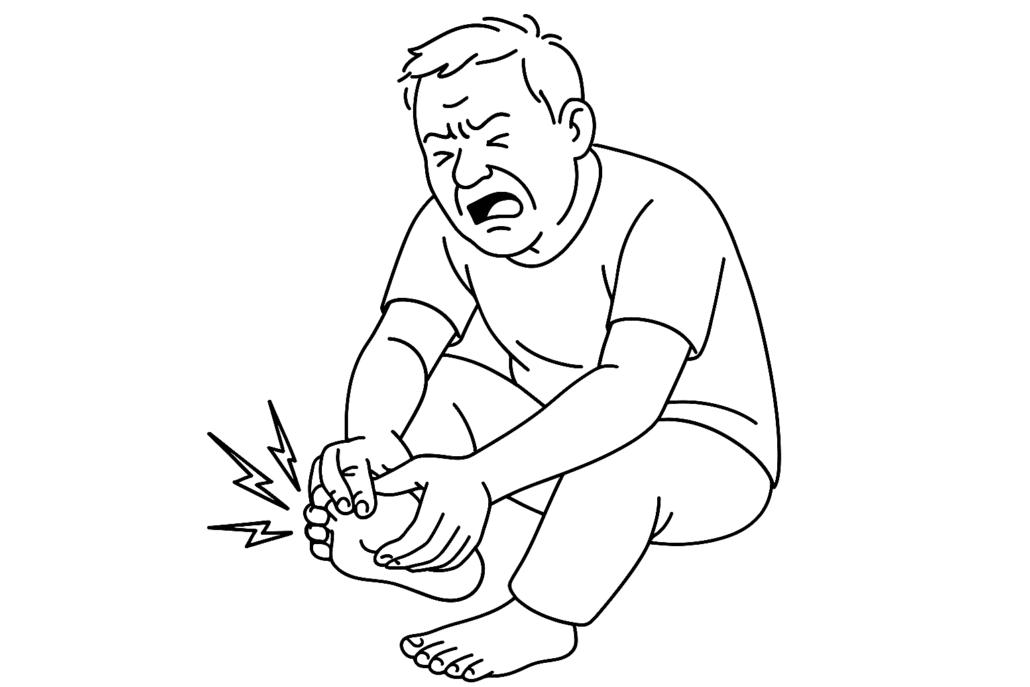
Gout is a type of arthritis caused by excessive uric acid in the body. It usually appears suddenly with intense pain, often affecting the joint at the base of the big toe. It may also impact joints in the fingers, elbows, wrists, heels, or knees. Affected joints become red, inflamed, and stiff, with limited mobility. Recurrent episodes can lead to chronic gout and permanent joint damage. Some individuals also develop small, painful white lumps beneath the skin called tophi, which are deposits of urate crystals.

Severe pain typically lasts about three days with treatment and up to 14 days without. With chronic gout, the tophi can grow large and interfere with joint function.

Pharmaceutical Management

There are many pharmaceutical options available to manage gout. Anti-inflammatory drugs, steroids, and medications such as ibuprofen (Advil, Motrin) are commonly used. If flare-ups become frequent, your doctor may order a blood test to check uric acid levels. High levels may lead to prescriptions like Zyloprim, Allopurinol, or Uloric.

Common Medications For Gout

  • Nonsteroidal anti-inflammatory drugs (NSAIDs)
  • Corticosteroids
  • Colchicine

These medications help reduce inflammation and pain during an acute gout attack. However, they also carry side effects:

  • NSAIDs: May cause diarrhea, nausea, ulcers, and kidney or liver issues. Examples include Bufferin, Celebrex, Ibuprofen, Indocin, Ketoprofen, and Naproxen.
  • Corticosteroids: May lead to diabetes, osteoporosis, high blood pressure, cataracts, infections, and bone damage.
  • Colchicine (Colcrys): Helps prevent urate crystal formation but can cause nausea, vomiting, and diarrhea.

Understanding The Root Cause

Uric acid is a waste product formed when the body breaks down purines — natural compounds found in our bodies and in many foods. When uric acid builds up and is not properly eliminated through urine, it can crystallize in the joints and cause gout.

Diet And Uric Acid

Your diet plays a critical role in uric acid production. A low-purine diet helps reduce the frequency and severity of gout attacks. An alkaline diet or a Mediterranean or traditional Mexican diet has been shown to lower uric acid due to its anti-inflammatory and antioxidant effects.

Maintaining a healthy weight also reduces the risk of gout. Even modest weight loss can lower uric acid levels without the need for dietary purine restriction.

Foods To Avoid

  • Alcohol (beer, whiskey, gin, vodka, rum, tequila — red wine is okay in moderation)
  • Full-fat dairy products
  • Sugar, sweetened snacks, and sodas
  • Red meat, processed meats, and fatty poultry
  • Organ meats (liver, kidney)
  • Seafood such as anchovies, herring, sardines, mussels, scallops, trout, haddock, mackerel, and tuna
  • White bread and refined carbs

Recommended Foods

  • Low-fat milk, yogurt, and cheese
  • Coffee
  • Eggs
  • Whole fruits and vegetables
  • Potatoes
  • Nuts
  • Foods rich in vitamin C (especially cherries and red berries)

Lifestyle Tips For Gout Relief

  • Drink at least two liters of water daily
  • Exercise regularly (avoid high-impact activities during flare-ups)
  • Rest and elevate the affected joint
  • Apply ice packs for up to 20 minutes to reduce swelling
  • Use a bed cradle or light sheet to prevent pressure on the joint at night

Natural Alternatives And Supplements

Several natural remedies and herbal supplements may help relieve symptoms and lower uric acid levels without harsh side effects. These include:

  • Devil’s Claw – Anti-inflammatory and pain-relieving
  • Milk Thistle – Supports liver detoxification
  • Nettle – Natural anti-inflammatory
  • Cola de Caballo (Horsetail) – Diuretic and detoxifying
  • Bromelain – Anti-inflammatory enzyme from pineapple
  • Turmeric – Powerful anti-inflammatory
  • Apple Cider Vinegar (with “mother”) – Aids detoxification and alkalinity

These supplements can support your body’s natural healing process and help manage gout without the side effects commonly seen in pharmaceuticals.

Face & Neck Creams Simplified – Naturally

The first step in choosing the right face or neck cream is knowing your skin type.

Understanding Your Skin Type

There are three main skin types: oily, dry, or a combination of both (also referred to as balanced or normal skin).

What Is Your Goal?

When choosing a cream, it’s important to define your skincare goal. In this article, we’ll focus on anti-wrinkle creams and skin regeneration for individuals aged 26 to 70 and older. Topics like anti-spot creams or specialty products for skin conditions will be covered in future articles.

Dry Skin

Dry skin results from a lack of hydration and essential nutrients. A suitable cream for dry skin should provide deep moisture, promote cellular cohesion, and form a protective barrier to prevent dehydration. Ingredients like ginseng can help revitalize and moisturize skin, increasing flexibility and reducing the risk of wrinkles.

For dry skin, serums with water-based, highly moisturizing formulas are ideal for nighttime use. Facial oils are also beneficial and can be applied before bed for added nourishment.

Oily Skin

Oily skin is a common concern for both men and women. It often presents with enlarged pores and a greasy appearance. Diet and lifestyle can influence oil production, so avoiding certain foods and using the right skincare products is essential.

A common misconception is that oily skin doesn’t need hydration. In fact, oily skin does require moisture. The key is to choose oil-free, water-based moisturizers. Look for serums or silicone-based products that contain more water than oil.

Balanced or Normal Skin

Balanced skin typically shows closed pores and a combination of dry and oily areas. The ideal cream should help maintain this balance—hydrating the dry areas without increasing oiliness in the shiny zones. Look for products with a high water content for optimal moisture.

Anti-Wrinkle Face Creams

Mature skin often benefits from anti-wrinkle creams, whether for day or night use. These creams should include ingredients that support skin regeneration, reduce fine lines, and restore firmness.

Face Creams for Dark Spots

Facial spots are usually caused by melanin imbalances and are more common in spring and summer due to sun exposure. It’s important to consult a dermatologist if new or irregularly shaped spots appear, especially if they are dark or asymmetrical.

Creams designed to treat facial spots contain ingredients that help regulate melanin and provide sun protection to prevent future discoloration.

Final Recommendation

For dry skin, consider serums and facial oils before bedtime. For oily skin, lightweight serums or silicone-based products with a higher water ratio are ideal. Always choose creams based on your specific skin type and personal goals.

Pain Relief Using Essential Oils, Naturally

When medications are not easing your pain, you might consider going natural by using alternative remedies. Essential oils are a traditional and natural way to relieve pain.

Essential oils are highly fragrant substances extracted from the petals, stems, roots, bark, and other parts of plants. They are obtained through steam distillation, a centuries-old method that uses heat to evaporate the volatile compounds. During condensation, the oils separate due to their hydrophobic nature.

There is evidence that essential oils can help treat depression, inflammation, headaches, localized pain, respiratory issues, and sleep disorders.

Essential oils can be inhaled or applied topically when mixed with a carrier oil. Never apply undiluted essential oils directly to the skin, and do not ingest them, as they are toxic. Always perform a skin patch test before use. If you don’t experience irritation or discomfort within 12 to 24 hours, the oil is likely safe for use.

Recommended Essential Oils for Pain Relief

  • Cinnamon Leaf: Contains cinnamaldehyde, which reduces inflammation and acts as an antimicrobial. It helps stimulate circulation, reduce stress, relieve pain, fight infections, and improve digestion.
  • Lavender: Acts as an analgesic and anti-inflammatory. When applied topically, it provides pain relief comparable to prescription medications like Tramadol. Inhaling lavender can reduce migraine headache severity.
  • Red Rose: Helps alleviate menstrual discomfort, stress, and anxiety. It has antibacterial and antifungal properties, stimulates libido, and reduces depressive symptoms.
  • Bergamot: Used in aromatherapy to treat neuropathic pain, which is often resistant to opioid medications.

How to Use Essential Oils for Pain Relief

Dilute essential oils with a carrier oil such as apricot kernel, avocado, coconut, grapeseed, sweet almond, or sesame oil. Use only a few drops of essential oil—typically 10 drops per tablespoon of carrier oil.

Massaging diluted essential oil into the skin can help loosen muscles and alleviate pain. You can self-massage or use a professional.

For menstrual relief, blend cinnamon, clove, rose, and lavender in sweet almond oil. For terminal patients, massaging bergamot, lavender, and frankincense can reduce pain and depression. A combination of red rose and cinnamon leaf can ease tendon and rheumatoid arthritis pain quickly and effectively.

For inhalation, add a few drops of essential oil to a diffuser and inhale the steam, or place drops in a bowl of hot water, cover your head with a towel, and breathe in the vapors.

For a hot bath, dissolve five drops of essential oil into one ounce of carrier oil. Soaking allows the oils to absorb through the skin, and the steam provides additional aromatherapy benefits. Avoid very hot baths to prevent dizziness.

Risks and Warnings

Use caution when trying any new essential oil. Always dilute with a carrier oil. Do not apply undiluted oils directly to the skin, especially if pregnant, nursing, or if you have a medical condition.

Possible side effects include:

  • Skin irritation
  • Skin inflammation
  • Sun sensitivity
  • Allergic reaction

Some essential oils or commercial blends may include additional ingredients that could cause adverse reactions. Avoid applying oils around the eyes, lips, or open wounds.

Essential oils can enhance physical, emotional, and mental well-being. Each oil has a unique scent and set of benefits. Incorporating them into your pain management routine may offer natural support with minimal risk, and you can adjust usage as needed.

Eliminate Kidney Stones
Naturally & Quickly

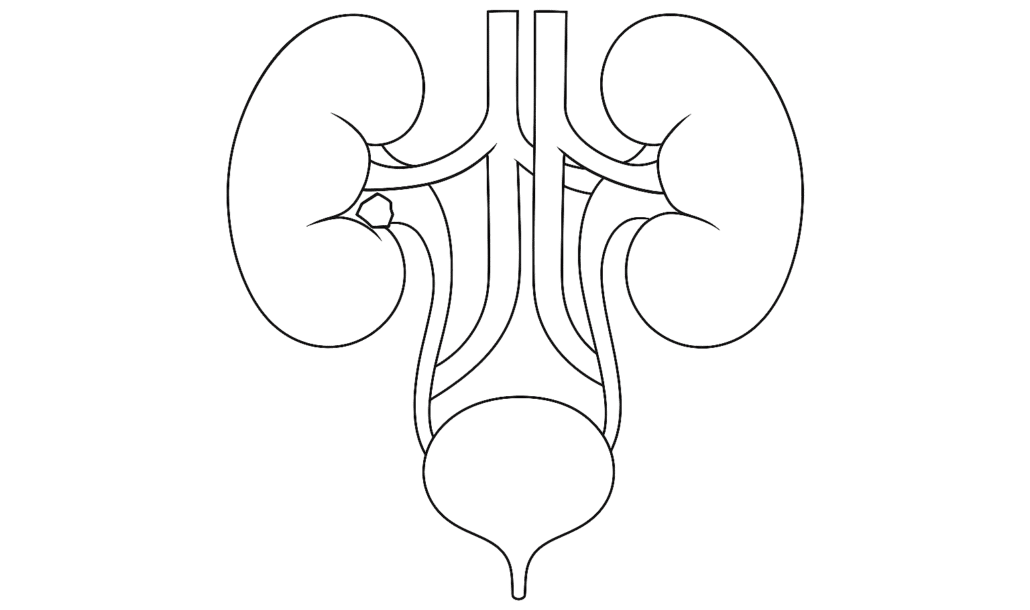
Kidney stones are one of the most common ailments of the urinary tract, affecting roughly one in 10 people. These hard mineral deposits form inside the kidneys and can cause severe pain, especially when passing through the urinary tract. Left untreated, kidney stones can lead to serious complications, including kidney failure.

What Are Kidney Stones?

Kidney stones are small, hard clusters of minerals, salts, and acids that form when urine becomes overly concentrated and lacks the necessary compounds to dissolve these substances. They can vary in type, including:

  • Calcium Stones: The most common type, formed from calcium combined with oxalates, phosphate, or carbonate.
  • Uric Acid Stones: Often hereditary and linked to high-protein diets or chemotherapy.
  • Struvite Stones: Associated with infections and can grow quite large.
  • Cystine Stones: Result from genetic conditions affecting amino acid processing.

Symptoms of Kidney Stones

  • Intense lower back or side pain, often radiating to the groin
  • Cloudy, bloody, or foul-smelling urine
  • Discolored urine
  • Persistent urge to urinate with minimal output
  • Indigestion, nausea, or vomiting
  • Fever and chills in severe cases

Who Is at Risk?

  • Men, especially white males
  • People aged 30–70
  • Those taking diuretics or synthetic calcium supplements
  • Individuals with gout, thyroid disorders, or digestive issues
  • Physically inactive individuals
  • People with a history of urinary tract infections or kidney issues

Common Causes

  • Dehydration
  • Diets high in oxalates or processed meat
  • High salt, sugar, or caffeine intake
  • Overuse of calcium supplements
  • Digestive disorders like IBD or chronic diarrhea
  • Obesity and inactivity
  • Infections and abnormal urine pH

Four Steps to Relieve and Prevent Kidney Stones

  1. Stay Hydrated: Drink at least 15.5 cups (3.7 liters) per day for men and 11.5 cups (2.7 liters) for women. Herbal teas are also helpful.
  2. Eat a Nutrient-Dense Diet: Choose alkaline-forming and anti-inflammatory foods. Avoid salty, sugary, and processed foods.
  3. Exercise Regularly: Weight-bearing activities support calcium absorption and bone health.
  4. Use Natural Herbal Remedies: Incorporate herbs known to dissolve and prevent stones.

Foods That Help Prevent Kidney Stones

  • Organic leafy greens, legumes, sprouted grains, and wild fish
  • Berries, almonds, olive oil, avocado, and butternut squash
  • Acidic foods like lemon juice and apple cider vinegar
  • Bone broth and collagen-rich foods to support tissue healing

Foods to Avoid

  • Soft Drinks: Contain phosphoric acid which pulls calcium from bones and increases stone risk.
  • Refined Grains and Sugars: Promote acidity and high oxalate levels.
  • Processed Meats: Increase calcium excretion and stone formation.
  • Vitamin C: Excess (more than 4g daily) can contribute to oxalate stone formation.
  • Excess Caffeine and Alcohol: Dehydrating and interfere with calcium balance.
  • Wheat Bran: High in phytates, reducing calcium absorption; sprouted grains are a better option.
  • Hydrogenated Oils: Destroy vitamin K, essential for bone and kidney health.

Natural Supplements and Remedies

  • Vitamin B Complex: Helps reduce oxalate buildup.
  • Vitamin E: Reduces inflammation and calcium accumulation.
  • Cranberry Extract: Balances calcium levels and reduces infections.
  • Aloe Vera: Prevents crystallization of minerals in the urinary tract.
  • Coconut Oil: Helps prevent kidney and gallbladder diseases.
  • Yumel: Traditional support for urinary function.
  • Black Radish (Rábano Negro): Liver detoxifier and kidney cleanser.

Powerful Herbal Allies

  • Corn Silk (Zea mays): Diuretic and anti-inflammatory, supports urinary flow and pain relief.
  • Black Radish: Detoxifies liver and kidneys; supports digestion and cholesterol balance.
  • Pingüica (Arctostaphylos pungens): Eases kidney pain and dissolves stones; natural diuretic.
  • Toad Herb (Hierba del Sapo): Reduces kidney inflammation and helps eliminate uric acid and stones.
  • Doradilla (Selaginella lepidophylla): Used for kidney stones, stomach ulcers, gallbladder and liver support, and blood cleansing.

How to Use These Remedies

Many of these herbs are best taken as teas on an empty stomach or throughout the day. Tinctures and dried herb preparations are also available from natural health stores. Always consult a healthcare professional before starting new treatments, especially during pregnancy or if managing other health conditions.

Final Thoughts

Kidney stones are painful and potentially dangerous, but you can treat and prevent them naturally. Hydration, dietary changes, herbal support, and regular activity make a big difference. Understanding your body’s needs and making supportive lifestyle adjustments can help you avoid recurrence and maintain optimal kidney health long term.

Effective Versus Ineffective Nutrition

Lose Weight the Right Way

You may be looking for a fast way to lose weight, and there’s no shortage of fad diets around. These “diets” may provide short-term results, but they are difficult to sustain and ultimately deprive you of the essential nutrients that only balanced eating can offer.

It’s Easy to Spot a Fad Diet

Typically, a fad diet shares some or all of the following characteristics:

  • Promises a quick fix
  • Promotes “magic” foods or combinations of foods
  • Implies that food can change body chemistry
  • Excludes or severely restricts food groups or nutrients, such as carbohydrates
  • Has rigid rules that focus only on weight loss
  • Makes claims based on a single study or testimonials

Fad Diets Can Cause Health Problems

Fad diets that restrict food groups or nutrients may cause you to miss out on the protective health effects of a balanced eating plan. We don’t know whether fad diets are safe over the long term or if they increase the risk of certain diseases.

Because they often eliminate key foods, fad diets may lead to symptoms such as:

  • Dehydration
  • Weakness and fatigue
  • Nausea and headaches
  • Constipation

A Balanced Eating Plan for Adults

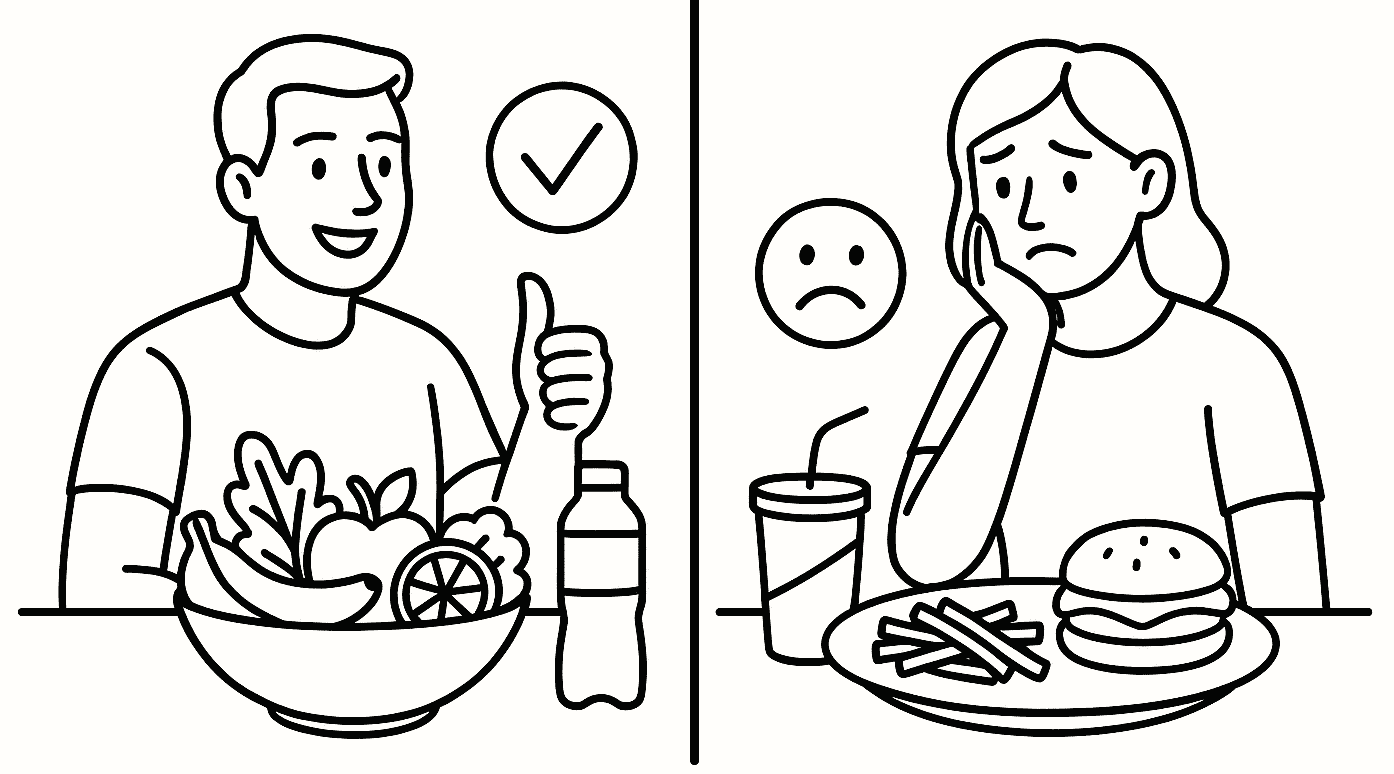
With a balanced eating plan, it’s what you leave in that makes all the difference. For a successful balanced diet, you should:

  • Eat plenty of vegetables, legumes, and red and yellow fruits
  • Include range-fed meat, wild-caught fish, and farm-raised poultry
  • Drink plenty of water
  • Limit saturated fat and moderate your total fat intake
  • Choose reduced-fat food varieties where possible
  • Choose foods low in salt
  • Limit alcohol intake — a glass of red wine with food is acceptable
  • Eliminate all sugars and sugar-sweetened foods and drinks

Body Weight

A stable body weight means the kilojoules (energy) you consume match the kilojoules your body uses. If your weight is increasing, it may indicate you’re eating too much, doing too little physical activity, or both.

Energy Values of Food Components

  • Fat: 37 kJ/g
  • Protein: 17 kJ/g
  • Carbohydrates: 16 kJ/g
  • Alcohol: 29 kJ/g

Carbohydrates: Your Body’s Fuel

Carbohydrates provide energy (kilojoules) for the body. Foods rich in carbohydrates include:

  • Red and yellow fruits
  • Vegetables, potatoes, and corn
  • Legumes such as dried beans, peas, and lentils
  • Wild grains like amaranth, chia, chan, and wild rice

These foods are low in fat, rich in vitamins and minerals, and are ideal for a healthy eating plan. Legumes, fruit, and vegetables are also excellent sources of dietary fiber.

Protein Builds New Cells

Protein is an essential nutrient required throughout life to build, maintain, and renew tissues and cells. Protein sources include:

  • Animal protein: Meat, chicken, fish, eggs, dairy
  • Plant protein: Tofu, nuts, seeds (e.g., chia), lentils, dried beans, and peas

Fat Helps Nutrient Absorption

Fat is necessary for many body functions — it protects organs, helps with hormone production, and allows the body to absorb nutrients. However, many people consume too much fat, leading to weight gain and heart disease.

Healthier fats are unsaturated fats, found in:

  • Sunflower, safflower, peanut, and olive oils
  • Nuts and seeds
  • Avocado

These are much healthier than the saturated fats found in biscuits, cakes, and fried foods.

Be Active Every Day

Once you adopt a healthy eating pattern, you’ll feel more energized and naturally want to be more active. Tips for daily physical activity:

  • View movement as an opportunity, not a burden
  • Accumulate at least 30 minutes of moderate-intensity activity most days
  • Incorporate vigorous exercise regularly for added benefits

A Healthy Lifestyle Is Essential

Changing your habits can be difficult at first, but becomes easier over time. Tips to ease the transition:

  • Combine healthy eating with an active lifestyle
  • Make small, sustainable changes
  • Fill up on low-kilojoule, nutritious foods
  • Watch portion sizes
  • Eat until you’re satisfied — not overly full
  • Only eat when you’re hungry
  • Listen to your hunger cues — they can vary daily
  • Eat slowly and enjoy your food
  • Have regular meals: breakfast, lunch, and dinner

Eliminate Unhealthy Snacks

Avoid foods such as biscuits, cakes, potato chips, desserts, pastries, soft drinks, and high-fat snacks like pies, pasties, and sausage rolls.

Feel Good About Yourself

Don’t compare yourself to unrealistic media images. Life pressures — from work to family — can make it hard to stay healthy, but adopting balanced eating habits will help you feel better about yourself.

Fad dieting is one pressure you don’t need. Healthy food and regular activity will boost your energy and overall health. You’ll also set a good example for your children and support your family’s health by offering nutritious meals.

Once nutritious foods and regular movement become part of your everyday routine, the idea of dieting will start to seem unnecessary and even strange.

Reverse Diabetes Disease 100% Naturally

Diabetes is a serious condition where blood glucose levels are too high. There are two main types: Type 1 and Type 2.

In Type 1 diabetes, the body can’t produce any insulin at all. In Type 2 diabetes, the insulin produced either doesn’t work effectively or isn’t produced in sufficient quantities, resulting in chronically high blood glucose. This can seriously damage the heart, eyes, feet, and kidneys.

What Causes Diabetes?

Both types of diabetes have one thing in common: people have too much glucose (sugar) in their blood. When we eat carbohydrates, our body breaks them down into glucose, which enters the bloodstream.

We produce a hormone called insulin, made by the pancreas. Insulin allows glucose in the blood to enter our cells and provide energy. In Type 2 diabetes, the body becomes insulin resistant and can’t use insulin properly.

In a healthy body, the pancreas releases the right amount of insulin when glucose enters the bloodstream. With diabetes, this process is impaired.

Diabetes: A National Tragedy

In Mexico, 7 out of 10 adults and children are obese or diabetic. In the U.S., 1.4 million Americans are diagnosed with diabetes every year, and over 86 million have pre-diabetes. It is the 7th leading cause of death.

Nutrition experts believe this epidemic is driven by the global spread of sugar, soft drinks, and processed foods, which are aggressively marketed and often cheaper than healthy alternatives.

Medication Is Not the Cure

Doctors often say diabetes can be “managed with medication.” Unfortunately, it can’t be cured this way. The healthcare industry profits enormously from treating diabetics — a system that benefits doctors, pharmaceutical companies, hospitals, and other professionals managing complications from the disease.

Taking diabetes drugs is often the worst choice. It usually begins with a blood sugar prescription, then cholesterol meds, followed by blood pressure pills. These medications don’t cure — they only mask symptoms. Over time, the disease progresses, becomes irreversible, and may ultimately result in death.

Side Effects of Common Diabetes Medications

Diabetes medications aim to increase insulin to counter high glucose, but the side effects can worsen the disease:

  • Metformin: Nausea, diarrhea, weight gain, vitamin B12 depletion.
  • Meglitinides and Sulfonylureas: Risk of low blood sugar and weight gain.
  • Thiazolidinediones: Associated with weight gain and increased risk of heart failure.
  • Avandia: Over 50,000 lawsuits in the U.S. due to adverse effects.

Chances of being cured by these drugs are slim to none.

The Natural Solution: Reverse Type 2 Diabetes

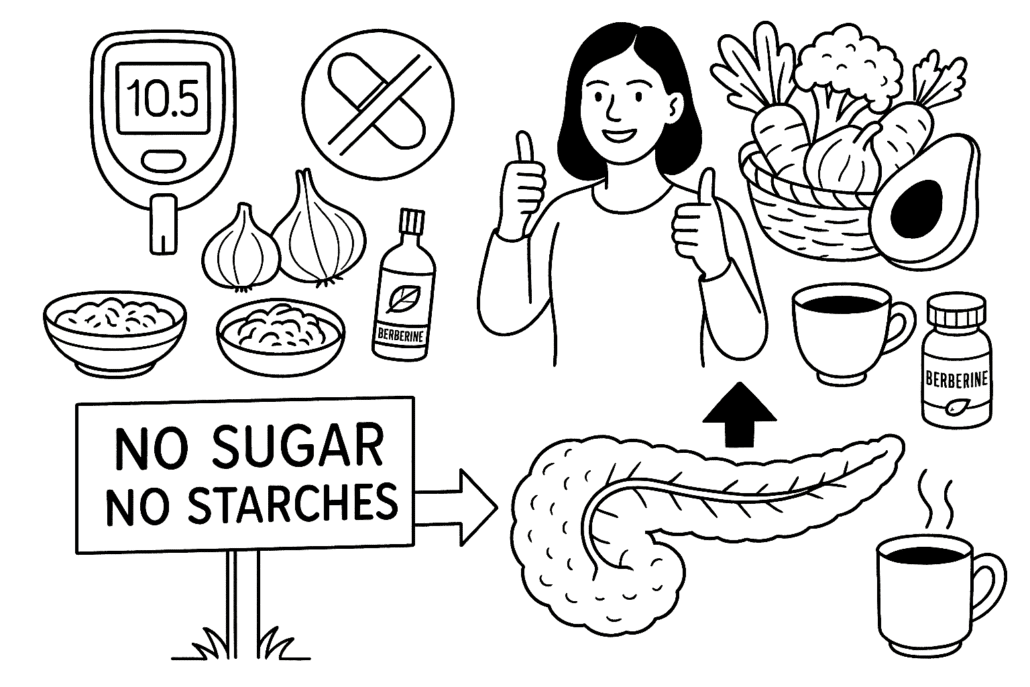
The good news: Type 2 diabetes is 100% reversible through dietary and lifestyle changes. By eating foods that stabilize blood sugar and insulin, you can unclog your pancreas and restore normal insulin flow.

What You Can Do

Step 1: Eliminate sugar and starches. This helps reduce fat buildup in the pancreas, enabling normal insulin production and blood sugar regulation.

No need to starve yourself. Eat foods, herbs, and supplements that strengthen your immune system and balance metabolism.

High-Fiber Foods

  • Amaranth
  • Beans
  • Chia
  • Legumes
  • Peas
  • Oats
  • Berries
  • Asparagus
  • Lentils
  • Leeks

Herbs That Support Immunity

  • Garlic and onion: Known for immune-boosting properties.

Fermented Foods

  • Sauerkraut
  • Yogurt
  • Miso
  • Kefir
  • Mazmix: A fermented blend of multiple herbs, moringa, and organic chia that provides probiotics, prebiotics, and antibacterial compounds.

Healthy Fats and Other Foods

  • Avocados: Stabilize blood sugar and keep you full longer.
  • Bok choy, nopales, butter, and other healthy fats supply essential fatty acids needed for blood sugar stability.
  • Coffee: Can significantly reduce the risk of diabetes.

Berberine: A Natural Plant Extract

Berberine lowers blood sugar, helps with weight loss, and improves heart health. It activates AMPK (adenosine monophosphate-activated protein kinase), a metabolism-regulating enzyme within cells. It has been used in Ayurvedic and Chinese medicine for over 2,500 years.

Scientific Support

Studies have confirmed that Type 2 diabetes can be reversed in just 16 weeks. Many people have done it — and so can you. Naturally. Without drugs or injections — even if you’re overweight.

Diarrhea (aka Montezuma’s Revenge)

Moctezuma II is the namesake of Moctezuma’s revenge, a form of diarrhea that arises when a tourist in Mexico consumes food or drinks water they’re unaccustomed to. The bacteria in local water often differ from what the traveler is used to, which can trigger the condition. Moctezuma II was captured, tortured, and killed by Spanish conquistador Hernán Cortés in 1520.

While being tortured to reveal the location of the Aztec gold treasury, Moctezuma’s feet were burned, but he stoically refused to disclose the information. He died, but not before issuing a threat and promise of revenge.

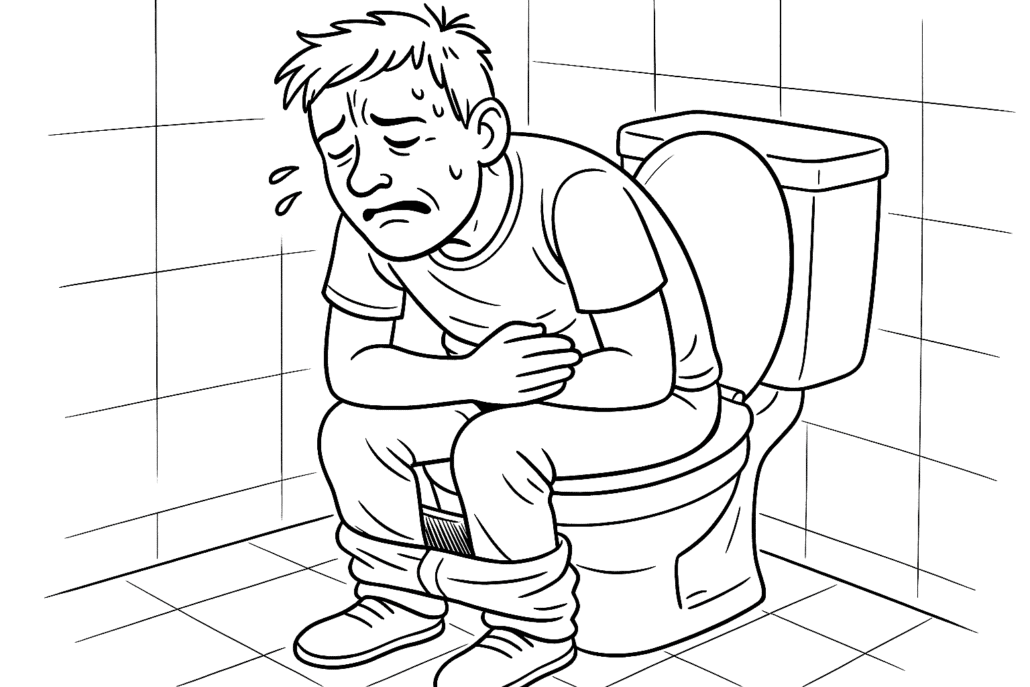
Diarrhea is an intestinal infection resulting from eating or drinking contaminated food or water.

The main organisms causing Moctezuma’s revenge include diarrheagenic Escherichia coli, especially ETEC (enterotoxigenic E. coli) and EAEC (enteroaggregative E. coli). Other culprits may include salmonella, campylobacter, shigella, norovirus, and rotavirus, depending on the region.

How to Stop Diarrhea Fast

A common remedy is the BRAT diet: Bananas, Rice, Applesauce, and Toast. These bland, low-fiber, starchy foods help bulk up stools and soothe the digestive system.

Diarrhea-causing bacteria such as salmonella and E. coli are often contracted through contaminated food and drinks. Viruses like rotavirus and norovirus can also cause gastroenteritis, commonly referred to as stomach flu.

Foods to Avoid During Diarrhea

  • Milk and dairy products (including milk-based protein drinks)
  • Fried, fatty, or greasy foods
  • Spicy foods
  • Processed foods with additives
  • Pork and veal
  • Raw vegetables

Helpful Herbs for Diarrhea

  • Chamomile: Available as tea, liquid, or capsules. Reduces inflammation and gut spasms.
  • Teas from blueberry, blackberry, or raspberry leaves: Contain tannins that reduce inflammation and fluid secretion in the intestines.

Apple cider vinegar also helps bulk up stool and reduce intestinal inflammation. As a natural antibiotic, it’s particularly helpful against bacteria-based diarrhea.

Bland Foods That Can Help

  • Hot cereals: oatmeal, cream of wheat, rice porridge
  • Bananas
  • Applesauce
  • Plain white rice
  • Bread or toast
  • Boiled potatoes
  • Unseasoned crackers

Important: Do not drink excessive water. Overhydration can overwhelm the kidneys and cause water retention in the body, resulting in unpleasant symptoms.

Cooked Vegetables That May Help

Try soups made with cooked asparagus tips, beets, carrots, peeled zucchini, mushrooms, celery, tomato purée, or baked potatoes (without skin). Avoid caffeinated, alcoholic, carbonated, very hot, or very cold beverages.

Rebuilding the Body After Diarrhea

Consume foods high in potassium and minerals to replenish what was lost. Include probiotic and fiber-rich foods such as Maz-Mix, pineapple, and dragon fruit (pitaya) to help restore gut flora.

Additional helpful foods include:

  • Lentils
  • Bananas
  • Mangoes
  • Coconut milk
  • Citrus fruits

These foods are rich in antioxidants, flavonoids, phenolic acid, and prebiotics, which support healthy bacteria, lower blood sugar, and aid digestion.

Cutaneous Candidiasis


Candidiasis is a yeast infection caused by an imbalance of Candida albicans, a type of fungus (yeast) that typically lives in moist areas of our body such as the genitals, mouth, and skin.

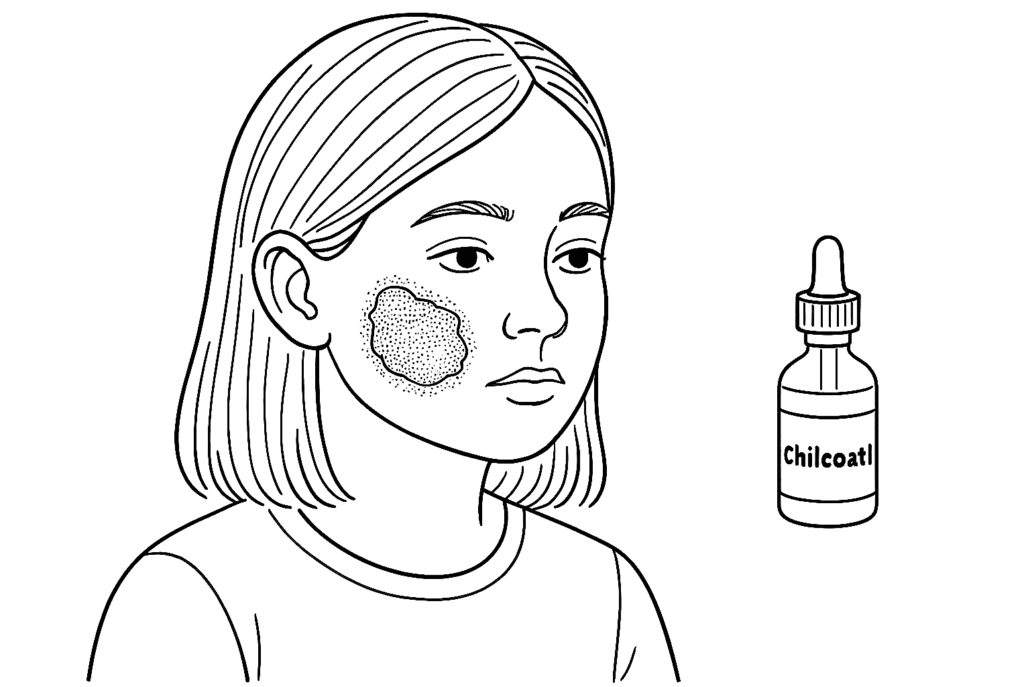
A few years ago, a poor family approached me worried about their daughter’s face; she had a fungal infection on her cheek. When I saw her, the fungal skin infection looked bright red with a more intense color at the border.

Some medications work to treat fungal infections. They can either kill fungi directly or prevent them from growing and thriving. Antifungal drugs are available as over-the-counter treatments or prescription medications and come in various forms, including creams or ointments.

I was surprised that the specialists who inspected the infection wanted over 50,000 pesos to perform surgery. Because of limited income, they could not begin to pay for the surgical procedure. I donated the materials to eliminate the fungal infection from her face. Fast forward four years — the child is now an adolescent, and when I checked her face, her cheek was free of infection, and there were no scars. That made me feel good.

Chilcoatl: A Potent Natural Remedy

The material I donated was a tincture and a cream called CHILCOATL, scientific name Heliopsis longipes (Asteraceae: Heliantheae). I have mentioned this incredible root before.

Chilcoatl can eliminate difficult viral, chronic bacterial, and fungal infections such as H. pylori, a tough bacteria responsible for gastritis, hernias, and gastric ulcers. It eliminates all hard-to-kill fungi, including Candida albicans, the leading cause of chronic candidiasis, and can also eradicate yellow toenails from a harmful fungus called onychomycosis.

Chilcoatl is a rare plant found only in specific volcanic soils in central Mexico. The word Chilcoatl comes from Nahuatl, the language of the Aztecs: chil = spicy; coatl = serpent. It was named so because the roots of the plant resemble a snake when pulled from the ground.

Aztec (Mexica), Olmec, and Toltec healers used the powerful root for millennia because of its many benefits against all kinds of ills. It can cure many internal and external injuries and sicknesses.

Traditional and Modern Uses of Chilcoatl

Chilcoatl is a traditional Mexican medicine used against parasites and to alleviate tooth pain. It is used in tinctures, creams, and various forms to:

  • Eliminate arthritis
  • Combat all types of infections of the respiratory and digestive systems
  • Act as an analgesic and a local non-steroid anesthetic

Proven Healing Benefits

The active ingredients of Chilcoatl root (Heliopsis longipes) have the following bioactive potential:

  • Analgesic (pain killer)
  • Antipyretic (fever reducer)
  • Anti-nociceptive (modifies pain perception)
  • Broad-spectrum antibiotic (acts against many bacteria)
  • Antifungal (inhibits fungal growth)
  • Antiviral (stops virus-caused infection)
  • Local anesthetic
  • Antioxidant
  • Anti-inflammatory
  • Anti-wrinkle
  • Bactericide
  • Accelerates healing by a factor of four

Benefits to the Central Nervous and Digestive Systems

Chilcoatl has significant effects on the central nervous system (CNS), with considerable potential to stimulate and strengthen the immune system.

It enables the production of saliva, which generates several beneficial effects in the organs. Saliva contains digestive enzymes (amylase and lipase) that help buffer and neutralize the pH of the stomach and oral cavity.

Chilcoatl can:

  • Control reflux, acidity, and gastritis
  • Eliminate dry mouth and Sjögren’s Syndrome
  • Promote secretion of endorphins

Other Healing Applications

Chilcoatl provides fast relief from insect bites (wasps, mosquitoes, bees), heals deep cuts, and cures skin cancers such as melanoma and carcinoma. It is also part of a cancer protocol.

It cures buccal and vaginal infections and is effective against both external and internal fungus.

A Bit of History

During World War II, American soldiers fighting in the Pacific died more from infections and parasites than from bullets. A Mexican healer among the troops used Chilcoatl root to save his friend. Field medics noticed the rapid recovery and the plant’s healing power.

The U.S. Army and the U.S. Department of Agriculture began using Chilcoatl to save hundreds of soldiers from bacterial, viral, and parasitic infections. Its antiseptic and anesthetic effects reduced pain and sped up healing. At the time, U.S. demand nearly drove the plant to extinction. Thankfully, wild Chilcoatl survived.

Chilcoatl Plant Chemistry

Chilcoatl contains the highest amount of Afinine found in any plant, including echinacea. Science has shown it has up to 100 times more olefinic alkamides than any other plant, granting it extraordinary curative power.